Are you tired of struggling with a harness that just doesn’t fit your furry friend right? Finding the perfect harness is crucial not only for comfort but also for your dog’s safety.
A well-fitted harness can make your daily walks more enjoyable and stress-free. But how do you measure your dog to ensure the perfect fit? You might be overwhelmed with where to start, but don’t worry—we’ve got you covered. In this guide, you’ll discover easy steps to accurately measure your dog for a harness.
By the end, you’ll feel confident in your ability to choose a harness that offers both comfort and security for your beloved pet. Keep reading to unlock the secrets to a perfect fit and transform your walking experience!
Choosing The Right Harness
Choosing the right harness for your dog ensures comfort and safety. Not every harness fits every dog. Dogs come in various shapes and sizes. Finding the right fit is essential. A well-fitted harness keeps your dog secure during walks. It prevents injuries and discomfort. Let’s explore the types of harnesses and their benefits.
Types Of Dog Harnesses
Dog harnesses come in different styles for various needs. Each type serves a unique purpose. Here are some common types:
- Back-Clip Harness:Great for small dogs. It attaches easily to the leash.
- Front-Clip Harness:Ideal for training. It helps reduce pulling.
- Dual-Clip Harness:Offers flexibility. You can attach the leash to the front or back.
- Step-In Harness:Simple to put on. Your dog steps into it.
Benefits Of A Proper Fit
A properly fitted harness offers many benefits. It improves your dog’s comfort. A snug fit prevents chafing and irritation. It also enhances control during walks. You can guide your dog more easily. Your dog feels secure and confident. A good fit also prevents escape. A loose harness can slip off. Measure your dog correctly for the best fit. This ensures your dog stays safe and happy.

Credit: k9apparel.com
Tools Needed For Measuring
Measuring your dog for a harness requires a soft measuring tape and a pen for notes. Measure your dog’s neck and chest at the widest points for a secure fit.
Measuring your dog for a harness is an essential task to ensure comfort and safety during walks. But before you begin, gathering the right tools is crucial. The correct measurements will prevent unnecessary discomfort for your furry friend and enhance their walking experience.Essential Measuring Tools
To start with, having a flexible tape measure is vital. This tool helps you easily wrap around your dog’s body to get accurate measurements. Unlike a rigid ruler, a tape measure contours to your dog’s shape. A notepad or your smartphone can be handy to jot down the measurements. Keeping a record ensures you have the correct numbers when choosing the harness. Additionally, a treat or toy can be useful. It can serve as a distraction, making your dog more cooperative during the measuring process.Preparing Your Dog For Measurement
Before you measure, ensure your dog is calm and comfortable. Try this when they are relaxed, perhaps after a meal or playtime. Use treats to get them to stand or sit still. A little reward can go a long way in making them cooperative. Consider having someone assist you. Having an extra pair of hands to hold or soothe your dog can make the process smoother and quicker. What are your thoughts on measuring your dog? Have you tried using these tools?Step-by-step Measuring Guide
Finding the right harness for your dog can make all the difference in ensuring their safety and comfort during walks. But how do you make sure you’re choosing the correct size? This step-by-step measuring guide will walk you through the process, so you can feel confident that your furry friend is both snug and secure. With just a few simple measurements, you can find the perfect fit that will keep those tails wagging!
Measuring The Neck
The neck is one of the most critical areas to measure for a harness. Use a soft tape measure to wrap around the base of your dog’s neck where the collar would naturally sit. Make sure the tape measure is snug but not tight—leave room for two fingers between the tape and your dog’s skin.
It’s better to measure twice to ensure accuracy. A too-tight neck measurement could make your pup uncomfortable, while too loose might mean an escape artist on your hands. Ever had your dog wiggle out of a harness? You know the importance of getting this step right!
Measuring The Chest
The chest is the broadest part of your dog’s body, located right behind the front legs. Wrap the tape measure around the widest part of the chest, keeping it parallel to the ground. Similar to the neck measurement, ensure two fingers can fit between the tape and your dog’s body for comfort.
Different breeds have different chest sizes, even if they weigh the same. Picture a bulldog versus a whippet—they’ll need different harness styles. Taking this measurement helps in finding a harness that accommodates unique body shapes.
Calculating The Correct Size
Now that you have your measurements, compare them to the sizing guide provided by the harness manufacturer. This guide is usually available on the product page or packaging. Each brand may have slight variations in sizing, so double-check to avoid any surprises.
Some brands offer adjustable harnesses, which can be a lifesaver if your dog is between sizes. Remember, a well-fitted harness should sit snugly without causing any restriction in movement. Wouldn’t you want the same for your own clothes?
By following these measurements, you ensure that your dog is walking safely and comfortably. Have you tried these steps before? How did they work for you? Share your experiences and tips in the comments below!

Credit: www.neewadogs.com
Common Mistakes To Avoid
Choosing the right harness for your dog is essential. A well-fitted harness provides comfort and security. But measuring your dog incorrectly can lead to problems. Avoid common mistakes to ensure a perfect fit.
Overestimating Measurements
Many owners think bigger is better. They might use loose measurements. A harness that’s too large can slip off easily. It can also cause friction and discomfort. Use a snug tape measure around your dog’s chest and neck. This ensures accuracy. Measure twice for confidence.
Ignoring Breed-specific Needs
Different breeds have unique body shapes. What works for a Greyhound might not fit a Bulldog. Some breeds have deep chests. Others have wide shoulders. Consider these differences when measuring. Research your dog’s breed for specific advice. This helps find the best harness style.
Adjusting The Harness Fit
Ensuring the perfect harness fit requires measuring your dog’s chest and neck accurately. Use a soft tape measure to determine the girth, wrapping around the widest part of the chest. Double-check the measurements for precision to ensure comfort and safety for your furry friend.
Adjusting the harness fit ensures your dog’s comfort and safety. A well-fitted harness allows your dog to move freely without discomfort. It also prevents the harness from slipping off or causing irritation. Follow these simple guidelines to adjust the harness for an ideal fit.Checking For Comfort
Make sure the harness doesn’t pinch your dog’s skin. Slide two fingers between the harness and your dog’s body. If your fingers fit comfortably, the harness is likely adjusted correctly. Ensure the straps lie flat without twisting. Watch your dog for signs of discomfort like scratching or tugging. These could indicate the harness is too tight or loose.Ensuring Secure Attachment
Check that the harness stays in place during movement. Tug gently on the harness to confirm it won’t slip off. Inspect all buckles and clips for a secure closure. A loose attachment may lead to a dangerous escape. Ensure the harness sits snugly without restricting movement. Adjust the straps to balance comfort and security.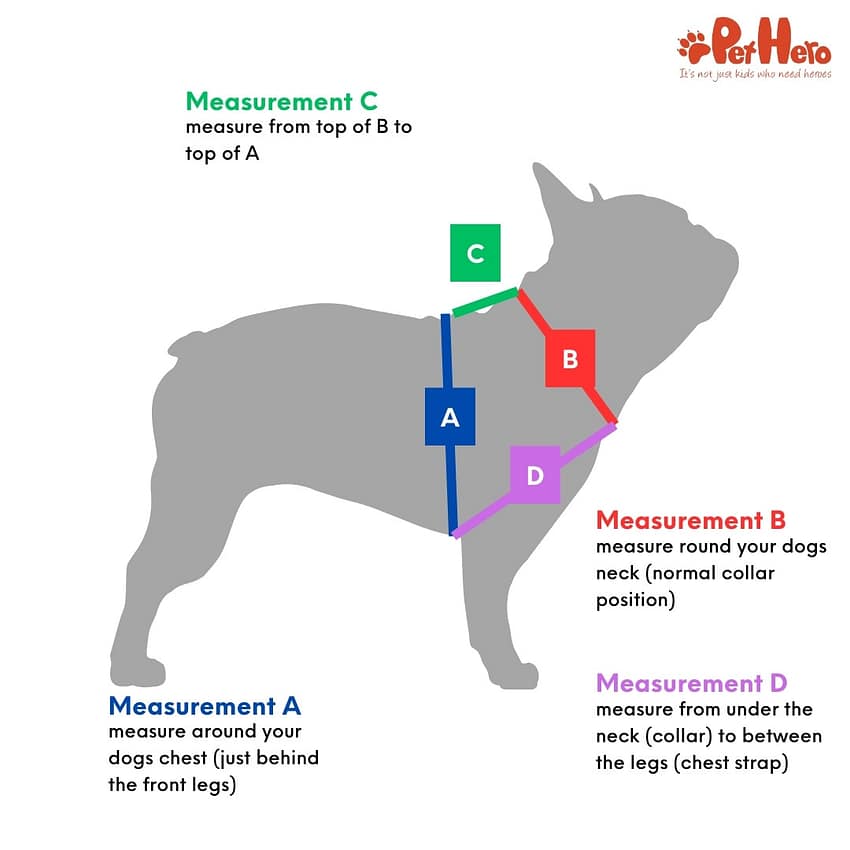
Credit: pethero.co.za
Expert Tips For Best Results
Ensuring the perfect fit for your dog’s harness isn’t just about comfort—it’s about safety and control. A well-fitted harness can prevent injuries and make walks more enjoyable for both you and your furry friend. So, how do you achieve that perfect fit? Dive into these expert tips to ensure the best results.
Consulting With Professionals
Before you measure your dog, consider reaching out to a professional. Many pet stores offer harness fitting services, and their staff are trained to guide you. They can provide invaluable advice on what style and size will suit your dog best.
If you’re unsure about measuring techniques, a vet or a professional dog trainer can offer insights. They can show you how to measure correctly and even recommend specific harness brands or models. Remember, professionals have seen it all, and their experience can save you time and frustration.
Regular Fit Checks
Dogs grow and change over time, especially puppies. Regularly check the fit of your dog’s harness to ensure it remains comfortable and secure. A good rule of thumb is to ensure you can slide two fingers between the harness and your dog’s body.
Pay attention to signs of discomfort like chafing or restricted movement. If you notice any of these signs, it might be time to adjust the straps or even consider a different size. Regular checks will not only keep your dog happy but also prolong the life of the harness.
Have you ever noticed your dog pulling more than usual? That might signal a fit issue. Regularly assessing the harness’s fit can prevent such problems and keep your walks stress-free.
Frequently Asked Questions
How To Measure Dog’s Neck For Harness?
To measure your dog’s neck, use a flexible measuring tape. Wrap it around the base of the neck where a collar would sit. Ensure it’s snug but not tight. Leave space for two fingers between the tape and neck. This ensures comfort and prevents chafing.
What Is The Best Spot To Measure Dog’s Chest?
Measure your dog’s chest at the widest part, typically behind the front legs. Use a flexible tape measure for accuracy. Ensure the tape is snug but not too tight. This spot allows for an accurate fit, ensuring the harness isn’t too tight or loose.
Why Is Girth Measurement Important For Harness?
Girth measurement is crucial for a comfortable and secure harness fit. A correct girth ensures the harness won’t slip off or cause discomfort. Measure around the widest part of your dog’s rib cage. This helps in selecting the right harness size, preventing potential escapes or chafing.
How Tight Should A Dog’s Harness Be?
A dog’s harness should be snug, allowing two fingers underneath. It shouldn’t be too tight or loose. Proper fit ensures comfort and safety during walks. Always adjust the harness to prevent chafing or slipping. Regularly check the fit, especially if your dog is growing or losing weight.
Conclusion
Choosing the right harness ensures your dog’s safety and comfort. Measure your dog correctly to avoid discomfort. A well-fitted harness helps in controlling your dog better. Measure neck, chest, and girth accurately. Use a soft measuring tape for precision. Double-check the measurements before buying.
An ill-fitting harness can cause skin irritations. Spend time getting the right fit for your dog. Your effort pays off with a happy, comfortable dog. Stay patient while measuring and fitting. Your dog deserves the best care possible. Enjoy more walks and adventures with your furry friend.