Have you ever wondered if there’s a downside to breeding dogs? You might love the idea of a cute puppy, but there are important things you need to know.
Breeding dogs isn’t just about creating adorable companions; it has a hidden side that can affect you, your pet, and the world around you. Imagine discovering that your choices could either help or harm these lovable creatures. What if your decision to get a new pet could make a big difference?
We’ll uncover the surprising reasons why breeding dogs might not be as harmless as you think. We’ll explore the impact on the dogs themselves, the potential consequences for you as an owner, and the broader effects on animal welfare. Stay with us, and you might just change the way you think about getting a new furry friend. The insights you’ll gain could transform your understanding and guide you towards making more compassionate choices. Ready to dive in? Let’s explore why breeding dogs could be bad.

Credit: www.discovermagazine.com
Ethical Concerns
Breeding dogs often leads to health problems and overpopulation. Many dogs suffer from genetic disorders due to selective breeding. Overcrowded shelters highlight the issue, as countless dogs await adoption.
Breeding dogs often raises significant ethical concerns that can leave you questioning the morality behind the practice. It’s not just about cute puppies and purebred lineage. The deeper issues lie in the way animals are treated, often prioritizing profit over their welfare. When you understand these concerns, you might find yourself rethinking the true cost of breeding.Profit Over Welfare
Breeding dogs is frequently driven by financial gain, rather than the well-being of the animals. Many breeders focus on producing specific traits to sell puppies at higher prices, sometimes compromising the health and happiness of the dogs. Imagine a breeder who churns out litters without considering genetic health issues. The puppies might look adorable, but their lives could be plagued by inherited diseases. Does profit justify such potential suffering?Exploitation Of Animals
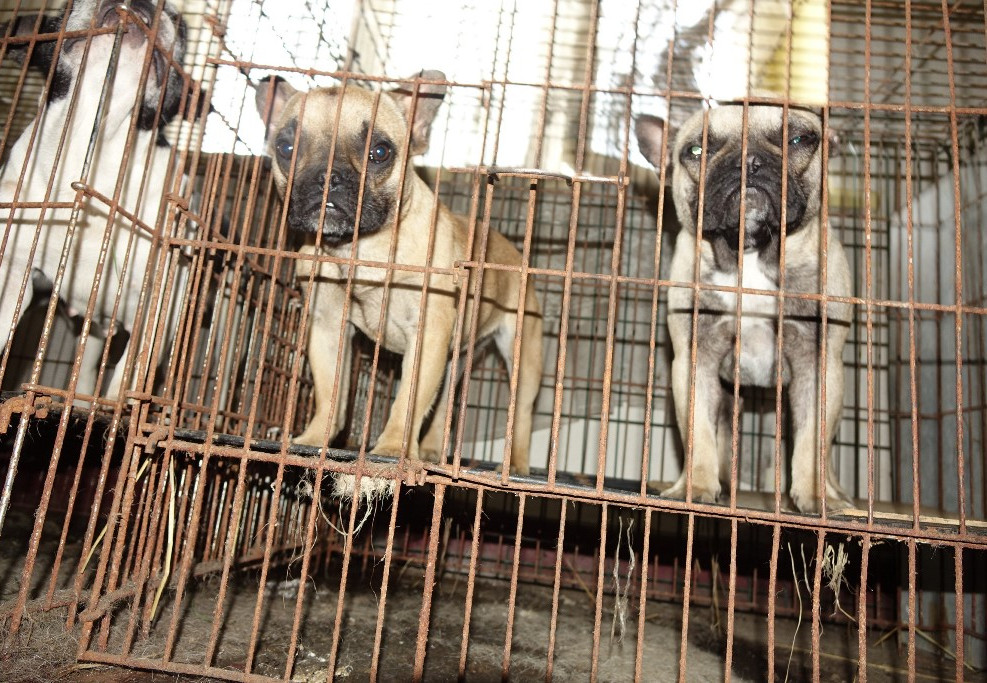
Breeding dogs can lead to exploitation, where animals are treated as commodities rather than living beings with feelings. Some breeders keep dogs in poor conditions, with minimal attention to their emotional and physical needs. Think of a dog confined to a cramped space, used solely for breeding. The lack of social interaction and exercise can cause distress. You wouldn’t want this for your pet, so why is it acceptable for breeding dogs? The ethical dilemma is clear: breeding dogs often prioritizes human desires over animal rights. As you consider the implications, ask yourself if the pursuit of purebred perfection is worth sacrificing animal welfare.
Credit: www.peta.org
Health Risks
Breeding dogs can lead to serious health risks. Many people are unaware of these dangers. Breeding often focuses on appearance, not health. This practice can cause long-term harm to dogs.
Genetic Disorders
Breeding dogs often results in genetic disorders. These disorders can affect a dog’s quality of life. Some breeds are more prone to these issues. Breeders may ignore these problems for profit.
Common genetic disorders include hip dysplasia and heart defects. These conditions cause pain and suffering. Genetic disorders can also be costly to treat. Dogs may need lifelong care and medication.
Increased Disease Susceptibility
Breeding can make dogs more susceptible to diseases. Selective breeding reduces genetic diversity. This makes dogs less resistant to illnesses. A narrow gene pool can lead to weaker immune systems.
Dogs with low genetic diversity may catch infections easily. They can suffer from skin problems and allergies. These health issues can require frequent vet visits. Owners may spend large amounts on treatments.
Overpopulation Issues
Breeding dogs can worsen overpopulation, leading to more abandoned pets. Shelters struggle with space and resources, affecting animal welfare. Prioritizing adoption reduces these challenges and saves lives.
Overpopulation Issues Dog breeding might seem like a harmless or even rewarding activity, but it contributes significantly to dog overpopulation. This issue stems from the sheer number of dogs being bred compared to those being adopted. Many potential pet owners overlook adopting from shelters, creating a ripple effect of problems.Shelter Overcrowding
Shelters are bursting at the seams with dogs of all breeds, ages, and sizes. Imagine walking into a shelter and seeing dogs cramped into small spaces, each vying for your attention. This overcrowding isn’t just about lack of space; it also means limited resources like food and medical care. Without enough room, shelters struggle to provide adequate care and attention. Dogs can become stressed and anxious in these conditions, leading to behavior issues. Have you ever considered the emotional toll this takes on the animals and the staff?High Euthanasia Rates
Overpopulation leads to a heartbreaking consequence: euthanasia. Many healthy dogs are put down simply because there’s no room or resources to care for them. It’s a sad reality that could be mitigated if breeding were more controlled. Think about the potential lives lost. Each dog euthanized is a lost opportunity for companionship and joy. Are we as a society comfortable with this level of loss when there are clear alternatives? By understanding the depth of overpopulation issues, you can make more informed choices about pet adoption. How can you help reduce these numbers? Consider adopting from a shelter or advocating for stricter breeding regulations.
Credit: bestfriends.org
Impact On Dog Behavior
Breeding dogs often focuses on physical traits, inadvertently affecting their behavior. This selective breeding can lead to various behavioral issues that make life challenging for the dogs and their owners. Understanding the impact on dog behavior is crucial if you’re considering getting a pet or already have one.
Aggression And Anxiety
Selective breeding can increase the likelihood of aggression in dogs. Breeders may focus on traits like size or coat color, neglecting the temperament of the parents. This can lead to puppies who are more prone to aggressive behavior.
Have you ever noticed a perfectly groomed dog at the park suddenly lash out? It’s often a result of underlying anxiety or fear. Breeding practices that disregard mental health can lead to dogs who are always on edge, resulting in unpredictable behavior.
Behavioral Problems
Behavioral issues like excessive barking, chewing, or digging can also stem from breeding. These actions are sometimes a dog’s way of expressing discomfort or stress related to its genetic makeup. Breeding for appearance over health and behavior can exacerbate these problems.
Consider the case of a friend who adopted a purebred dog. Despite training, the dog struggled with separation anxiety, a common issue in bred dogs. It’s a reminder that while they may look perfect, their behavior might tell a different story.
Is the aesthetic value of a dog worth the emotional turmoil they might endure due to irresponsible breeding? As a potential pet owner, it’s essential to consider both the look and the long-term well-being of your future furry friend.
Environmental Consequences
Breeding dogs has significant environmental consequences. These impacts are often overlooked but are crucial. The process demands substantial resources and generates waste. Understanding these effects can help us make more responsible choices.
Resource Consumption
Dog breeding requires a lot of resources. Breeders need space for dogs to live and play. This means land use increases. They also need food and water for every dog. This can lead to increased pressure on local resources.
Energy consumption is another concern. Heating, cooling, and lighting large facilities use much electricity. This contributes to higher carbon emissions. It impacts the environment significantly.
Waste Production
Breeding dogs generates a lot of waste. Dogs produce waste that needs proper disposal. Without proper management, it can pollute local water sources.
Breeding facilities also create waste from packaging and supplies. This adds to landfill waste and environmental degradation. Proper waste management is essential to reduce these effects.
Alternatives To Breeding
Breeding dogs often leads to overpopulation and health issues. Finding alternatives helps address these problems. Focus on humane options that support animal welfare. Consider adopting pets from shelters to give them a loving home. Encourage responsible pet ownership to ensure animals are cared for properly.
Adoption Benefits
Adoption saves lives. Many dogs in shelters need homes. They are often healthier than bred dogs. Adopting reduces the demand for breeding. It also helps control pet overpopulation. Shelter dogs are often vaccinated and spayed or neutered. This ensures fewer health issues. Adoption is often cheaper than buying a bred dog. Adopted dogs can provide companionship and love.
Promoting Responsible Pet Ownership
Responsible pet ownership is crucial. It involves caring for pets’ physical and emotional needs. Educate others about the importance of regular veterinary visits. Provide proper nutrition and exercise. Train pets to behave well. This prevents behavioral issues. Responsible ownership reduces abandonment rates. Encourage community involvement in pet welfare. Support local shelters and rescue organizations. Share information on social media to raise awareness.
Frequently Asked Questions
Why Is Breeding Dogs Harmful To Their Health?
Breeding dogs can lead to genetic disorders due to a limited gene pool. Many breeds suffer from inherited diseases, which can cause severe health issues. Overbreeding often prioritizes appearance over health, exacerbating these problems. This results in shorter lifespans and increased medical costs for dog owners.
Does Breeding Contribute To Dog Overpopulation?
Yes, breeding contributes significantly to dog overpopulation. Many breeders prioritize profit over responsible breeding practices. This leads to more dogs entering shelters, increasing euthanasia rates. Overpopulation strains resources and reduces the chances of finding homes for all dogs, leading to more abandoned and neglected animals.
Are There Ethical Concerns With Dog Breeding?
Yes, there are numerous ethical concerns with dog breeding. Many breeders prioritize profit, neglecting animal welfare. This often results in poor living conditions and health issues. Breeding also contributes to overpopulation, leading to more dogs in shelters. Ethical breeding prioritizes animal health and welfare, but it’s not always practiced.
How Does Breeding Affect Shelter Populations?
Breeding directly impacts shelter populations by increasing the number of dogs needing homes. Many bred dogs end up in shelters, contributing to overcrowding. This strains resources and reduces adoption rates for other animals. Reducing breeding can help control shelter populations and improve the welfare of all dogs.
Conclusion
Breeding dogs often leads to health problems. Many breeds suffer from genetic issues. Puppies are born with defects. Breeders focus on appearance, not health. Overpopulation is a growing concern. Shelters are packed with abandoned dogs. Adopt instead of buying. Give a homeless dog a loving home.
It’s a kind choice. A smart decision for pet lovers. You help reduce animal suffering. Support ethical pet practices. Choose compassion over profit. Make a difference in a dog’s life. Let’s create a better world for our furry friends.


