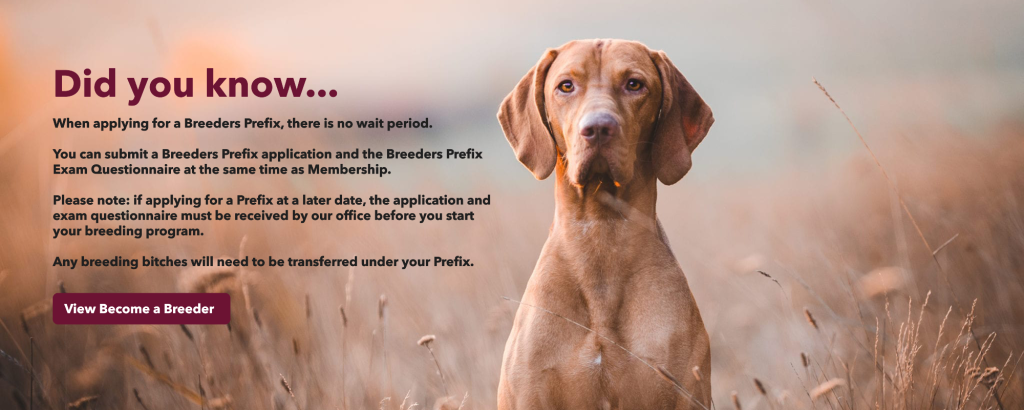
If you’ve ever looked into the eyes of a playful puppy and felt a spark of joy, you might have wondered what it takes to become a breeder of dogs. This path is not just about having a love for furry companions; it’s about understanding their needs, ensuring their health, and contributing to the continuation of beloved breeds.
Imagine the satisfaction of watching a litter of pups grow, knowing you played a critical role in their journey to loving homes. But where do you begin? The process might seem overwhelming, but breaking it down into simple, manageable steps can make it not only achievable but truly rewarding.
Whether you’re driven by passion or looking to turn your love of dogs into a fulfilling profession, knowing the ins and outs of responsible dog breeding is essential. Are you ready to learn what it takes to become a successful dog breeder and make a positive impact in the world of pets? Let’s dive into the essentials that will set you on the right path.
Choosing The Right Breed
Selecting the right breed is crucial for aspiring dog breeders. Consider the breed’s temperament, size, and care needs. Research thoroughly to ensure the chosen breed aligns with your lifestyle and breeding goals.
Choosing the right breed is a crucial step in your journey to becoming a successful dog breeder. It’s not just about picking a breed that looks cute or is popular at the moment. The right breed should align with your lifestyle, goals, and resources. Let’s dive into how you can make an informed decision.Evaluating Personal Preferences
Before you can decide on a breed, consider your own preferences and lifestyle. Do you prefer a small, energetic dog or a large, calm one? Think about your living space; an apartment might not be suitable for a high-energy breed that needs a lot of room to run. Spend time with different breeds to see what fits you best. Visit dog shows, shelters, or breeders to get firsthand experience. This will give you a clearer picture of what you can handle and enjoy.Understanding Breed Characteristics
Each breed comes with its own set of characteristics, like temperament, exercise needs, and grooming requirements. A Border Collie, for example, is highly intelligent and needs plenty of mental and physical stimulation. On the other hand, a Bulldog is more laid-back but may come with specific health considerations. Research the health issues, lifespan, and common behaviors of the breed you’re interested in. Knowing these details can help you prepare for the responsibilities involved.Researching Popular Breeds
Researching popular breeds can give you insights into market demand, but don’t let popularity be your only guide. Look into why certain breeds are favored and if they align with your breeding goals. Are you interested in breeding for family pets, show dogs, or working companions? Check forums, breed clubs, and online communities for discussions about popular breeds. Engaging with these communities can offer valuable insights and help you avoid common pitfalls. Choosing the right breed is not just a decision; it’s the foundation of your breeding career. Take the time to evaluate, understand, and research thoroughly. What breed will you choose to shape your future as a breeder?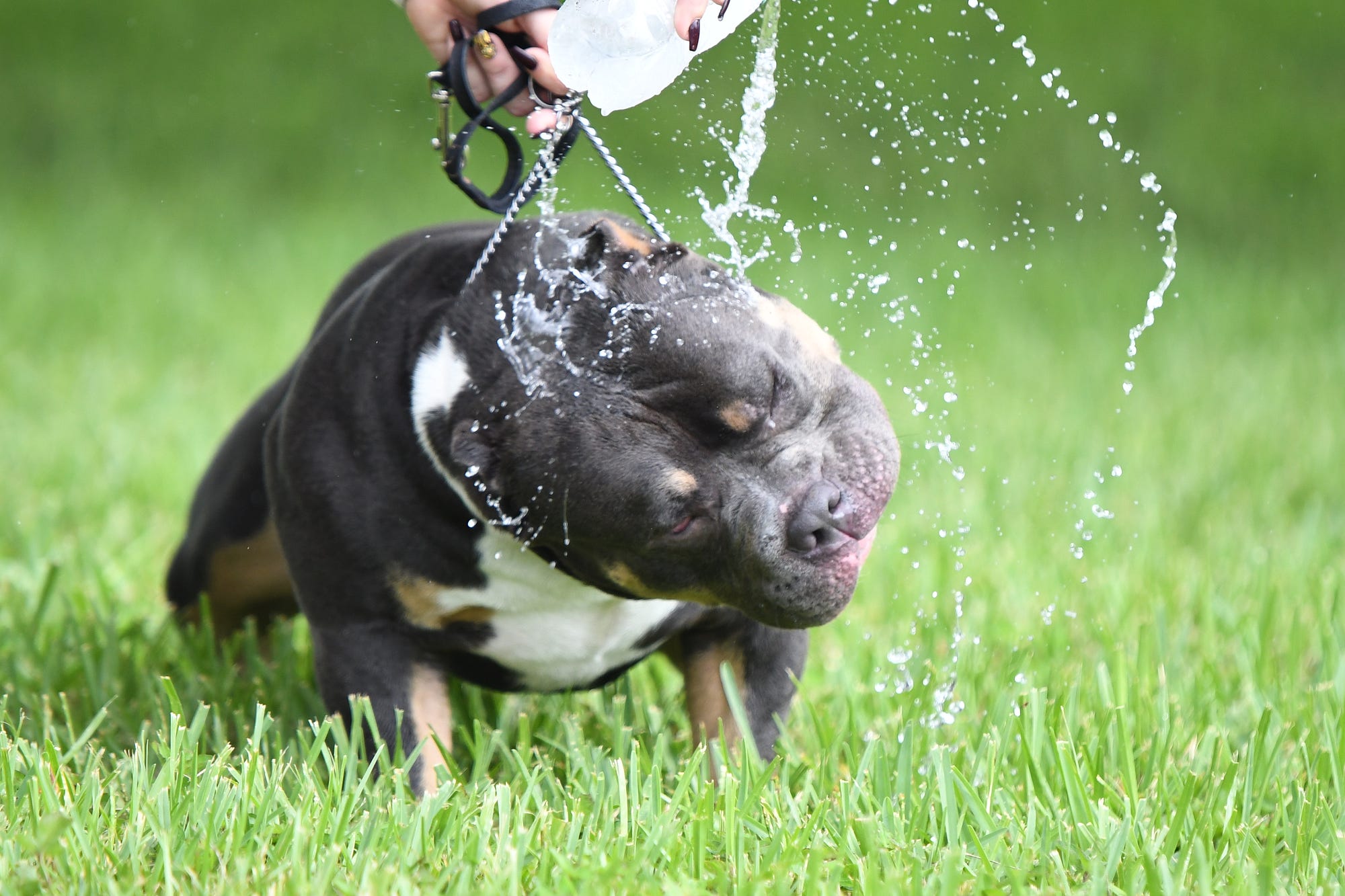
Credit: medium.com
Legal Considerations
Becoming a dog breeder involves understanding the law. Legal considerations are crucial to avoid penalties. You must know the rules in your area. This ensures responsible breeding and the welfare of dogs.
Understanding Breeding Regulations
Each region has specific rules for dog breeding. Research local laws thoroughly. Some areas have strict animal welfare laws. You may need to follow guidelines on breeding practices. Make sure you understand health checks and care standards. This ensures all dogs are treated well.
Registering As A Breeder
Registering is often mandatory for breeders. This can be a safeguard for quality and ethics. Check with local authorities for registration requirements. Sometimes, you need to provide proof of experience. Registration can protect your reputation. It shows you meet the standards set by the industry.
Obtaining Necessary Permits
Permits are essential for legal breeding operations. You might need a permit for a breeding facility. Some areas require additional health and safety permits. Contact your local government to learn about specific permits. Having the right permits ensures compliance with the law. This can prevent legal issues down the line.
Setting Up Breeding Facilities
Creating dog breeding facilities requires careful planning. Ensure a safe, clean environment for dogs. Arrange separate areas for puppies and adult dogs to maintain health and safety.
Setting up breeding facilities is a crucial step in your journey to becoming a successful dog breeder. This process requires thoughtful planning and a keen eye for detail. A well-designed facility ensures the health and happiness of your dogs while optimizing your breeding operations. Let’s dive into the essentials of designing kennel space, ensuring safety and comfort, and investing in equipment.Designing Kennel Space
Creating the perfect kennel space begins with understanding the needs of your dogs. Each breed has specific requirements for space and activity. Consider these needs when planning the layout. Think about the flow of movement within the kennel. You want your dogs to feel free yet secure, with easy access to outdoor areas for exercise. Incorporating areas for social interaction is vital. Dogs are social animals and thrive in environments where they can interact with other dogs and humans. How will you ensure your kennel space promotes these interactions?Ensuring Safety And Comfort
Safety should be at the forefront of your facility design. Secure fencing and gates are non-negotiable to prevent escapes and intrusions. Comfort is equally important. Climate control systems, such as heating and cooling, ensure your dogs remain comfortable year-round. Have you considered how you’ll keep your dogs cool during the summer heat? A clean environment minimizes health risks. Implement a regular cleaning schedule using pet-safe products to maintain hygiene standards.Investing In Equipment
Equipping your breeding facility with the right tools can make all the difference. Durable food and water bowls are essential, as well as cleaning supplies for daily maintenance. Invest in quality bedding materials that provide comfort and warmth. An uncomfortable dog is an unhappy dog, and this can impact breeding success. Consider technology investments like surveillance cameras. These not only enhance security but also allow you to monitor the well-being of your dogs remotely. In what ways can investing in the right equipment streamline your breeding operations and improve the welfare of your dogs?Learning Canine Genetics
Understanding canine genetics is crucial for successful dog breeding. Breeders must know how traits are passed down. This knowledge helps in selecting healthy breeding pairs and avoiding genetic disorders. Learning genetics enhances the quality of the breed and ensures the well-being of the dogs.
Understanding Heredity
Heredity involves the transmission of traits from parents to offspring. Breeders should understand dominant and recessive genes. Dominant genes often mask the presence of recessive ones. Knowing this helps predict the traits puppies might inherit. It’s important to keep records of the dogs’ lineage. This provides insight into potential genetic issues or strengths.
Selecting Breeding Pairs
Selecting the right breeding pairs is crucial. Breeders should evaluate the health and temperament of each dog. Genetic testing can reveal potential health risks. This ensures only healthy traits are passed on. Pairing dogs with complementary traits can enhance desired qualities. It’s important to consider both physical traits and behavior.
Preventing Genetic Disorders
Preventing genetic disorders is vital in dog breeding. Regular health checks and genetic tests can identify risks early. Breeders should avoid pairing dogs with known genetic issues. Careful selection minimizes the chance of disorders in puppies. Keeping detailed records helps track genetic health over generations. This ensures a healthier breed and reduces health problems.
Health Care And Nutrition
Becoming a dog breeder involves understanding canine health and nutrition. Ensuring proper diet and care is essential for healthy puppies. Learn the basics of breed-specific needs and maintain regular vet check-ups.
Ensuring the well-being of your dogs is a cornerstone of becoming a successful breeder. Health care and nutrition play a pivotal role in this journey. They directly affect the quality of life and longevity of your dogs. Let’s explore how you can provide the best care for your furry friends, starting with veterinary care, crafting the perfect diet, and managing any special health requirements.Providing Veterinary Care
Regular veterinary visits are essential for maintaining your dog’s health. Scheduling routine check-ups helps in early detection of any health issues. Always be proactive and keep an open line of communication with your vet. Vaccinations and deworming should be part of your regimen. They protect your dogs from common diseases and parasites. Keep a detailed record of all veterinary visits and treatments.Designing Diet Plans
A balanced diet is crucial for a dog’s health. Consult with a vet to create a diet plan tailored to your breed’s specific needs. High-quality proteins, healthy fats, and essential vitamins should be a part of their daily intake. Consider age, size, and activity level when choosing food. Puppies, adults, and senior dogs have different nutritional requirements. Regularly assess your dog’s condition and adjust their diet as needed.Managing Special Health Needs
Some breeds are prone to specific health issues. Research your breed thoroughly to understand these conditions. Early intervention can mitigate potential problems. If your dog has a health condition, work closely with your vet to manage it. Customized care plans may include special diets, medications, or therapies. Always stay informed and prepared to adapt as necessary. Taking these steps can ensure that your dogs remain healthy and happy. Are you ready to give your dogs the care they deserve?
Credit: m.facebook.com
Training And Socialization
Training and socialization are essential for becoming a successful dog breeder. Proper training ensures healthy, well-behaved puppies. Socializing dogs from an early age helps them adapt to various environments.
Training and socialization are crucial for any aspiring dog breeder. These elements shape a dog’s behavior, making them well-adjusted companions. Proper training and socialization ensure the puppies grow into friendly, obedient dogs. A strong foundation in these areas enhances the puppies’ chances of thriving in their new homes.Early Training Techniques
Start training puppies from a young age. Simple commands like “sit” and “stay” are essential. Use positive reinforcement to encourage good behavior. Consistent training sessions build trust between you and the puppies. Short, frequent sessions work best for young dogs. Patience and repetition are key to success.Encouraging Social Behavior
Expose puppies to various people and environments. This helps them become comfortable and confident. Socialization reduces fear and aggression in adult dogs. Introduce them to different sounds and smells. Encourage playtime with other dogs. This fosters positive interactions and friendships.Preparing Puppies For New Homes
Prepare puppies for their future homes by teaching basic house manners. Crate training helps them feel secure and comfortable. Gradually introduce them to car rides. This reduces stress during travel to their new homes. Provide a routine that mimics a family environment. This eases their transition to a new home.Marketing And Sales
Becoming a dog breeder requires passion and knowledge. Start by choosing a breed and understanding their needs. Building a reputation involves responsible breeding practices and dedication to health standards.
Marketing and sales are crucial for a successful dog breeding business. Building a strong brand and reaching potential buyers are key. Effective marketing strategies can make a difference in attracting the right clients.Creating An Online Presence
A strong online presence is vital for breeders. Start by creating a professional website. Ensure it showcases your dogs and breeding standards. Include high-quality images and detailed descriptions. Use social media platforms to connect with potential buyers. Share engaging content regularly. Consider blogs or videos about dog care tips. Optimize all content for search engines using relevant keywords. This helps improve visibility and reach.Building Client Relationships
Trust is essential in the breeding business. Engage with clients openly and honestly. Respond promptly to inquiries. Personalize communication to build rapport. Offer insights about the breed and care tips. Regular updates about the puppies’ growth can build excitement. Encourage clients to share their experiences. Positive testimonials can enhance your reputation. Consider hosting events or meet-ups for dog lovers.Managing Sales Transactions
Organize your sales process for efficiency. Clearly outline terms and conditions on your website. Use secure payment methods to protect transactions. Provide detailed contracts covering health guarantees and return policies. Keep records of all transactions for transparency. Follow up with clients after the sale. Ensure they are satisfied with their new pet. This could lead to referrals and repeat business.
Credit: www.aces-upakitas.com
Ethical Breeding Practices
Aspiring dog breeders should prioritize ethical practices. Focus on the health and temperament of both parents. Ensure proper care and socialization for puppies.
Ethical breeding practices are the cornerstone of responsible dog breeding. These practices ensure that the welfare of the dogs is prioritized and that future pet owners are well-informed. By adhering to ethical standards, breeders contribute to the health and happiness of dogs and foster trust with buyers. Let’s explore what it means to be an ethical breeder.Prioritizing Animal Welfare
As a breeder, your primary responsibility is to the animals in your care. Prioritize their well-being by providing a clean, safe, and loving environment. Regular veterinary check-ups, proper nutrition, and ample exercise are essential. Consider the genetic health of your breeding dogs. Conduct health screenings for hereditary conditions. This minimizes the risk of passing on genetic disorders to the puppies. Ask yourself: Are you prepared to make a long-term commitment to every dog you breed? Ethical breeding means being ready to care for them, even if they don’t sell immediately.Educating Buyers
Educating potential buyers is crucial in ethical breeding. Share detailed information about the breed, including temperament, exercise needs, and potential health issues. This helps buyers make informed decisions. Provide resources for new owners, like training guides or vet recommendations. Your guidance can make the transition smoother for both the puppy and the owner. Think about it: Are you equipping your buyers to be responsible pet parents? Your role doesn’t end with the sale; it continues as a resource for their journey.Ensuring Responsible Breeding
Responsible breeding involves careful planning and consideration. Maintain detailed records of your breeding program, including lineage and health histories. This transparency builds trust with buyers and fellow breeders. Limit the number of litters your dogs produce. Overbreeding can lead to health issues and diminish the quality of care each dog receives. Reflect on your goals: Are you breeding to improve the breed standard, or are other motivations at play? Ethical breeding always focuses on the betterment of the breed. By embodying these ethical breeding practices, you not only contribute to the well-being of dogs but also build a reputation of integrity and care.Frequently Asked Questions
What Qualifications Do I Need To Breed Dogs?
To become a dog breeder, you need knowledge of breeding practices, dog genetics, and health care. No formal qualifications are required, but training in animal husbandry or veterinary science can be beneficial. It’s essential to understand breed standards and responsible breeding ethics to ensure healthy and well-tempered puppies.
How Much Does It Cost To Start Dog Breeding?
Starting a dog breeding business involves significant costs, including purchasing high-quality breeding dogs, health screenings, and veterinary care. Costs can range from a few thousand to tens of thousands of dollars, depending on the breed and scale. It’s important to budget for ongoing expenses like food, marketing, and facility maintenance.
What Are The Legal Requirements For Breeding Dogs?
Legal requirements for dog breeding vary by location. Generally, you need a kennel license if breeding multiple litters yearly. Compliance with animal welfare standards is crucial. Research local regulations to ensure you meet all legal obligations. Consulting with a lawyer familiar with animal law can provide clarity on specific requirements.
How Do I Choose The Right Dog Breeds To Breed?
Choosing the right breeds involves considering market demand, your personal interest, and breed-specific challenges. Research breeds’ health issues, temperament, and care needs. Speak with experienced breeders for insights. Select breeds that align with your lifestyle and resources, ensuring you can meet their specific needs and maintain their welfare.
Conclusion
Becoming a dog breeder requires dedication and love for animals. Start by researching dog breeds. Understand their needs and characteristics. Focus on creating a safe, healthy environment. Proper nutrition and care are essential. Build a relationship with a trusted vet.
Stay informed about breeding regulations. Join local breeder communities for support. Training and socializing puppies are crucial steps. Always prioritize the well-being of your dogs. Ethical breeding practices lead to happy, healthy puppies. This journey is rewarding but requires responsibility.
Your passion for dogs drives success. Every step counts in this fulfilling path.


