Have you ever dreamed of owning a dog but worry about allergies? You’re not alone.
Many people face the same challenge. The good news is that there are dog breeds considered hypoallergenic. This means they are less likely to trigger allergic reactions, making it possible for you to enjoy the companionship of a furry friend without the sneezes and sniffles.
Imagine coming home to a wagging tail and a loving gaze, without the fear of allergies. Intrigued? By exploring which dog breeds are hypoallergenic, you can open the door to a new, joyful chapter in your life. This article will guide you through the top breeds known for their low-allergen coats, and may just lead you to your perfect match. Stay with us, and discover a world where you and your allergies can coexist peacefully with a new best friend.
What Makes A Dog Hypoallergenic
Dog breeds considered hypoallergenic produce fewer allergens. They shed less fur and skin cells, reducing allergic reactions. Examples include Poodles, Bichon Frises, and Maltese.
Understanding what makes a dog hypoallergenic can be the first step to finding the perfect pet for those prone to allergies. Hypoallergenic dogs are breeds that are less likely to cause allergic reactions. While no dog is completely hypoallergenic, these breeds produce fewer allergens, making them a better fit for allergy sufferers.Understanding Allergens In Dogs
Dog allergens are primarily found in saliva, dander, and urine. When dogs lick themselves, the saliva dries and turns into microscopic particles that can spread through the air. Breeds considered hypoallergenic typically produce less saliva or dander, which reduces the spread of these particles.Role Of Dog Fur And Shedding
Hypoallergenic dogs often have hair instead of fur, which grows continuously and falls out less often. This means they shed less, so fewer allergens are released into the environment. This characteristic can be a game-changer for those who love dogs but dread the thought of constant sneezing.Importance Of Regular Grooming
Regular grooming plays a crucial role in managing allergies. Consistent brushing and bathing help control the buildup of dander and loose hair. I remember a friend who was allergic but kept a Poodle; she swore by her weekly grooming routine that kept her symptoms at bay.Size And Its Impact On Allergens
Smaller dogs generally produce fewer allergens simply due to their size. A smaller body means less skin and saliva, thus potentially fewer allergens. If you’re considering a hypoallergenic breed, perhaps start by looking at smaller-sized options.Personal Experience With Hypoallergenic Breeds
Choosing a hypoallergenic breed can transform your interaction with pets. My cousin, who has allergies, adopted a Bichon Frise and noticed a significant reduction in her symptoms. This experience opened her world to the joys of pet ownership without the constant discomfort. Could a hypoallergenic dog be the solution you’ve been searching for? Understanding the factors that contribute to a dog’s hypoallergenic nature can help you make an informed choice, ensuring a happier and healthier coexistence with your furry friend.Benefits Of Hypoallergenic Dogs
Hypoallergenic dogs are ideal for allergy sufferers. Breeds like Poodles and Bichon Frises produce fewer allergens. Their unique coats reduce shedding and dander, making life easier for sensitive individuals.
When choosing a furry friend, allergies might seem like a frustrating barrier. Hypoallergenic dogs can be a game-changer for allergy sufferers. These breeds produce fewer allergens, making it possible for you to enjoy the companionship of a dog without the constant sneezing and itching. But what exactly are the benefits of hypoallergenic dogs? Let’s dive into how these special breeds can improve your life.Reduced Allergic Reactions
Having a hypoallergenic dog means fewer allergy attacks. You’ll notice less sneezing, itchy eyes, and nasal congestion. This can lead to a more comfortable and enjoyable experience with your pet. Imagine spending time with your dog without constantly reaching for tissues.Improved Air Quality
Hypoallergenic dogs often shed less, which can improve the air quality in your home. Less hair and dander mean fewer particles floating around. This is particularly beneficial if you have asthma or respiratory issues. You might find your home feels fresher and cleaner.More Breeds To Choose From
Hypoallergenic dogs come in various breeds and sizes. From the playful Poodle to the gentle Bichon Frise, there’s a hypoallergenic breed that fits your lifestyle. This variety means you don’t have to compromise on your preferences due to allergies. Have you considered which breed matches your personality best?Easier Cleaning And Maintenance
With less shedding, you’ll spend less time cleaning up dog hair. This can free up hours each week for other activities. Plus, your vacuum cleaner might finally get a break! Are you ready to enjoy a tidier living space?Enhanced Social Life
Owning a hypoallergenic dog can open doors to social opportunities. You can join dog parks, clubs, and events without fearing allergic reactions. This can lead to new friendships and experiences. How would you like to expand your social circle through your pet? Choosing a hypoallergenic dog can transform your daily life in surprising ways. With fewer allergies, better air quality, and more breed options, the benefits are clear. Have you considered how a hypoallergenic dog could fit into your life?Popular Hypoallergenic Breeds
Seeking a furry friend without the sneeze? Explore hypoallergenic dog breeds like Poodles, Schnauzers, and Bichon Frises. These breeds often produce fewer allergens, making them ideal for allergy sufferers.
Are you considering adding a furry friend to your family but are worried about allergies? You’re not alone. Many dog lovers face the same challenge. Fortunately, some breeds are less likely to trigger allergic reactions. These hypoallergenic breeds can offer the joy of companionship without the sneezes.Poodle
Poodles are a top choice for allergy sufferers. Their curly coat traps dander and prevents it from spreading. Whether you choose a standard, miniature, or toy poodle, they require regular grooming. But the effort pays off with a smart and friendly companion.Bichon Frise
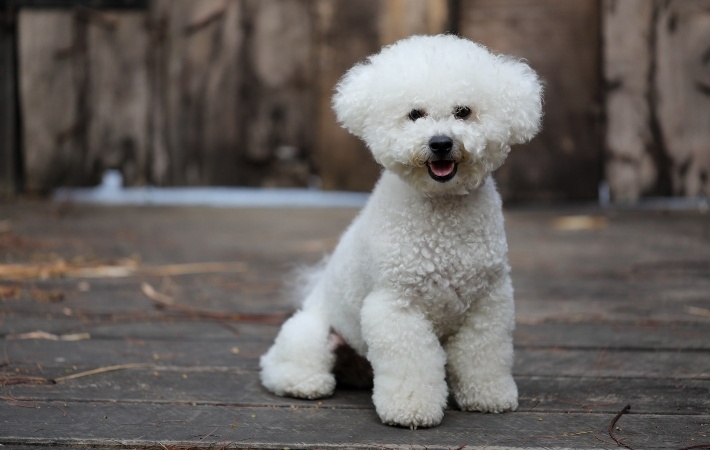
The Bichon Frise is known for its cheerful disposition and hypoallergenic coat. Their soft, curly hair doesn’t shed much, reducing allergens in your home. Regular baths and grooming sessions keep their coat in top shape. Imagine the joy of coming home to this little bundle of happiness!Portuguese Water Dog
These dogs are not just famous because of a former US President. Portuguese Water Dogs are energetic, intelligent, and have a curly coat that minimizes shedding. Perfect for active families, they love water activities. Could this be your next adventure buddy?Schnauzer
Schnauzers come in three sizes: giant, standard, and miniature. They all share a wiry coat that traps dander, making them a hypoallergenic option. Known for their distinctive beard and eyebrows, they are also alert and protective. Wouldn’t you feel safer with a Schnauzer by your side?Soft Coated Wheaten Terrier
These terriers are known for their silky, wavy coat that sheds minimally. Their friendly and playful nature makes them great family pets. Regular grooming helps keep their hair tangle-free. Picture the fun of brushing that soft coat on a lazy afternoon! Choosing the right breed can make a big difference in how you live with your allergies. If you’ve ever wondered which dog could be your perfect match, now you know some options that might just fit the bill. Which hypoallergenic breed has caught your eye?
Credit: www.hideandscentpets.com
Factors Affecting Allergen Levels
Allergen levels in dogs can vary due to factors like dander production and saliva. Certain breeds, like Poodles and Bichon Frises, produce fewer allergens. Proper grooming and cleaning can also help manage allergens in homes.
Understanding which dog breeds are hypoallergenic involves diving into the factors that influence allergen levels. These factors are not as straightforward as simply picking a breed with less fur. Instead, they encompass various elements like coat type, saliva, and dander. Each of these can play a significant role in how a dog might affect those with allergies.Coat Type
The type of coat a dog has can significantly affect allergen levels. Dogs with curly or tightly woven coats, like Poodles or Bichon Frises, often trap dander and hair within their fur. This can prevent these allergens from spreading throughout your home. However, regular grooming is crucial. Even these coats can release allergens if not properly maintained. Imagine your dog as a living air filter; the cleaner you keep it, the fewer allergens escape.Saliva And Dander
Saliva is another major source of allergens. Some people may not realize that proteins found in a dog’s saliva can trigger allergic reactions. When dogs groom themselves, these proteins can transfer to their fur and then into the air as dander. Breeds known for drooling, like Saint Bernards, may pose a higher risk for those sensitive to saliva allergens. Conversely, breeds like Basenjis, which are known for their minimal grooming habits, could be less problematic. Have you ever noticed how some dogs seem to make you sneeze more than others? It’s often not just about the hair; it’s about how much saliva and dander they leave behind. Regular cleaning and choosing the right breed can make a world of difference.Care Tips For Hypoallergenic Dogs
Caring for hypoallergenic dogs requires a bit of special attention to ensure they remain happy and healthy. These dogs are often chosen by people with allergies due to their lower levels of allergens. While they might be easier on your sinuses, they still demand the same love and care as any other pet. Understanding their specific needs can help you create a comfortable environment for them while keeping allergies at bay.
Grooming
Regular grooming is essential for hypoallergenic dogs. Frequent brushing helps remove loose hair and dander, minimizing allergens in your home. Consider using a brush designed for your dog’s coat type—whether it’s curly, straight, or wiry.
Bathing your dog once a month can also aid in reducing allergens. Use a mild, hypoallergenic shampoo to prevent skin irritation. If you’re unsure which products to choose, consulting your vet can provide you with reliable options.
Diet And Health
Maintaining a balanced diet is crucial for the health of hypoallergenic dogs. Proper nutrition supports their immune system and keeps their skin healthy, reducing dander production. Look for high-quality dog food that lists meat as the first ingredient and avoid fillers like corn and wheat.
Regular vet check-ups are a must. They can spot any underlying health issues early and suggest dietary adjustments if needed. You might be surprised how much a simple change in diet can improve your dog’s overall well-being.
Choosing The Right Hypoallergenic Breed
Choosing the Right Hypoallergenic Breed Many dog breeds are hypoallergenic, perfect for allergy sufferers. Breeds like the Poodle, Bichon Frise, and Maltese produce fewer allergens. These dogs have coats that trap dander, reducing allergic reactions.
Choosing the right hypoallergenic breed can transform your home into a haven for both you and your furry companion. Whether it’s sneezing fits or itchy eyes, allergies can make pet ownership challenging. But with the right breed, you’ll enjoy the joys of pet companionship without the sniffles. Let’s explore how to match your needs with the perfect hypoallergenic dog.Lifestyle Considerations
Your lifestyle plays a crucial role in determining the best hypoallergenic breed for you. Are you an active adventurer, always on the move? Consider a breed that thrives on exercise, like the Poodle or the Portuguese Water Dog. These dogs love outdoor activities and will keep you company during your morning jogs. If you’re more of a homebody, breeds like the Bichon Frise or the Maltese might suit you better. They’re content with indoor play and lounging around, making them perfect for cozy afternoons at home. Think about your home environment, too. Do you live in a spacious house or a compact apartment? Smaller breeds adapt well to limited space, while larger dogs need room to roam.Family Needs
Your family’s needs are another crucial factor. If you have young children, you’ll want a dog that’s gentle and patient. Breeds such as the Soft Coated Wheaten Terrier and Labradoodle are known for their friendly nature and adaptability with kids. Do you have other pets? Some hypoallergenic breeds are more social and get along well with other animals. The American Hairless Terrier, for instance, is known for its friendly demeanor towards other pets. Consider allergies within the family. While hypoallergenic breeds reduce allergens, they aren’t entirely allergen-free. It’s wise to spend time with the breed before making a decision to ensure everyone’s comfort. Choosing the right dog is a journey of matching personalities and needs. Are you ready to find your perfect hypoallergenic match?Debunking Myths About Hypoallergenic Dogs
Many believe certain dog breeds are completely hypoallergenic, but this is not entirely true. Some breeds like Poodles and Schnauzers produce fewer allergens, making them a better choice for allergy sufferers. Understanding specific dog breeds and their allergen levels can help in choosing the right pet.
Debunking myths about hypoallergenic dogs is crucial for potential dog owners. Many believe hypoallergenic breeds never cause allergies. This is not entirely true. Understanding these misconceptions helps in making informed choices.What Does Hypoallergenic Really Mean?
The term “hypoallergenic” can be misleading. No dog is completely allergen-free. Some breeds produce fewer allergens. This reduces the risk of allergic reactions.Allergens Aren’t Just In Dog Hair
Many think dog hair causes allergies. In reality, dander, saliva, and urine are the culprits. These proteins trigger allergic reactions. Cleaning hair won’t eliminate allergens entirely.Size And Shedding Do Not Equal Hypoallergenic
Small dogs aren’t automatically hypoallergenic. Neither are dogs that shed less. Allergens depend on the breed’s protein production, not size or shedding.No Dog Breed Is Allergen-free
Even hypoallergenic breeds produce some allergens. Allergy sufferers might have mild reactions. Always spend time with a breed before adopting. Test reactions over a period.Managing Allergies With A Hypoallergenic Dog
Having a hypoallergenic dog requires extra care. Regular grooming and cleaning help reduce allergens. Using air purifiers can also make a difference.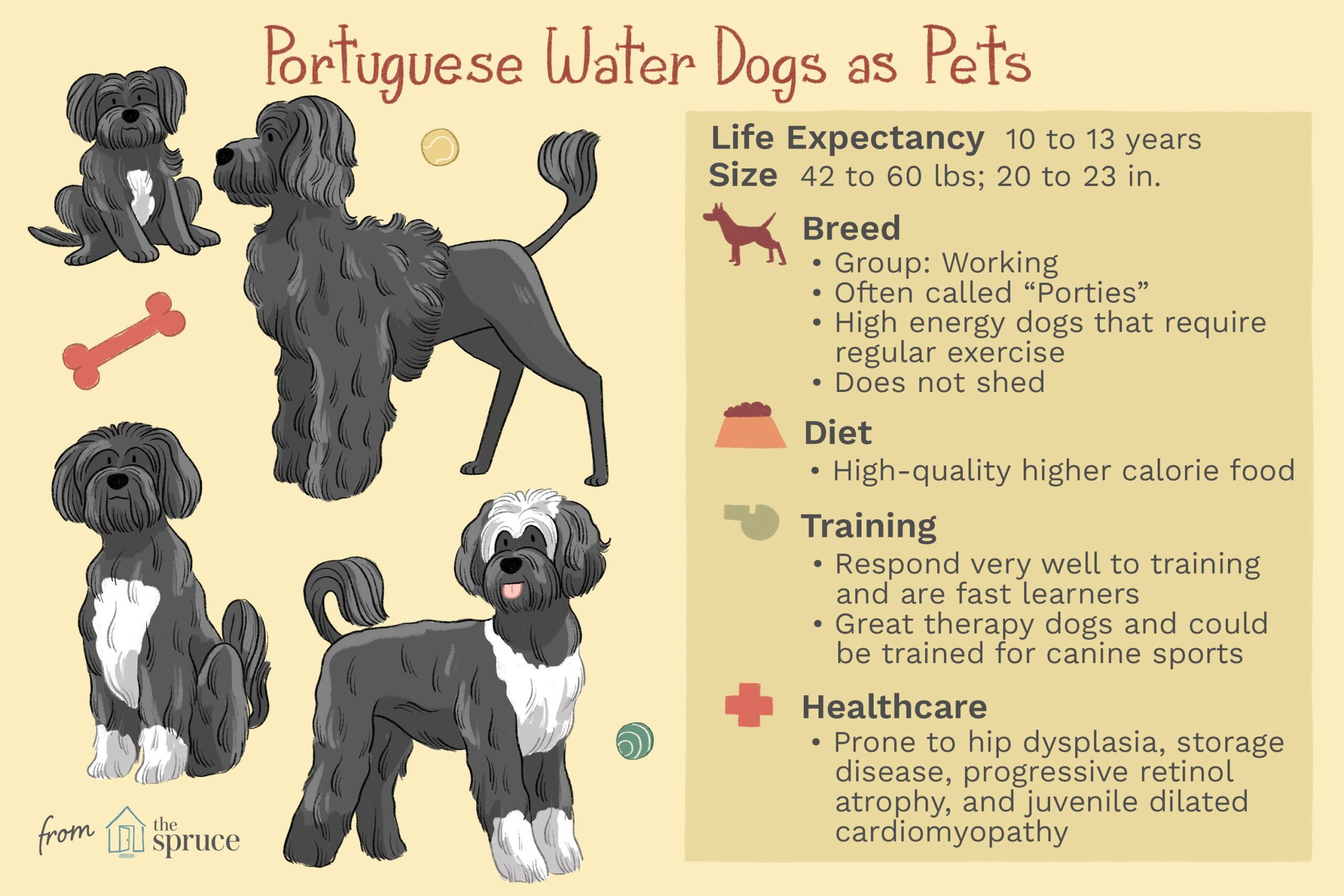
Credit: suburban-k9.com
Credit: medium.com
Frequently Asked Questions
What Does Hypoallergenic Mean For Dogs?
Hypoallergenic dogs produce fewer allergens than other breeds. They are less likely to trigger allergic reactions. Allergens are usually found in dog saliva, skin, and dander. While no dog is completely allergy-free, hypoallergenic breeds can be more tolerable for allergy sufferers.
Are Hypoallergenic Dogs Completely Allergy-free?
No, hypoallergenic dogs are not completely allergy-free. They produce fewer allergens, making them more suitable for people with allergies. Allergens can still be present in a dog’s saliva, skin, or fur. It’s essential to spend time with a breed to see if you react.
Which Small Dog Breeds Are Hypoallergenic?
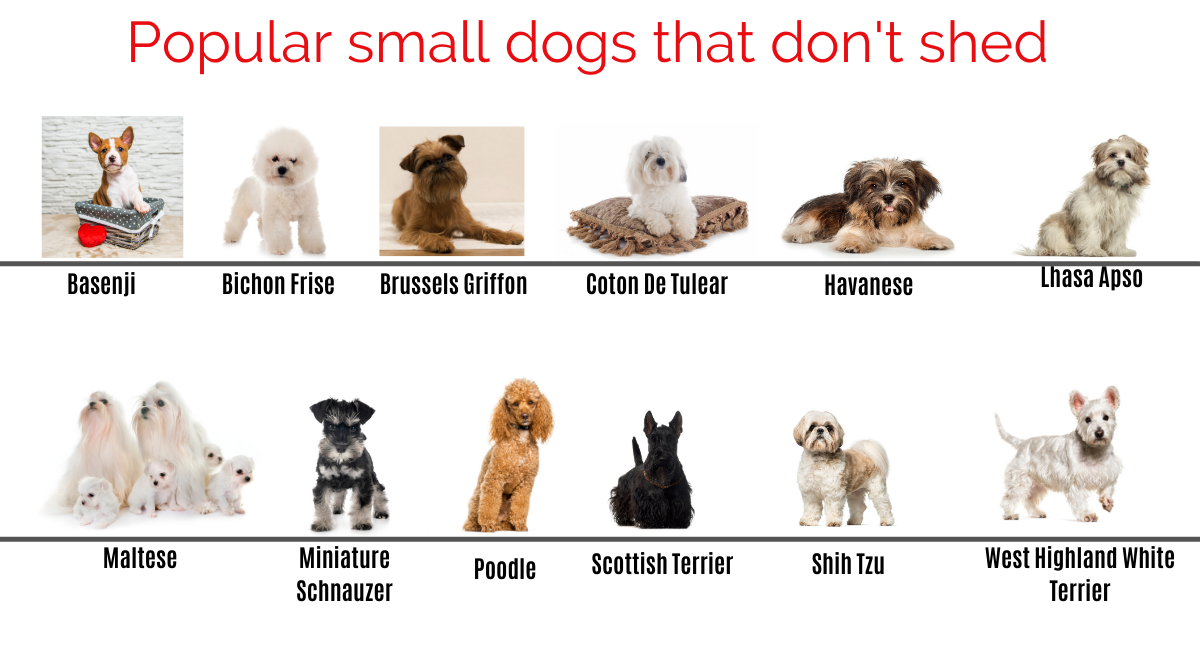
Several small hypoallergenic dog breeds exist, including Poodles, Bichon Frises, and Maltese. These breeds are known for their minimal shedding and lower allergen production. They are popular choices for allergy sufferers seeking smaller companions.
Do Hypoallergenic Dogs Need Special Grooming?
Yes, hypoallergenic dogs often require regular grooming. This helps manage their coat and reduce allergen buildup. Regular grooming can include brushing, bathing, and professional trimming. Proper grooming can contribute to the health of the dog and comfort of the allergy sufferer.
Conclusion
Choosing a hypoallergenic dog breed can ease allergy symptoms. Dogs like Poodles, Schnauzers, and Maltese shed less. This means fewer allergens in your home. Regular grooming helps too. It keeps their coat clean and reduces allergens. Remember, no dog is completely allergen-free.
Spend time with the breed before deciding. See how your allergies react. It’s important to find a breed that suits your lifestyle. A hypoallergenic dog can bring joy without compromising your health. Consider your options carefully. Your perfect furry friend awaits!


