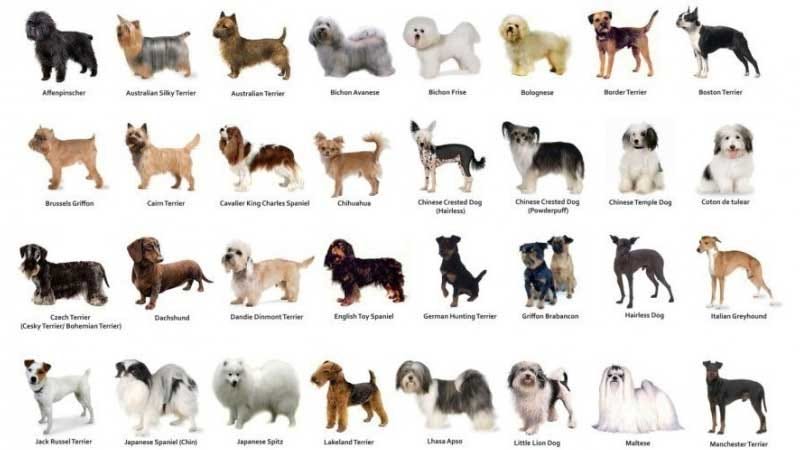
Have you ever wondered if all dog breeds belong to the same species? This question might have crossed your mind, especially when you see a massive Great Dane next to a tiny Chihuahua.
It’s fascinating how these incredibly diverse creatures can all be classified under one species. But what does that really mean for you and your furry friend? Understanding this can deepen your bond with your pet and make you an even more informed dog owner.
Imagine having the power to decode why your dog behaves the way they do, or why they have certain health needs. By diving into the science of dog breeds and species, you can unlock secrets that can improve your dog’s life and even enhance your relationship with them. You won’t want to miss the insights and surprising facts that will follow. Ready to discover the incredible world of canine diversity? Let’s explore if all dog breeds are indeed the same species, and what it truly means for you and your loyal companion.
Canine Genetic Origins
Understanding the genetic origins of dogs can offer fascinating insights into why all dog breeds, despite their vast differences, belong to the same species. From the towering Great Dane to the tiny Chihuahua, their varied looks and behaviors stem from a shared ancestry. Let’s dive into the evolutionary journey of our canine companions.
Evolutionary Roots
Dogs share a common ancestor with wolves, dating back thousands of years. Over time, natural selection and adaptation led to the emergence of distinct characteristics in different environments. Imagine how a Siberian Husky’s thick fur evolved to withstand freezing temperatures, while a Basenji’s sleek coat suits the African heat.
These evolutionary changes allowed dogs to thrive in diverse habitats. Have you ever wondered why your Labrador loves water? Their ancestors were bred to retrieve in aquatic environments, showcasing how evolution tailored them for specific tasks.
Domestication History
The domestication of dogs began over 15,000 years ago, marking a turning point in their genetic journey. Early humans and wolves formed a mutually beneficial relationship, leading to the taming of wolves into the first domesticated dogs. This partnership was based on shared resources and protection.
The selective breeding process further diversified dog breeds, each tailored for specific human needs. Consider the Border Collie, bred for herding, or the Dachshund, developed to hunt badgers. Each breed’s genetic makeup reflects the roles they played in human history.
Have you ever thought about how your dog’s behavior mirrors traits bred long ago? This connection to their domestication past adds depth to your understanding of your furry friend’s quirks and habits.
Defining Species And Breeds
Dogs of various breeds all belong to the same species, Canis lupus familiaris. Despite differences in appearance and behavior, they share the same genetic foundation. Breeds are variations within the species, selectively bred for specific traits like size, coat, or temperament.
Defining species and breeds is important in understanding dog diversity. Species refers to a group of organisms that can interbreed. Breeds are varieties within a species, with distinct characteristics. Dogs, despite their many breeds, belong to the same species. Here’s a deeper look into what defines species and breeds.Species Vs. Breeds
Species are groups of organisms that can reproduce with each other. They share common genetic and physical traits. Breeds, on the other hand, are subgroups within a species. Breeds are created by humans through selective breeding. Each breed shows unique traits, but all dogs remain one species. Breeds can have different appearances and behaviors. Yet, they all share the ability to interbreed.Breed Characteristics
Each dog breed has specific features. These include size, coat color, and temperament. Breeds are developed for certain roles or environments. For example, herding dogs are bred for working with livestock. Toy breeds are often companions. Physical traits can vary greatly, such as in size or ear shape. Behavioral traits are also breed-specific. Some breeds are more energetic, while others are calm. Understanding these characteristics helps in choosing the right breed.Genetic Variability In Dogs
Dogs are incredibly diverse, yet they all belong to the same species, Canis lupus familiaris. This diversity is largely due to their genetic variability. Understanding this variability can give you insights into why your neighbor’s Chihuahua is so different from your Golden Retriever, yet they can still be considered part of the same species.
Dna Differences
Dogs share the majority of their DNA with wolves, but the differences that do exist are fascinating. These differences are what allow breeds to have unique traits like size, fur type, and temperament. Imagine two breeds like the tiny Pomeranian and the towering Great Dane. They have the same number of chromosomes, yet the genetic differences between them are significant. These DNA variations contribute to the incredible range of dog characteristics.
Impact Of Selective Breeding
Selective breeding has been instrumental in shaping the genetic makeup of dog breeds. Over centuries, humans have bred dogs for specific traits, enhancing certain genes while suppressing others. Breeding for hunting prowess, herding skills, or simply companionship has created the diverse breeds we see today. However, this practice also brings challenges like genetic diseases specific to certain breeds. When choosing a dog, consider the implications of selective breeding. How might your dog’s genetic history affect its health and behavior? Understanding these nuances can lead to better care and a stronger bond with your furry friend.
Physical Diversity Among Breeds
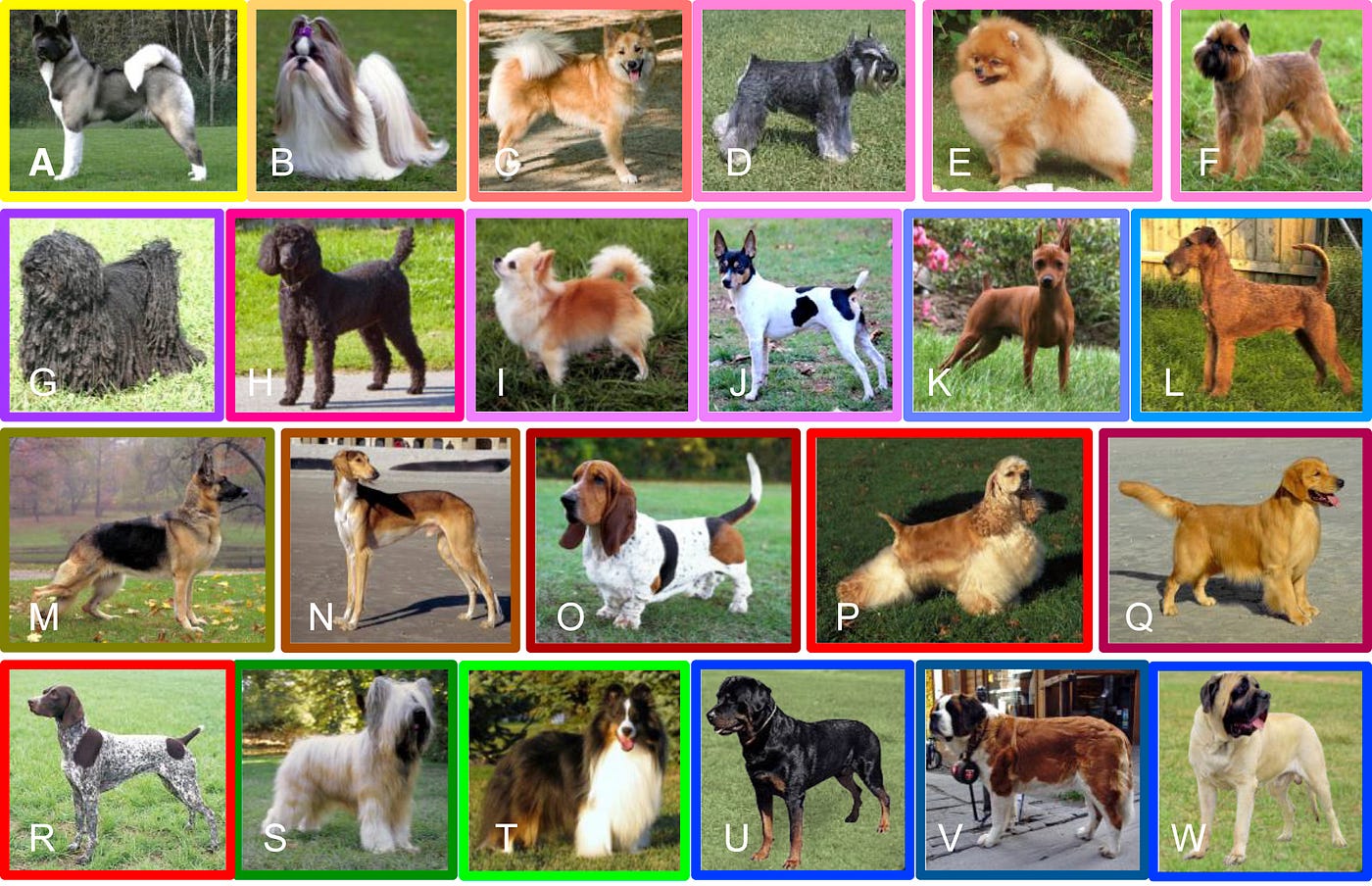
The physical diversity among dog breeds is fascinating. Each breed showcases unique characteristics that set them apart. From size to coat type, these differences are noticeable. Let’s explore the amazing variety in dogs.
Size And Shape Variations
Dog breeds vary greatly in size and shape. Small breeds like Chihuahuas can fit in a purse. Large breeds like Great Danes tower over most dogs. Some have long legs, while others are squat and compact. These variations affect their movement and lifestyle.
Coat Types And Colors
Dog coats are diverse in type and color. Breeds like Poodles have curly coats. Others, like Greyhounds, have sleek and short fur. Colors range from solid black to mixed patterns. Some dogs even have spots or stripes. This diversity adds to their charm and individuality.
Behavioral Traits Across Breeds
Understanding the behavioral traits across dog breeds can be fascinating. While all dog breeds belong to the same species, Canis lupus familiaris, their behaviors can vary significantly. It’s intriguing to see how genetics and breeding influence their temperament and activity levels.
Temperament Differences
Dogs exhibit a wide range of temperaments, influenced by their breed’s history and purpose. Some breeds are known for their friendliness and sociability, like Golden Retrievers. Others, such as the Akita, may be more reserved and independent.
Consider how these traits fit into your lifestyle. If you’re seeking a companion that’s eager to please, a Labrador Retriever might be ideal. On the other hand, a breed like the Shiba Inu, known for its aloof nature, might suit someone who values independence.
Have you ever noticed how some dogs are more protective than others? Breeds like the German Shepherd are renowned for their guarding instincts. This trait can be beneficial for security but might require extra training and socialization.
Activity Levels
Activity levels can vary greatly among breeds, influencing the kind of lifestyle you can share with your pet. High-energy breeds like Border Collies thrive on physical and mental challenges. They require regular exercise and stimulation to stay content.
On the flip side, some breeds are perfectly content with a relaxed lifestyle. Bulldogs, for instance, are known for their laid-back demeanor and can be great companions for those who prefer a slower pace.
Think about your daily routine. Do you enjoy spending hours outdoors? A breed like the Siberian Husky, with its love for long walks and runs, could be a perfect match. If your pace is more relaxed, a Basset Hound might be a better fit.
How do you balance your dog’s activity needs with your own lifestyle? Finding the right match can lead to a harmonious relationship between you and your furry friend.
Credit: namnguyenwrite.medium.com
Health Considerations By Breed
Dog breeds share the same species but have different health needs. Each breed can have unique medical concerns. Understanding these can help in providing better care.
Understanding the health considerations by breed is crucial for any dog owner. Each breed comes with its own set of health challenges and understanding these can lead to a longer, healthier life for your furry friend. While all dog breeds are indeed the same species, their health needs can vary dramatically.Breed-specific Health Issues
Different breeds often face unique health challenges. Bulldogs, for example, are prone to respiratory issues due to their flat faces, while larger breeds like German Shepherds are susceptible to hip dysplasia. Recognizing these breed-specific issues can help you take preventive measures and ensure timely medical care. You might wonder, does your Dachshund’s elongated body predispose it to spinal problems? Absolutely, and being aware of this can guide you in making lifestyle adjustments, like avoiding stairs and jumping.Longevity Factors
Longevity in dogs can be influenced by several factors, including breed size. Smaller breeds like Chihuahuas often enjoy longer lifespans than larger breeds such as Great Danes. Diet, exercise, and regular veterinary check-ups also play a critical role. Have you ensured your pet’s diet suits its breed-specific needs? Tailoring these aspects to your dog’s breed can add years to their life. Ultimately, understanding the nuances of your dog’s breed can lead to more informed decisions and a healthier, happier pet. So, what steps will you take today to cater to your dog’s unique health needs?Breeding Practices And Ethics
Breeding practices have shaped the canine world for centuries. Diverse dog breeds, all one species, result from selective breeding. This brings ethical questions and responsibilities. Responsible breeders ensure healthy, well-adjusted dogs. Ethical considerations focus on animal welfare and maintaining genetic diversity.
Responsible Breeding
Responsible breeding prioritizes the well-being of dogs. Breeders carefully select dogs for health and temperament. They ensure puppies are free from genetic disorders. This practice promotes healthy, happy dogs.
- Health screenings are vital.
- Breeders should provide a clean, safe environment.
- Puppies need proper socialization and care.
Responsible breeders educate buyers about the breed. They provide lifelong support for new owners. This ensures both dogs and owners are happy and informed.
Ethical Considerations
Ethical breeding practices focus on animal welfare. Overbreeding can lead to health issues and neglect. Ethical breeders prevent these problems by limiting litters.
Genetic diversity is crucial for healthy breeds. Inbreeding can cause health problems. Ethical breeders work to maintain diverse gene pools.
Transparency is key. Breeders should be open about their practices and the health of their dogs. This builds trust and ensures ethical standards are met.

Credit: www.prwe.com
The Role Of Environment In Canine Development
The environment plays a crucial role in shaping a dog’s development. Each dog’s growth and behavior can be influenced by its surroundings. Understanding this helps in nurturing a well-adjusted pet.
Influence Of Living Conditions
Living conditions significantly impact a dog’s behavior and health. A safe, clean space promotes a sense of security. Dogs living in cramped or unclean areas may experience stress. Regular exposure to natural light and fresh air improves mood and energy. A stable routine further contributes to a dog’s sense of well-being. Consistency in feeding and sleeping times helps them feel secure.
Training And Socialization
Training and socialization are key to a dog’s development. Early socialization helps dogs interact better with people and other animals. Positive reinforcement during training encourages good behavior. Basic commands and obedience training enhance communication between dog and owner. Socializing in diverse environments prepares dogs for different situations. This reduces anxiety and builds confidence in new settings.
Celebrating Canine Diversity
Celebrating canine diversity is a fascinating journey into the heart of what makes our beloved dogs so special. Each breed, with its unique traits and characteristics, showcases the incredible variety within a single species. This diversity not only enriches our lives but also plays a crucial role in the health and vitality of dogs worldwide. Let’s delve into the benefits of diverse breeds and the importance of preserving genetic diversity.
Benefits Of Diverse Breeds
Each dog breed offers distinct advantages that can cater to different lifestyles and needs. Whether you’re looking for a loyal companion, a vigilant guard, or a playful friend, there’s a breed that fits the bill.
- Specialized Abilities:Some breeds excel in specific tasks like herding, hunting, or search and rescue. Their specialized skills are invaluable in various roles.
- Companionship:Different breeds have unique temperaments and energy levels, allowing you to find the perfect match for your family dynamics.
- Aesthetic Variety:From the tiny Chihuahua to the majestic Great Dane, breed diversity offers a wide range of sizes, shapes, and colors to admire.
Preserving Genetic Diversity
Maintaining genetic diversity among dog breeds is essential for the overall health and resilience of the species. Diverse gene pools help prevent the rise of genetic disorders and enhance adaptability.
- Preventing Health Issues:Breeds with limited genetic diversity can develop hereditary health problems. By preserving genetic variety, we can reduce these risks.
- Adapting to Change:A diverse genetic makeup equips dogs to better handle environmental changes and new diseases, ensuring their survival and well-being.
- Enhancing Traits:Genetic diversity allows breeders to enhance positive traits, creating healthier and more balanced dogs.
Imagine the world without the playful antics of a Pug or the dignified presence of a Dalmatian. Would you prefer a world with a single dog archetype, or do you cherish the variety and uniqueness each breed brings? As you ponder this, consider how you can contribute to preserving this diversity, ensuring future generations experience the joy of canine companionship in all its forms.

Credit: askabiologist.asu.edu
Frequently Asked Questions
Are All Dogs Considered One Species?
Yes, all dog breeds belong to the same species, Canis lupus familiaris. Despite their diverse appearances, they share genetic similarities. This single species encompasses all breeds, from tiny Chihuahuas to large Great Danes. Their differences arise from selective breeding, not species variance.
How Do Dog Breeds Differ Genetically?
Dog breeds differ due to specific genetic traits selected by breeders. These traits include size, coat color, and behavior. While genetic variations exist, they are not significant enough to form separate species. Such differences are intentionally cultivated to meet human needs and preferences.
Can Different Dog Breeds Interbreed?
Yes, different dog breeds can interbreed because they are the same species. Interbreeding often results in mixed breeds with traits from both parents. This capability demonstrates their genetic compatibility. However, breeding is sometimes controlled to maintain purebred characteristics.
Why Do Dog Breeds Look So Different?
Dog breeds look different due to selective breeding over generations. Breeders have targeted specific traits such as size, shape, or color. These traits are reinforced to meet various human purposes, like companionship, work, or aesthetics. Despite appearances, their genetic foundation remains unified.
Conclusion
Dogs belong to the same species, Canis lupus familiaris. Yet, they vary greatly. Differences include size, appearance, and behavior. Each breed has unique traits. These traits suit different lifestyles and needs. For example, some are great companions. Others excel in work roles.
All breeds share a common ancestor. This shows their deep connection despite differences. Understanding these differences helps in choosing the right dog. It enriches your bond with your furry friend. Remember, each dog is special in its own way. Celebrate their diversity and shared heritage.


