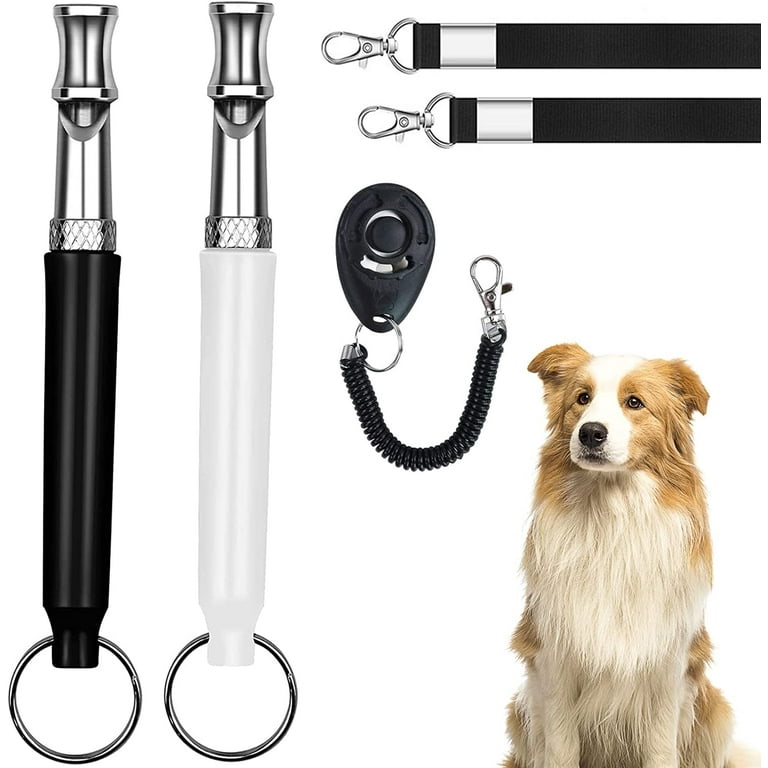
Imagine you’re at home, trying to enjoy a quiet evening, but your dog has other plans. The barking doesn’t stop, and you’re left wondering if there’s a solution that can help.
You’ve tried everything from treats to gentle commands, yet the noise persists. Here’s where the concept of a dog whistle comes into play. Could this small tool be your answer to silence and peace? You’re about to discover whether a dog whistle can effectively stop your dog from barking.
By exploring how it works and its potential benefits, you’ll gain insights that could transform your relationship with your furry friend. Stay with us as we unravel the truth about dog whistles and how they might just be the solution you’ve been searching for.

Credit: www.ebay.com
Dog Whistles: How They Work
Dog whistles emit a high-pitched sound only dogs can hear. This sound can distract them from barking. Training with a whistle may help in managing excessive barking.
Dog whistles might seem like a simple tool, but they are quite fascinating in how they manage to grab a dog’s attention. Unlike regular whistles, dog whistles emit sounds at a frequency that is often inaudible to the human ear but easily detected by dogs. This unique feature makes them an intriguing option for pet owners trying to stop excessive barking.Frequency And Sound
Dog whistles typically operate at a frequency between 16,000 Hz and 22,000 Hz. This range is specifically chosen because dogs can hear higher frequencies than humans. While we might hear only a faint noise or nothing at all, dogs can detect these sounds clearly, making them effective for training. Imagine you’re in a room filled with noise, and someone tries to grab your attention with a soft whisper. It’s challenging, right? Now consider a sound that cuts through that noise specifically for you—that’s what a dog whistle does for a dog.Human Vs Dog Hearing
Humans generally hear sounds between 20 Hz to 20,000 Hz, but our sensitivity drops off as the frequency increases. Dogs, on the other hand, can hear frequencies up to 65,000 Hz. This makes them particularly sensitive to high-pitched sounds, which is why a dog whistle works. Have you ever noticed how your dog reacts to the faintest of sounds, like a distant doorbell? That’s their superior hearing at work. It’s this heightened sense that allows a dog whistle to be an effective tool for capturing their attention and potentially reducing unwanted barking. Using a dog whistle may not be a guaranteed solution to stop barking, but it provides a unique way to communicate with your pet. Have you tried using one with your dog? It’s worth exploring how such a simple tool can make a big difference in how you and your furry friend interact.Barking: Causes And Reasons
Dogs bark for various reasons. Understanding these causes can help in managing the behavior effectively. Barking is a natural form of communication for dogs. It serves different purposes, from expressing emotions to seeking attention. Let’s explore some common reasons why dogs bark.
Communication
Dogs use barking to communicate with humans and other animals. Each bark can have a different meaning. A dog might bark to alert its owner of a stranger. It can also be a way to express excitement or greet someone. Understanding the context of the bark is crucial. Recognizing these patterns helps in deciphering what a dog wants to convey.
Attention Seeking
Dogs often bark to get attention from their owners. This can happen if they feel ignored or bored. Some dogs learn that barking brings rewards. This could be petting, treats, or even a simple acknowledgment. Over time, barking becomes a learned behavior. Addressing these needs can reduce attention-seeking barking.
Anxiety And Fear
Barking can be a sign of anxiety or fear. Loud noises or unfamiliar environments might trigger barking. It can also occur if a dog feels threatened. Identifying the source of fear is essential. Comforting a dog or removing the threat can help ease the anxiety. Long-term solutions may include training and socialization.
Effectiveness Of Dog Whistles
Dog whistles have long been considered a tool for managing canine behavior, but how effective are they in stopping a dog from barking? While the science behind dog whistles is intriguing, their practical application often varies depending on several factors. Understanding these nuances can help you decide whether a dog whistle is the right solution for your barking dilemma.
Training With Whistles
Training your dog with a whistle can be an effective strategy if done correctly. It requires consistency and patience. Whistles can grab your dog’s attention, allowing you to redirect their behavior. But remember, the whistle alone isn’t a magical fix. Pair it with commands and rewards to reinforce the desired behavior.
Consider the following tips when using a whistle for training:
- Start with short, sharp whistle bursts to catch your dog’s attention.
- Use the whistle in conjunction with verbal commands for clarity.
- Always follow whistle cues with positive reinforcement.
Consistency is key. Make whistle training a regular part of your routine.
Short-term Vs Long-term Effects
Dog whistles can offer immediate relief from barking, but are the effects sustainable? In the short term, a whistle might halt barking by distracting your dog. This can be useful in urgent situations, like calming a dog during a visitor’s arrival.
However, relying solely on the whistle for long-term behavior change might not be effective. A whistle should be part of a broader training plan. Over time, dogs might become desensitized to the sound if it’s overused without proper training reinforcement.
Think about how you can integrate the whistle into a comprehensive training strategy that addresses the root causes of barking. Is your dog bored, anxious, or seeking attention? Identifying the reason behind the barking can lead to more lasting solutions.
Have you tried using a dog whistle before? What were the results? Share your experiences and insights in the comments. Your feedback could help others on their journey to quieter homes.

Credit: eurotradefish.com
Alternatives To Dog Whistles
Dog whistles are popular tools for controlling barking. Yet, some dogs might not respond to them. Exploring alternatives can provide better results. Let’s delve into two effective methods: Positive Reinforcement and Behavioral Training.
Positive Reinforcement
Positive reinforcement rewards good behavior. Use treats or praise when your dog behaves well. This builds a strong bond and encourages desired actions. Consistency is key. Regularly reward calm and quiet behavior. This approach makes your dog eager to please.
Start with small rewards. Gradually increase them as your dog improves. It is a gentle method that boosts your dog’s confidence.
Behavioral Training
Behavioral training focuses on understanding the cause of barking. Identify triggers that make your dog bark excessively. Address these triggers with patience and guidance.
Teach your dog commands like “quiet” or “enough”. Reinforce these commands with rewards or affection. This helps your dog learn when to stop barking. Regular practice strengthens their understanding.
Consider professional help for complex issues. Trainers offer tailored strategies that suit your dog’s needs. Proper training fosters a peaceful home environment.
Choosing The Right Dog Whistle
Choosing the right dog whistle can help manage barking effectively. Dog whistles emit high-pitched sounds that grab a dog’s attention, potentially stopping unwanted barking. These tools are handy for training and maintaining a peaceful environment.
Choosing the right dog whistle can help manage barking effectively. Selecting a whistle involves considering material and design, along with adjustable frequency. These features ensure your dog responds well to the whistle.Material And Design
Dog whistles come in different materials. Common choices are plastic and metal. Metal whistles are durable and resistant to wear. Plastic whistles are lighter and often cheaper. Design affects how comfortable the whistle is to use. Ergonomic designs fit better in your hand. Some whistles have lanyards for easy carrying.Adjustable Frequency
Adjustable frequency is key for effective training. Dogs have different hearing ranges. A whistle with adjustable frequency lets you find the right pitch. This can make training more successful. You can test different frequencies to find what works. Some whistles have simple mechanisms for frequency adjustment. This makes it easy to change settings. Adjustability ensures the whistle suits your dog’s needs.Practical Tips For Dog Owners
Wondering if a dog whistle can curb barking? These tools produce a high-pitched sound only dogs hear. They can be effective for training when used consistently.
Practical Tips for Dog Owners Training your dog to respond to a dog whistle can be a game-changer in managing excessive barking. By implementing some straightforward strategies, you can help your dog understand the desired behavior. Let’s explore how you can effectively use a dog whistle in your training routine.Consistency In Training
Consistency is key when training your dog to respond to a whistle. Use the whistle at the same volume and duration each time you want your dog to stop barking. Pair the whistle with a command, like “quiet,” to reinforce the behavior you expect. Make sure everyone in your household is on the same page. If one person uses the whistle differently, it can confuse your dog. Consistent signals help your dog learn faster and more effectively.Monitoring Results
Regularly monitor your dog’s response to the whistle. Notice if the barking decreases over time. Keep a small journal to track your dog’s progress and note any changes in behavior. If you see improvement, reward your dog with treats or affection. Positive reinforcement can accelerate the training process. But what if there’s no change? It might be time to reassess your technique and try different approaches. Are you using the whistle too often, making it less effective? Adjust your method based on your observations to improve results.
Credit: www.amazon.co.uk
Frequently Asked Questions
How Does A Dog Whistle Work?
A dog whistle emits sound at a frequency dogs can hear. Humans can’t hear it. It grabs dogs’ attention and can be used for training. The sound isn’t painful, but it can distract them from barking. It’s an effective tool if used correctly alongside positive reinforcement.
Can Dog Whistles Stop All Barking?
Dog whistles may reduce barking, but they aren’t a magic solution. Effectiveness varies with each dog. Some dogs may ignore the sound, while others respond well. Consistent training and understanding barking triggers are essential for success. It’s best used as part of a broader training strategy.
Are Dog Whistles Safe For Dogs?
Dog whistles are generally safe when used appropriately. They emit sound at a frequency that isn’t harmful. However, excessive use can lead to stress. Always observe your dog’s reaction and consult a professional trainer if necessary. Using it correctly ensures it remains a positive training tool.
How Do I Train With A Dog Whistle?
Training with a dog whistle involves consistent commands and rewards. Start with short sessions, pairing the whistle with commands like “quiet. ” Reward your dog when they respond correctly. Gradually increase training duration. Patience is key, and rewards reinforce positive behavior.
Consistency ensures long-term success.
Conclusion
Dog whistles can help manage barking. They distract and redirect attention. Some dogs respond well, others may not. Patience is key when using them. Training consistency is important too. Pair whistles with positive reinforcement. This builds better behavior over time.
Remember, each dog is unique. What works for one might not work for another. Observe your dog’s reactions closely. Adjust your approach as needed. Always prioritize your dog’s well-being and comfort. Using a whistle is just one tool. Combine it with other training techniques for best results.
Barking control requires time and effort. But with patience, progress is possible.


