
Ever wondered how you could communicate with your dog more effectively? Making your own dog whistle might be the answer you’ve been looking for.
Imagine having a tool that allows you to grab your dog’s attention instantly, no matter the distractions around. By the end of this article, you’ll not only learn how to craft a dog whistle with simple materials but also discover the secrets behind why dogs respond to them so well.
You might be surprised at how easy and rewarding it is to make one yourself. Ready to boost your dog-training game and deepen your bond with your furry friend? Let’s dive in!
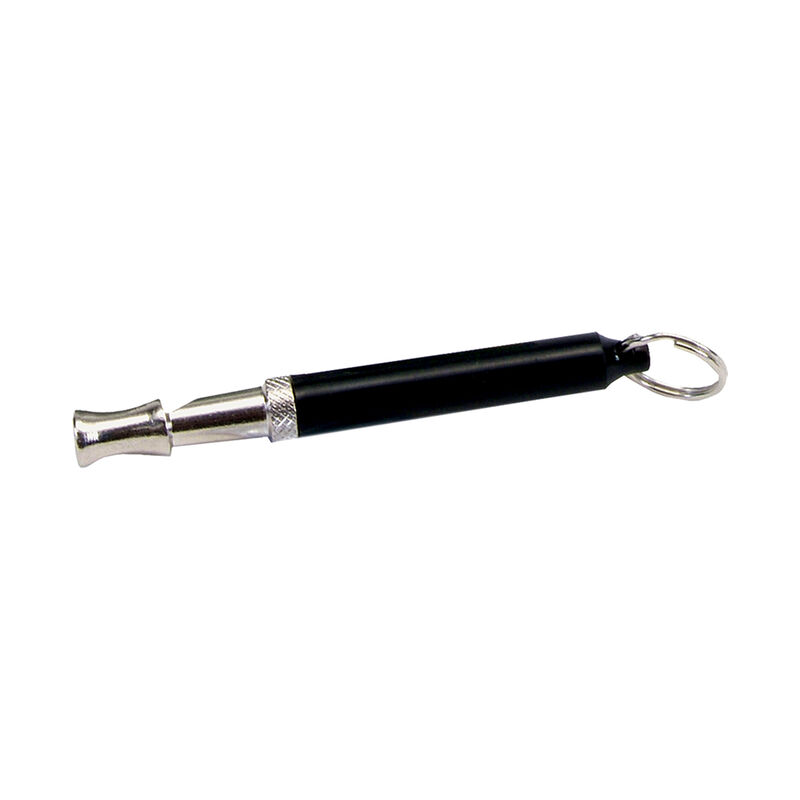
Credit: www.renspets.com
Materials Needed
Gather a small metal or plastic tube, like a pen casing, and a sharp knife or scissors. You’ll also need sandpaper to smooth edges and a ruler for precise measurements. Finally, ensure you have a file for finishing touches.
Creating a dog whistle at home can be a fun and rewarding project. Before you start, gathering the right materials is key to ensuring your whistle is functional and durable. With just a few items, you can craft a tool that not only captures your dog’s attention but also strengthens your bond through effective communication.Basic Materials
You’ll need a few essential items to get started. These include a small metal tube, which will serve as the body of your whistle. Aluminum or brass are good choices due to their durability and ease of handling.Tools For Cutting And Shaping
To shape your whistle, a hacksaw is necessary for cutting the metal tube to the desired length. A file or sandpaper can help smooth out any rough edges, ensuring the whistle is safe for you to handle.Drilling Equipment
A small hand drill or electric drill is needed to create the necessary holes. Choose a drill bit that matches the desired pitch of your whistle. This step is crucial for adjusting the sound frequency.Measuring Tools
Precision is important, so having a ruler or measuring tape is essential. Accurate measurements ensure your whistle produces the right sound frequency to catch your dog’s attention.Optional Decorative Items
While functionality is key, adding a personal touch can make your whistle unique. Consider using paint or stickers to decorate your whistle once it’s complete. Have you ever crafted something only to realize a crucial step was missed? Ensuring you have all these materials will help avoid any last-minute scrambles. As you gather your supplies, envision the moment your dog responds to the whistle you’ve created. That moment of connection makes the preparation worthwhile.Choosing The Right Type
Different materials and designs affect a dog whistle’s effectiveness. Consider your dog’s hearing sensitivity. Plastic, metal, or adjustable frequencies can suit various needs.
Choosing the right type of dog whistle is crucial to ensuring effectiveness and ease of use. You might wonder why there’s even a choice—after all, aren’t all whistles the same? The truth is, different whistles suit different purposes and dogs. Your furry friend’s breed, age, and even temperament can influence which whistle works best.Understanding Frequency Range
The frequency range of a dog whistle determines which sounds your dog can hear. Dogs hear higher frequencies than humans, so while you might not hear anything, your dog will. Consider your dog’s hearing ability; older dogs might need lower frequency whistles because their hearing diminishes with age.Material Matters
Dog whistles can be made from metal, plastic, or even wood. Metal whistles are durable and great for outdoor adventures. Plastic whistles are lightweight and often more affordable. Wood offers a natural feel but might not be as durable in wet conditions.Adjustable Vs. Fixed
Adjustable whistles allow you to change the frequency, which can be useful if you’re training multiple dogs or experimenting with what works best for your dog. Fixed whistles are simpler but limit flexibility. Think about whether you need versatility or simplicity in your training routine.Size And Portability
A whistle’s size affects how easy it is to carry and use. Smaller whistles fit in pockets easily and are less obtrusive. Larger whistles might offer a stronger sound but could be cumbersome. Reflect on your typical training environment; do you need something discreet or powerful?Environmental Considerations
Where you train your dog affects your choice. If you’re often in noisy areas, you need a whistle with a sound that stands out. For quiet, open spaces, almost any whistle will do. What type of area do you usually find yourself in when training your dog? With all these factors in mind, choosing the right whistle becomes a thoughtful decision rather than a random pick. Your choice impacts your training effectiveness and your dog’s responsiveness, shaping your shared experiences.Measuring And Cutting
Accurate measurements ensure the dog whistle functions correctly. Cut the material precisely to achieve the desired sound frequency.
Creating a dog whistle can be a fun and rewarding DIY project. The key to success lies in the precise measuring and cutting of the materials. These steps ensure the whistle produces the desired frequency that your dog will respond to. Let’s dive into the process with specific focus on selecting the length and employing precision cutting techniques.Selecting The Length
Choosing the right length for your dog whistle is crucial. A shorter whistle typically emits higher frequencies, which are ideal for dog training. Consider your dog’s breed and hearing sensitivity when deciding on the length. Experiment with different lengths. Start with a piece about 8 to 10 inches long, and adjust based on the sound produced. You might be surprised by how a small change in length can alter the frequency significantly. Remember, the perfect length depends on your dog’s response. Observe how your dog reacts to different sounds and adjust accordingly.Precision Cutting Techniques
Accuracy is vital in cutting your whistle. A clean, precise cut ensures the whistle produces a clear sound. Use a fine-tooth saw or a sharp utility knife for cutting. Mark the cutting point clearly before you start. A straight edge and a pencil can help you draw accurate lines. This prevents uneven cuts that can affect sound quality. Don’t rush the process. Take your time to ensure each cut is as smooth as possible. A jagged edge might disrupt airflow, altering the whistle’s pitch. Practice cutting on a scrap piece before working on the actual whistle. This helps you perfect your technique and gain confidence.
Credit: www.amazon.com.au
Drilling The Holes
Drilling holes in the whistle requires precision and care. Choose a small drill bit for clean, accurate holes. Position the drill carefully to ensure the holes are evenly spaced, enhancing the whistle’s sound quality.
Creating a dog whistle is an intriguing DIY project that combines precision with creativity. One of the most critical steps is drilling the holes, where accuracy determines the effectiveness of the whistle. The sound produced depends heavily on how and where you drill the holes, making this stage both challenging and rewarding.Determining Hole Placement
Before you start drilling, ask yourself: what kind of sound do you want your whistle to produce? The placement of the holes directly affects the pitch and clarity. Research common whistle designs and observe the hole patterns used. Consider the length and width of your whistle. Typically, holes are spaced evenly to ensure balanced airflow. Use a pencil to mark potential spots, testing different placements on a spare piece of wood if possible. Experimentation is key to finding the ideal sound.Tools For Drilling
Selecting the right tools can make all the difference. A small handheld drill is recommended for precise control. Ensure you have drill bits that match the diameter of your planned holes. Small bits are ideal for creating high-pitched sounds. Safety should always be your priority. Use a clamp to secure your whistle while drilling, preventing slips and ensuring accuracy. Consider wearing protective eyewear to guard against any debris. Drilling might seem straightforward, but technique matters. Hold your drill steady and apply consistent pressure. Avoid rushing, as this can lead to inaccurate holes and distorted sound. Engage with this process and don’t shy away from trying different methods. Have you ever thought about how simple adjustments can change the entire outcome?Tuning The Whistle
Crafting a dog whistle involves simple materials and techniques. Use a small, hollow tube, like metal or plastic. Cut it to a suitable length, then create a notch on one end. Blow gently to produce a sound that only dogs can hear.
Adjust the notch for the perfect pitch.
Tuning the whistle is a critical step in ensuring that your dog whistle is effective and suited to your needs. You want the whistle’s sound to be just right so your dog responds well. It might seem tricky at first, but with patience and careful listening, you can achieve the perfect pitch.Frequency Adjustment
The first step in tuning your dog whistle involves adjusting the frequency. Dogs have sensitive hearing and can perceive sounds that humans cannot. You’ll need to find the right pitch that catches your dog’s attention without causing discomfort. Start by blowing softly and gradually adjusting the whistle. Listen closely to any feedback or reaction from your dog. Notice how their ears perk up or how they respond to the sound. You might need to tweak it several times before finding the sweet spot that works best. Consider the environment where you’ll use the whistle. Background noises can affect how well your dog hears it.Testing Sound Quality
Once you have adjusted the frequency, it’s time to test the sound quality. Is it sharp, clear, and consistent? A good dog whistle should produce a sound that is steady and easy for your dog to distinguish from other noises. Try using the whistle in different settings. Does the sound carry well in open spaces? Is it still effective indoors? You might find that a slight adjustment in pitch makes a big difference in sound clarity. Experiment with different blowing techniques. A short, strong blow might produce a sharper sound compared to a long, gentle one. Ask yourself, is your dog responding the way you hoped? Their reaction can be the best indicator of sound quality.Finishing Touches
Crafting a dog whistle requires attention to detail. Ensure the materials are durable yet lightweight. Test the sound frequency to match your dog’s hearing range for effective training.
Creating a dog whistle from scratch is a rewarding DIY project. After crafting the basic shape, the finishing touches make all the difference. They ensure your whistle is both functional and aesthetically pleasing.Sanding Edges
Sanding is crucial to smooth out any rough edges. Use fine-grit sandpaper for a polished finish. This will prevent any splinters or sharp bits from hurting your fingers or lips. Make sure to check the edges and corners thoroughly. A well-sanded whistle not only feels better but also looks more professional. Hold it in your hand to test for comfort and smoothness.Adding A Lanyard
A lanyard adds convenience, letting you carry the whistle around your neck or attach it to a keychain. Choose a durable cord or string that complements the whistle’s material. This could be leather, nylon, or even a colorful thread. Attach the lanyard securely to the whistle. You can drill a small hole at the end of the whistle to thread the lanyard through. Think about how often you’ll use the whistle and choose a length that suits your lifestyle. Have you ever lost a whistle because it didn’t have a lanyard? Avoid that frustration by taking this simple step. A little effort now can save you from potential hassle later.Safety Tips
Creating a dog whistle is exciting, but safety is crucial. Ensure you use the whistle responsibly to protect your dog’s hearing and well-being. Following safety tips can prevent harm and discomfort.
Safe Use Practices
Keep the whistle at a safe distance from your dog. Avoid blowing it directly near their ears. Use gentle sounds that won’t scare them. Test the whistle first to check the sound level.
- Start with low volume.
- Gradually increase if needed.
- Observe your dog’s reaction.
Avoiding Overuse
Overusing the whistle can stress your dog. Limit usage to training sessions. Don’t use it for long periods. Give your dog breaks between uses.
- Use sparingly.
- Watch for signs of distress.
- Maintain a balance in training routines.

Credit: www.amazon.com.au
Frequently Asked Questions
What Materials Do I Need For A Dog Whistle?
To make a dog whistle, you’ll need a small piece of metal or wood. A drill, sandpaper, and a file are also essential. You can use a small tube or hollow piece to create the whistle’s body. Ensure materials are safe and non-toxic for pets.
How Does A Dog Whistle Work?
A dog whistle emits a high-frequency sound that dogs can hear. Humans can’t hear it, making it ideal for training. The sound captures dogs’ attention without disturbing people. It’s effective for commands and recall, helping improve obedience and response.
Can I Adjust The Pitch Of A Homemade Whistle?
Yes, you can adjust the pitch by changing the whistle’s length or diameter. Shorter whistles produce higher frequencies. Longer or wider whistles create lower frequencies. Test your whistle with your dog to find the most effective pitch for training.
Are Dog Whistles Safe For Pets?
Dog whistles are generally safe when used correctly. Ensure the sound isn’t too loud to avoid discomfort. Limit use to training sessions and avoid excessive exposure. Monitor your dog’s response and adjust the whistle’s frequency if your pet seems stressed.
Conclusion
Creating your own dog whistle is simple and rewarding. With a few materials, you can craft a whistle that works well. Your dog will respond to the sound it makes. It’s a fun project and strengthens your bond with your pet.
Remember to be patient while training your dog. Consistent use will lead to success. Keep practicing and enjoy the process. Soon, you’ll notice improved communication with your furry friend. Try it today and see the results. Your dog will appreciate the effort you put in.
Happy whistling!


