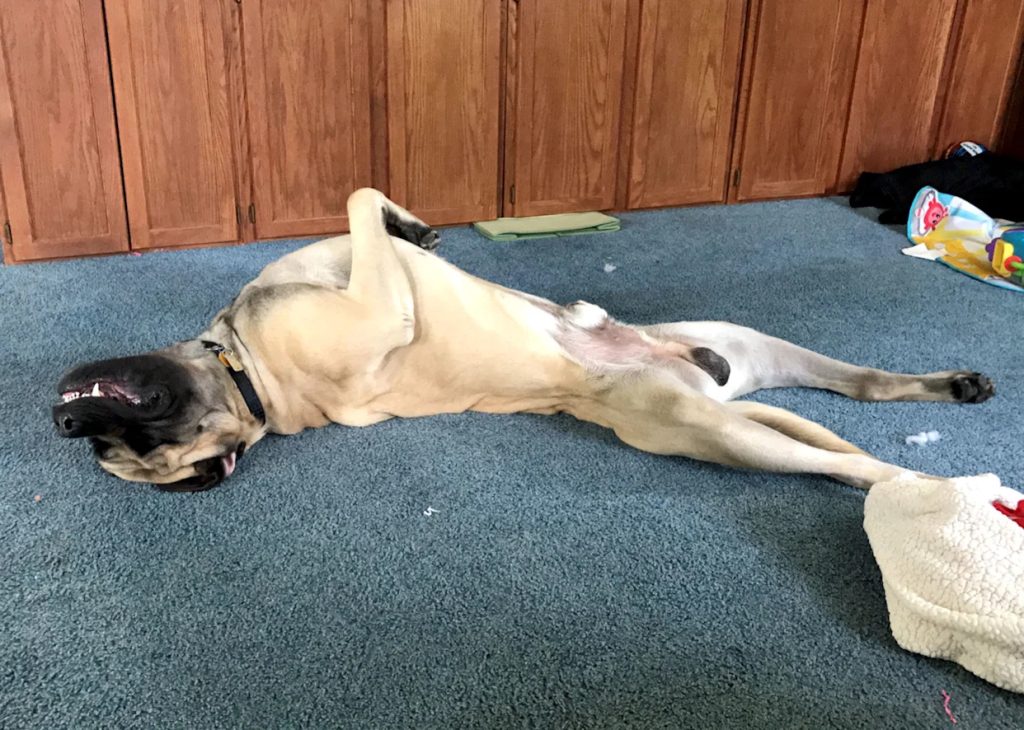
Have you ever watched your dog twist and turn in ways that seem impossible? You might wonder, can a dog be double jointed?
This intriguing question might have crossed your mind while observing your furry friend’s flexibility. Imagine understanding how your dog’s joints work, unlocking secrets that could help you ensure their health and happiness. By exploring this topic, you could discover fascinating insights into canine anatomy that might surprise you.
Plus, knowing the truth behind your dog’s unique movements could make you a more informed pet owner. Stick around to find out what double jointed means for dogs and how it affects their well-being. Your journey into the world of canine flexibility starts here!
Double Jointedness In Animals
Double jointedness in animals is rare, and dogs cannot truly be double jointed. Their joints are flexible, allowing for various movements, but this does not mean they possess double jointedness like humans do.
Double jointedness, or hypermobility, is a fascinating phenomenon in the animal kingdom. It’s more common than you might think. While humans often marvel at their flexibility, some animals take it to a whole new level.Understanding Hypermobility In Animals
In animals, hypermobility can be both an advantage and a disadvantage. It allows for greater flexibility and range of motion, which can be crucial for survival. However, it may also lead to joint instability or injuries. Have you ever noticed your cat contorting its body in seemingly impossible ways? That’s a classic example of hypermobility at work.Common Animals With Hypermobility
Cats are perhaps the most famous for their double-jointed abilities. Their flexible spines help them twist and turn mid-air, landing on their feet. But they’re not alone. Many species of monkeys also display incredible flexibility, using it to swing from branch to branch effortlessly.Can Dogs Be Double Jointed?
Dogs are known for their agility, but can they be double-jointed? The answer is not as straightforward as you might think. While dogs don’t typically have the same hypermobility as cats, certain breeds may show increased flexibility. This is often more about their natural build and less about true double jointedness.Implications Of Hypermobility In Pets
If you suspect your pet is hypermobile, it’s essential to monitor their health. Increased flexibility can sometimes lead to joint issues or arthritis. Regular vet check-ups can help manage any potential problems. Have you ever wondered if your pet’s flexibility could be a health concern? It’s worth exploring further to ensure their well-being.Fun Facts About Animal Flexibility
Did you know that octopuses have no bones, making them the ultimate contortionists? Or that the tiny hummingbird can rotate its wings in a full circle? These creatures redefine what we know about movement and flexibility. It’s a reminder of the wonders of nature and the unique adaptations that animals develop.
Credit: orthopaws.vet
Canine Anatomy Basics
Double-jointed dogs do not exist. Their joints aren’t built for such flexibility. Canine anatomy supports normal joint movements.
Understanding the basics of canine anatomy is crucial for appreciating the unique capabilities and limitations of our furry companions. Dogs are remarkable creatures with complex anatomical structures that enable them to run, jump, and play with astounding agility. But can they be double-jointed like some humans? Let’s dive into the fundamental aspects of their anatomy to uncover the truth.Understanding Canine Joints
Dog joints are marvels of biological engineering. They are designed to provide stability and facilitate movement. Unlike humans, dogs do not possess the kind of hypermobility seen in double-jointed individuals. Their joints—such as the hip, knee, and elbow—are structured to withstand pressure and support their active lifestyle.Comparing Human And Canine Flexibility
While dogs can twist and turn with impressive dexterity, their flexibility is not due to being double-jointed. It’s more about the unique design of their musculoskeletal system. For instance, a dog’s spine is incredibly flexible, allowing for swift changes in direction during a game of fetch. Have you ever noticed how effortlessly your dog shifts in high-speed chases?Role Of Ligaments And Tendons
Ligaments and tendons play a pivotal role in canine movement. They hold bones in place and facilitate the smooth motion of joints. While they can stretch to a degree, their primary purpose is to prevent excessive movement that could lead to injury. Consider how a dog’s robust ligaments contribute to their ability to sprint without damaging their joints.Common Misconceptions
Many people mistakenly believe that dogs can be double-jointed, possibly due to their flexible and agile nature. However, this is not the case. Double-jointedness refers to hypermobility in human joints, which doesn’t apply to dogs. It’s essential to understand these differences to ensure the health and well-being of your pet.Protecting Your Dog’s Joints
Knowing that dogs aren’t double-jointed prompts the question: how can you best protect their joints? Regular exercise, a balanced diet, and routine veterinary check-ups are key. These measures help maintain joint health and prevent conditions like arthritis. Are you ensuring your dog’s joints get the care they need for a long, active life?Joint Structure In Dogs
Understanding the joint structure in dogs helps you grasp how they move and what might cause them discomfort or pain. Dogs have joints similar to humans, allowing them flexibility and movement. But can a dog be double-jointed? Let’s explore the normal function and common disorders affecting their joints.
Normal Joint Function
Joints in dogs connect bones and enable movement. They’re cushioned by cartilage and lubricated by synovial fluid, allowing smooth motion. This structure is vital for activities like running, jumping, and playing. Imagine your dog chasing after a ball — it’s their healthy joints that make it possible.
Every time your dog leaps or trots, their joints work tirelessly. The ligaments provide stability, while muscles power the movement. It’s a complex system, but when functioning well, it supports your dog’s active lifestyle.
Common Joint Disorders
Unfortunately, dogs can suffer from various joint disorders. Conditions like arthritis, hip dysplasia, and patellar luxation can affect their mobility. These issues often cause pain and discomfort, altering their ability to move freely.
Joint disorders can be heartbreaking. Watching your playful pup struggle with pain can be tough. But recognizing symptoms early can help manage these conditions. Regular vet check-ups and a healthy diet play a crucial role in maintaining joint health.
Have you ever noticed your dog limping or being less active? It might be time to investigate further. Taking proactive steps can improve their quality of life and keep them bounding happily for years to come.
Understanding Double Jointedness
Understanding double jointedness can be a fascinating journey into the world of joint flexibility. Many people wonder if their pets, especially dogs, can have this trait. Let’s dive into what double jointedness really means and how it might differ between humans and animals.
Definition And Explanation
Double jointedness, medically known as hypermobility, is the ability of a joint to move beyond its normal range. This doesn’t mean having extra joints, but rather that the existing joints are more flexible. In humans, it often leads to the ability to perform unique physical feats, like bending fingers backward.
In dogs, this concept is less straightforward. While dogs are naturally flexible, they’re not typically “double jointed” as we understand it in humans. Their joints are designed for agility and speed, not hypermobility.
Human Vs Animal Joint Flexibility
Human joints are structured to allow a wide range of activities, from typing to running marathons. Some people have inherited traits that give them more flexibility, leading to hypermobility. This trait can sometimes cause joint pain or injuries if not managed properly.
Dogs, on the other hand, have joints that are adapted for running and hunting. Their flexibility is about efficiency and speed, not bending joints in unusual ways. Have you ever seen a dog stretch after a nap? That’s their natural flexibility at work.
This raises an interesting question: Do we value flexibility for its own sake, or for what it allows us to do? For dogs, flexibility is about survival and play. For humans, it can be a party trick or a source of discomfort.
Next time you watch your dog leap effortlessly, consider how their joint structure supports their lifestyle. It’s a reminder that flexibility serves different purposes across species. What does flexibility mean to you and your pet?
Myths About Double Jointed Dogs
When it comes to understanding our furry friends, myths often creep in and lead to misconceptions. One such myth is about dogs being double jointed. You might have heard this term tossed around in dog parks or during casual conversations with fellow pet owners. But what does it really mean? Let’s dive into the origins of this myth and why it’s important to dispel these misconceptions.
Origins Of The Myth
The idea of dogs being double jointed stems from observations of their flexibility and agility. Watching a dog twist its body or leap with ease might make one wonder if they possess extra joints. Interestingly, this myth might have originated from misunderstandings about canine anatomy. Dogs are incredibly flexible, thanks to their unique skeletal structure, but this doesn’t mean they have extra joints.
Often, this myth is perpetuated by comparisons to humans who are termed ‘double jointed’. In reality, even in humans, being ‘double jointed’ is simply a colloquial term for hypermobility, not extra joints. Dogs, much like humans, have a standard joint structure that allows for their typical range of motion.
Dispelling Misconceptions
Understanding the truth behind this myth is crucial for every dog owner. Dogs are not double jointed, nor do they have extra joints that contribute to their impressive flexibility. Instead, their natural agility comes from well-developed muscles and ligaments that support joint movement.
When considering your dog’s physical abilities, remember that their flexibility should be attributed to their healthy musculoskeletal system. If you notice unusual bending or movement, it might be a sign to consult a vet, as it could indicate an underlying health issue rather than a special joint condition.
Next time you watch your dog perform acrobatic feats, appreciate their natural agility without attributing it to mythical double joints. This understanding can help you better care for your dog’s health and wellbeing.
Real Joint Issues In Dogs
When you think about dogs’ joint health, the term “double jointed” might pop up. But can dogs really have such a condition? While dogs aren’t double jointed in the same way humans might be, they can experience real joint issues that affect their mobility and quality of life. Understanding these problems can help you keep your furry friend healthy and active.
Hyperflexibility
Hyperflexibility in dogs is not exactly the same as being double jointed. It refers to an unusual range of motion in a dog’s joints. This can sometimes be seen in younger dogs or certain breeds known for their agility.
While it might seem like a fun trick when your dog bends in unexpected ways, hyperflexibility can lead to joint stress. Over time, this stress might contribute to more serious joint issues. Watching your dog closely and consulting a vet if you notice excessive flexibility can prevent future problems.
Joint Dysplasia
Joint dysplasia is a common term you might have heard, especially if you own larger breeds like German Shepherds or Labradors. It involves improper formation of the joint, which can lead to arthritis and pain as your dog ages.
Early signs can include limping, difficulty standing up, or a reluctance to climb stairs. If your dog shows these signs, a vet visit is essential. Catching dysplasia early can lead to more effective management strategies.
Providing a balanced diet and maintaining a healthy weight can significantly reduce the risk of dysplasia. Exercise is crucial, but it should be appropriate to your dog’s age and breed. Have you noticed any changes in your dog’s movement lately?
Staying informed about your dog’s joint health can make a big difference. What steps will you take today to ensure your furry friend’s joints stay healthy?
Veterinary Insights
Understanding whether dogs can be double-jointed requires veterinary insights. This intriguing topic often puzzles many dog owners. Vets provide essential information on this subject. Their insights help in understanding canine joint conditions. Let’s explore what experts have to say and how to care for affected dogs.
Expert Opinions
Veterinarians explain that dogs are not truly double-jointed. The term “double-jointed” refers to hypermobility in human joints. In dogs, joint flexibility varies by breed and individual. Some dogs may have more flexible joints. This does not mean they are double-jointed. Vets emphasize understanding normal joint movement. They stress the importance of recognizing signs of joint issues. Early detection can prevent severe problems later.
Treatment And Care
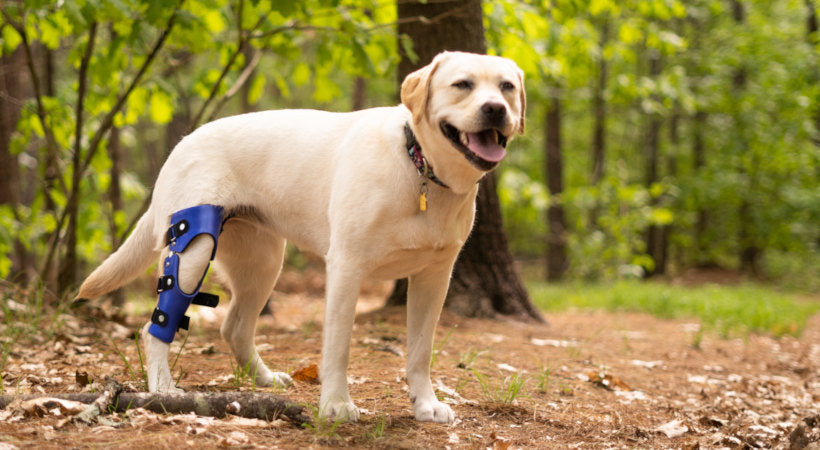
Treating dogs with joint issues involves several strategies. Vets often recommend weight management. Maintaining a healthy weight reduces joint stress. Regular exercise is also crucial. It helps keep joints flexible and muscles strong. For dogs with joint discomfort, vets may suggest supplements. Glucosamine and chondroitin are popular options. They support joint health and reduce inflammation.
In some cases, physical therapy can be beneficial. It enhances mobility and strengthens muscles around joints. Veterinary guidance is essential for tailored treatment plans. Regular check-ups ensure that joint health is monitored. This proactive approach can improve a dog’s quality of life.

Credit: www.tiktok.com
Credit: walkinpets.com
Frequently Asked Questions
Can Dogs Have Double-jointed Limbs?
Dogs cannot be truly double-jointed like some humans. However, they can have increased flexibility in their joints. This is due to their natural anatomy and certain genetic traits. It’s important to monitor joint health and consult a vet if any issues arise.
What Causes Joint Flexibility In Dogs?
Joint flexibility in dogs is typically due to their genetic makeup and anatomy. Some breeds are naturally more flexible than others. However, excessive flexibility might indicate a health concern. Regular veterinary check-ups ensure joint health and prevent potential problems.
Are Some Dog Breeds More Flexible?
Yes, certain dog breeds exhibit more flexibility. Breeds like Greyhounds and Whippets are known for their agility and flexibility. Their genetic traits make them more adaptable for activities requiring quick movements. It’s essential to support their active lifestyle with proper care and exercise.
Can Joint Issues Affect A Dog’s Flexibility?
Yes, joint issues can significantly affect a dog’s flexibility. Conditions like arthritis or hip dysplasia can limit movement. Early detection and treatment can help maintain mobility. Regular vet visits and appropriate exercise can prevent or manage these issues effectively.
Conclusion
Understanding your dog’s joints helps you keep them healthy. Dogs can’t be double jointed like humans. Their flexibility may vary, though. This can depend on breed or health. Always monitor your dog’s movement. Look for signs of discomfort or pain.
Consult a vet if you’re concerned. Regular check-ups are crucial. They ensure your dog stays active and happy. By learning about their joints, you care better for them. Knowledge is key. Keep your furry friend comfortable and healthy.


