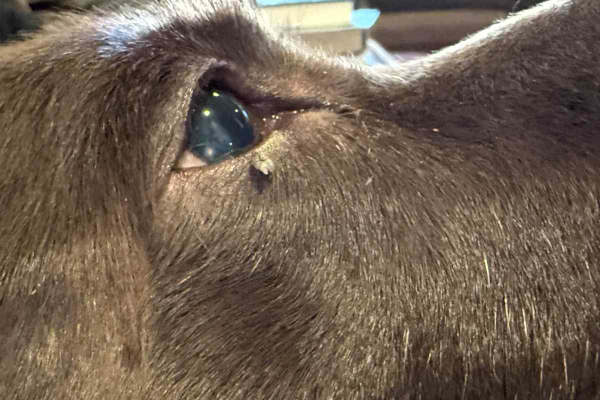
Have you noticed small, fleshy growths appearing on your dog’s skin? You’re not alone.
Many dog owners find themselves wondering, “Why is my dog getting skin tags? ” These harmless little growths can be perplexing and even a bit concerning. But don’t worry; understanding skin tags is easier than you think. We’ll dive into what causes these skin tags and what you can do about them.
You’ll discover practical insights that will help you manage this common canine condition with ease. So, keep reading to uncover the secrets behind your dog’s skin tags and ensure your furry friend stays happy and healthy!
Causes Of Skin Tags In Dogs
Skin tags are small, benign growths on your dog’s skin. They can appear anywhere on the body. Understanding why your dog gets skin tags helps manage their health better. Let’s explore some common causes.
Genetic Factors
Some dogs are genetically predisposed to skin tags. Certain breeds develop them more frequently. If your dog’s parents had skin tags, they might too.
Age-related Changes
Older dogs often develop skin tags. Their skin changes with age. Aging skin loses elasticity, leading to tag formation.
Environmental Influences
The environment can affect your dog’s skin. Exposure to irritants may lead to skin tags. Dogs in humid areas might be more prone.
Hormonal Imbalances
Hormonal changes impact your dog’s skin health. Imbalances might lead to tag development. Always monitor hormonal health closely.

Credit: www.reddit.com
Common Locations For Skin Tags
Skin tags are small, benign growths that often appear on your dog’s skin, causing concern and curiosity. Understanding where these skin tags commonly appear can help you identify them early and take appropriate action. Your dog’s daily activities and physical attributes can influence the development of skin tags in specific areas.
Areas With Frequent Friction
Skin tags often develop in areas where your dog’s skin experiences regular friction. Think about spots like the collar region or where harnesses rest. When your dog moves, these areas continuously rub, increasing the likelihood of skin tag formation. Checking these regions regularly can help you spot changes early.
Moist Skin Regions
Moisture-rich areas are prime spots for skin tags to develop. Locations such as the groin or armpits tend to remain moist, especially in warmer months. Your dog’s sweat or even natural oils can contribute to skin irritation, leading to tag formation. Keeping these areas dry can help prevent skin tags.
High Movement Zones
Active dogs often develop skin tags in high movement zones like the legs or tail. The constant motion here can lead to wear and tear on the skin, making it more susceptible to tags. Observing your dog’s play and movement habits can give you insights into why these tags appear.
Have you noticed skin tags on your dog? Understanding these common locations can guide you in managing their appearance. Regular checks and maintaining your dog’s hygiene can reduce the chance of skin tags becoming a concern.
Identifying Skin Tags
Dogs often develop skin tags as they age. These small, harmless growths can appear anywhere on the body. Identifying them helps in monitoring your dog’s health. Knowing what to look for ensures you understand their appearance and texture. This knowledge helps distinguish skin tags from other skin growths.
Appearance And Texture
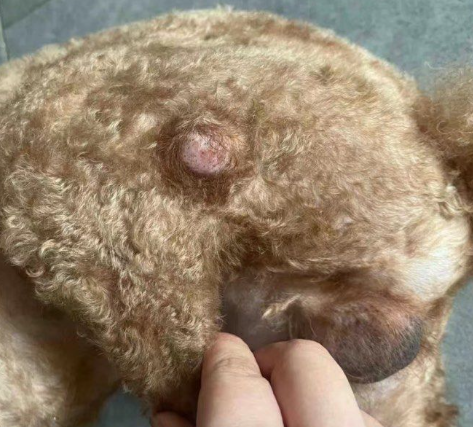
Skin tags are soft and often painless. They can be flesh-colored or slightly darker. Typically, they hang from the skin by a thin stalk. This gives them a distinctive appearance. Most are small, but they can grow over time.
Run your fingers over them. They should feel smooth and move easily. If they feel rough or rigid, they might not be skin tags.
Differences From Other Skin Growths
Not all skin growths are the same. Moles are usually darker and flatter. Warts can be rough and have an uneven surface. Tumors might be firm and do not move easily.
Skin tags are benign. Unlike some other growths, they don’t cause pain or discomfort. If your dog seems bothered, it might be something else.
Monitor any changes. If a growth changes in size, color, or texture, consult a vet. This ensures your pet’s health remains a priority.
When To Consult A Veterinarian
Skin tags on dogs can be harmless but might indicate health issues. Consult a veterinarian if they change in size, color, or cause discomfort. Early professional advice ensures effective treatment and peace of mind for your furry friend.
When your dog starts developing skin tags, it’s natural to wonder if you should be concerned. While many skin tags are harmless, there are certain signs that might indicate it’s time to consult a veterinarian. Being informed can help you make the best decision for your furry friend’s health.Signs Of Concern
Not all skin tags are created equal. If you notice your dog scratching or licking a skin tag more than usual, it could be a sign of irritation or infection. Pay attention to any unusual behavior such as yelping when touching the area. These could be indicators that the skin tag is causing discomfort or pain.Changes In Size Or Color
Keep an eye on any changes in the skin tag’s size or color. A skin tag that rapidly grows or changes color might not be a simple benign growth. For example, if a small, light-colored tag suddenly becomes dark or starts bleeding, this could be a red flag. A visit to the vet can help determine if the change is benign or if further investigation is necessary. Monitoring these signs can help you catch potential issues early. Remember, your dog’s health is a priority, and staying observant can make all the difference. Have you ever noticed these changes in your dog’s skin tags? Share your experience with us!Preventive Measures
Regularly check your dog’s skin for unusual growths. A balanced diet can strengthen their skin health. Keep your pet clean to prevent skin irritations that may lead to skin tags.
Preventive measures can play a crucial role in minimizing the occurrence of skin tags in dogs. By focusing on maintaining healthy skin, implementing regular grooming practices, and ensuring a balanced diet and nutrition, you can significantly reduce the risk of these pesky growths. Let’s dive into some practical strategies to keep your dog’s skin in tip-top condition.Maintaining Healthy Skin
Healthy skin is your dog’s first line of defense against skin tags. Regular check-ups with your vet can help identify any underlying skin conditions early. Make sure your dog gets plenty of exercise, as it promotes circulation and keeps the skin healthy. Consider using dog-friendly skin care products, like shampoos and conditioners designed for sensitive skin. These can help maintain the natural oils in your dog’s skin, preventing dryness and irritation.Regular Grooming Practices
Grooming your dog isn’t just about looking good; it’s about feeling good too. A consistent grooming routine can help identify any unusual growths early. Brush your dog’s coat regularly to remove dead skin cells and promote healthy skin growth. Bathing your dog with a gentle shampoo can also help keep the skin clean and free from irritants. Pay special attention to areas where skin tags are more likely to develop, such as around the neck and under the legs.Balanced Diet And Nutrition
Diet is a cornerstone of your dog’s overall health. Providing a balanced diet rich in vitamins and minerals can bolster your dog’s immune system and skin health. Omega-3 fatty acids, often found in fish oil supplements, can improve skin elasticity and reduce inflammation. Monitor your dog’s weight, as excess weight can increase the risk of skin tags. Consider consulting with your vet for dietary recommendations tailored to your dog’s specific needs. Remember, a healthy dog is a happy dog. So, how can you take these steps today? Are you ready to give your dog the best chance at healthy skin? Implement these preventive measures, and watch your furry friend thrive with less skin tag worries.Treatment Options
Exploring treatment options for your dog’s skin tags can offer peace of mind. Consider simple home remedies or consult a vet for removal. Early attention helps prevent complications and ensures your pet’s comfort.
When you notice skin tags on your furry friend, it’s natural to feel concerned about the best approach to handle them. Thankfully, there are several treatment options available, ranging from professional interventions to home remedies. Understanding these options can help you make informed decisions about your dog’s health.Surgical Removal
Surgical removal is often recommended for larger skin tags or those causing discomfort. A veterinarian can safely remove the skin tag using a local anesthetic. This procedure is generally quick and ensures that the skin tag is removed completely without the risk of infection. You might wonder if your dog will experience pain. Rest assured, the use of anesthesia minimizes discomfort, allowing your pet to return to its playful self in no time.Home Remedies
For smaller skin tags that are not causing any issues, you might consider some home remedies. One popular method is applying apple cider vinegar with a cotton ball to the tag several times a day. Over time, this can help dry out the tag, causing it to fall off naturally. Another option is using a mixture of baking soda and castor oil, which can also be applied to the skin tag. It’s important to monitor the tag and ensure it does not become irritated. Keep in mind that home remedies require patience and consistency. Have you tried any home solutions before? It can be a cost-effective way to manage minor skin issues.Veterinary Procedures
For those who prefer a more medical approach, veterinary procedures offer various options. Cryotherapy involves freezing the skin tag, which is an effective way to remove it without cutting. This method is often used for smaller tags and has a quick recovery time. Laser removal is another advanced option, providing precision and minimal discomfort. This technique is particularly useful for dogs with multiple skin tags or those in sensitive areas. Consulting your vet can provide insights tailored to your dog’s specific needs. What’s your vet’s recommendation? Sometimes, professional advice gives peace of mind and ensures the best care for your pet. Exploring these options helps you choose the best course of action for your dog’s well-being. Each method has its advantages, and understanding them allows you to make a decision that aligns with your pet’s needs and your comfort level.Post-treatment Care
After your dog has skin tags removed, proper care is crucial. It ensures a smooth recovery and prevents complications. Understanding post-treatment care can enhance your pet’s healing process.
Monitoring For Recurrence
Keep an eye on your dog’s skin regularly. Watch for new growths or changes. Skin tags can reappear, and early detection helps. Note any changes in size, color, or texture. Consult your vet if you notice anything unusual.
Proper Wound Care
After removal, the wound needs attention. Clean the area gently with a vet-approved solution. Avoid using harsh chemicals or soaps. Keep the wound dry and covered if advised by your vet. Check for signs of infection like redness or swelling. If you see these signs, contact your vet immediately.

Credit: www.reddit.com
Credit: us.puainta.com
Frequently Asked Questions
What Causes Skin Tags On Dogs?
Skin tags on dogs often develop due to skin friction or irritation. They are benign growths commonly found in areas prone to rubbing. Age and genetics can also contribute to their appearance. Monitoring them for changes is important to ensure they remain harmless.
Are Skin Tags On Dogs Dangerous?
Skin tags on dogs are usually harmless and benign. They rarely cause discomfort unless irritated by rubbing or scratching. However, it’s essential to monitor them for any changes in size or color. Consult a vet if you notice unusual changes to ensure your dog’s health.
Can Skin Tags Be Removed From Dogs?
Yes, skin tags can be removed from dogs. Veterinarians can perform removal if they cause discomfort or irritation. The procedure is usually simple and quick. Always consult your vet to determine if removal is necessary for your dog’s specific situation.
How To Prevent Skin Tags In Dogs?
Preventing skin tags involves reducing skin friction and irritation. Regular grooming helps maintain healthy skin. Ensure your dog’s collar fits properly to avoid rubbing. Providing a balanced diet supports skin health. Monitor your dog’s skin regularly for any changes.
Conclusion
Understanding skin tags in dogs can ease your worries. Most skin tags aren’t dangerous. Regular vet checks help ensure your dog’s health. Keep an eye on any changes in size or color. A good diet supports healthy skin. Hygiene plays a big role too.
Bathe your dog regularly with gentle shampoos. If skin tags bother your dog, consult your vet. They can advise on removal if needed. Love and care keep your pet happy and healthy. Your dog’s well-being is always worth the effort.


