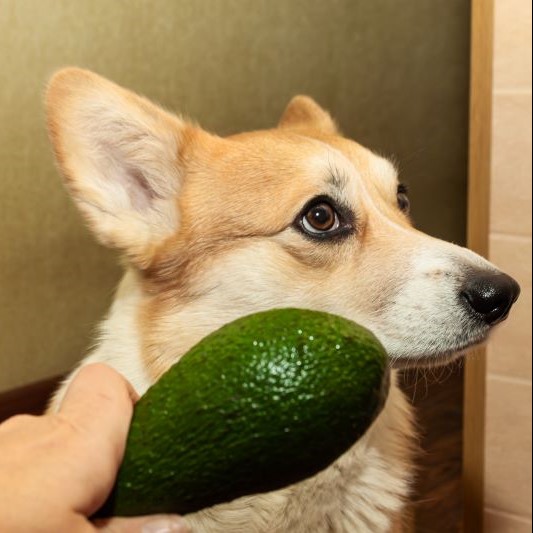
Are you curious about what foods are safe for your furry friend? You might have wondered, “Can dogs eat avocado skin?”
It’s a question many pet owners ask, especially when avocados are a common sight in kitchens. You want the best for your dog, and understanding what’s safe to share from your plate is crucial. It’s easy to assume that what’s healthy for humans is also good for dogs, but that’s not always the case.
Avocado skin might pose hidden risks, and knowing these could protect your pet from harm. By diving into this topic, you’ll gain peace of mind and ensure your beloved companion stays happy and healthy. Keep reading to uncover the truth about avocado skin and your dog’s diet.
Avocado Skin Overview
Avocado skin can be harmful to dogs. It contains persin, which might cause stomach upset or more serious health issues. Always remove the skin before giving avocado to your pet.
Avocado Skin Overview Avocado has become a popular ingredient in many households, thanks to its creamy texture and healthy fats. But when it comes to feeding dogs, the avocado skin often raises questions. Is it safe for your furry friend, or should it be avoided?What Is Avocado Skin?
Avocado skin is the outer layer that protects the soft, green flesh inside. It’s thick, dark, and somewhat leathery. While humans typically discard it, the question remains whether dogs can safely consume it. The nutritional value of avocado skin is not well-documented, primarily because it’s not commonly eaten. However, it’s known to contain persin, a compound that can be toxic to some animals. Dogs are generally less sensitive to persin than other animals, but caution is still advised. Feeding dogs avocado skin can pose several risks. The skin’s tough texture can be a choking hazard, especially for smaller dogs. Additionally, the persin content can cause stomach upset, vomiting, or diarrhea in some dogs. Is it worth the risk for a potential snack?Alternatives To Avocado Skin
If you’re looking to share avocado with your dog, consider giving them the flesh instead. It’s rich in vitamins and healthy fats that can be beneficial in moderation. Always remove the skin and pit, and offer small amounts to prevent overconsumption.Personal Experience And Insights
When my dog first showed interest in avocados, I was curious too. After researching, I decided to avoid the skin and stick to offering tiny bites of the flesh. Have you ever faced a similar dilemma with your pet? It’s always best to err on the side of caution and consult your vet if unsure.Safe Feeding Practices
If you choose to let your dog try avocado, ensure the skin and pit are removed. Cut the flesh into small, manageable pieces to prevent choking. Monitor your dog for any adverse reactions and consult your veterinarian if any issues arise. Keeping your pet’s health in mind is always the best practice.Nutritional Content Of Avocado Skin
Avocados are well-known for their creamy texture and nutritional benefits, but have you ever wondered about the nutritional content of avocado skin? While the flesh is a favorite among health enthusiasts, the skin often gets discarded without a second thought. The truth is, avocado skin contains a surprising array of nutrients that many might not be aware of. But is it safe for dogs to consume this part of the avocado? Let’s dive into what makes up the avocado skin and see if it’s something you should consider for your furry friend.
What Nutrients Are Found In Avocado Skin?
The skin of an avocado is rich in dietary fiber, which aids in digestion. It also contains antioxidants that can help combat free radicals in the body. Though less studied than the flesh, the skin has traces of vitamins and minerals like Vitamin C and potassium.
Are There Any Health Benefits For Dogs?
While these nutrients sound beneficial, it’s crucial to remember that dogs have different nutritional needs than humans. The fiber in avocado skin might be good for humans, but it can be tough on a dog’s stomach. Avocado skin also contains persin, a compound toxic to dogs in large amounts.
Potential Risks Of Feeding Avocado Skin To Dogs
Feeding avocado skin to dogs comes with risks. Persin can lead to vomiting, diarrhea, and even more severe health issues in dogs. The skin’s fibrous texture can cause gastrointestinal blockages, making it unsafe for your pet.
Should You Consider Avocado Skin For Your Dog?
Given the potential risks, it’s best to steer clear of feeding avocado skin to your dog. While it’s tempting to share your favorite foods with your pet, not everything healthy for humans is suitable for dogs. Always prioritize your dog’s safety and health.
Potential Risks For Dogs
Avocado is a delicious and nutritious fruit for humans, but when it comes to sharing it with your furry friend, caution is advised. While the fleshy part of the avocado might be safe in small amounts, the skin can pose significant risks to dogs. Understanding these potential dangers can help you make informed decisions about your pet’s diet.
Toxicity Concerns
Avocado skin contains persin, a fungicidal toxin that can be harmful to dogs. Although dogs are less sensitive to persin than other animals, ingestion can still lead to health issues. Symptoms can range from mild stomach upset to more severe conditions like breathing difficulties.
If you suspect your dog has eaten avocado skin, watch for signs such as vomiting or diarrhea. Contact your veterinarian if you notice any unusual behavior. It’s always better to be safe than sorry when it comes to your dog’s health.
Digestive Issues
The tough texture of avocado skin can be difficult for dogs to digest. It may cause blockages in the intestines, leading to discomfort and potential health emergencies. Imagine your dog struggling with a piece of indigestible skin lodged in their system—it’s a scenario best avoided.
Have you ever had to deal with a dog experiencing digestive distress? It’s a troubling experience that leaves you feeling helpless. To prevent such situations, keep avocado skin out of reach and consider safer snack alternatives.
Ultimately, understanding the risks associated with avocado skin can guide you in safeguarding your beloved pet’s health. What alternative treats do you offer your dog that are both safe and enjoyable?

Credit: www.chewy.com
Signs Of Avocado Skin Poisoning
Avocado skin can be harmful to dogs, leading to poisoning symptoms. It is vital for pet owners to be aware of the signs of avocado skin poisoning in dogs. Recognizing these signs early can help prevent serious health issues and ensure your furry friend’s safety.
Behavioral Changes
Dogs may show unusual behavior after consuming avocado skin. They might become lethargic, lacking their usual energy. Increased aggression or irritability can also occur. Pay attention to any sudden mood shifts.
Physical Symptoms
Physical symptoms are often noticeable when a dog ingests avocado skin. Vomiting is a common sign, as the body tries to expel the toxin. Diarrhea may follow, indicating digestive upset. Dogs might also experience abdominal pain, shown by whimpering or restlessness.
Keep an eye on their breathing. Difficulty in breathing or a rapid heartbeat can signal serious issues. Any swelling around the mouth or face may indicate an allergic reaction.
Safe Practices For Feeding Dogs
Avocado skin poses risks for dogs due to its persin content. It can cause stomach upset or even poisoning. Always remove the skin before serving avocado to your dog to ensure their safety and health.
Feeding your dog can sometimes feel like navigating a minefield, especially when it comes to foods not typically found in dog food. Avocado skin, for example, is one of those foods that raises questions for pet owners. While avocados are packed with nutrients, the skin can pose risks due to a substance called persin, which is toxic to dogs. Knowing how to safely feed your pet while avoiding potential hazards is crucial for their health and happiness.Safe Alternatives
If you’re looking to treat your dog to something special, there are plenty of safe alternatives to avocado skin. Consider fruits and vegetables like apples, carrots, or sweet potatoes. They are not only safe but also provide essential vitamins and fiber. Another option is commercial dog treats that are specifically formulated to meet your dog’s dietary needs. These treats are a safe bet and can be easily found in pet stores or online. Always ensure any treat you give is free from harmful ingredients.Monitoring Your Pet
After introducing any new food, keep a close eye on your dog for any signs of discomfort or allergic reactions. Symptoms like vomiting, diarrhea, or changes in behavior should be taken seriously. If you notice anything unusual, contact your veterinarian immediately. Regular vet check-ups can also help you monitor your pet’s overall health. These visits provide an opportunity to discuss any dietary changes or concerns with a professional. Taking proactive steps can prevent small issues from becoming serious health problems.Emergency Measures For Pet Owners
Avocado skin may seem harmless, but for dogs, it poses a risk that pet owners should not ignore. If your furry friend has accidentally consumed avocado skin, it’s crucial to act quickly. Knowing the emergency measures can make all the difference in protecting your dog’s health. Let’s dive into the essential steps you should take if your dog eats avocado skin, ensuring you’re prepared to respond effectively.
When To Contact A Vet
If your dog shows signs of discomfort after eating avocado skin, it’s time to get professional advice. Monitor for symptoms such as vomiting, diarrhea, or abdominal pain. These are signals that your dog needs immediate attention.
Don’t wait for symptoms to worsen. A quick call to your vet can provide clarity and reassurance. Describe the situation accurately, including how much avocado skin your dog consumed and any symptoms observed.
First Aid Steps
While waiting for veterinary assistance, there are first aid measures you can take. Ensure your dog stays hydrated; offer fresh water to help flush out any toxins. However, avoid forcing your dog to drink, as it might cause further distress.
- Keep your dog calm and comfortable. Reducing stress can prevent symptoms from escalating.
- Observe your dog’s behavior closely, noting any changes. This information will be valuable for your vet.
Have you ever had to act swiftly in a pet emergency? It’s a nerve-wracking experience, but knowing the right steps can bring peace of mind. Preparing ahead for these situations ensures you can act decisively and confidently when needed.
Veterinarian Insights
Understanding what foods are safe for dogs is crucial for their health. Dogs are curious eaters, often exploring human foods. Avocado skin is one such curiosity. Veterinarians provide valuable insights on this topic, helping pet owners make informed decisions.
Expert Opinions
Veterinarians express concern over avocado skin. It contains persin, a compound potentially harmful to dogs. While small amounts might not cause immediate harm, ingestion can lead to digestive issues. Experts advise caution and recommend avoiding the skin altogether. They emphasize that the flesh is safer but should be given in moderation.
Recommended Diets
Veterinarians suggest balanced diets for dogs. These diets include safe fruits and vegetables. Ideal options are carrots, apples, and blueberries. These foods provide essential nutrients without risks. Avocado flesh can be included occasionally for variety. Always consult a vet before introducing new foods.

Credit: www.thecaninedietitian.co.uk

Credit: www.purina.com
Frequently Asked Questions
Is Avocado Skin Safe For Dogs?
No, avocado skin is not safe for dogs. It contains persin, which can be toxic. Ingesting avocado skin might lead to vomiting and diarrhea. Always consult your vet if your dog consumes avocado skin.
What Should I Do If My Dog Eats Avocado Skin?
If your dog eats avocado skin, monitor for symptoms like vomiting or diarrhea. Contact your vet for advice. It’s crucial to act quickly to prevent potential health issues in your dog.
Can Dogs Digest Avocado Skin Easily?
Dogs cannot digest avocado skin easily. The skin is tough and fibrous, making it difficult to digest. This can cause gastrointestinal blockages or other digestive issues in dogs.
How Much Avocado Skin Is Harmful To Dogs?
Even small amounts of avocado skin can be harmful to dogs. It contains persin, which can cause adverse reactions. Always keep avocado skin out of your dog’s reach to ensure their safety.
Conclusion
Dogs should not eat avocado skin. It can be harmful. Avocado skin contains toxins. These can upset your dog’s stomach. Always remove the skin. Offer only safe, small avocado pieces. Your dog’s health matters most. Consult a vet for advice.
Dogs have different dietary needs. Proper care ensures their well-being. Keep them happy and healthy. Choose dog-friendly foods for treats. Your pet will thank you! Safety comes first in pet nutrition. Small steps make a big difference. Enjoy your time with your furry friend.


