
Imagine your furry friend looking up at you with those big, hopeful eyes, waiting for a taste of what you’re cooking. You might wonder, “Can dogs eat boiled potatoes with skin?”
This question is more common than you think, and finding the answer is essential for your dog’s health. You care deeply about your dog’s well-being, and you want to ensure every bite they take is safe and nutritious. Potatoes are a staple in many households, but are they safe for your beloved pet?
And does the skin make a difference? These questions can cause a lot of uncertainty, but don’t worry—you’re about to get all the answers. We’ll unravel the truth about boiled potatoes with skin and their impact on your dog’s diet. You’ll discover whether this common food is a healthy choice or if you should steer clear. Get ready to learn how to make the best decisions for your furry companion’s meals, ensuring they enjoy their food while staying healthy and happy. Keep reading to find out more!
Credit: medium.com
Nutritional Benefits Of Potatoes For Dogs
Boiled potatoes with skin can be a safe treat for dogs. They offer essential nutrients like vitamins C and B6. Ensure they are cooked thoroughly and served plain to avoid digestive issues.
Feeding your dog boiled potatoes with the skin can be beneficial, but it’s important to understand the nutritional benefits these tubers offer. Potatoes are more than just a tasty treat; they can be a healthful addition to your dog’s diet. Let’s dig into the essential vitamins, minerals, and other nutrients found in potatoes that can support your dog’s well-being.Vitamins And Minerals
Potatoes are rich in vitamins such as B6 and C, essential for your dog’s immune function and nervous system health. A serving of boiled potatoes can provide these crucial nutrients, helping your dog maintain a strong immune defense. Minerals like potassium are also present, supporting heart and muscle function.Fiber Content
The fiber content in potatoes can aid in your dog’s digestion. A healthy digestive system can prevent issues like constipation and diarrhea. If your dog occasionally struggles with digestive troubles, a bit of potato might be a simple remedy.Energy Source
Potatoes are a great energy source, thanks to their carbohydrates. These carbs can provide your dog with the energy needed for playtime and daily activities. Just like you might enjoy a potato before a workout, your dog can benefit from the energy boost during a walk or play session. Have you ever considered how your dog’s diet impacts their energy and health? By understanding the nutritional benefits of foods like potatoes, you can make informed choices that contribute to their overall wellness.Potential Risks Of Feeding Potatoes To Dogs
Feeding potatoes to your furry friend might seem harmless, especially when they’re boiled and with the skin on. But before you toss some to your pup, it’s crucial to understand the potential risks involved. Potatoes can pose certain threats to your dog’s health, ranging from digestive issues to more serious concerns. Let’s explore these risks to ensure your dog’s safety.
Digestive Issues
Boiled potatoes with skin can be tough on a dog’s digestive system. The skin might be hard to digest, leading to an upset stomach or diarrhea. Some dogs might struggle more than others, especially if they’re not used to eating starchy foods. Have you noticed any changes in your dog’s stools after introducing potatoes? If so, it might be time to reconsider their diet.
Allergic Reactions
Just like humans, dogs can have food allergies. Potatoes, while not a common allergen, can trigger reactions in sensitive dogs. Symptoms can range from itching and skin irritation to more severe reactions like vomiting. Monitoring your dog closely after they eat potatoes can help you catch any early signs of an allergy. What would you do if you noticed your dog scratching more than usual?
Toxicity Concerns
It’s vital to remember that raw potatoes and the green parts of the potato plant contain solanine, a toxic compound for dogs. While boiling reduces solanine levels, traces might still remain. Consuming potatoes with skin can unknowingly expose your dog to this toxin. Have you ever thought about the hidden dangers in common foods around your home?
Potato Preparation For Dogs
Boiled potatoes with skin can be safe for dogs in moderation. Ensure they are plain and free from added seasonings or butter. The skin contains nutrients but may be hard for some dogs to digest.
Potato Preparation for Dogs Preparing potatoes for your furry friend can be a straightforward process. However, you should pay attention to a few crucial details to ensure they’re both safe and enjoyable for your dog. From choosing boiling techniques to deciding whether to keep the skin on, every choice you make can impact how well your dog enjoys this starchy treat.Boiling Techniques
Boiling potatoes is a simple way to make them digestible for dogs. Start by washing the potatoes thoroughly to remove any dirt or pesticide residues. Cut them into smaller pieces to ensure even cooking. Boil the potatoes in plain water without adding salt or spices. The goal is to cook them until they’re soft enough for easy mashing or cutting, which typically takes about 15-20 minutes.Removing Skin Vs Keeping Skin
One question often arises: should you remove the potato skin or keep it? The skin contains fiber and nutrients, which can be beneficial. However, some dogs might find it hard to digest. If your dog has a sensitive stomach, it might be safer to peel the potatoes. On the other hand, if your dog is used to a varied diet, leaving the skin on could provide a healthy fiber boost.Serving Size Recommendations
When serving potatoes to your dog, moderation is key. Potatoes should be a treat, not a staple in their diet. Consider your dog’s size and activity level when determining the serving size. For small dogs, a tablespoon or two of mashed potatoes is plenty. Larger breeds might enjoy half a potato as an occasional treat. Always introduce any new food slowly and monitor your dog for any adverse reactions. If in doubt, consult your veterinarian to ensure you’re making the best dietary choices for your pet.
Credit: www.animalcareclinicjc.com
Signs Of Potato Intolerance In Dogs
Understanding potato intolerance in dogs is crucial for their health. Some dogs may react negatively to boiled potatoes with skin. Observing your dog for signs of intolerance helps in maintaining their well-being. Here are some common signs to watch for:
Digestive Symptoms
Digestive issues are common indicators of potato intolerance. Your dog might experience vomiting or diarrhea. Watch for changes in their stool consistency or color. Gassiness and abdominal pain can also occur. A dog with digestive discomfort may become less active.
Behavioral Changes
Intolerance can affect your dog’s behavior. They might become unusually lethargic or restless. Changes in appetite are another sign. Some dogs may refuse food or water. Others might become more aggressive or irritable.
Skin Irritations
Skin issues can signal potato intolerance. Look for signs like redness or rashes. Excessive scratching or licking is also a concern. Hair loss in patches can indicate skin irritation. A dull coat might suggest an underlying issue. Regularly check your dog’s skin for changes.
Alternatives To Potatoes In Dog Diets
Potatoes are a common part of many diets. But they might not be best for dogs. There are various alternatives that can be healthier and more suitable. Each option offers unique nutrients and benefits. Let’s explore these alternatives.
Other Vegetables
Many vegetables are safe and healthy for dogs. Carrots are a great choice. They are crunchy and rich in vitamins. Green beans are another option. They are low in calories and high in fiber. Sweet potatoes are also good. They provide vitamins A and C.
Always cook vegetables for dogs. It makes them easier to digest. Avoid adding butter or spices. Plain is best for dogs.
Commercial Dog Foods
Commercial dog foods offer balanced nutrition. Look for labels with complete and balanced nutrition. Choose options without artificial additives. Grain-free options are available for sensitive dogs. Always read the ingredient list. Make sure real meat is the first ingredient.
Consult your vet for the best brand. They can recommend one based on your dog’s needs.
Homemade Recipes
Homemade recipes allow you to control ingredients. You can tailor meals to your dog’s preferences. Start with lean meats like chicken or turkey. Add cooked vegetables such as peas or carrots. Include a small amount of brown rice or oats.
Ensure meals are nutritionally balanced. Consult a vet or pet nutritionist for guidance. Use fresh ingredients and avoid harmful foods. Garlic, onions, and grapes are toxic for dogs.
Consulting A Veterinarian
Consulting a veterinarian ensures your dog’s diet is safe. Boiled potatoes with skin might be safe in moderation. Always check for allergies or digestive issues.
Consulting a veterinarian is often a wise step when considering new foods for your dog. Boiled potatoes with skin might seem harmless, but every dog has unique dietary needs. Engaging with a professional can ensure you’re making safe choices for your furry friend.When To Seek Advice
If your dog has never eaten boiled potatoes before, it’s a good idea to check with a vet first. Puppies, senior dogs, or those with existing health issues might react differently to new foods. Additionally, if you notice any unusual behavior after feeding potatoes, it’s time to consult a vet.Questions To Ask
When speaking with your veterinarian, come prepared with specific questions. Ask about portion sizes and frequency—how much potato is safe for your dog? Clarify any concerns about the potato skin and its potential effects. You might also inquire about alternative foods that offer similar nutritional benefits.Monitoring Dog Health
After introducing boiled potatoes into your dog’s diet, keep an eye on their health and behavior. Look for signs of digestive issues such as diarrhea or vomiting. Pay attention to any changes in energy levels or mood. Regular monitoring ensures you catch any adverse reactions early and can adjust their diet accordingly. Engaging with a veterinarian not only keeps your dog safe but also provides peace of mind. Are you ready to make informed decisions for your dog’s diet?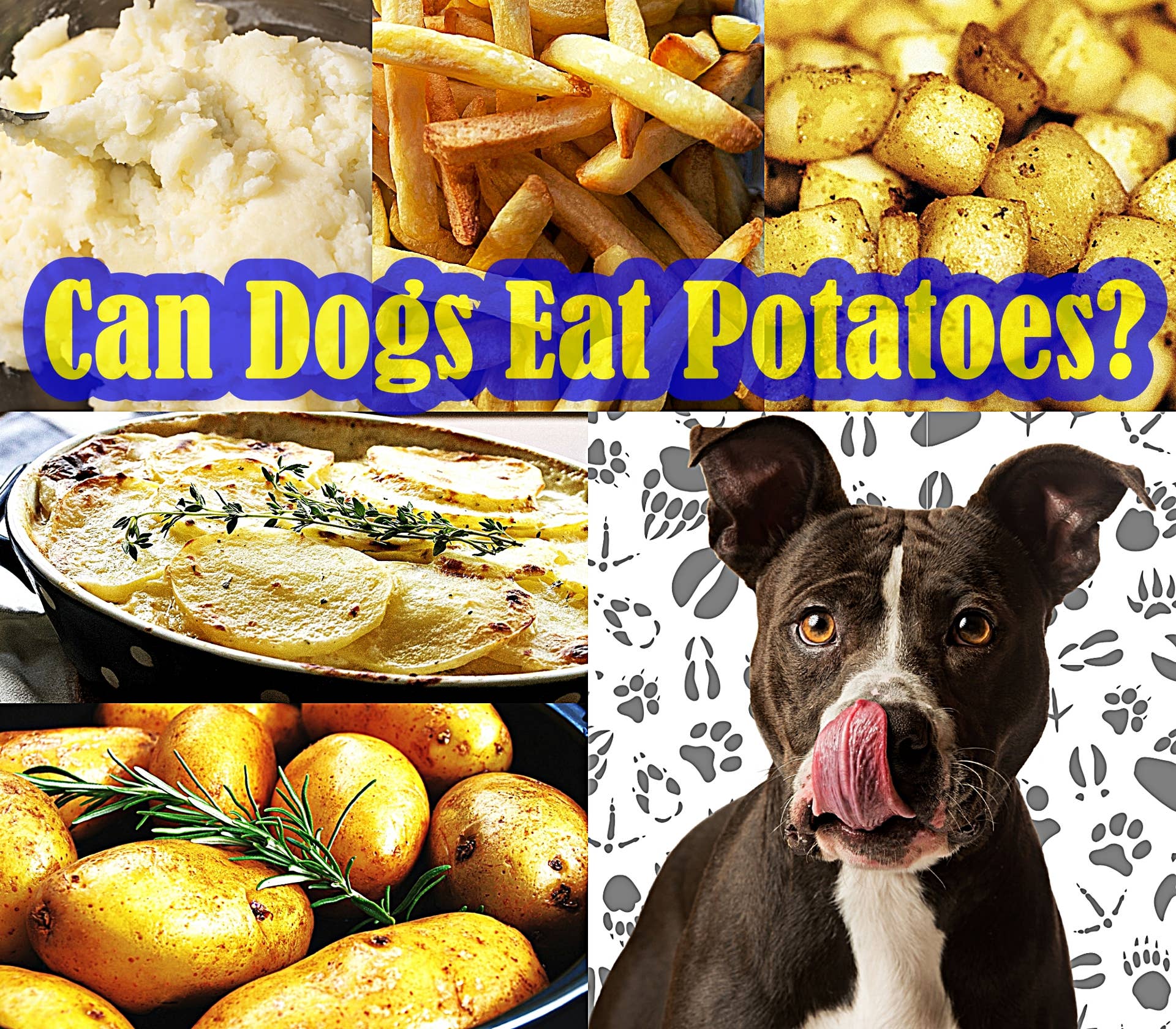
Credit: paradepets.com
Frequently Asked Questions
Can Dogs Eat Boiled Potatoes Safely?
Yes, dogs can eat boiled potatoes safely in moderation. Potatoes provide essential nutrients like vitamins B6 and C. Always ensure they are cooked without any seasonings or additives. Remove any green parts or sprouts to prevent solanine poisoning. Consult your vet for portion recommendations.
Is Potato Skin Safe For Dogs?
Potato skin is generally safe for dogs if cooked properly. It contains fiber and nutrients beneficial for digestion. However, always wash thoroughly to remove pesticides and avoid feeding green or sprouting skins. Introduce slowly to monitor any digestive issues or allergies.
How Much Boiled Potato Should I Feed My Dog?
Moderation is key when feeding boiled potatoes to dogs. As a treat, it should not exceed 10% of their daily caloric intake. Start with small portions and observe your dog’s reaction. Always balance treats with a nutritionally complete diet to maintain health.
Can Potatoes Cause Allergies In Dogs?
Potatoes can cause allergies in some dogs, although it’s rare. Symptoms include itching, digestive upset, or ear infections. If you suspect an allergy, stop feeding potatoes and consult your vet. They can recommend allergy testing or alternative carbohydrate sources for your dog’s diet.
Conclusion
Boiled potatoes with skin can be safe for dogs. They offer nutrients like fiber and vitamins. Always serve them plain, without salt or butter. Monitor your dog for any reactions. Some dogs might not digest potatoes well. Moderation is key to avoid stomach issues.
Consult your vet if unsure. Every dog is different, so observe their response. Potatoes should be a treat, not a meal replacement. Keep your furry friend healthy and happy with balanced meals. Remember, a varied diet is best for dogs.


