Are you considering switching your furry friend to a raw diet? Wondering how much to feed your dog on this new meal plan?
You’re in the right place. Feeding your dog a raw diet can be a rewarding choice, offering numerous health benefits. However, knowing the right amount to serve is crucial to ensure your pet remains healthy and happy. Imagine the joy of watching your dog thrive, with more energy, a shinier coat, and improved digestion.
You can achieve this by learning the perfect portion sizes and understanding your dog’s unique needs. This article is here to guide you through this process, providing clear and actionable tips to make sure your canine companion gets just the right amount of nutrition. Dive in to discover how you can make the best choices for your dog’s well-being.
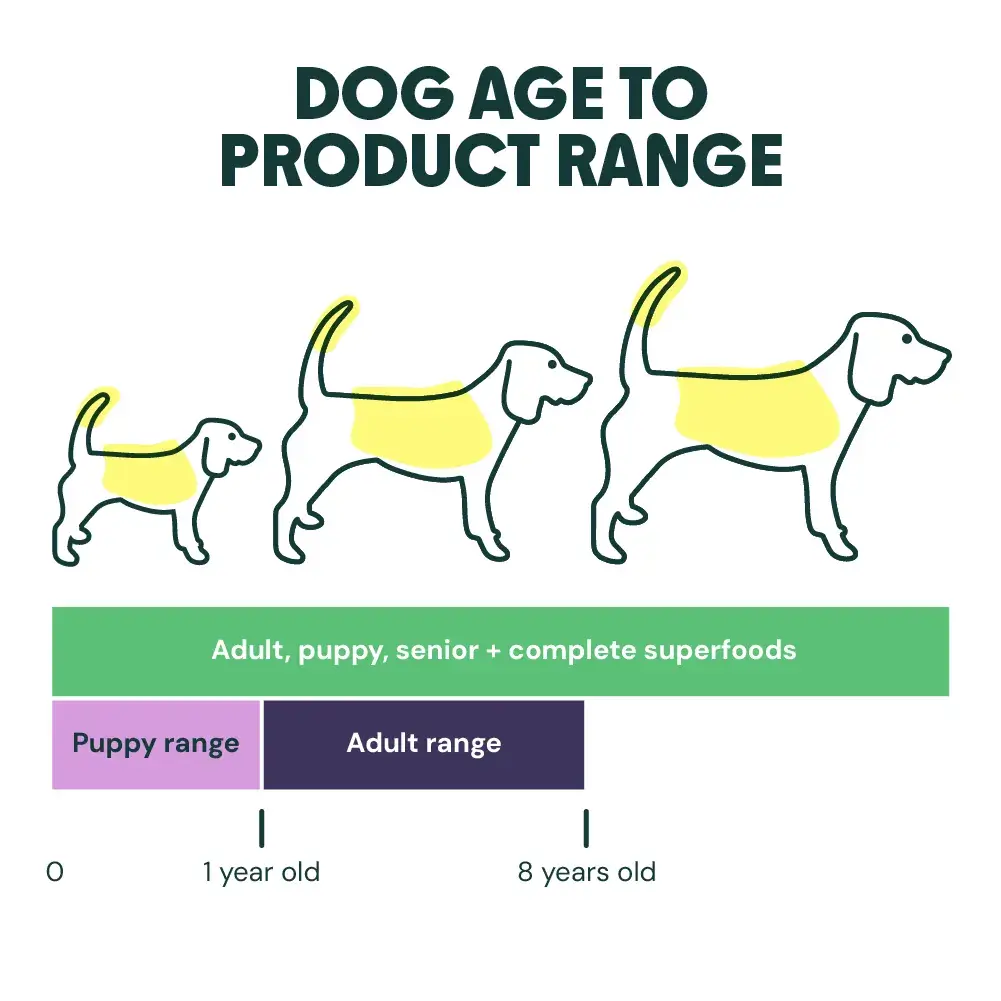
Credit: www.bellaandduke.com
Benefits Of A Raw Diet For Dogs
Determining the right portion size for a raw diet helps maintain your dog’s health and weight. Consider factors like age, weight, and activity level to tailor the meal. Proper portion control ensures balanced nutrition and energy.
Switching your dog to a raw diet can be a transformative step toward boosting their health and vitality. Many pet owners have noticed improvements in their dog’s coat, energy levels, and overall well-being after making this change. But why does a raw diet offer these benefits, and how can you ensure your furry friend gets the most out of it?Improved Coat And Skin Health
A raw diet often leads to a shinier coat and healthier skin. When my dog, Max, started on raw food, his dull fur turned glossy within weeks. This transformation is due to the high levels of omega-3 fatty acids found in many raw meats, which nourish the skin and fur from the inside out.Higher Energy Levels
Have you noticed your dog feeling sluggish after meals? A raw diet could be the answer. Many pet owners report that their dogs become more energetic and playful after switching to raw food. This boost in energy is often attributed to the absence of fillers and preservatives found in processed dog foods.Better Dental Health
Raw bones and meats can act as natural toothbrushes for your dog. Chewing on raw bones helps reduce plaque and tartar buildup, promoting healthier gums and teeth. My vet once remarked on how clean Max’s teeth were, all thanks to his new diet.Smaller, Less Smelly Stools
Switching to a raw diet can also lead to smaller, less odorous stools. This is because raw food is more easily digestible, leaving less waste. Max’s bathroom habits improved significantly, making cleanup a breeze.Reduced Allergies And Sensitivities
Does your dog frequently scratch or bite their skin? A raw diet might alleviate these issues. Many processed foods contain allergens that can irritate your dog’s system. By feeding a raw diet, you can eliminate potential allergens and observe any improvements in your dog’s symptoms. Are you ready to see these benefits in your own dog? Transitioning to a raw diet could be the key to unlocking a healthier, happier life for your pet.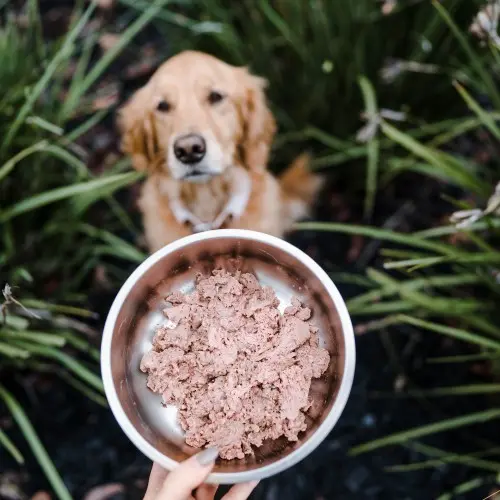
Credit: wefeedraw.com
Determining The Right Portion Size
Finding the right portion size for a raw diet is essential for your dog’s health. Consider your dog’s weight, age, and activity level. Adjust meals to maintain an ideal body condition.
Determining the right portion size for your dog’s raw diet can feel like a balancing act. You want to ensure they’re getting enough nutrients without overfeeding. The right portion size depends on several factors, and understanding these can help you tailor a diet plan that suits your dog’s unique needs.Factors Influencing Portion Size
Several elements play into how much raw food your dog should consume. Body weight is a primary factor—larger dogs need more food than smaller ones. But it’s not just about size; metabolism rates can vary significantly from one dog to another. Consider the time of year. Dogs may need more food in winter to maintain body heat, while summer might require lighter portions. It’s also wise to observe your dog’s behavior. Are they begging for more, or leaving food untouched? Adjust portions based on these cues.Age And Activity Level Considerations
A dog’s age and activity level significantly affect their dietary needs. Puppies, with their rapid growth and high energy, often require more frequent meals with higher calories. In contrast, senior dogs may benefit from smaller portions to prevent weight gain and support joint health. Active dogs, such as those involved in agility or herding, will demand larger portions to fuel their exertion, while couch potatoes might need less.Breed-specific Needs
Different breeds have unique dietary requirements, influencing portion size. For example, a Border Collie, with its boundless energy, might require more food than a laid-back Basset Hound. Consult breed-specific guidelines to understand typical calorie needs and adjust based on your dog’s lifestyle. Remember, even within breeds, individual variations exist, so it’s crucial to monitor your dog’s weight and energy levels regularly. Finding the perfect balance is a journey, not a destination. Regularly reassess your dog’s condition and adjust as needed. Are you observing any changes that might require a diet tweak?Components Of A Balanced Raw Diet
Determining how much to feed your dog on a raw diet involves understanding key components. Balance proteins, fats, and carbohydrates for optimal health. Regularly adjust portions based on your dog’s age, weight, and activity level.
A balanced raw diet for dogs provides essential nutrients. This ensures your pet stays healthy and energetic. Understanding the components is key to proper feeding.Protein Sources
Protein is the foundation of a raw diet. It supports muscle growth and repairs tissues. Ideal sources include:- Chicken
- Beef
- Lamb
- Turkey
Essential Fats
Fats are vital for energy and a shiny coat. Choose healthy fat sources:- Fish oil
- Chicken fat
- Duck fat
Vitamins And Minerals
Vitamins and minerals boost immunity and overall health. Include these in your dog’s diet:- Bone meal for calcium
- Liver for vitamin A
- Leafy greens for iron
Calculating Daily Caloric Needs
Feeding your dog a raw diet requires careful planning. Understanding how much to feed is crucial for their health. Calculating daily caloric needs helps ensure your dog gets the right nutrition.
Understanding Caloric Requirements
Every dog has unique caloric needs. These depend on their age, weight, and activity level. Puppies need more calories than adult dogs. Active dogs require more energy than sedentary ones. Senior dogs may need fewer calories. It’s essential to tailor the diet to your dog’s specific needs.
Consider your dog’s breed and size. Small breeds generally need fewer calories. Larger breeds require more energy. Monitor your dog’s weight and adjust the diet as needed. Regular check-ups with a vet can help ensure the diet is appropriate.
Using A Calorie Calculator
A calorie calculator makes it easy to determine caloric needs. Input your dog’s weight, age, and activity level. The calculator will provide a daily calorie goal. This helps in planning meals accurately.
Many online calculators are available. Ensure the calculator is reputable and designed for raw diets. Use the results as a guide. Observe your dog’s response to the diet. Adjust the calories based on weight changes or energy levels.
Remember, individual needs can vary. It’s important to monitor and tweak the diet as necessary. Keep track of your dog’s health and energy. This ensures the diet remains balanced and effective.
Adjusting Portions Over Time
Adjusting portion sizes gradually helps your dog adapt to a raw diet. Monitor weight and energy levels regularly. This ensures your pet gets the right nutrients without overeating.
Adjusting your dog’s raw diet portions over time is essential. Dogs’ nutritional needs change as they grow and age. A proper feeding routine helps maintain their health and weight. It’s crucial to monitor their response to the diet. This will ensure they receive the right amount of nutrients.Monitoring Weight And Health
Regularly check your dog’s weight and body condition. Use a pet scale or visit the vet for accuracy. Keep an eye on their energy levels and coat condition. A shiny coat and active behavior are good signs. Adjust portions based on these observations.Signs Of Overfeeding Or Underfeeding
Watch for signs of overfeeding, like weight gain or lethargy. A bulging belly or excessive gas can also indicate overfeeding. On the other hand, underfeeding signs include weight loss and low energy. A dull coat or visible ribs can also signal underfeeding. Adjust meals accordingly to keep your dog healthy.
Credit: wefeedraw.com
Common Mistakes And How To Avoid Them
Feeding your dog a raw diet can be healthy. But it’s crucial to avoid common mistakes. Understanding these pitfalls helps ensure your pet stays healthy. Let’s explore some frequent errors and how to avoid them.
Over-reliance On Meat
Many believe raw diets mean only meat. This isn’t true. Dogs need variety in their diet. Solely feeding meat can lead to nutrient deficiencies. Introduce organs, bones, and vegetables. These provide essential nutrients and minerals. Balance is key for a healthy diet.
Ignoring Nutritional Balance
A balanced diet is crucial. Dogs need proteins, fats, and carbohydrates. Missing any of these can harm their health. Use supplements if necessary. Consult a vet for a proper meal plan. They help ensure your dog gets everything it needs.
Neglecting Hydration
Hydration is often overlooked in raw diets. Dogs need plenty of water daily. Raw food contains some moisture but not enough. Always provide fresh water. Monitor your dog’s water intake closely. It’s vital for their overall well-being.
Consulting A Veterinarian
Consulting a veterinarian helps determine the right portion size for your dog’s raw diet. They offer tailored advice based on your pet’s age, weight, and activity level. Ensure your dog’s health with expert guidance.
Consulting a veterinarian is crucial when transitioning your dog to a raw diet. They provide expert advice tailored to your dog’s needs. A raw diet can be beneficial, but it requires careful planning. Veterinarians help ensure your dog receives balanced nutrition and avoids potential health risks.Importance Of Professional Guidance
Veterinarians have extensive knowledge about dog nutrition. They can guide you on portion sizes and food combinations. Their expertise helps prevent nutritional deficiencies. They consider your dog’s age, weight, and activity level. Professional guidance ensures a well-rounded diet plan.Regular Health Check-ups
Regular check-ups are vital for monitoring your dog’s health. They help detect any dietary issues early. Veterinarians can adjust the diet based on health changes. These visits ensure your dog stays healthy and energetic. Regular assessments are a proactive approach to wellness.Success Stories And Testimonials
Discover real-life experiences of pet owners transitioning their dogs to raw diets. These testimonials reveal insights into ideal feeding amounts, ensuring a balanced and healthy diet. Learn from success stories about how dog owners adjusted portions and improved their pets’ well-being.
Switching your dog to a raw diet can be a transformative experience. Many dog owners have witnessed remarkable changes in their pets’ health and happiness. Success stories and testimonials offer real-life proof of the benefits of feeding your dog raw food. They provide a sense of community and reassurance for those new to this approach. Hearing about the positive outcomes others have experienced can inspire you to give it a try, knowing you’re not alone on this journey.Real-life Transformations
Take Sarah and her Labrador, Max. Max struggled with persistent allergies and a dull coat. After transitioning to a raw diet, Sarah noticed a change within weeks. Max’s allergies eased, and his coat became shiny and vibrant. It’s these transformations that make raw feeding so appealing.
Increased Vitality And Energy
Imagine seeing your dog more energetic and playful. That’s what happened to John with his Beagle, Daisy. On a raw diet, Daisy’s energy levels soared, making playtime much more enjoyable. This boost in vitality is a common theme among raw diet success stories.
Improved Digestion
Digestive issues can be a constant worry for dog owners. When Lisa switched her German Shepherd, Rocky, to raw food, she saw a marked improvement in digestion. Rocky’s upset stomachs and irregular bowel movements became a thing of the past. This kind of relief is invaluable.
Testimonials From Pet Owners
Listening to others can be motivating. Many pet owners share their experiences online, detailing the positive changes they’ve seen. They talk about healthier weights, cleaner teeth, and even better behavior. These testimonials provide a wealth of information and motivation for the raw diet journey.
Questions To Consider
Are you curious about how a raw diet could change your dog’s life? Reading success stories can help you visualize the potential benefits. Consider what changes you’d like to see in your pet. Could a raw diet be the answer? These stories might just be the encouragement you need to start.
Frequently Asked Questions
How Much Raw Food Should I Feed My Dog?
The amount depends on your dog’s weight, age, and activity level. Typically, feed 2-3% of their body weight daily. Puppies and active dogs may need more. Monitor your dog’s weight and adjust portions accordingly for optimal health.
Can I Mix Raw And Kibble For My Dog?
Yes, you can mix raw and kibble. However, ensure a balanced diet by consulting with a vet. Mixing can ease the transition to raw and provides variety. Monitor your dog’s digestion and health when mixing foods.
Is Raw Feeding Safe For Dogs?
Raw feeding can be safe if done correctly. Ensure balanced nutrition and handle food hygienically to avoid bacteria. Consult a vet for advice tailored to your dog’s needs. Regular health checks are recommended to ensure optimal well-being.
How Often Should I Feed My Dog Raw Food?
Feed your dog raw food twice daily for balanced nutrition. Puppies may require more frequent meals. Consistent feeding times help with digestion. Monitor your dog’s energy and weight to ensure they’re receiving adequate nutrition.
Conclusion
Feeding your dog a raw diet is all about balance. Keep portion sizes suitable for their age, weight, and activity level. Monitor your dog’s health and adjust as needed. Consult with a vet for personalized advice. Your dog’s happiness and health should guide your choices.
Use fresh, quality ingredients. Make meal times enjoyable and safe. Learn and adapt to your dog’s needs over time. A well-fed dog is a happy companion. Keep it simple and consistent for best results. Stay informed and patient. Enjoy the journey of feeding your dog raw food.