Are you considering using a shock collar for your beloved dog? It’s natural to wonder about their safety and effectiveness.
Your furry friend means the world to you, and you want to ensure their well-being. But with conflicting opinions and information out there, it can be challenging to make an informed decision. This article will uncover everything you need to know about shock collars.
We’ll explore their potential benefits, risks, and alternatives. By the end, you’ll feel confident in making the best choice for your dog’s training and safety. So, let’s dive in and discover whether shock collars are truly safe for your four-legged companion.
What Are Shock Collars?
When considering training tools for your dog, you might come across shock collars. Often a subject of heated debate, these devices are designed to help control or curb unwanted behaviors in dogs. But what exactly are shock collars, and how do they function in the realm of pet training?
Types Of Shock Collars
Shock collars, also known as e-collars or electronic collars, come in various types, each serving a unique purpose. Generally, you’ll find three main types:
- Bark Collars:These are specifically designed to address excessive barking. They automatically deliver a static shock when your dog barks, aiming to discourage the behavior.
- Training Collars:Controlled by a remote, these collars allow you to correct different behaviors, from jumping on guests to ignoring commands.
- Invisible Fence Collars:Used in conjunction with an invisible or underground fence, these collars prevent dogs from leaving the designated area by delivering a shock if they try to cross the boundary.
How Shock Collars Work
The basic principle behind shock collars is to deliver an unpleasant stimulus to correct or deter specific behaviors. But how do they actually work? Typically, a shock collar will have several settings, ranging from a mild vibration to more intense static shocks. These settings allow you to adjust the level of correction based on your dog’s size, temperament, and the severity of the behavior being addressed.
Imagine you’re out for a walk, and your dog spots a squirrel. Instead of lunging toward it, a quick press on the remote of a training collar can remind them to stay focused on you. However, it’s crucial to remember that not all dogs react the same way to shock collars. Have you considered how your dog might perceive these corrections? Some dogs might become anxious, while others may not respond at all.
Ultimately, the key to using shock collars effectively lies in understanding your dog’s unique needs and temperament, always prioritizing their well-being over the convenience of quick fixes. Are shock collars the right choice for you and your furry friend? That’s a question only you can answer, armed with the right information and understanding of your pet’s behavior.

Credit: www.calmshops.co.uk
Intended Use Of Shock Collars
Shock collars for dogs often spark debate among pet owners. Understanding their intended use can guide you in making an informed decision. Shock collars, when used correctly, can be a tool for training and behavioral correction. However, it’s crucial to know how to use them effectively and ethically.
Training Purposes
Shock collars are primarily designed for training purposes. They can help reinforce commands and establish boundaries. Many trainers use them to teach dogs to respond to basic commands like “sit,” “stay,” or “come” from a distance.
Imagine trying to train your dog in a busy park. A shock collar can provide immediate feedback, helping your dog focus on your commands. Consistent use, combined with positive reinforcement, often leads to quicker learning.
Yet, you should ask yourself: Is this training method suitable for your dog’s temperament? Not all dogs respond well to shock-based feedback. Always consider your dog’s personality and sensitivity before proceeding.
Behavioral Correction
Behavioral correction is another common use for shock collars. They can deter unwanted behaviors like excessive barking or jumping. For instance, if your dog barks uncontrollably, a gentle shock can interrupt the behavior and refocus their attention.
However, relying solely on shock collars for behavioral correction can be risky. It’s essential to use them as part of a broader strategy. Combine them with positive reinforcement to encourage good behavior, ensuring your dog feels supported and understood.
Reflect on this: Are you using the collar as a shortcut? Behavioral issues often require comprehensive solutions. Evaluate whether the collar complements other training efforts to foster long-term improvement.
Potential Risks And Concerns
Shock collars, often used for training, come with significant risks. These devices may cause harm to your dog in various ways. Understanding the potential dangers is crucial for responsible pet ownership.
Physical Impact On Dogs
Shock collars can cause physical discomfort. Dogs might experience burns or skin irritations. In severe cases, they can suffer from open sores. These injuries can lead to infections if not treated promptly.
Psychological Effects
Shock collars can lead to fear and anxiety in dogs. They might associate the shock with their environment, not their behavior. This can make them nervous or aggressive. Such emotional stress impacts their overall wellbeing.
Long-term Consequences
Long-term use of shock collars can have lasting effects. Dogs may develop chronic stress. This stress can weaken their immune system over time. Behavioral issues might also become more severe, complicating future training efforts.
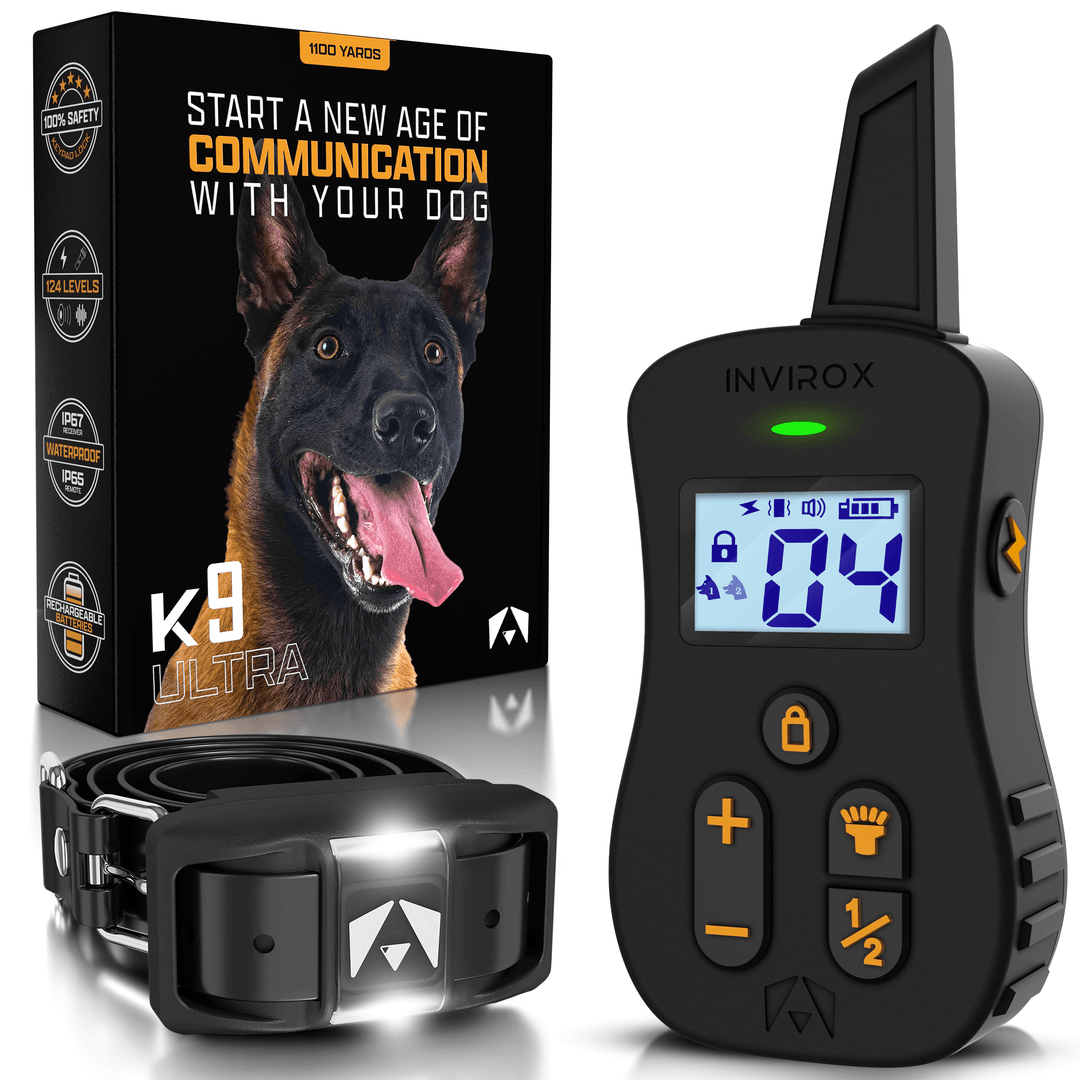
Credit: www.invirox.com
Expert Opinions On Shock Collars
Deciding whether shock collars are a safe and effective method for training dogs is a decision many pet owners face. It’s essential to consider expert opinions when weighing the pros and cons of using such devices. Understanding the perspectives of veterinarians and animal behaviorists can offer valuable insights into the potential impacts on your furry friend.
Veterinary Perspectives
Veterinarians often approach the topic of shock collars with caution. They emphasize the importance of understanding the individual needs of each dog. Shock collars can cause physical discomfort and stress, which may lead to long-term health issues. For instance, some vets have noted cases where dogs developed anxiety or aggressive behavior due to the use of shock collars.
Before considering a shock collar, consult your vet about alternative training methods. Positive reinforcement techniques, such as treats or praise, are widely recommended. They can create a more supportive environment and strengthen the bond between you and your dog. Wouldn’t you prefer a training method that ensures your dog feels loved and secure?
Animal Behaviorists’ Views
Animal behaviorists often argue against the use of shock collars. They focus on the psychological effects, noting that these devices can instill fear rather than correct behavior. Shock collars may alter your dog’s natural instincts, leading to confusion and stress.
Behaviorists advocate for training methods that encourage understanding and cooperation. Techniques like clicker training can be effective, fostering a sense of trust and communication. Imagine the satisfaction of seeing your dog learn through positive interaction rather than fear. Why not explore methods that celebrate your dog’s achievements and strengthen your relationship?
Alternatives To Shock Collars
Exploring alternatives to shock collars helps ensure dog safety and well-being. Gentle training methods like positive reinforcement encourage better behavior. Using these techniques fosters trust and strengthens the bond between you and your dog.
When it comes to training your dog, shock collars often come up as a controversial topic. Many pet owners are concerned about their safety and effectiveness. If you’re looking for alternatives that are both humane and effective, you’re in the right place. Let’s explore some positive reinforcement techniques and non-invasive training tools that can help your furry friend learn without the fear and discomfort associated with shock collars.Positive Reinforcement Techniques
Positive reinforcement involves rewarding your dog for desired behaviors, encouraging them to repeat those actions. Imagine the joy of watching your dog learn a new trick simply because they love earning treats or praise. Consider using treats, toys, or verbal praise to motivate your dog. Keep sessions short to maintain their interest. Consistency is key; make sure your dog understands the connection between their action and the reward. What behaviors do you want to encourage in your dog? Focus on those and celebrate their progress.Non-invasive Training Tools
Non-invasive tools offer gentle methods to guide your dog’s behavior without causing harm. These tools are perfect for ensuring your dog’s safety while training. Try using clickers, which make a distinct sound to mark desired behavior, helping your dog associate the sound with positive outcomes. Harnesses are great for controlling pulling during walks without putting pressure on your dog’s neck. Consider using scent training tools to engage your dog’s natural instincts, turning training into a fun game. Have you tried these tools with your pet? You might be surprised by how effective they can be.Regulations And Guidelines
Shock collars for dogs raise safety concerns among pet owners and experts. Regulations and guidelines aim to ensure humane use. Understanding these rules helps in making informed decisions for your pet’s well-being.
Understanding the regulations and guidelines surrounding shock collars is essential for any dog owner considering their use. Shock collars can be controversial, and knowing the legal boundaries and best practices can help you make an informed decision. It’s crucial to ensure that your approach to training prioritizes the safety and well-being of your furry friend.Legal Restrictions
Legal restrictions on shock collars vary widely depending on where you live. In some countries, like Germany and Sweden, the use of shock collars is completely banned. Meanwhile, in many regions across the United States, these devices are permitted but regulated. Before purchasing a shock collar, check the local laws in your area. Are there specific requirements or restrictions on their use? Ignoring legal guidelines can result in fines or more severe consequences.Recommended Practices
When using shock collars, it’s important to follow recommended practices to ensure your dog’s safety. Start by consulting a professional dog trainer who has experience with these devices. They can provide valuable insights and demonstrate proper techniques. Limit the use of shock collars to specific behaviors that cannot be corrected through other training methods. Always use the lowest effective shock level to minimize discomfort. Regularly check the collar fit to prevent irritation or injury to your dog’s neck. Have you considered the impact of using a shock collar on your dog’s mental and emotional health? Monitoring your dog’s response and adjusting your approach can make a significant difference in their overall well-being.Case Studies And Real-life Examples
Understanding the safety of shock collars for dogs requires examining real-life examples. Some pet owners have shared both positive and negative experiences. Their stories provide valuable insights. These case studies highlight both effective use and potential misuse.
Successful Use Cases
In some cases, shock collars have helped train dogs effectively. One owner reported a positive change in their dog’s behavior. The dog stopped excessive barking within a week. Another user mentioned improved recall in their hunting dog. The collar provided a controlled way to correct behavior. Some trainers use the lowest settings to achieve results. They emphasize the importance of proper training and guidance.
Instances Of Misuse
Not all experiences with shock collars are positive. Some owners have misused these devices, causing harm. One case involved a dog developing anxiety due to improper use. The owner used high settings without guidance. Another report mentioned physical injuries to a dog’s neck. This happened due to prolonged use without breaks. Misuse often stems from lack of understanding and training.
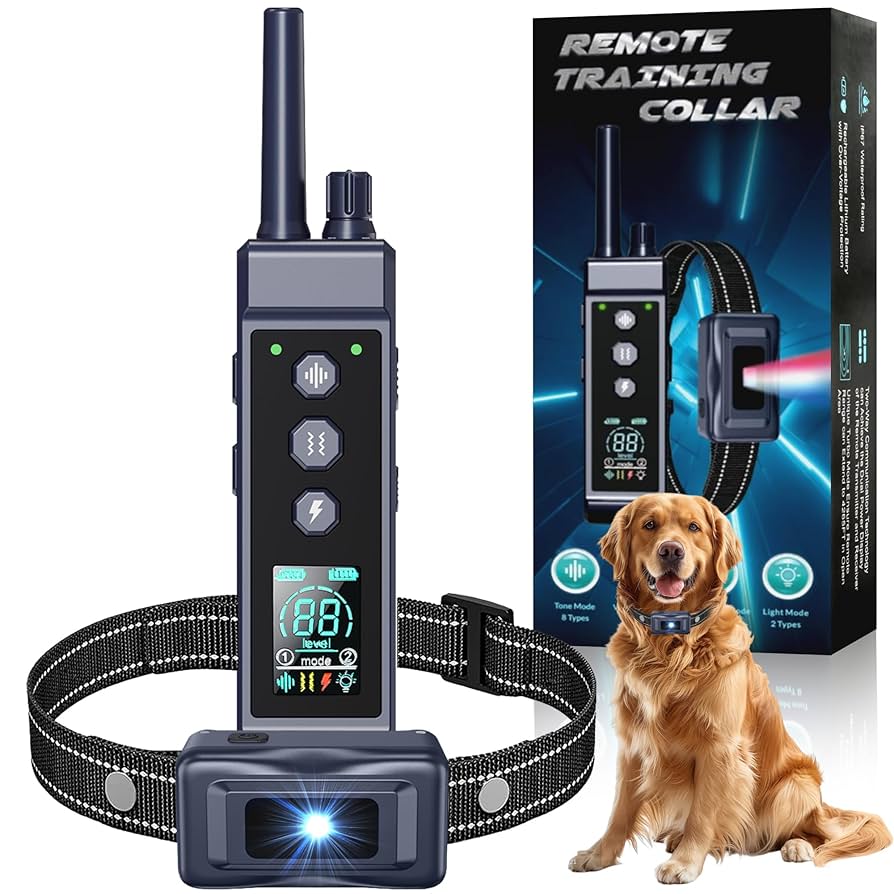
Credit: www.amazon.com
Frequently Asked Questions
Are Shock Collars Harmful To Dogs?
Shock collars can cause physical and emotional harm if not used correctly. They deliver electric shocks, which may lead to anxiety or aggression in dogs. Proper training and guidance are essential to minimize risks. Consult a professional trainer before using a shock collar to ensure your dog’s safety and well-being.
How Do Shock Collars Affect Dog Behavior?
Shock collars can alter dog behavior by discouraging unwanted actions. However, they may also cause fear or anxiety, impacting overall behavior negatively. Positive reinforcement is often a more effective method for training dogs. Understanding your dog’s needs and temperament is crucial when considering behavioral training tools.
Can Shock Collars Be Used On Puppies?
Using shock collars on puppies is generally not recommended. Puppies are still learning and developing, and shock collars can cause fear or confusion. Positive reinforcement techniques are more suitable for puppies. Consult a professional trainer to find appropriate methods for training young dogs without causing harm.
Are There Alternatives To Shock Collars?
Yes, there are several alternatives to shock collars. Positive reinforcement, clicker training, and ultrasonic collars can effectively train dogs without causing harm. These methods focus on rewarding desired behaviors rather than punishing unwanted ones. Consulting a professional trainer can help identify the best training approach for your dog.
Conclusion
Deciding on shock collars requires careful thought. Safety is the main concern. Some argue they train effectively. Others worry about harm or stress. It’s important to research thoroughly. Talk to a vet for advice. Consider the dog’s temperament and needs.
Explore alternatives like positive reinforcement. Training should build trust, not fear. Responsible pet care ensures a happy, healthy dog. Prioritize methods that promote well-being. Make informed choices for your furry friend. Remember, each dog is unique. Tailor training to suit their personality.
Keep their best interests in mind. Always choose what’s safe and kind.