Are you trying to find the perfect dog crate size for your furry friend? It’s not just about picking the first crate you see.
Choosing the right size is crucial for your dog’s comfort and safety. Imagine your dog feeling cozy, secure, and calm in a space that’s just right for them. This guide will help you figure out exactly how to choose the perfect size crate that fits your dog’s needs.
You’ll learn simple steps to measure your dog, understand crate dimensions, and make an informed decision. By the end, you’ll be confident in selecting a crate that makes your dog feel at home, whether it’s for travel, training, or just a cozy spot to relax. Keep reading, because your dog’s happiness depends on it!
Importance Of The Right Crate Size
Choosing the correct dog crate size ensures your pet’s comfort and safety. It provides enough space for movement, helping your dog feel secure and relaxed. Proper sizing prevents stress and promotes positive crate experiences.
The right crate size for your dog is more important than you might think. It’s not just about comfort; it’s about safety, security, and overall well-being. Choosing the wrong size can lead to stress and anxiety for your furry friend, affecting their health and happiness.Ensuring Comfort And Safety
A crate that’s too small can feel like a prison to your dog, while one that’s too large might not provide the sense of security they need. Consider your dog’s size and behavior. For example, a medium-sized dog needs enough space to stand, turn around, and lie down comfortably. Measure your dog’s height from the floor to the top of their head and their length from nose to tail, then add a few inches to each measurement for the perfect fit.Promoting Positive Behavior
An appropriately sized crate can be an effective tool in training. Dogs naturally seek a den-like space for rest, and a well-sized crate can encourage this instinct. Think about your dog’s habits. If they like to chew or dig, a smaller crate might discourage unwanted behavior by limiting their space to misbehave.Facilitating Travel And Transport
The right crate size is crucial for travel, whether by car or air. Airlines have specific requirements, and a crate that fits your dog snugly but comfortably is necessary for their safety. Imagine traveling with peace of mind, knowing your dog is secure and comfortable. Check the airline’s specific crate dimensions to ensure compliance and avoid last-minute stress.Supporting Health And Well-being
A crate that fits well can also support your dog’s physical health. A cramped space might lead to joint and muscle problems over time. Ask yourself if your dog can stretch out and relax in their crate. If not, it might be time to reconsider the size.Adapting To Growth And Changes
Puppies grow, and their crate needs can change rapidly. Opt for a crate with a divider panel that can be adjusted as your puppy grows. This way, you won’t need to buy a new crate every few months. Plan ahead and choose a versatile option that accommodates your puppy’s changing size.Measuring Your Dog
Choosing the right crate size keeps your dog comfortable and secure. Accurate measurements ensure the crate fits well and provides enough space. Understanding how to measure your dog properly is essential.
Height Measurement
Measure your dog from paw to the top of the head. If your dog has pointed ears, measure to the tips. A few extra inches will allow comfortable standing and movement. This height ensures your dog can move freely.
Length Measurement
Measure from the nose to the base of the tail. Add a few inches to the length for comfort. This added space lets your dog stretch and relax. A proper length helps avoid stress and discomfort.
Weight Considerations
Consider your dog’s weight to ensure the crate can support it. Check the crate’s weight limit before buying. A suitable crate supports your dog’s weight comfortably. This prevents any accidents or breakage.
Types Of Dog Crates
Choosing the right type of dog crate is crucial for your pet’s comfort and safety. With various options available, it’s essential to understand the differences to make an informed decision. Let’s dive into the common types of dog crates and discover their unique features.
Wire Crates
Wire crates are a popular choice due to their durability and visibility. They allow for excellent ventilation, making them ideal for warmer climates. You can easily see your dog, and they can see you, which helps reduce anxiety.
These crates are often collapsible, making them convenient for storage and transport. They come with removable trays, simplifying cleaning. However, consider the noise factor—dogs that are restless might rattle the cage, which can be annoying.
Plastic Crates
Plastic crates provide more privacy for your dog, making them perfect for pets that prefer a den-like environment. They are sturdy and often used for air travel, meeting airline standards. Their enclosed design can help keep your dog calm.
While they’re not as easy to store as wire crates, they offer excellent insulation. Think about your dog’s habits—if they love to chew, a plastic crate might be more durable compared to softer materials.
Soft-sided Crates
Soft-sided crates are lightweight and portable, ideal for small dogs and short trips. They’re easy to set up and pack away, making them perfect for vacations or trips to the vet. The soft materials provide comfort, but they might not be suitable for heavy chewers.
These crates offer less ventilation compared to wire options, so ensure they suit the environment you’re in. Consider how often you’ll travel with your dog—if they accompany you frequently, a soft-sided crate could be your best friend.
Which type of crate do you think suits your dog’s personality and needs best? Choosing wisely can make all the difference in their comfort and your peace of mind.

Credit: carlsonpetproducts.com
Choosing The Correct Size
Choosing the correct size for your dog’s crate is crucial for their comfort and safety. It might seem simple, but there’s a lot more to consider than just your dog’s size. A poorly sized crate can cause anxiety or discomfort, while a perfect fit can be a haven for your furry friend. So, how do you ensure you’re getting it right? Let’s delve into the factors you need to consider.
Space For Movement
Imagine being confined to a space where you can’t stretch or turn around. Not very appealing, right? Your dog needs room to move within their crate. They should be able to stand up, turn around, and lie down comfortably. Measure your dog from the tip of their nose to the base of their tail and add a few inches to get the ideal length.
Consider their height as well. Dogs should have enough headroom to stand comfortably. If they feel cramped, it could lead to stress or discomfort. Think about what you would need for a long journey. A snug fit is good, but too tight is a no-go.
Comfort And Safety
Safety is paramount when choosing a crate size. If it’s too large, your dog might get tossed around during travel. Too small, and they might feel suffocated. Balance is key. Provide a cozy space where your dog feels secure, like their own little den.
Include soft bedding to enhance comfort. If your dog is prone to chewing, opt for durable materials. A comfortable crate can be a safe haven, making them feel secure when you’re not around.
Growth Considerations
Puppies grow quickly, so what fits today might be too small tomorrow. Consider purchasing a crate with adjustable panels. This allows you to increase the space as your puppy grows, ensuring the crate remains suitable over time.
Think ahead. If your dog is a breed known for rapid growth, invest in a crate that can adapt. Measure their potential adult size rather than their current size to avoid frequent replacements. This foresight saves money and keeps your dog comfortable as they grow.
In choosing a dog crate, remember it’s about more than just size. It’s about creating a space where your dog feels safe, comfortable, and happy. What would make your dog feel at home in their crate?
Common Mistakes In Crate Sizing
Choosing the right size for a dog crate is crucial for your pet’s comfort and safety. Many pet owners make common mistakes that can lead to discomfort or anxiety for their dogs. Understanding these pitfalls can help ensure that your furry friend feels secure and content in their space.
Overestimating Size
Some owners believe a bigger crate is always better. Large crates might seem spacious, but dogs prefer cozy spaces. Too much room can lead to anxiety. Dogs may not feel secure in a vast area. It’s essential to find a balance between comfort and security.
Underestimating Size
A crate that’s too small can be uncomfortable and restrictive. Dogs need enough room to stand, turn, and lie down comfortably. A cramped space can lead to stress or even physical issues. Always measure your dog and compare it with crate dimensions.
Ignoring Breed Variations
Different breeds have different needs. A large breed like a Great Dane will need more space than a smaller breed like a Chihuahua. Breed-specific traits can affect crate size requirements. Consider your dog’s breed and growth patterns when selecting a crate.
Adjusting Crate Size For Puppies
Puppies grow fast. Choosing the right crate size is vital for comfort and safety. A crate too big can lead to accidents. A crate too small can cause discomfort. The solution? Adjust the crate size as your puppy grows. This ensures a cozy and secure space.
Using Dividers
Dividers help adjust crate size. These are panels placed inside the crate. They section off part of the crate to make it smaller. As your puppy grows, move the divider. This gives your puppy more space. Dividers are cost-effective. They save you from buying multiple crates.
Monitoring Growth
Regularly check your puppy’s size. Puppies grow quickly and need more room. Measure your puppy’s height and length. The crate should allow your puppy to stand, turn, and lie down comfortably. Adjust the divider as needed. Keeping track of growth ensures your puppy’s comfort.
Expert Recommendations
Choosing the right dog crate size involves measuring your dog’s length and height. Ensure they have enough space to stand, turn, and lie comfortably. Proper sizing enhances comfort and security for your furry friend.
Sizing a dog crate can be tricky. Expert advice can help. Professionals provide valuable insights for choosing the right size. These recommendations ensure comfort and safety for your pet.Veterinary Advice
Veterinarians suggest considering your dog’s full-grown size. Measure your dog from nose to tail. Add a few inches for comfort. Check the height from paws to head. This ensures enough space to stand and turn around. A crate too small may cause discomfort. A crate too large can lead to accidents.Professional Dog Trainers
Dog trainers emphasize behavior and temperament. They recommend observing your dog’s habits. Active dogs may need more space. Nervous dogs might prefer a snug fit. Trainers suggest choosing a crate that balances space and security. Test the crate with your dog inside. Ensure they can lie down and stretch comfortably.
Credit: www.sumarse.org.pa
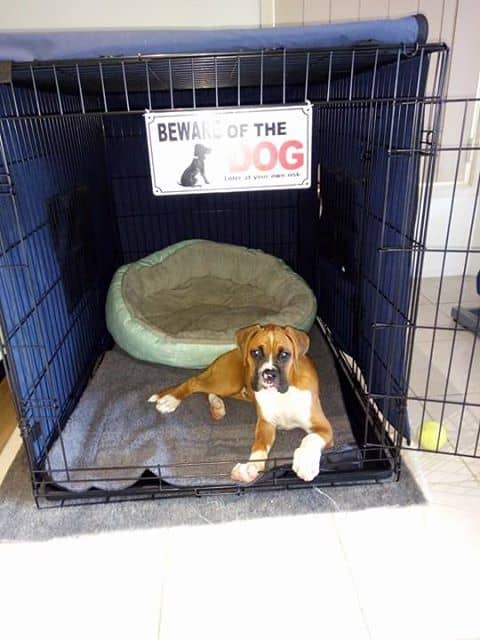
Credit: www.somerzby.com.au
Frequently Asked Questions
How Do I Measure My Dog For A Crate?
To measure your dog for a crate, record their height and length. Height is measured from the floor to the top of their head, while length is from the tip of the nose to the base of the tail. Add a few inches to each measurement for comfort.
What Size Crate Is Best For My Dog Breed?
The best crate size depends on your dog’s breed and size. Small breeds need smaller crates, while larger breeds require bigger ones. Always ensure your dog can stand, turn, and lie comfortably inside. Consider your dog’s growth if they’re still a puppy.
Can A Crate Be Too Big For My Dog?
A crate that’s too big can encourage unwanted behaviors like eliminating in one corner. Dogs feel secure in snug spaces that mimic a den. Ensure the crate is spacious enough for standing and turning but not excessively large to avoid misbehavior.
Is It Okay To Use A Crate For Traveling?
Crates are excellent for traveling as they provide security and comfort. Make sure the crate is well-ventilated and fits your dog well. Secure the crate properly to prevent shifting during travel. Check airline or vehicle regulations for specific crate requirements.
Conclusion
Sizing a dog crate correctly ensures your pet’s comfort. Measure your dog accurately. Choose a crate that allows room to stand, turn, and lie down. A snug fit helps with security and training. Larger breeds need bigger crates, while smaller ones need less space.
Consider the crate material for durability and ease of cleaning. Proper crate size supports your dog’s well-being. It makes travel and home life enjoyable. Always prioritize your pet’s needs. A well-sized crate is a happy home for your furry friend.
Keep these tips in mind for the best fit.