Is breeding dogs bad? It’s a question that might have crossed your mind, especially if you’re considering getting a new furry friend or are simply curious about the ethics behind it.
Imagine looking into the eyes of a playful pup and wondering if its existence is part of a bigger, possibly problematic picture. You might have heard whispers of controversies surrounding dog breeding, or perhaps you’ve seen heartwarming stories about rescue dogs.
Your thoughts might sway from one side to the other, but what’s the truth? You’ll uncover the layers of dog breeding, examining both sides of the coin. From ethical concerns to the impact on dog health, you’ll gain insights that could reshape your perspective. It’s not just about choosing a pet; it’s about understanding the ripple effects of breeding practices. So, grab a cup of coffee and settle in, because what you’re about to learn might surprise you and help you make informed decisions about your interactions with man’s best friend.
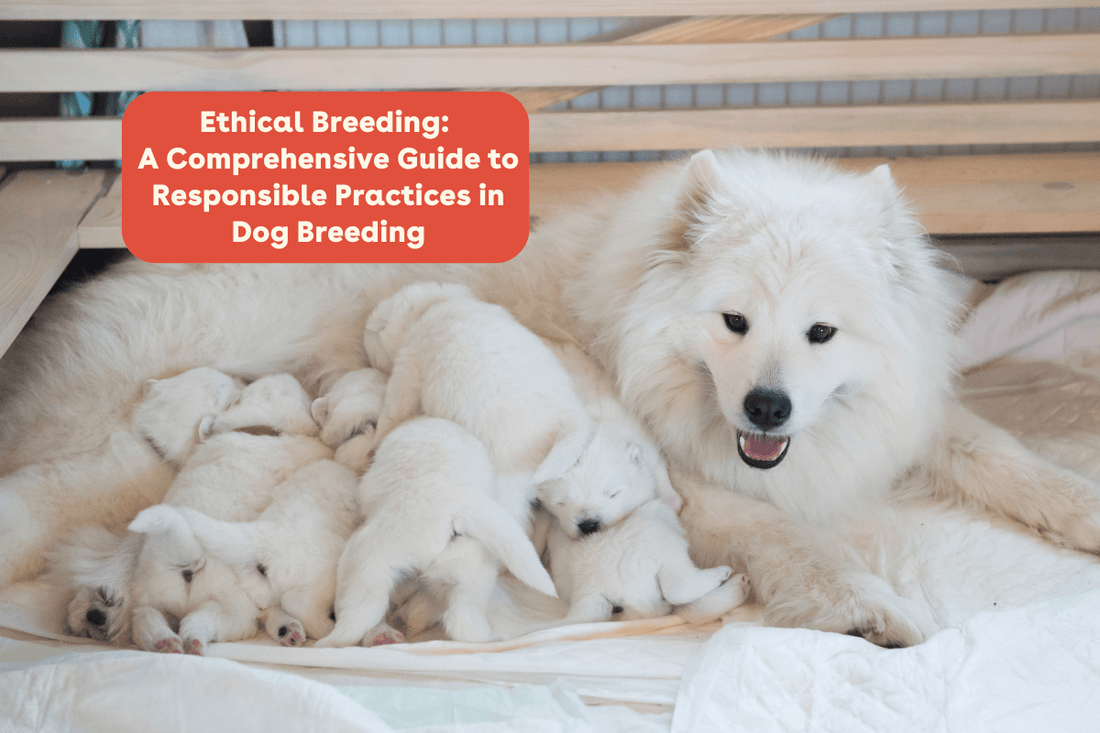
Credit: pupford.com
Ethical Concerns In Dog Breeding
Dog breeding often sparks heated debates, especially when ethical concerns come into play. While the idea of nurturing puppies might seem delightful, it raises serious questions about the morality behind breeding practices. It’s vital to consider how these practices affect the health and welfare of dogs, and the broader impact on society.
Genetic Manipulation And Health Risks
Selective breeding often leads to genetic manipulation, aiming for certain aesthetic traits. This can result in health issues such as hip dysplasia, breathing problems, and heart conditions. You might wonder if achieving a specific look is worth compromising a dog’s health.
Think about the bulldog with its signature flat face—cute, right? Yet, this trait often leads to breathing difficulties. Breeders sometimes prioritize appearance over the dog’s well-being, which can lead to lifelong suffering for these animals.
Overpopulation And Shelter Crisis
Another ethical concern is the contribution of breeding to overpopulation. Thousands of dogs end up in shelters because there are simply too many. Breeding adds to the population, while many dogs already await adoption.
Consider how many dogs in shelters might never find homes. Each time dogs are bred for profit or personal preference, it leaves less room for shelter dogs. You can make a difference by choosing adoption over purchasing a bred puppy.
Reflect on how your choices impact the lives of countless dogs waiting for loving homes. Does the desire for a specific breed overshadow the need to address this crisis?
The Role Of Puppy Mills
The world of dog breeding is complex, and at its darkest corner lies puppy mills. These factories of mass dog production often prioritize profit over the well-being of the animals. You might wonder how these places operate and affect the dogs within them. Let’s explore the crucial role puppy mills play in the broader discussion about dog breeding.
Conditions In Puppy Mills
Puppy mills are often characterized by overcrowded and unsanitary conditions. Dogs are typically kept in cramped cages with little room to move, leading to severe physical and psychological stress. Imagine living your entire life in a space barely bigger than your body.
The lack of proper veterinary care is alarming. Dogs suffer from untreated health issues and inadequate nutrition. This not only impacts their quality of life but can also lead to long-term health problems. Would you want your beloved pet to endure such suffering?
Impact On Dog Welfare
Dogs from puppy mills often exhibit behavioral issues due to lack of socialization and exposure to loving environments. They may struggle with fear and anxiety, making it challenging for them to adapt to life in a caring home. How can a dog thrive without the basic love and care it deserves?
The genetic health of these dogs is also at risk due to irresponsible breeding practices. Puppy mills prioritize quantity over quality, leading to hereditary diseases and conditions. It raises a critical question: is it ethical to support a system that perpetuates suffering?
As you consider the implications of puppy mills, think about the choices you make when adopting or purchasing a pet. Are you contributing to a cycle of harm, or are you choosing compassion and responsibility?
Responsible Breeding Practices
Responsible breeding practices are essential for ensuring the health and well-being of dogs. By prioritizing the welfare of both parent dogs and puppies, breeders can make a positive impact on canine populations. But how can you tell if a breeder is truly responsible?
Health And Genetic Screening
Responsible breeders conduct thorough health and genetic screenings. They test for common hereditary diseases to prevent passing them to future generations. This includes checking for hip dysplasia, heart conditions, and eye disorders.
Consider asking your breeder about their screening process. Detailed records and openness about their dogs’ health status are good indicators of responsible practices.
Environmental And Social Considerations
The environment where dogs are raised plays a crucial role in their development. Puppies need clean, safe spaces to explore and grow. Is the breeder’s facility well-maintained and spacious?
Socialization is also key. Puppies should interact with humans and other animals early on. This helps them develop confidence and good social skills. Ask your breeder about their socialization practices.
Choosing a breeder who prioritizes these aspects is vital. It reflects their commitment to raising healthy and well-adjusted dogs. Would you want anything less for your future furry family member?

Credit: www.blackburnromey.com
Adoption Vs. Breeding
Choosing between adoption and breeding is an important decision for potential dog owners. Both options have distinct advantages and challenges. Understanding these can guide you towards a choice that aligns with your values and lifestyle.
Benefits Of Adoption
Adopting a dog saves a life. Shelters often have dogs who need homes urgently. Adoption fees are usually lower than buying a bred dog. Most adopted dogs are already vaccinated and neutered. This reduces initial vet costs. Plus, adopting supports humane treatment of animals.
Shelters often provide dogs with basic training. This can make adjusting to a new home easier. You’ll find dogs of various ages, sizes, and temperaments. This diversity helps in finding a dog that matches your lifestyle.
Challenges Of Finding Specific Breeds
Adoption may not guarantee a specific breed. Shelters typically have mixed breeds. Purebred dogs in shelters are less common. People seeking specific breeds might need to wait longer.
Some individuals prefer traits of specific breeds. Breeding offers predictable traits like size, coat, and temperament. Finding these in shelters can be challenging. Breeders provide documentation on lineage and health. This ensures the dog meets specific standards.
Research is vital when choosing breeders. Responsible breeders prioritize health and welfare. This helps in finding healthy and well-adjusted dogs.
Legislation And Regulations
Breeding dogs raises concerns regarding animal welfare and ethical practices. Laws and regulations aim to ensure responsible breeding and prevent abuse. Compliance with these standards protects dogs from harmful conditions.
Breeding dogs can be a contentious topic, and legislation plays a crucial role in shaping the practices around it. Regulations are designed to ensure the welfare of animals, focusing on responsible breeding practices. Understanding these laws and potential changes can help you form a well-rounded opinion on the issue.Current Legal Framework
The legal landscape surrounding dog breeding varies significantly across regions. In many places, breeders must adhere to strict guidelines to ensure the health and safety of the animals. Licensing requirements are common, demanding breeders to prove their ability to care for dogs properly. Additionally, there are often stipulations about the conditions in which dogs are kept, such as space and cleanliness. In some areas, regular inspections are conducted to enforce compliance, aiming to prevent any form of neglect or abuse. These measures strive to balance breeding with animal welfare.Potential Policy Changes
The conversation around dog breeding legislation is evolving. Some advocate for stricter regulations to curb irresponsible breeding practices. There’s a push for transparency in breeding operations, suggesting policies that require breeders to disclose genetic information. This could help potential pet owners make informed decisions. Moreover, discussions are underway about implementing harsher penalties for breeders who fail to meet legal standards. What impact could these changes have on the future of dog breeding? As someone interested in this topic, consider how these potential changes might influence your perspective on responsible dog breeding.Public Perception And Awareness
Public perception and awareness about dog breeding have shifted over the years. With growing concerns about animal welfare, many people are questioning the ethics of breeding dogs. Your view on this topic might be shaped by various factors, including media, culture, and education.
Influence Of Media And Culture
Media plays a significant role in shaping our views on dog breeding. Shows and movies often depict purebred dogs as status symbols, influencing public opinion. Social media further amplifies these perceptions by showcasing designer breeds and emphasizing their aesthetic appeal.
However, not all media portrayals are positive. Documentaries and reports highlighting puppy mills or unethical breeding practices often spark outrage. This duality in media narratives can leave you questioning the real impact of dog breeding.
Cultural norms also contribute to how dog breeding is perceived. In some communities, owning a specific breed is a tradition. Yet, you might wonder if maintaining these traditions justifies the ethical concerns surrounding breeding practices.
Education On Ethical Breeding
Understanding ethical breeding is crucial for making informed decisions. Educators and animal welfare organizations strive to spread awareness about responsible breeding practices. They focus on health, temperament, and the well-being of dogs rather than merely their appearance.
Attending workshops or seminars can provide valuable insights into what ethical breeding entails. You might find these educational resources help clarify misconceptions and guide you in supporting responsible breeders.
Moreover, learning about the long-term implications of breeding can shift your perspective. It encourages you to prioritize the welfare of dogs over superficial attributes. Can increased education lead to more ethical choices in dog ownership and breeding?

Credit: www.discovermagazine.com
Frequently Asked Questions
Why Is Dog Breeding Considered Harmful?
Dog breeding can be harmful due to overpopulation issues and health concerns. Many breeders prioritize appearance over health, leading to genetic disorders. Additionally, breeding contributes to the number of dogs in shelters. Responsible breeding practices focus on health and temperament, but many breeders overlook these aspects, causing ethical and welfare concerns.
Is Breeding Dogs For Profit Ethical?
Breeding dogs for profit often overlooks the animals’ welfare. Profit-driven breeders may prioritize quantity over quality, leading to health issues. Ethical breeders focus on the health and well-being of each dog. Profitable breeding can contribute to overpopulation and increase the number of dogs in shelters, raising ethical questions.
What Are The Risks Of Inbreeding Dogs?
Inbreeding dogs can lead to numerous health issues. It often results in genetic disorders, reduced fertility, and immune deficiencies. Inbreeding limits genetic diversity, making dogs more susceptible to diseases. Responsible breeders avoid inbreeding to maintain healthy bloodlines and reduce the risk of inherited health problems.
How Does Breeding Impact Dog Shelters?
Breeding contributes to the overpopulation problem, increasing the number of dogs in shelters. Many dogs are abandoned due to irresponsible breeding practices. Shelters become overcrowded, leading to euthanasia of healthy animals. Adoption from shelters is encouraged to reduce overpopulation and provide homes for needy dogs.
Conclusion
Deciding on dog breeding is complex. It’s vital to consider ethics. Focus on the dog’s welfare first. Responsible breeding can prevent health issues. Always prioritize the dog’s well-being and happiness. Many dogs need homes. Consider adoption as a great option.
Breeding can impact overpopulation in shelters. Research thoroughly before making decisions. Talk to experts for guidance. Remember, every choice affects lives. Ensure choices are thoughtful and informed. Always aim for responsible practices. Let’s work together for a better future for dogs.
Your actions can make a difference. Choose wisely and with care.