Feeding your dog the right amount is crucial for their health and happiness. But how do you know how much to give them?
You want to make sure your furry friend stays energized and maintains a healthy weight. Too little food can leave them feeling weak, while too much can lead to obesity and health issues. Striking the perfect balance can be tricky, but it’s vital for their wellbeing.
Imagine your dog feeling satisfied and full of life, without any of the risks that come with overfeeding or underfeeding. This article will guide you through the essentials, helping you understand the specific needs of your dog. Let’s dive in and find out how you can ensure your pet gets just the right amount of nourishment every day.
Dog Nutrition Basics
Feeding your dog correctly is crucial for their health and happiness. Understanding dog nutrition basics helps ensure your pet gets the right nutrients. Dogs need a balanced diet to thrive. This means they require specific nutrients in their food. Knowing these basics can guide you in choosing the best food for your furry friend.
Key Nutrients For Dogs
Dogs need proteins for strong muscles. Proteins are essential for cell repair and growth. Fats provide energy and help absorb vitamins. Carbohydrates are also vital as they fuel the body. Vitamins and minerals support immune health and bone strength. A balanced diet includes all these nutrients.
Understanding Dog Food Labels
Dog food labels can be confusing. Always check the ingredient list first. Ingredients are listed by weight. The first ingredient should be meat for a protein-rich diet. Look for whole grains instead of fillers like corn. Ensure it includes essential vitamins and minerals. Check for any additives or preservatives. Avoid foods with artificial flavors or colors.

Credit: www.finchleydogwalker.co.uk
Determining The Right Portion
Finding the right portion size for a dog’s meal involves understanding their age, weight, and activity level. Adjust meals to meet their nutritional needs, ensuring they maintain a healthy weight. Consult your veterinarian for personalized advice based on your dog’s specific requirements.
Determining the right portion of food for your dog is crucial for their health and well-being. It’s more than just filling their bowl; it’s about understanding their specific needs. By ensuring you’re feeding the correct amount, you’re contributing to their longevity and happiness.Factors Influencing Portion Size
Several factors play a role in how much food your dog needs. Age is a big one—puppies require more calories to support growth, while seniors might need less due to lower activity levels. Size and breed also matter; larger breeds like Great Danes have different needs compared to smaller breeds like Chihuahuas. Activity level can’t be overlooked. A working dog or one that loves to play fetch needs more fuel than a couch potato. Health status impacts portion size too. Dogs with certain conditions like diabetes or obesity may need tailored diets. Always consider your dog’s unique situation when deciding how much to feed them. A vet can offer invaluable advice.Calculating Daily Caloric Needs
Calculating your dog’s daily caloric needs might sound daunting, but it’s simpler than you think. Start with a basic formula: multiply your dog’s weight in kilograms by 30, then add 70. This gives a rough estimate of their resting energy requirement (RER). Once you have the RER, adjust for your dog’s activity level using a multiplier. A sedentary dog might only need 1.2 times their RER, while an active working dog may require up to 3 times. It’s essential to keep track and adjust as necessary. Monitor your dog’s weight and adjust portions if they gain or lose weight unexpectedly. Remember, it’s about balance, not just numbers.Feeding Puppies Vs. Adult Dogs
Feeding puppies requires smaller, frequent meals due to their rapid growth. Adult dogs need larger, less frequent meals based on their size and activity level. Adjust portions as they age to maintain a healthy weight.
Feeding puppies and adult dogs requires understanding their unique nutritional needs. Puppies are bundles of energy, constantly growing and exploring the world. Their diet should support rapid growth and development. Adult dogs, on the other hand, have stabilized in size but still require balanced nutrition to maintain health and vitality. Knowing how much to feed at each life stage is crucial for your dog’s well-being.Nutritional Needs Of Puppies
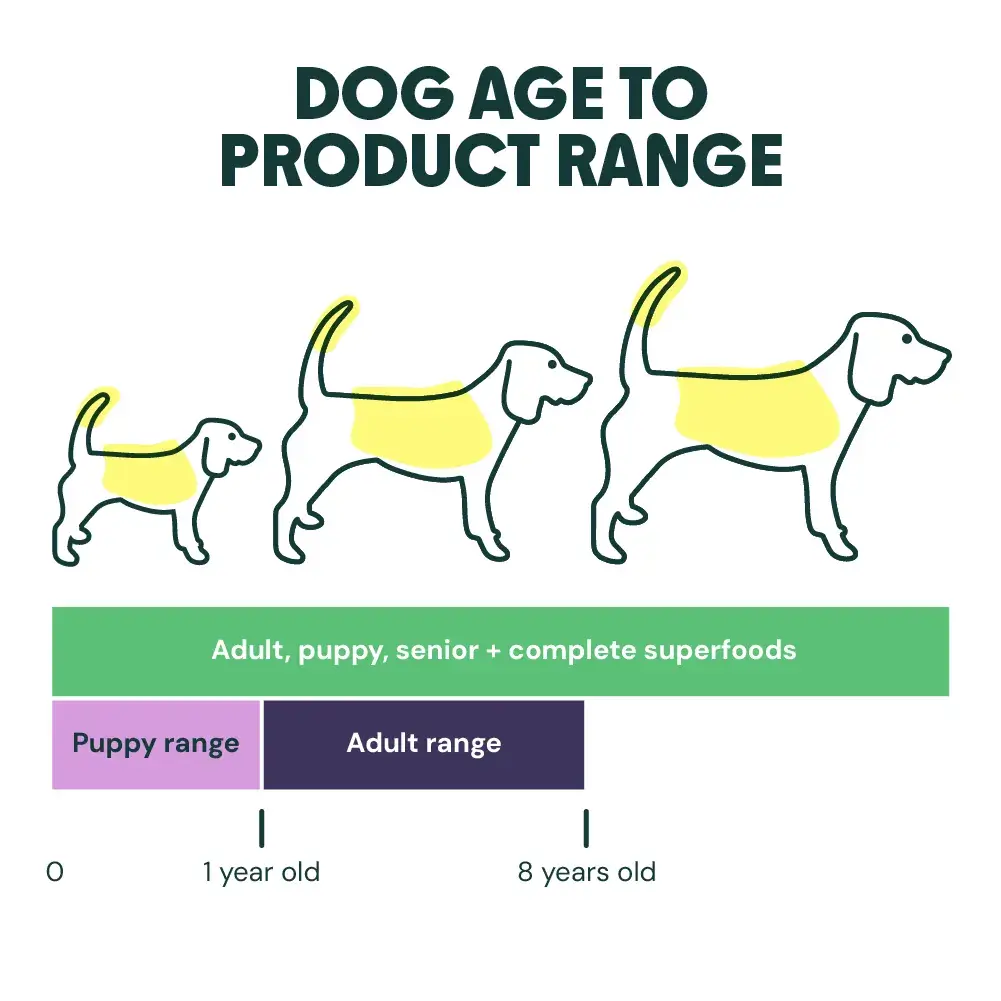
Puppies have specific nutritional requirements that differ from adult dogs. Their diet should include higher protein and fat content to support muscle development and energy demands. A puppy’s diet should be rich in essential vitamins and minerals. Calcium and phosphorus are especially important for bone growth. Consider the breed size when determining portion sizes. Large breeds grow rapidly, needing more food than smaller breeds.Adjusting For Adult Dogs
As dogs transition into adulthood, their dietary needs change. They require fewer calories compared to their puppy phase. Introduce adult dog food gradually to avoid digestive issues. You might notice a change in energy levels; adjust portions accordingly. Regularly monitor your adult dog’s weight and adjust food intake based on activity level. Are they getting enough exercise or lounging more?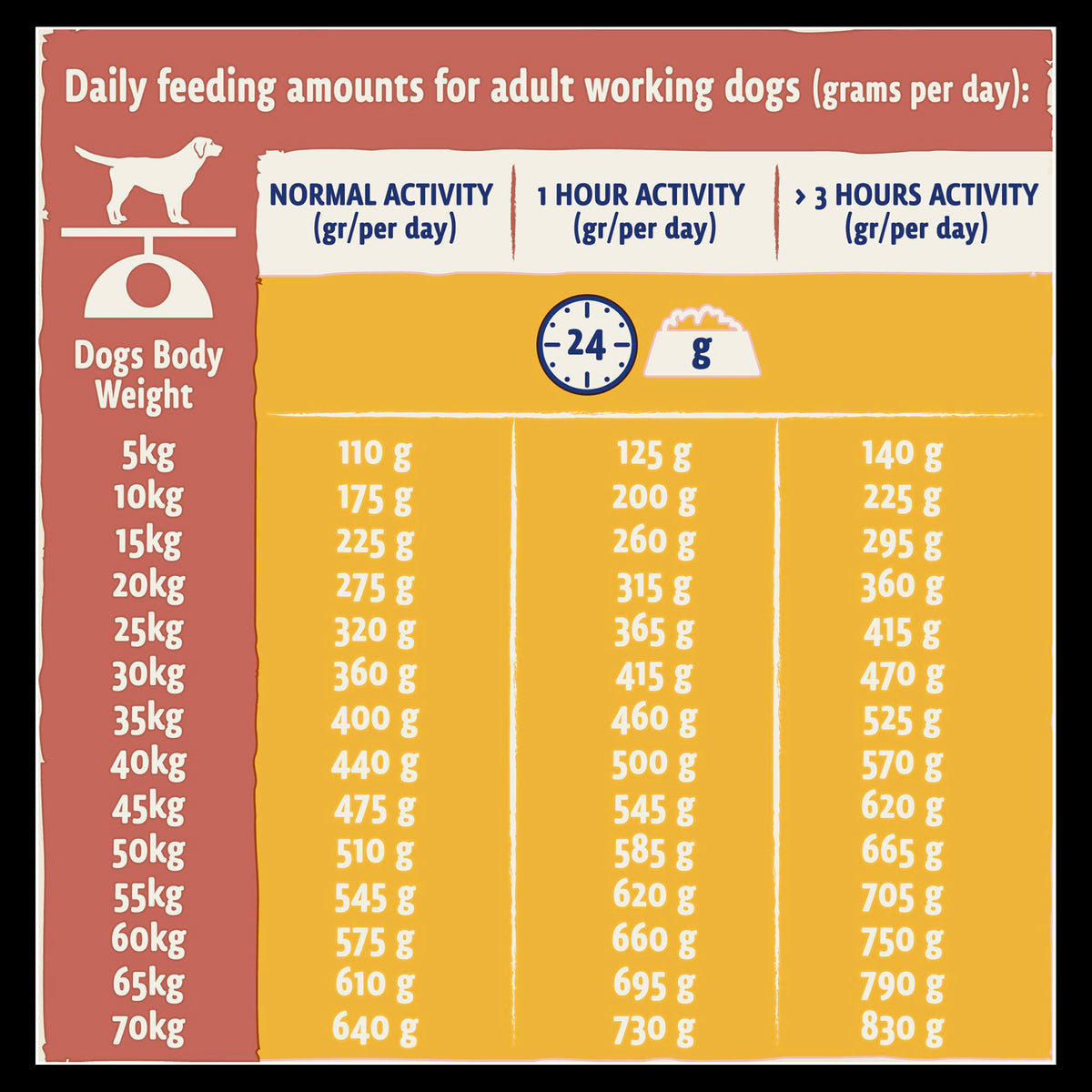
Credit: pet-supermarket.co.uk
Special Dietary Needs
Understanding your dog’s dietary needs is crucial for their health. Factors like age, breed, and activity level influence feeding amounts. Consult a vet for personalized advice to ensure a balanced diet.
Understanding your dog’s special dietary needs is crucial for maintaining their health and well-being. Just like humans, dogs have unique dietary requirements that can change based on age, health conditions, and lifestyle. Knowing how to adjust your dog’s diet to meet these needs can make a significant difference in their quality of life.Feeding Senior Dogs
As dogs age, their metabolism slows down, and their activity levels decrease. This means they require fewer calories but still need a diet rich in nutrients. Senior dogs often benefit from a diet higher in fiber to aid digestion, and with reduced fat to prevent weight gain. Consider incorporating foods that support joint health, like those enriched with omega-3 fatty acids. Have you noticed your senior dog slowing down or gaining weight? Adjusting their diet might be the key to keeping them active and healthy.Diet For Dogs With Health Conditions
Dogs with health issues like diabetes, kidney disease, or allergies need specially tailored diets. For instance, diabetic dogs need a diet low in sugar and high in fiber to maintain stable blood sugar levels. A low-protein diet can help dogs with kidney disease by reducing the workload on their kidneys. Allergies, on the other hand, might require a grain-free or hypoallergenic diet. Is your dog scratching more than usual or having digestive issues? A dietary change might alleviate these symptoms. Tailor your dog’s diet to their specific health needs, and you might see a transformation in their overall well-being. Understanding these needs is not just about feeding—it’s about nurturing their health.Choosing The Right Type Of Food
Determining how much to feed a dog depends on its size, age, and activity level. Consider nutritional needs and adjust portions as necessary. Consult with a veterinarian to ensure a balanced diet.
Choosing the right type of food for your dog is essential. It impacts their health and happiness. Every dog has unique dietary needs. You must consider age, size, and activity level.Dry Vs. Wet Food
Dry food, or kibble, is convenient and affordable. It helps maintain dental health by reducing plaque. Kibble has a longer shelf life and is easy to store. Wet food, or canned food, is rich in moisture. It can be beneficial for dogs needing more hydration. Wet food often has a stronger aroma, appealing to picky eaters. Each type has pros and cons. You might need to try both to see which your dog prefers.Raw Food Diets
Raw food diets include uncooked meats, bones, and organs. Some dog owners believe raw diets mimic ancestral eating habits. These diets can provide high protein and fresh nutrients. Preparing raw food requires careful handling to avoid bacteria. It’s crucial to balance nutrients to prevent deficiencies. Consulting a vet is recommended before starting a raw food diet. They can help ensure your dog receives a complete and balanced diet.Feeding Frequency And Schedule
Understanding how much to feed a dog depends on its age, size, and activity level. Puppies may need more frequent meals compared to adult dogs. Consult your vet for the best feeding schedule tailored to your dog’s needs.
Understanding the right feeding frequency and schedule for your dog is crucial for their health and well-being. Dogs, like humans, thrive on routine. Establishing a consistent feeding schedule not only aids in digestion but also helps in managing their weight. But how often should you feed your furry friend? Let’s dive into the specifics.Best Times To Feed
Choosing the right times to feed your dog can make a significant difference in their energy levels and overall behavior. Most veterinarians recommend feeding adult dogs twice a day—once in the morning and once in the evening. This schedule aligns with their natural circadian rhythms, ensuring they have energy throughout the day and can rest peacefully at night. Puppies, on the other hand, have different needs. They require more frequent meals due to their rapid growth and high energy levels. You might consider feeding them three to four times a day. Observing your dog’s activity levels can help you adjust feeding times to match their unique needs.Establishing A Routine
Dogs are creatures of habit, and a consistent feeding routine can provide them with a sense of security. Start by feeding your dog at the same times each day. This predictability helps in regulating their digestive system and can prevent overeating. What happens if your schedule changes? Try to maintain the feeding routine as closely as possible. If you feed your dog at 7 AM and 7 PM, slight deviations are okay, but consistency is key. Have you noticed changes in your dog’s appetite or behavior? It might be time to reassess your feeding schedule. Sometimes, adjusting the timing can resolve issues like restlessness or food aggression. A well-planned feeding frequency and schedule can transform your dog’s day-to-day life. What changes will you make today to ensure your dog’s feeding routine is optimal?Common Feeding Mistakes
Feeding your dog might seem straightforward, but common mistakes can lead to health issues. Many pet owners unknowingly fall into traps that affect their dog’s well-being. Understanding these mistakes can help ensure your furry friend stays healthy and happy.
Overfeeding And Underfeeding
Have you ever wondered why your dog seems sluggish or overly energetic? Overfeeding can lead to obesity, causing health problems such as diabetes and heart disease. Monitor your dog’s weight and adjust portions accordingly. A friend once realized their Labrador was gaining weight rapidly; it turned out they were feeding him based on the package directions without considering his activity level.
On the other hand, underfeeding can leave your dog malnourished and weak. Ensure you’re providing enough nutrients for their size, age, and breed. If your puppy seems constantly hungry, it might be a sign to increase their food intake. Remember, it’s not just about quantity but quality too.
Avoiding Table Scraps
Do you find it hard to resist those puppy eyes at the dinner table? Feeding table scraps can disrupt your dog’s balanced diet. Human food often contains ingredients that are harmful to dogs, like onions and chocolate. A neighbor once shared how their dog developed stomach issues from eating leftover pizza crusts.
Instead, stick to dog-approved treats for occasional rewards. This keeps their diet consistent and avoids unwanted calories. Next time your dog begs for table scraps, ask yourself if it’s worth the potential health risks.
Credit: www.bellaandduke.com
Monitoring Your Dog’s Health
Monitoring your dog’s health is crucial to ensuring they thrive on a balanced diet. Feeding them the right amount of food is not just about portion sizes; it’s about observing their overall well-being and making adjustments as needed. A dog’s dietary needs can change due to factors such as age, activity level, and health conditions. So, how can you tell if your furry friend is getting the right nutrition?
Signs Of Proper Nutrition
Recognizing signs of proper nutrition can be straightforward if you know what to look for. A healthy dog often has a shiny coat and bright eyes, indicative of a diet rich in essential nutrients.
Watch for consistent energy levels. If your dog is active and playful, it’s a sign they are getting the right amount of calories and protein.
Pay attention to their weight. A fit dog should have a defined waist without visible ribs. Regular vet check-ups can help confirm they are maintaining a healthy weight.
Adjusting Diet Based On Health
Your dog’s health can directly influence their dietary needs. Have they recently lost or gained weight unexpectedly? It’s time to reassess their food intake.
Consider their activity level. A more active dog may require additional protein and carbohydrates to sustain their energy.
If they have health issues like joint pain or allergies, consult with your vet. They might suggest supplements or specific dietary changes to support their condition.
Do you notice any changes in your dog’s behavior or appearance? These could be signals to adjust their diet. Are you ready to ensure your dog gets the nutrition they truly need?
Frequently Asked Questions
How Often Should I Feed My Dog?
Most adult dogs thrive on two meals a day. Puppies often need three to four meals daily. Feeding schedules can vary based on age, size, and activity level. Ensure to maintain consistent meal times for stability. Consult your veterinarian for a feeding plan tailored to your dog’s specific needs.
How Much Food Should I Give My Dog?
The amount depends on your dog’s weight, age, and activity level. Generally, check the food packaging for serving suggestions. It’s essential to measure portions accurately to prevent overfeeding. Regularly monitor your dog’s weight and adjust portions as needed. Consulting with a vet can provide personalized guidance.
What Factors Affect A Dog’s Food Intake?
Several factors influence a dog’s food intake, including age, weight, breed, and activity level. Health conditions and metabolism also play significant roles. Puppies and active dogs often require more calories. Neutered or spayed dogs might need fewer calories. Always tailor feeding to match your dog’s individual needs.
Can I Change My Dog’s Feeding Schedule?
Yes, you can adjust your dog’s feeding schedule. Changes should be gradual to prevent digestive upset. Gradually shift meal times over several days. Monitor your dog for any signs of discomfort during the transition. Consistency in feeding times helps maintain a balanced routine for your pet.
Conclusion
Feeding your dog the right amount is essential. It keeps them healthy and happy. Remember to consider age, size, and activity level. Adjust portions as your dog grows or changes lifestyle. Consult a vet for personalized advice. Always have fresh water available.
Consistency is key for a balanced diet. Monitor your dog’s weight regularly. A healthy weight means a longer, happier life. Choose high-quality dog food for the best results. Your furry friend deserves the best care possible. A little attention to their diet goes a long way.
Enjoy the journey with your loyal companion!