Crate training your dog can be a game-changer in creating a happy, stress-free environment for both you and your furry friend. Imagine coming home to a peaceful house, free from chewed-up shoes and curious escapades.
With crate training, you can achieve this while providing your dog with a safe, comfortable space they can call their own. You might be wondering how to start this process. Is it difficult? Will your dog resist? These are common concerns, but fear not! This guide will walk you through the simple steps to make crate training a positive experience for both you and your pet.
You’ll discover strategies that tap into your dog’s natural instincts, making the transition smooth and enjoyable. By the end of this article, you’ll feel confident and ready to embark on a rewarding journey with your dog. Keep reading to unlock the secrets to effective crate training that will transform your dog’s behavior and improve your daily life!
Benefits Of Crate Training
Crate training offers dogs a safe space, reducing anxiety and promoting good behavior. It simplifies house training and helps manage their environment effectively.
Crate training offers numerous benefits for both dogs and their owners. It provides a structured environment that aids in a dog’s development and behavior. Understanding these benefits can help you make the most of this training method.Security And Comfort
A crate creates a safe space for dogs. It mimics a den, which is natural for them. This secure environment reduces anxiety, offering comfort when they feel stressed or scared. Dogs often seek their crate during thunderstorms or noisy events. Familiarity with their own space promotes a sense of calm. This security is crucial for well-being.Housebreaking Aid
Crate training simplifies housebreaking. Dogs avoid soiling their sleeping area. This makes it easier to teach bathroom habits. You can establish a routine with scheduled potty breaks. Consistency is key. The crate helps in reinforcing this schedule. It encourages waiting until they are outside. This method speeds up housebreaking success.Travel Safety
Traveling with dogs becomes safer with crate training. A crate secures them during car rides. It prevents distractions and accidents. Dogs are less likely to roam around the vehicle. This reduces travel stress for both of you. The crate also serves as a familiar space in new environments. It helps keep them calm while traveling.Choosing The Right Crate
Selecting the right crate is essential for successful dog training. Ensure the crate is spacious enough for comfort but not too large. Look for sturdy materials and easy access for cleaning.
Choosing the right crate for your dog is a crucial step in crate training. It’s not just about finding a box; it’s about selecting a safe and comfortable space your dog will love. This decision impacts your dog’s comfort, security, and overall training success.Size Considerations
Selecting the right size is perhaps the most vital aspect. The crate should be large enough for your dog to stand, turn around, and lie down comfortably. However, it shouldn’t be too spacious, as extra space might encourage your dog to use one corner as a bathroom. Measure your dog’s height and length, and add a few inches to ensure a cozy yet roomy environment. A well-fitted crate feels like a snug den, making your dog feel secure.Material Options
Crates come in various materials, each with its unique benefits. Wire crates offer excellent ventilation and visibility, ideal for dogs who prefer to see their surroundings. Plastic crates provide a den-like feel and are great for travel. Soft-sided crates are portable and perfect for small dogs or short trips, but may not withstand the enthusiasm of a puppy. Consider your dog’s behavior, travel needs, and home setup when choosing the material.Accessibility Features
Think about how easy it is for your dog to enter and exit the crate. Some crates come with multiple doors or top openings, making access more convenient. If you have a puppy, ensure the crate has a divider panel to adjust the space as your dog grows. Also, look for features like removable trays for easy cleaning. These small details can make a big difference in your day-to-day routine. Choosing the right crate is about creating a comfortable home for your furry friend. Have you considered what features your dog might love in a crate? Making a thoughtful choice will help your dog feel safe and welcome in their new space.Introducing The Crate
Crate training helps create a safe space for your dog. Start with a comfortable crate and positive reinforcement. Gradually increase the time your dog spends inside, ensuring a calm and relaxed experience.
Introducing the Crate Crate training your dog can be a rewarding experience. The crate serves as a safe space for your pet. It mimics a den, offering comfort and security. Begin by choosing the right size crate. It should be large enough for your dog to stand and turn around. Make sure it’s comfortable, with a soft bedding inside.Creating A Positive Association
Introduce the crate as a happy place. Use treats to encourage your dog to explore it. Place the crate in a common area where your family spends time. This helps the dog feel included. Feed your dog near the crate and gradually inside it. Praise and reward when they enter willingly.Gradual Introduction Techniques
Start with short periods inside the crate. Keep the door open at first. Let your dog enter and leave freely. Gradually increase the duration they stay inside. Use toys to make the crate more inviting. Always keep the experience positive. This builds trust and comfort with the space.
Credit: www.care.com
Establishing A Routine
Establishing a routine is essential for successful crate training. Dogs thrive on consistency. A routine helps them know what to expect. This reduces anxiety. It also helps them adapt to their new environment. Let’s explore how to create an effective routine.
Consistent Schedule
Consistency is key in crate training. Set specific times for crate time. Stick to this schedule daily. This builds a sense of security for your dog. They learn when to rest and when to play. A routine helps them feel safe and relaxed.
Meal And Potty Times
Feeding your dog at the same times daily is important. It helps regulate their potty schedule. Take them out to potty before crating. This prevents accidents in the crate. After meals, wait a few minutes, then take them outside. Repeat this process consistently.
Training Techniques
Crate training your dog helps create a safe and comfortable space for them. Introduce the crate slowly and use treats to encourage your dog to enter willingly. Gradually increase the time your dog spends in the crate, ensuring they feel calm and secure.
Crate training is a vital part of your dog’s growth. It provides a safe space for them and helps with house training. Using effective techniques can make this process smooth and rewarding. Let’s explore some methods to ensure successful crate training.Positive Reinforcement
Positive reinforcement encourages good behavior with rewards. Start by placing treats near the crate. This draws your dog’s interest. Once they enter the crate, praise them. Use cheerful words to boost their confidence. Repeat this several times daily. It builds a positive association with the crate. Toys can also be helpful. Place a favorite toy inside the crate. It makes the space inviting. Gradually increase crate time. Always reward them when they stay calm.Handling Resistance
Some dogs resist crate training. They might whine or bark. Stay patient and calm. Avoid forcing them inside. Instead, make the crate appealing. Use a soft blanket for comfort. Leave the door open initially. Let them explore at their own pace. If resistance persists, try short crate sessions. Begin with a few minutes. Gradually extend the time. Always reward calm behavior. This reduces anxiety and builds trust.Common Mistakes To Avoid
Avoid using the crate as a punishment, as it can create fear in your dog. Ensure the crate is comfortable and size-appropriate to help your dog feel secure.
Crate training your dog can be a rewarding experience. It helps with housebreaking and provides a safe space for your pet. But many dog owners make common mistakes. These can lead to stress for both the dog and the owner. Avoiding these mistakes will make crate training smoother and more effective.Overusing The Crate
Keeping your dog in the crate for too long is a mistake. Dogs need time to play and interact with family members. A crate should not be a substitute for attention. Use the crate for short periods. This helps your dog feel comfortable and secure. Remember, the crate is not a prison. It should be a safe haven for your pet.Ignoring Signs Of Stress
Watch for signs of stress in your dog during crate training. Whining, barking, or scratching can indicate discomfort. Do not ignore these signals. Adjust the training process if your dog seems anxious. A calm approach will help your dog adapt. Ensure the crate is a positive place. Add a soft blanket or a favorite toy. This creates a cozy environment and reduces stress.Monitoring Progress
Monitoring progress is vital when crate training your dog. Track improvements to adjust techniques and ensure comfort.
Monitoring the progress of crate training your dog is crucial to ensure that you are moving in the right direction. This phase is all about observing and adapting to your dog’s needs. It involves keeping a keen eye on any behavioral changes and being ready to adjust your techniques as necessary.Tracking Behavioral Changes
To effectively monitor progress, start by keeping a journal of your dog’s behavior. Note down how your dog reacts to the crate each day. Is there a shift from anxiety to comfort? Look for signs of increased comfort, such as willingly entering the crate or staying calm inside for longer periods. These are positive indicators that your training is on track. However, if your dog shows signs of stress like excessive barking or scratching at the crate, it might be time to reassess your approach. Remember, patience is key, and progress may be gradual.Adjusting Techniques
If you notice minimal progress or negative reactions, consider altering your strategy. Introduce new elements like toys or treats to make the crate more inviting. Experiment with different crate locations in your home. Sometimes, a simple change in environment can make a significant difference in your dog’s comfort level. Be flexible and open to trying various techniques until you find what works best for your dog. Are you ensuring your pup feels safe and secure during this training process? Engage with your dog by spending short, positive sessions near the crate. This can help reinforce the idea that the crate is a safe space, not a punishment. Your goal is to create a positive association, so keep the experience enjoyable and rewarding. Adapt your methods to suit your dog’s unique personality and needs.
Credit: k9connoisseur.com
Long-term Crate Use
Crate training helps create a safe space for your dog. Gradually introduce the crate to your pet. Use positive reinforcement to make the experience enjoyable.
Long-term crate use is an essential aspect of crate training your dog. It involves not just using the crate as a tool for training but integrating it into your dog’s daily life for comfort and security. When done correctly, it can become a safe haven for your pet, ensuring they feel at ease even when you’re not around. But how do you manage long-term crate use effectively?Balancing Time Inside And Outside
Striking a balance between crate time and free time is crucial. Dogs, like humans, need variety and stimulation. Too much time in the crate can lead to boredom and anxiety, while too little can make the crate feel unfamiliar. Consider setting a daily schedule where your dog spends time both inside and outside the crate. Perhaps mornings are for crate time while you’re busy, and afternoons are for playtime. This routine helps establish predictability and comfort. What activities does your dog enjoy outside the crate? Incorporate these into your schedule to ensure they look forward to crate-free times.Transitioning To More Freedom
As your dog becomes accustomed to the crate, gradually introduce more freedom. Start by extending the periods they are allowed outside the crate. This builds their confidence and trust in their surroundings. Observe your dog’s behavior during these transitions. Are they curious and calm or anxious and restless? Adjust the freedom levels based on their comfort. Remember, transitioning takes time. Be patient and celebrate small victories. This gradual process strengthens your dog’s independence while maintaining the crate as a safe zone.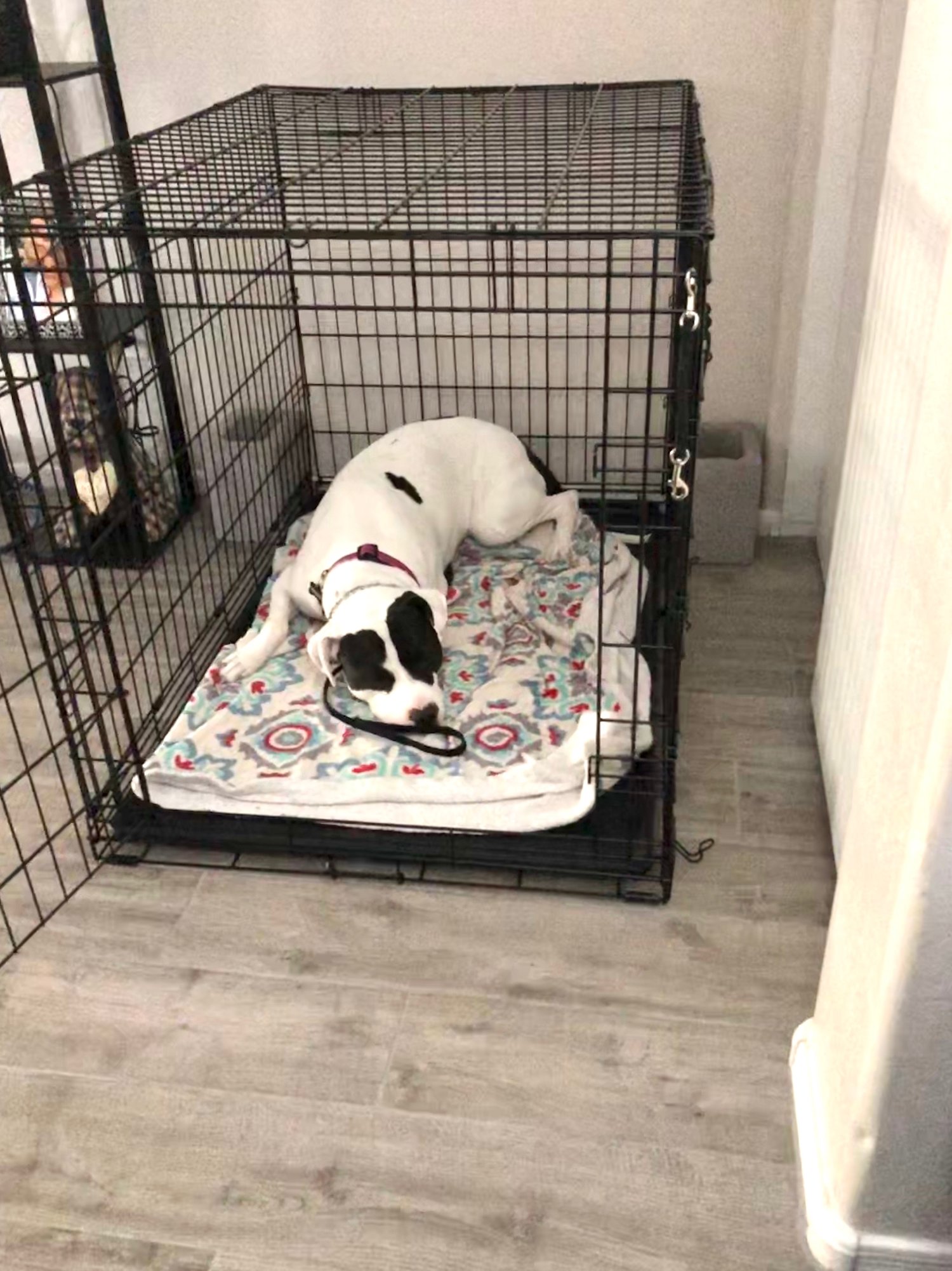
Credit: www.sadiesrulesk9training.com
Frequently Asked Questions
What Is Crate Training For Dogs?
Crate training involves teaching your dog to view a crate as a safe space. It’s used for housebreaking, reducing anxiety, and ensuring safety. Begin by introducing the crate positively, using treats and toys. Gradually increase crate time while maintaining comfort.
Always ensure the crate is appropriately sized for your dog’s comfort.
How Long Does Crate Training Take?
Crate training duration varies based on your dog’s age and temperament. Puppies may learn within a few weeks, while older dogs might take longer. Consistency and patience are key. Start with short sessions, gradually increasing the time. Regular practice and positive reinforcement help speed up the process.
Can Crate Training Help With Separation Anxiety?
Yes, crate training can alleviate separation anxiety in dogs. It provides a secure environment, reducing stress when you’re away. Start by associating the crate with positive experiences. Gradually increase alone time while ensuring comfort. Consistent practice helps your dog feel safe and secure, minimizing anxiety.
How Do I Choose The Right Crate Size?
Choose a crate that allows your dog to stand, turn, and lie down comfortably. Measure your dog’s height and length, adding extra space for comfort. Consider adjustable crates for growing puppies. Ensure the crate is durable and well-ventilated. A properly sized crate enhances comfort and effectiveness in training.
Conclusion
Crate training your dog builds a safe, cozy space. It helps with house training and calms anxiety. Consistency is key. Set a routine and stick to it. Be patient. Offer praise and treats for good behavior. Make the crate inviting with soft bedding and toys.
Never use the crate as punishment. Your dog will feel secure and happy. Crate training requires effort, but the rewards are worth it. A well-trained dog is a joy to have around. Enjoy the journey with your furry friend!