Have you ever wondered about the curious world of animal hybrids? One question that often pops up is whether a coyote can mate with a dog.
It’s a topic that sparks intrigue and raises eyebrows. You might be asking yourself, “Is this even possible? ” Or “What would a coyote-dog mix look like? ” We’ll dive into the fascinating science behind these two species and explore the realities of their interactions.
By the end, you’ll have a clear understanding of this captivating subject, and perhaps, you’ll even find yourself sharing this newfound knowledge with friends. Ready to uncover the truth? Let’s explore the captivating world where coyotes and dogs intersect.

Credit: coyoteyipps.com
Coyote And Dog Biology
Understanding the biology of coyotes and dogs is key to exploring the possibility of their mating. Both animals belong to the Canidae family, making them distant relatives with some overlapping biological traits. However, their differences are just as crucial, as they influence whether these two species can successfully breed.
Genetic Differences
Genetically, coyotes and dogs are distinct species, despite their similarities. Coyotes have a different chromosome count compared to domestic dogs, which affects their genetic makeup. This genetic variation plays a significant role in determining the likelihood of successful breeding and the viability of any offspring.
When a coyote mates with a dog, the resulting offspring, known as a coydog, may inherit a blend of traits from both parents. This genetic mix can lead to unpredictable characteristics, from physical appearance to behavior.
Behavioral Traits
Behavioral differences between coyotes and dogs can impact their compatibility. Coyotes are generally more independent and wary of humans, while domestic dogs have been bred for centuries to coexist with people. This fundamental difference in behavior can pose challenges in a cross-species relationship.
Coyotes are known for their adaptability and survival instincts in the wild, while dogs often rely on humans for food and shelter. If a coydog inherits more coyote-like instincts, it could lead to challenges in training and domestication.
Have you ever wondered how a coydog might fit into your life? Understanding these biological and behavioral nuances can help you decide if such a unique pet would be a good match for your home.

Credit: a-z-animals.com
Hybridization Possibilities
The topic of hybridization between coyotes and dogs is both fascinating and complex. While these animals share some genetic similarities, their ability to mate and produce offspring can vary greatly. This intriguing possibility invites us to explore the distinct characteristics of coydog hybrids and the challenges involved in their breeding.
Coydog Characteristics
Coydogs, a blend of coyote and dog, exhibit unique traits that set them apart. They often have an athletic build, showcasing the coyote’s agility and the dog’s versatility. These hybrids might display the coyote’s keen instincts, making them more independent and sometimes elusive.
Their appearance can range widely, influenced by the dog breed involved. You might find a coydog with a mix of fur patterns, possibly resembling a husky or a shepherd. This unpredictability in appearance makes each coydog distinct, often leading to curiosity and fascination.
Have you ever wondered how a coydog might behave in a household? Their temperament can be challenging, as they might inherit the coyote’s cautious nature. This can require specialized training to ensure they adapt well to domestic life.
Breeding Challenges
Breeding coydogs is not as straightforward as pairing two dogs. Coyotes are naturally wary of humans, which can make initiating contact difficult. This poses a significant hurdle for those attempting to breed these hybrids intentionally.
Moreover, the breeding season for coyotes differs from most domestic dogs, complicating synchronization. Timing becomes crucial, and it requires a deep understanding of both species’ reproductive cycles.
Another challenge lies in the offspring’s survival rate. Coydogs might face health issues due to genetic incompatibilities. This raises the question—should we pursue such hybridization, considering the potential risks involved?
Scientific Studies
The question of whether a coyote can mate with a dog intrigues many. Scientists have explored this to understand genetics and animal behavior. Their studies offer insights into hybridization possibilities and ecological impacts.
Research Findings
Scientific studies reveal that coyotes and dogs can indeed interbreed. Genetic analyses confirm the presence of coyote-dog hybrids. These hybrids are often called “coydogs.” They display traits from both parents. Researchers study these hybrids to understand how they affect ecosystems.
DNA evidence supports hybrid existence. It shows genetic markers from both species. The hybrids vary in appearance, behavior, and adaptability. This genetic blend can impact survival strategies.
Case Studies
Several case studies highlight real-world instances of coyote-dog hybrids. One study in the northeastern U.S. observed coydogs in forested areas. These animals showed unique survival skills. They adapted to both urban and wild environments.
Another case in Canada examined hybrid packs. These packs displayed complex social behaviors. They altered hunting patterns and territory marking. This adaptation helped them thrive in diverse habitats.
Scientists also observed hybrids in captivity. Controlled environments allowed detailed behavioral observations. These studies provided insights into hybrid interactions and learning capabilities.
Case studies continue to shed light on hybrid dynamics. They help scientists predict ecological impacts and conservation challenges.
Ecological Impacts
Coyotes and dogs can mate, creating hybrids known as coydogs. These hybrids impact local ecosystems by altering predator-prey dynamics. They may compete with native wildlife, affecting biodiversity and ecological balance in their habitats.
Coyotes and dogs mating might seem like an unusual topic, but it has intriguing ecological implications. When these two species interbreed, it creates hybrid offspring known as coydogs. These hybrids can impact the environment and the delicate balance of ecosystems. Understanding these ecological impacts can help us appreciate the complexity of nature and the importance of maintaining biodiversity.Effects On Wildlife
Coydogs can disrupt the natural wildlife balance. They may compete with native predators for food and territory, leading to decreased populations of certain wildlife species. For example, if coydogs hunt small mammals more efficiently than coyotes or dogs alone, it could reduce the prey available for other predators. This competition might force some species to adapt or relocate, impacting the entire food chain. It’s a domino effect that could lead to unforeseen consequences in local ecosystems.Role In Ecosystems
Despite their potential disruptions, coydogs might also play a role in maintaining ecosystem health. They can serve as a new predator, helping to control overpopulated species. This can be beneficial in areas where natural predators have declined. However, their presence might also challenge existing predators, altering their behavior and hunting patterns. This raises questions about how new species integrations affect existing ecosystems. Are they filling a gap or creating new challenges? Understanding the ecological impacts of coyotes mating with dogs encourages us to think about biodiversity and its importance. Are we ready to embrace these changes, or should we focus on preserving the current balance? Your thoughts and actions can contribute to this ongoing environmental conversation.Legal And Ethical Considerations
Exploring the mating possibilities between coyotes and dogs raises important questions. These questions delve into both legal and ethical considerations. Understanding these aspects is crucial for responsible pet ownership and wildlife conservation. Let’s examine the regulations and ethical concerns associated with coyote-dog hybrids.
Regulations
Regulations regarding coyote-dog hybrids vary by region. Some states have specific laws about owning hybrid animals. These laws aim to protect native wildlife and maintain ecological balance. Breeding coyotes with dogs may be restricted or illegal in certain areas. Pet owners should check local laws to avoid penalties.
Importing coyote-dog hybrids can also have legal implications. Many countries have strict regulations on animal imports. Violating these laws could lead to severe consequences. It’s essential to research and follow local and international laws.
Ethical Concerns
Ethical concerns focus on the welfare of hybrid animals. Coyotes and dogs have different needs and behaviors. Mixing them might lead to complications in care and training. Ethical questions arise regarding the health and happiness of these animals.
Hybrids might face challenges in adapting to domestic life. Their wild instincts could lead to unpredictable behaviors. This raises ethical concerns about their safety and well-being. Responsible breeding practices should prioritize the welfare of all involved animals.
Public Perception
Public perception plays a significant role in shaping our understanding of whether a coyote can mate with a dog. Often, what people believe is influenced more by media representation and cultural beliefs than by scientific facts. Let’s dive into how these factors contribute to our understanding.
Media Influence
Media often sensationalizes the idea of coyotes mating with dogs, creating a mix of fascination and fear. Movies and TV shows sometimes portray these hybrids as mysterious or dangerous creatures, perpetuating myths rather than facts. How often have you seen a storyline that presents them as a threat, rather than focusing on the science?
News articles, too, can shape public perception by highlighting rare incidents without context. A single story about a coyote-dog hybrid might lead you to believe it’s common, even though these instances are quite rare. It’s essential to question what you read and seek out reliable sources.
Cultural Beliefs
Cultural beliefs add another layer to the public’s understanding of coyote-dog interactions. In some communities, there’s a long-standing belief that these hybrids possess unique qualities or spiritual significance. This often stems from folklore, where animals are given traits to explain natural phenomena.
Your own cultural background might influence how you view this topic. Have you heard tales from older generations that shape your perception? While these stories are fascinating, they may not always align with the realities of biology.
Public perception is a tapestry woven from various influences. Are you able to distinguish the threads of fact from fiction? Understanding the impact of media and culture can help you form a more nuanced view.
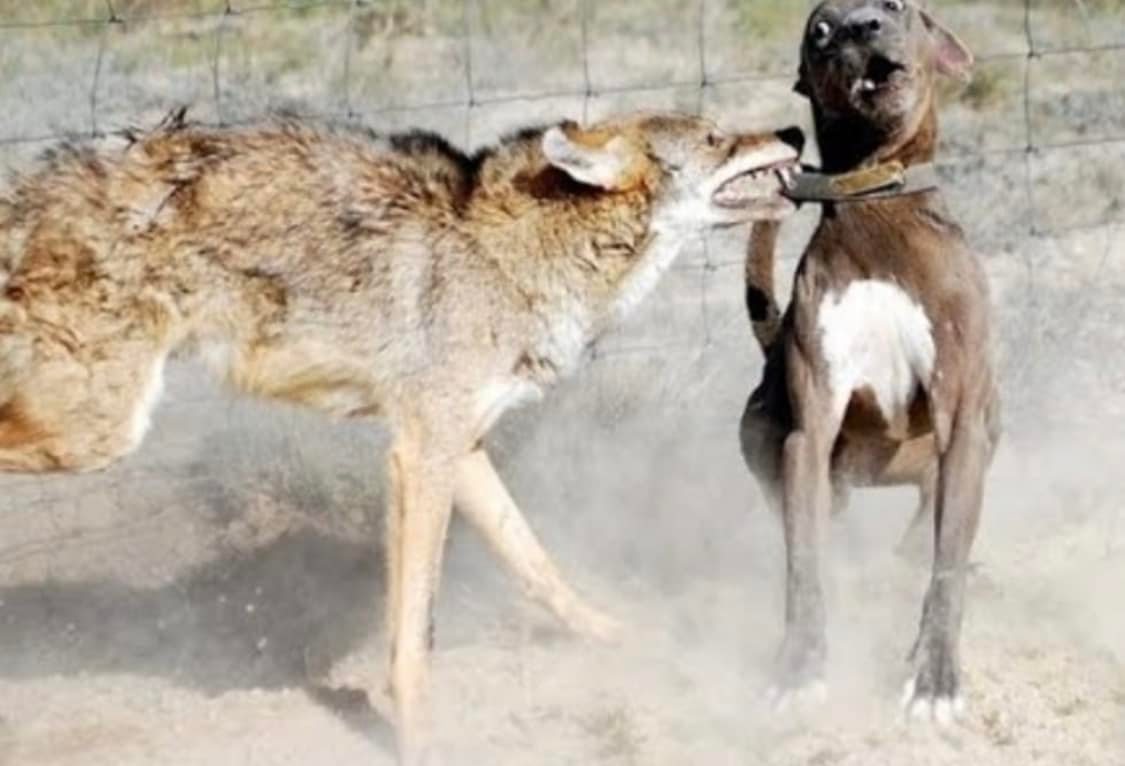
Credit: www.facebook.com
Frequently Asked Questions
Can Coyotes And Dogs Reproduce?
Yes, coyotes and dogs can reproduce and create hybrids known as coydogs. This is because they belong to the same genus, Canis. Coydogs can inherit traits from both parents. However, such pairings are rare due to differences in breeding cycles and behaviors.
What Is A Coydog?
A coydog is a hybrid offspring of a coyote and a domestic dog. They inherit characteristics from both species. Coydogs can exhibit a mix of physical and behavioral traits. They may not be as social as domestic dogs, often having a wilder demeanor.
Are Coydogs Common In The Wild?
Coydogs are not common in the wild. This is due to the differences in breeding seasons and habits of coyotes and dogs. Additionally, coyotes generally prefer to mate with their own kind. These factors make the occurrence of coydogs relatively rare.
How Can You Identify A Coydog?
Identifying a coydog can be challenging due to their varied traits. They typically have a mix of coyote and dog features. This includes a bushy tail, pointed ears, and varied coat colors. Behavioral traits may include being more aloof and independent.
Conclusion
Coyotes and dogs can mate and produce hybrids. These hybrids are called coydogs. They inherit traits from both parents. Coydogs can vary in appearance and behavior. Not all coyotes and dogs will mate successfully. Environmental factors and instincts play a role.
Coydogs may face challenges in the wild. They might lack survival skills. Understanding these hybrids can help manage wildlife. It’s fascinating how nature blends species. Always approach wildlife interactions with caution. Respect nature’s boundaries for safety.