Imagine coming home after a long day, craving peace and relaxation, only to be greeted by incessant barking. If you’re a dog lover, you might think this is an inevitable part of pet ownership.
But it doesn’t have to be. You can enjoy the companionship of a dog without the constant noise. Curious? You’re about to discover a world where wagging tails and quiet moments coexist. You’ll learn about the quietest dog breeds that promise to fill your life with love and tranquility, without the cacophony.
Ready to find your perfect calm canine companion? Let’s explore which breeds might fit seamlessly into your serene lifestyle.
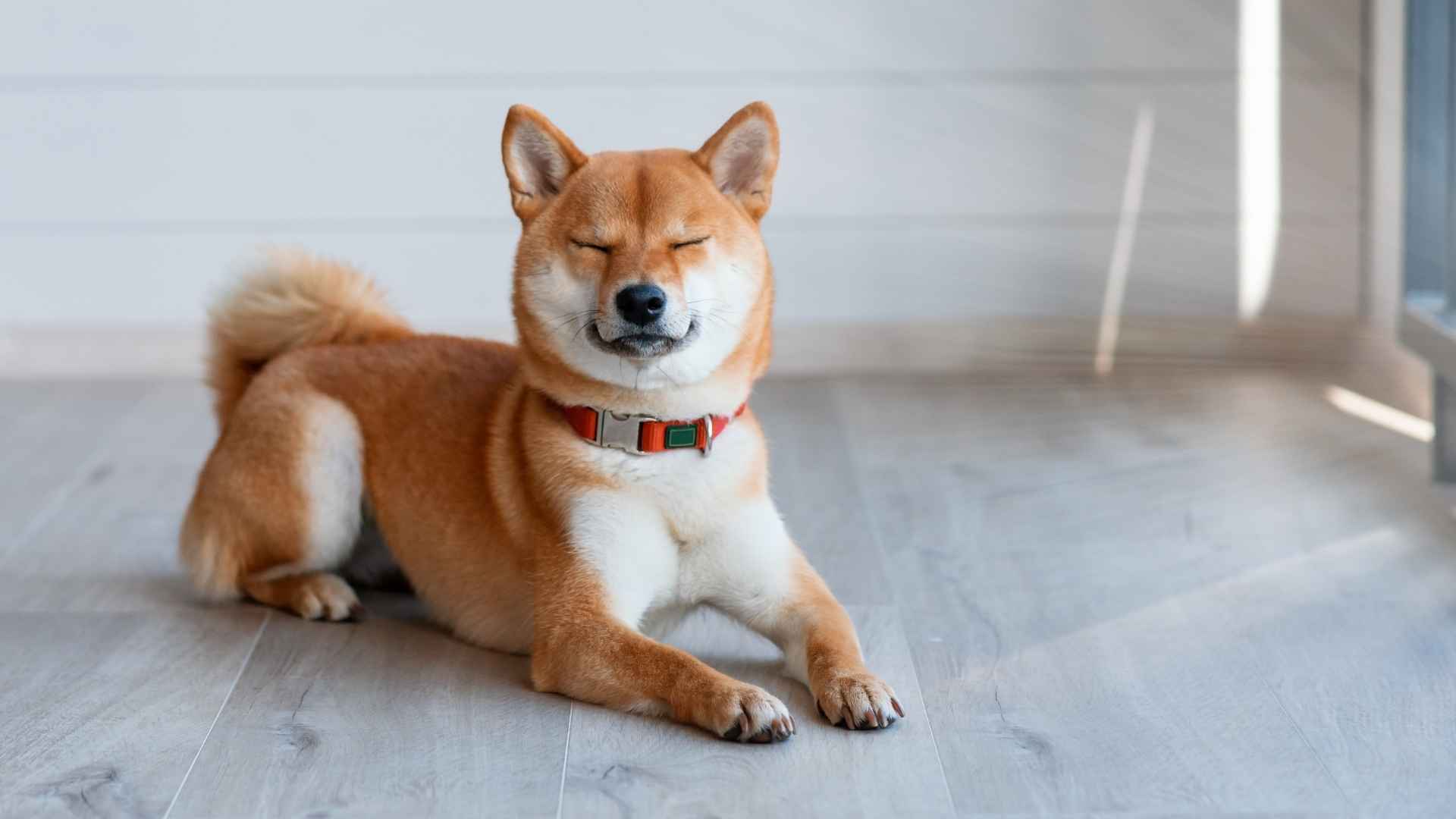
Credit: worldanimalfoundation.org
Characteristics Of Quiet Dog Breeds
Certain dog breeds are known for their calm and quiet nature. Breeds like the Basenji, Bulldog, and Cavalier King Charles Spaniel are less likely to bark excessively. These dogs make great companions for those seeking a peaceful environment.
In the hustle and bustle of daily life, sometimes all you crave is a moment of peace. If you’re considering adding a furry friend to your home, opting for a quiet dog breed might be the perfect choice. These gentle companions are known for their calm demeanor and typically lower noise levels. But what sets these breeds apart? Let’s dive into the characteristics that define these tranquil pups.Temperament And Behavior
Quiet dog breeds often exhibit a calm and gentle temperament. They’re less likely to bark at every passerby or rustling leaf. This doesn’t mean they’re not alert; they simply choose their moments wisely. When you own a dog known for its quiet nature, it doesn’t mean they are less friendly or less interactive. They might surprise you with how affectionate and engaging they can be without causing a ruckus.Adaptability To Environment
These breeds generally adapt well to different living situations, making them ideal for both urban apartments and country homes. They thrive in a peaceful environment and, in return, contribute to the serenity of your space. Whether you live in a bustling city or a quiet suburb, these dogs adjust their energy levels to match the atmosphere, ensuring harmony in your home.Training And Socialization
Training a quiet breed can be a rewarding experience. They are often eager to please and respond well to positive reinforcement. Consistent training helps them maintain their composure and reinforces their natural tendency to stay calm. Socialization is equally important, as it helps them understand when being quiet is appreciated and when they might need to alert you to something important.Health And Maintenance
Quiet dog breeds often require regular health check-ups and maintenance, just like any other breed. However, their laid-back nature usually means less stress-related health issues. Regular grooming and vet visits ensure they remain healthy and content. When you keep them in good health, their relaxed nature truly shines, allowing you both to enjoy a peaceful companionship. So, what makes a dog breed quiet? It’s a mix of temperament, adaptability, training, and health. Each factor contributes to their serene nature. If you’re seeking a peaceful companion, these characteristics are key to finding the perfect match for your lifestyle.
Credit: www.goodhousekeeping.com
Benefits Of Calm Canine Companions
Embrace peace with calm canine companions like the Basenji, Bulldog, and Basset Hound. These breeds offer serenity and minimal barking, making them ideal for relaxed households. Enjoy harmonious living with these quiet dogs that blend seamlessly into tranquil environments.
Owning a calm canine companion can transform your home into a tranquil oasis. Quiet dog breeds offer a unique set of benefits that can enhance your lifestyle in unexpected ways. Whether you live in a bustling city or a quiet suburb, these dogs can adapt seamlessly to your environment, providing companionship without the chaos.Reduced Stress Levels
The soothing presence of a quiet dog can significantly reduce stress levels. Unlike more vocal breeds, calm dogs don’t overwhelm you with incessant barking. This can create a peaceful atmosphere, perfect for unwinding after a hectic day. Imagine coming home to a serene environment where your dog is a source of calm rather than chaos.Better Relationships With Neighbors
Owning a quiet dog can improve your relationships with neighbors. Loud, barking dogs can be a source of tension in communities, especially in apartment settings. A calm canine ensures that you’re not disturbing those around you, fostering a more harmonious living situation. This can be especially important if you live in close quarters or have noise-sensitive neighbors.Enhanced Training Experience
Training a calm dog can be a more enjoyable experience. Quiet breeds often have a focused demeanor, making them more receptive to commands and training. This can lead to quicker learning and a stronger bond between you and your pet. You might find that training sessions become a cherished activity rather than a chore.Increased Travel Opportunities
Traveling with a quiet dog is generally easier and more enjoyable. These dogs are often better behaved in cars and more adaptable to new environments. Whether you’re planning a road trip or a weekend getaway, a calm canine makes the journey smoother. Have you ever hesitated to take your dog on vacation due to their behavior? A quiet breed might just change that.Ideal For Families With Children
Quiet dogs are often great companions for families with children. Their calm nature means they’re less likely to become agitated or overstimulated around kids. This makes them safer and more reliable family pets. If you have young children, a calm dog can be the perfect addition to your household, providing gentle companionship and teaching responsibility.Top Quiet Dog Breeds
Are you dreaming of a peaceful home where your furry friend doesn’t bark at every passing car or rustling leaf? Some dog breeds are naturally quieter than others, making them perfect companions for serene living. These top quiet dog breeds are known for their calm demeanor and minimal barking. Let’s explore some of the gentlest breeds that can bring tranquility to your home.
Basenji: The Barkless Dog
Imagine a dog that doesn’t bark! The Basenji is famously known as the “barkless dog,” making it ideal for those who prefer silence. Instead of barking, they produce a unique yodel-like sound. Their quiet nature might surprise guests and bring a unique charm to your household. Have you ever considered how a non-barking dog might change your day-to-day life?
Cavalier King Charles Spaniel: Gentle Soul
The Cavalier King Charles Spaniel is adored for its gentle disposition and sweet nature. These dogs are perfect for families or individuals who seek a companion that won’t stir up noise. Their calm presence can be comforting, especially after a long day. Do you think a gentle soul like this could be your perfect match?
Greyhound: Silent Sprinter
Despite their athletic build and racing legacy, Greyhounds are surprisingly quiet and laid-back at home. They enjoy lounging around and are known for their silent companionship. Their ability to go from sprinting to serene relaxation is truly remarkable. How would it feel to have a quiet sprinter by your side?
French Bulldog: Laid-back Friend
French Bulldogs are compact dogs with a big heart and a mellow attitude. They are often content with quiet cuddles and are less prone to barking. Their laid-back nature makes them wonderful pets for apartment dwellers or those who prefer a tranquil environment. Can you imagine sharing your couch with this relaxed buddy?
Shih Tzu: Mellow Mate
Shih Tzus are known for their affectionate and calm demeanor. They are perfect lap dogs that bring peace without much noise. Their friendly nature and gentle presence make them excellent companions for anyone seeking a serene pet. Could a mellow mate like this be the answer to a peaceful home?
Training Tips For Quiet Dogs
Training quiet dog breeds requires patience and understanding. These dogs are known for their calm demeanor. Yet, they still need guidance to maintain their tranquil nature. Proper training can help them stay relaxed in various environments. Here are some training tips to keep your quiet dog calm and composed.
Understanding Your Dog’s Temperament
Recognize the natural behavior of your dog. Each breed has unique traits. Observe how they react to different situations. This helps you tailor training methods to suit their needs.
Consistent Routine And Environment
Dogs thrive on routine. Establish a consistent daily schedule. Keep their environment stable and predictable. This reduces stress and promotes calm behavior.
Positive Reinforcement Techniques
Use treats and praise to reward good behavior. Encourage quietness by rewarding your dog when they remain calm. This strengthens their understanding of desired behavior.
Socialization With Other Pets
Introduce your dog to other animals slowly. Allow them to interact in controlled settings. This helps them stay calm around new companions.
Regular Exercise And Mental Stimulation
Ensure your dog gets daily physical activity. Engage them with toys and puzzles. This keeps their mind active and reduces boredom.
Teach Basic Commands
Start with simple commands like “sit” and “stay.” Use clear, short commands consistently. This builds their obedience and focus.
Addressing Anxiety Issues
Identify signs of anxiety, such as pacing or whining. Provide comfort and reassurance to ease their stress. Consider professional help if needed.
Living Environment For Calm Dogs
Certain dog breeds are known for their quiet nature. Breeds like the Basenji, Bulldog, and Greyhound are famously calm. These dogs are perfect for people seeking a peaceful home environment.
Creating a serene living environment for calm dogs is not just about having a quiet space; it’s about nurturing a peaceful atmosphere where your pet feels safe and comfortable. This involves thoughtful planning and consideration of both physical space and daily routines. Whether you’re living in a bustling city or a quiet suburb, ensuring your home is a sanctuary for your furry friend can greatly enhance their quality of life and yours.Choosing The Right Space
Opt for a quiet corner in your home where your dog can retreat when they need to relax. This space should be free from constant foot traffic and loud noises. Consider using soft lighting and comfortable bedding to make it more inviting.Creating A Peaceful Routine
Establishing a calm daily routine is essential. Regular walks in serene environments, such as parks or quiet neighborhoods, can help maintain your dog’s tranquility. Consistent feeding times and gentle play sessions also contribute to a peaceful lifestyle.Incorporating Calming Elements
Think about adding calming elements like soft music or white noise machines to soothe your dog when you’re away. You might also explore calming scents like lavender or chamomile, which can have a relaxing effect.Minimizing Stressors
Identify and reduce potential stressors in your home. This could include loud appliances, frequent visitors, or even other pets. Providing a quiet haven away from these stressors can significantly improve your dog’s well-being.Engaging With Your Dog
Spending quality time with your dog is crucial. Engaging in activities they enjoy, like gentle grooming or sitting quietly together, strengthens your bond and reassures them that they are safe. What unique ways do you connect with your dog to ensure they feel loved and secure?
Credit: www.yahoo.com
Health Considerations For Quiet Breeds
Gentle breeds like Basenjis and Greyhounds need special health care. Regular vet visits are essential for these calm companions. Balanced diets and exercise ensure their well-being.
Quiet dog breeds can be a perfect choice for those who prefer a calm environment. But just like any breed, these dogs have specific health considerations to be aware of. Understanding these can help ensure your quiet companion stays healthy and happy.Common Health Issues In Quiet Breeds
Quiet breeds, like any other, can be prone to certain health conditions. Small breeds such as the French Bulldog or Pug may experience breathing difficulties due to their short snouts. Larger breeds like the Greyhound might face joint issues as they age. Regular vet check-ups can help catch these problems early.Exercise Needs Of Quiet Breeds
While quiet breeds are less likely to bark and cause a ruckus, they still need regular exercise to stay fit. Some quiet breeds like the Basenji are surprisingly energetic and require daily walks. Regular activity can prevent obesity and related health problems.Dietary Requirements For Optimal Health
Feeding your quiet breed the right diet is crucial for their overall health. Smaller breeds might need more frequent, smaller meals, while larger breeds might do better with two balanced meals a day. Always choose high-quality dog food that meets the nutritional needs of your specific breed.Mental Stimulation And Its Importance
Quiet dogs need mental stimulation to prevent boredom and keep their minds sharp. Interactive toys or puzzle feeders can be a great way to engage their brains. Consider training sessions as well; they can be a fun way to bond with your pet while providing much-needed mental exercise.Regular Grooming And Its Health Benefits
Grooming is more than just keeping your dog looking good; it’s vital for their health. Regular brushing can prevent matting and allow you to check for any skin issues. Bathing your pet with appropriate frequency can help keep their coat and skin healthy. Taking care of a quiet breed involves understanding their unique needs. Are you ready to provide the best care for your silent, four-legged friend?Adopting A Quiet Dog
Searching for a quiet canine companion? Consider breeds like Basenjis, Greyhounds, and Cavalier King Charles Spaniels. These dogs are known for their calm and gentle nature, making them perfect for a peaceful home environment.
Adopting a quiet dog can be a game-changer for your home environment. These calm companions offer a peaceful coexistence, making them perfect for apartments or homes where noise is a concern. If you’re someone who cherishes tranquility, finding the right quiet dog breed can enhance your quality of life significantly.Understanding Quiet Dog Breeds
Quiet dog breeds are characterized by their low barking tendencies. Breeds like the Basenji, known as the “barkless dog,” communicate more through yodels or howls. On the other hand, the Whippet prefers silence and only barks when absolutely necessary.Why Choose A Quiet Dog?
A quiet dog can ease the stress associated with constant noise, especially in urban settings. They are ideal for families with young children or elderly members who may find loud barking disruptive. Additionally, a quiet dog often adapts well to community living, avoiding potential conflicts with neighbors.Is A Quiet Dog Right For You?
Before bringing a quiet dog home, consider your lifestyle and environment. Do you live in a noise-sensitive area, or do you have a busy household that might appreciate a calm presence? Reflect on these aspects to ensure a harmonious match with your future furry friend.Tips For Adopting A Quiet Dog
When adopting, research the breed’s characteristics and speak with shelters or breeders about specific dogs’ temperaments. Spend time with potential adoptees to observe their behavior. This step is crucial to ensure their calm nature aligns with your expectations.Living With A Quiet Dog
Once you have adopted, create a peaceful environment that supports their natural demeanor. Engage in regular, gentle play to reinforce their calm nature. Remember, a quiet dog still needs exercise and mental stimulation to thrive.Frequently Asked Questions
What Are The Top Quiet Dog Breeds?
Some of the top quiet dog breeds include the Basenji, Greyhound, and Cavalier King Charles Spaniel. These breeds are known for their calm demeanor and minimal barking. While they may be less vocal, they still require regular exercise and attention to keep them happy and healthy.
Are Small Dog Breeds Quieter Than Large Ones?
Not necessarily. Quietness isn’t determined by size. Some small breeds like the Basenji are quiet, while large breeds like the Greyhound are also known for their silence. It’s important to consider individual temperament and breed characteristics when selecting a quiet dog.
Do Quiet Dog Breeds Require Less Training?
No, quiet dog breeds still require proper training. Training is essential for all dogs to ensure good behavior and a strong bond with their owner. Even quiet breeds need socialization, obedience training, and mental stimulation to thrive in a home environment.
Is A Quiet Dog Breed Good For Apartments?
Yes, quiet dog breeds are ideal for apartment living. Their minimal barking makes them suitable for close quarters with neighbors. Breeds like the Cavalier King Charles Spaniel or French Bulldog are great choices. It’s also important to provide regular exercise and mental stimulation.
Conclusion
Choosing a quiet dog breed brings peace to your home. These breeds offer companionship without the noise. Perfect for apartments or calm environments. Remember, all dogs need training and care. Even the quietest breeds can bark sometimes. Consider your lifestyle before adopting.
Match your energy and space with the dog’s needs. Research helps in making the right choice. A quiet dog can be a loyal friend. They provide comfort and love without constant barking. Enjoy a peaceful life with your new furry companion.