Are Christmas Cactus Poisonous for Dogs: Essential Guide
Are you a dog owner who loves to decorate your home with vibrant plants, especially during the holiday season? If so, you might be wondering if your festive Christmas cactus is safe for your furry friend.
With their bright blooms and festive charm, Christmas cacti are a popular choice for many households. But as a responsible pet parent, it’s crucial to know whether this beautiful plant poses any risks to your beloved dog. We’ll uncover the truth about Christmas cacti and their effects on dogs, easing your worries and helping you enjoy the holiday season without compromising your pet’s safety.
Let’s dive in and find out what you need to know to keep your home both festive and pet-friendly.
Credit: indian.community
Christmas Cactus And Pets
The festive season brings joy, decorations, and an array of beautiful plants like the Christmas Cactus. As pet owners, you might wonder if these vibrant plants pose any risks to your furry friends. Understanding the relationship between Christmas Cactus and pets is crucial to ensure a safe holiday environment.
Is Christmas Cactus Safe For Dogs?
Good news for dog lovers: the Christmas Cactus is not toxic to dogs. Unlike some holiday plants that can cause serious health issues, this cactus is relatively harmless. However, it’s still best to keep it out of reach to prevent any digestive discomfort from nibbling.
Potential Risks Of Christmas Cactus To Pets
While not poisonous, the Christmas Cactus can still cause minor problems. If your dog decides to chew on the plant, they might experience some mild stomach upset. Keep an eye on any unusual behavior and consult a vet if necessary.
How To Keep Your Christmas Cactus Safe From Pets
Consider placing your Christmas Cactus in a spot where your dog can’t reach it. Hanging baskets or high shelves work well. This not only protects your plant but also keeps your curious pet safe.
Alternatives To Christmas Cactus For Pet Owners
If you’re still concerned about your pet’s safety, there are many other pet-friendly plants. Spider plants and Boston ferns are excellent choices for homes with pets. They add greenery without the worry of toxicity.
Do you have any tips for keeping plants and pets happy together? Share your experiences in the comments below!

Credit: www.nowpetcare.com
Recognizing Christmas Cactus
Christmas Cactus, with its vibrant blooms, is safe for dogs. It poses no toxic threat to pets. Enjoy the beauty of this plant without worry, as it is pet-friendly and harmless.
Recognizing Christmas Cactus Have you ever wondered if that bright and cheerful Christmas cactus adorning your home could pose a threat to your furry friend? Understanding the physical characteristics and common varieties of this plant can help you identify it and ensure your dog’s safety. Let’s dive into the world of Christmas cactus and learn how to spot one with ease.Physical Characteristics
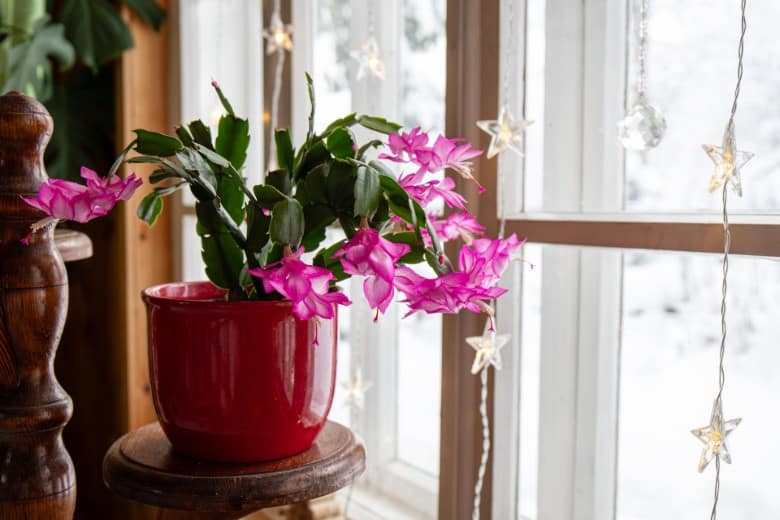
The Christmas cactus is known for its lush, flattened stems that resemble a chain of leaf segments. These stems can range from vibrant green to reddish tones, creating a festive appearance. During the holiday season, these plants burst into colorful blooms, typically in shades of pink, red, or white. The blossoms hang delicately from the ends of the stems, providing a stunning visual display. This cactus typically grows in a cascading manner, making it perfect for hanging baskets or tabletop displays. Its unique growth pattern can make it easy to recognize among other household plants.Common Varieties
The most popular variety of Christmas cactus is the Schlumbergera, often referred to by its festive names like Thanksgiving or Holiday cactus. This variety is cherished for its ability to bloom around the holiday season, adding to its charm. Another variety you might encounter is the Easter cactus, known for its star-shaped flowers and distinct blooming period. While similar in appearance to the Christmas cactus, it blooms slightly later, around Easter time. Both varieties are non-toxic to dogs, but knowing their differences can help you care for them effectively. Have you ever thought about adding one to your collection? Their non-toxic nature makes them a safe choice for homes with pets.Potential Risks To Dogs
Christmas Cactus, with its vibrant blossoms, often finds a place in homes during the festive season. While they add a pop of color, pet owners might wonder about the safety of these plants around dogs. Understanding the potential risks is crucial to ensure your furry friend’s health and happiness.
Toxicity Levels
Thankfully, Christmas Cactus is generally considered non-toxic to dogs. Unlike other holiday plants such as poinsettias and mistletoe, the Christmas Cactus doesn’t contain harmful substances that could pose a threat. However, it’s always wise to monitor your dog around any plant, as individual reactions may vary.
Symptoms Of Ingestion
If your dog happens to nibble on a Christmas Cactus, you might notice mild digestive issues. Symptoms like vomiting or diarrhea could occur if large amounts are ingested. While these symptoms are typically not severe, it’s important to keep an eye on your dog and ensure they are comfortable.
Have you ever seen your dog curiously sniffing around your plants? It’s a reminder to maintain a safe environment. Consider placing plants out of reach or using barriers to prevent unwanted snacking.
Does your dog have a penchant for exploring? Being proactive can prevent minor incidents from turning into major concerns. Always consult a veterinarian if you notice unusual behavior after ingestion.
Safe Interaction Tips
Christmas cacti are generally non-toxic to dogs. While ingestion might cause mild stomach upset, it’s not harmful. Ensure your furry friend doesn’t chew on the plant to keep them safe.
Ensuring the safety of your furry friend during the holiday season is crucial, especially when you have a Christmas cactus at home. While Christmas cacti are generally not toxic to dogs, it’s wise to follow a few safety tips to prevent any unwanted incidents. Let’s explore some practical ways to help your pet interact safely with this festive plant.Preventive Measures
Place your Christmas cactus in a location that is not easily accessible to your dog. Consider high shelves or hanging planters. This keeps the plant out of reach and reduces the temptation for your dog to nibble on it. Train your dog with simple commands like “leave it” or “no” to deter them from approaching the plant. Positive reinforcement with treats can make this training effective. If you’re hosting guests, inform them about keeping the plant away from pets.Monitoring Pet Behavior
Observe your dog’s behavior around the Christmas cactus. Are they sniffing or showing excessive interest? This could be a sign to increase supervision. If your dog accidentally ingests part of the plant, watch for any unusual symptoms like vomiting or diarrhea. While these are rare with Christmas cacti, being vigilant helps in early intervention. In case of any concerning symptoms, contact your vet immediately. It’s better to be cautious and ensure your pet’s health is not compromised during the festive season.First Aid For Accidental Ingestion
Accidental ingestion of a Christmas Cactus by a dog can cause concern. Although not highly toxic, some dogs may experience mild discomfort. Knowing how to respond quickly can help ease potential symptoms and prevent complications.
Immediate Steps
Act swiftly if your dog eats parts of a Christmas Cactus. Remove any remaining cactus pieces from their mouth gently. Then, rinse their mouth with water to clear any residue. Monitor your dog’s behavior closely for signs of distress or discomfort. Keep them hydrated by offering fresh water frequently. This can help soothe their stomach and dilute any mild toxins.
When To Consult A Vet
Consider reaching out to a vet if symptoms persist or worsen. Look for signs like vomiting, diarrhea, or unusual lethargy. If these occur, it might indicate a stronger reaction. A vet can provide guidance and ensure your dog receives proper care. Always err on the side of caution to keep your pet safe and healthy.
Credit: www.thisdogslife.co
Creating A Pet-friendly Environment
Creating a safe space for pets involves knowing potential hazards. Christmas cacti are non-toxic to dogs, ensuring peace of mind. These plants add beauty without risk, keeping your furry friends safe.
Creating a pet-friendly environment during the holiday season is vital for your dog’s safety. Many festive plants, including the Christmas cactus, can raise concerns. Understanding which plants are safe ensures a joyful and stress-free holiday. Let’s explore alternatives and safety tips for a harmonious pet-friendly home.Alternative Plants
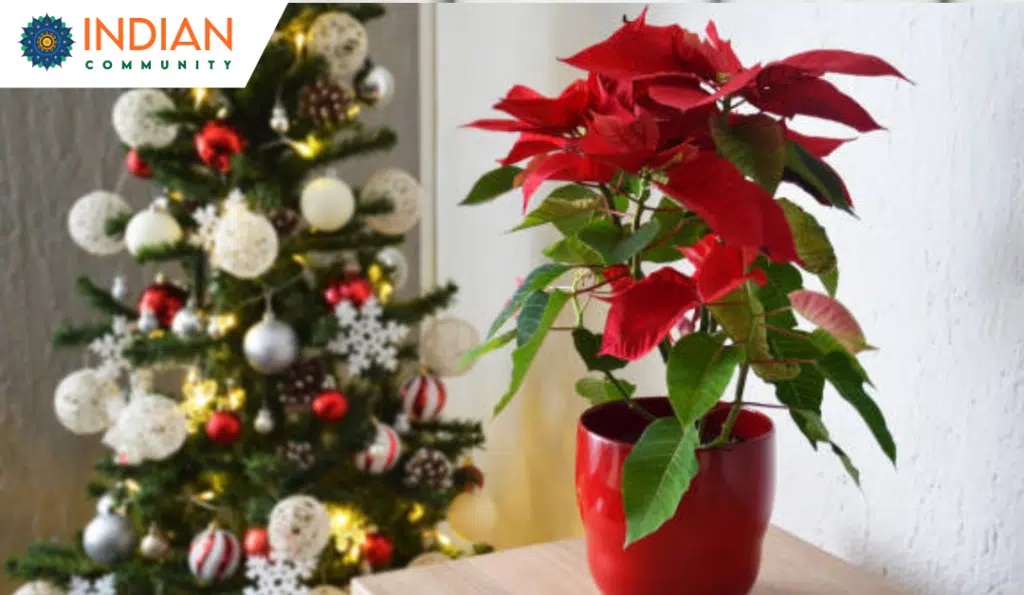
Some plants are safer than Christmas cactus for dogs. Consider these options:- Poinsettias: Mildly toxic but rarely harmful.
- Spider Plant: Non-toxic and easy to care for.
- Boston Fern: Safe for pets and adds greenery.
- Areca Palm: Pet-friendly and beautiful indoors.
Home Safety Tips
Ensure your home remains safe with simple changes.- Place plants out of reach to prevent nibbling.
- Secure electrical cords to avoid accidents.
- Avoid small decorations your dog might swallow.
- Keep food and treats in secure containers.
- Use child-proof locks on cupboards storing cleaning supplies.
Frequently Asked Questions
Are Christmas Cacti Harmful To Dogs?
Christmas cacti are not toxic to dogs. However, ingesting large amounts may cause mild stomach upset. Monitor your pet for any unusual symptoms.
What Symptoms Occur If A Dog Eats Christmas Cactus?
If a dog eats Christmas cactus, it might experience mild vomiting or diarrhea. These symptoms are usually not severe but consult your vet if concerned.
Can Dogs Safely Be Around Christmas Cacti?
Yes, dogs can be around Christmas cacti safely. These plants are not toxic, making them pet-friendly houseplants.
Is The Christmas Cactus Safe For Other Pets?
Christmas cactus is generally safe for other pets like cats and birds. Always monitor pets to prevent excessive ingestion.
Conclusion
Christmas cactus is safe for dogs, adding festive cheer. It’s a relief for pet owners during the holiday season. Keep plants out of reach to avoid any mishaps. Dogs sometimes chew on things they shouldn’t. Supervise your pets to prevent any problems.
Knowing your plant’s safety is important for a happy home. Choose decorations wisely to ensure your dog’s safety. Enjoy the holidays without worrying about poisonous plants. Protecting your dog is easy with the right information. Share this knowledge with friends who have pets.
Celebrate the season responsibly and joyfully.