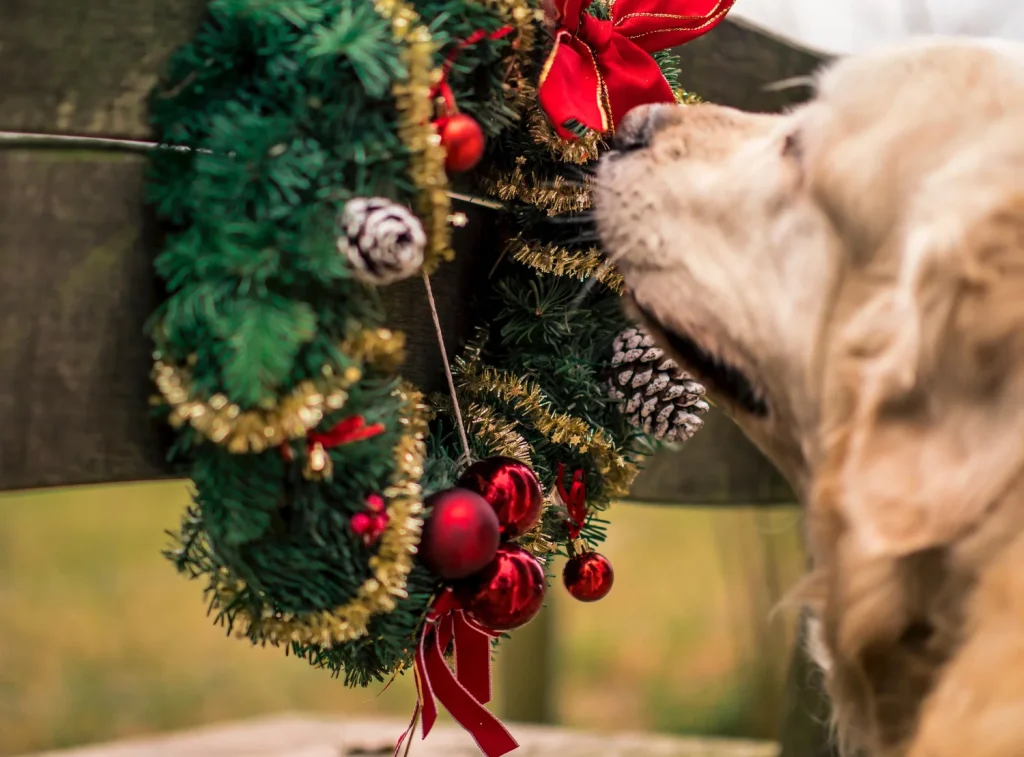
As the holiday season approaches, you might be dreaming of a beautifully decorated Christmas tree lighting up your living room. The twinkling lights, the sparkling ornaments, and the scent of fresh pine can transform any home into a winter wonderland.
But if you have a furry friend wagging its tail in your home, you may find yourself wondering: Are Christmas trees toxic to dogs? This question is more than just a fleeting concern; it’s about ensuring the safety and happiness of your beloved pet during a time meant for joy and celebration.
Your dog is a part of your family, and understanding the potential risks associated with Christmas trees is crucial. Keep reading to discover what you need to know to keep your pet safe, so you can enjoy the festive season without worry.
Christmas Tree Varieties
Some Christmas tree varieties can be mildly toxic to dogs. Fir trees might cause drooling or vomiting if ingested. Pine needles could irritate a dog’s mouth or stomach. It’s essential to keep pets safe by monitoring their interaction with the tree.
Christmas trees are a cherished holiday tradition, but have you ever considered their impact on your furry friend? The variety of trees available during the festive season can be overwhelming. Each type has its unique charm, but also varying levels of safety for pets. Understanding these differences can help you choose the best tree for a safe and joyous holiday.Common Types Used During Holidays
During the holiday season, the most popular Christmas trees are the balsam fir, Douglas fir, and Scotch pine. Balsam firs are loved for their strong, sweet scent and soft needles. Douglas firs are prized for their full, conical shape, while Scotch pines are known for their sturdy branches and excellent needle retention. Another common option is the noble fir, which boasts thick branches and a classic Christmas tree appearance. Each variety adds its own unique touch to your holiday decor, but it’s important to consider how they might affect your pets.Potential Risks For Pets
While these trees are beautiful, they can pose risks to your dogs. Pine needles, if ingested, can cause stomach upset or even puncture the intestines. Some tree varieties, like the balsam fir, produce oils that may irritate your pet’s mouth and stomach. Water additives for tree preservation can also be harmful. If your dog drinks the water from the tree stand, they might ingest chemicals that can lead to vomiting or diarrhea. It’s crucial to monitor your dog around the tree and take preventive measures. Consider using a tree skirt to cover the water and regularly vacuum around the tree to pick up fallen needles. Do you have a favorite Christmas tree type that your pet seems to love or hate? Share your experiences and help others navigate this festive conundrum.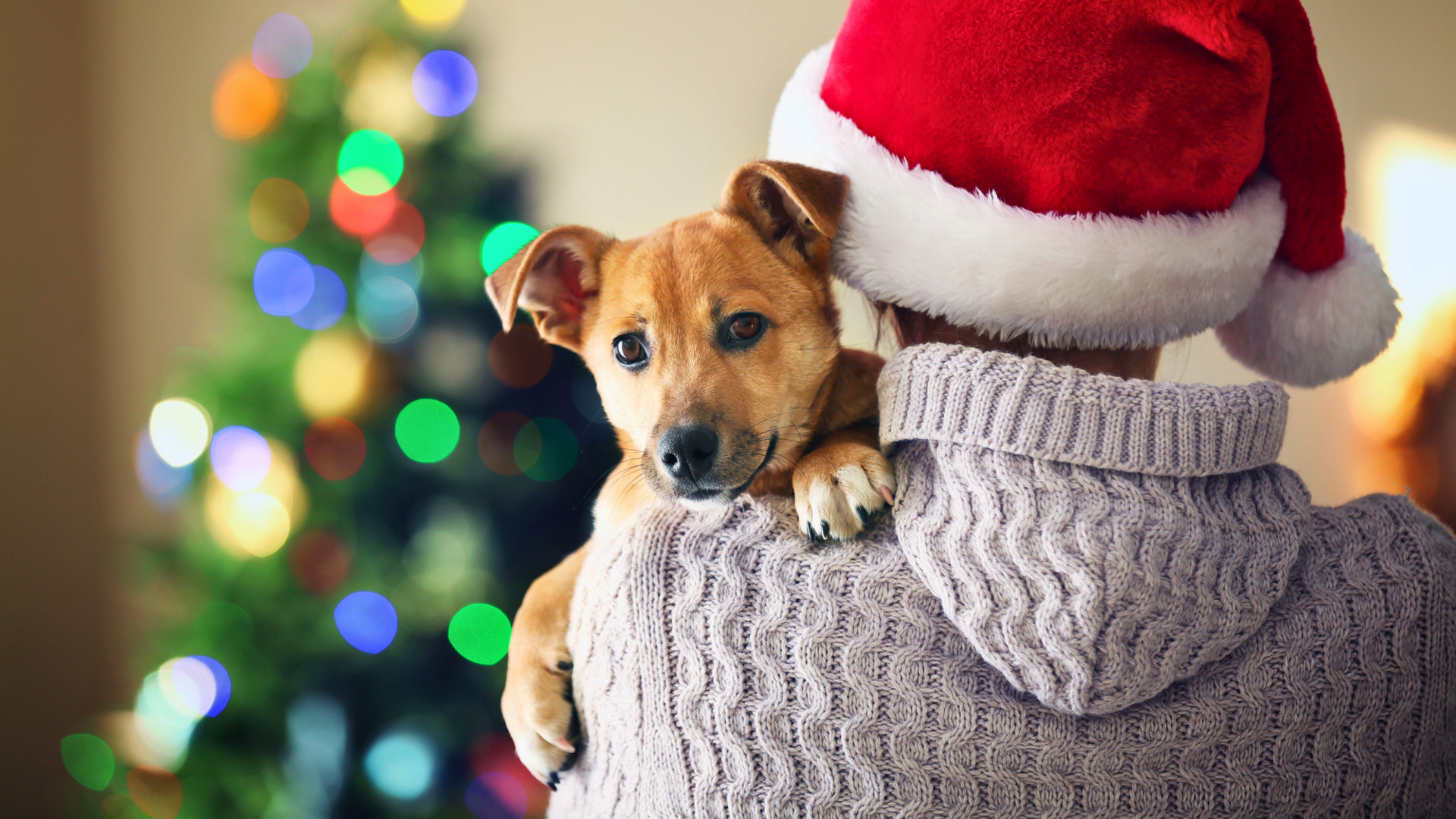
Credit: paradepets.com
Chemical Treatments
Christmas trees bring festive cheer, but their chemical treatments can pose risks to dogs. Many trees are treated to enhance their appearance and longevity. Understanding these treatments is crucial for pet owners.
Pesticides And Fertilizers
Pesticides protect trees from pests, but they can be harmful to dogs. Dogs may ingest these chemicals by chewing branches or drinking water from the tree stand. Symptoms include vomiting, drooling, or even seizures.
Fertilizers help trees grow lush, yet they contain substances that might be toxic to pets. Dogs could be exposed through soil or by eating fallen needles. Fertilizer ingestion can lead to stomach upset and other health issues.
Impact On Canine Health
Exposure to chemicals used on Christmas trees may affect a dog’s health. Ingesting treated tree parts can cause gastrointestinal distress or more severe reactions. Always monitor your dog’s behavior around the tree.
Consider using barriers or keeping the tree in a pet-free room. Choosing untreated or organic trees can reduce risks. Being aware of these chemical treatments ensures a safer holiday season for your furry friend.
Decorations And Ornaments
Christmas trees can pose risks to dogs due to toxic elements like pine needles and decorations. Keep ornaments out of reach to ensure your pet’s safety. Supervise your dog around the tree to prevent potential ingestion of harmful materials.
Decorating your Christmas tree is a cherished holiday tradition, but have you ever considered how those decorations might affect your furry friends? Dogs are naturally curious and might be tempted by shiny ornaments or dangling tinsel. Unfortunately, some of these festive decorations can pose real risks to your pets. It’s crucial to be informed and take precautions to ensure that your holiday cheer doesn’t lead to an unexpected trip to the vet.Hazardous Materials
Many traditional decorations contain materials that could be harmful to your dog. Glass ornaments can shatter easily, creating sharp pieces that could injure paws or even be ingested. Tinsel and ribbon, while beautiful, can cause intestinal blockages if swallowed. Some ornaments are made from toxic metals or chemicals that could be poisonous if chewed on. Even the hooks used to hang ornaments pose a threat—sharp and small, they can be easily swallowed or cause cuts.Safe Alternatives For Pet Owners
Choosing safer decorations can help protect your dog while keeping your home festive. Consider using shatter-proof ornaments made from durable materials. Fabric or felt ornaments are a great option—they’re soft and unlikely to break. Use LED lights that are cool to the touch, reducing the risk of burns or electrocution. Opt for non-toxic, natural garlands like cranberries or popcorn, which are less harmful if your pet decides to sample them. Have you ever thought about the scent of your decorations? Dogs are attracted to smells, so avoid scented ornaments that might tempt them to investigate with their mouths. Instead, focus on the visual appeal. Keeping decorations out of reach or using barriers can also be effective strategies. What steps will you take to ensure a safe holiday environment for your pets this Christmas?
Credit: www.facebook.com
Water Additives For Trees
Water additives for Christmas trees can be a concern for dog owners. These additives help keep trees fresh but might be harmful to pets. It’s crucial to choose the right additives that ensure your dog’s safety.
Ingredients To Avoid
Many tree water additives contain harmful chemicals. Some common ingredients to watch for include:
- Fertilizers:These can cause stomach upset in dogs.
- Preservatives:Chemicals like bleach may lead to poisoning.
- Anti-bacterial agents:They might irritate your dog’s digestive system.
Avoid these ingredients to keep your pet safe during the holiday season.
Safe Practices For Pet-friendly Homes
Creating a pet-friendly environment is essential for dog owners. Follow these practices to ensure your home is safe:
- Use plain water:It’s the safest option for your tree and pets.
- Cover the water:Use a tree skirt to prevent access to the water.
- Monitor your pet:Keep an eye on your dog near the tree.
These practices help maintain a safe and joyful holiday setting. Keep your furry friends safe while enjoying the festive season.
Pet-proofing Your Christmas Tree
Christmas trees can pose risks to dogs, as some types are mildly toxic. Ensure pine needles and water additives are out of reach. Secure ornaments to prevent accidental ingestion and keep lights and cords safely tucked away.
Pet-Proofing Your Christmas Tree Every holiday season, the excitement of decorating a Christmas tree can bring joy to your home. However, if you have a furry friend, especially a curious dog, it’s crucial to ensure that your festive decorations are safe. Pet-proofing your Christmas tree not only keeps your decorations intact but also protects your beloved pet from potential harm. It’s easy to get caught up in the magic of the season, but taking some time to safeguard your tree can prevent unwanted incidents. Let’s explore some practical steps to keep your dog safe and your home merry.Secure Tree Placement
Choosing the right spot for your Christmas tree is essential. Ensure it’s away from furniture that your dog might use as a launch pad to jump onto the tree. Use a sturdy tree stand to prevent tipping. A tree that’s easily knocked over can lead to broken ornaments and potential injuries. Consider tethering the tree to the wall for added stability. This extra precaution can save you from a holiday disaster.Barrier Methods To Protect Pets
Creating a barrier between your pet and the tree can be highly effective. Baby gates are a practical choice and can easily be set up around the tree’s perimeter. Alternatively, consider using decorative fencing or a playpen. These options not only keep your dog at bay but can also add to your holiday decor. Remember, the goal is to keep your pet safe without compromising the festive spirit. Have you tried any other creative methods to pet-proof your tree?
Credit: www.facebook.com
Signs Of Toxicity In Dogs
Christmas trees can be harmful to dogs if ingested. Watch for symptoms like vomiting, drooling, or lethargy. Keep pine needles and tree water out of reach to ensure your pet’s safety.
Christmas trees are a beloved holiday tradition, but they can pose risks to your furry friends. Dogs are naturally curious, and the allure of a brightly decorated tree can lead them to nibble on pine needles or drink tree water. Understanding the signs of toxicity in dogs is crucial for safeguarding their health during the festive season.Symptoms To Watch For
If your dog has ingested parts of a Christmas tree, be alert for symptoms like vomiting, diarrhea, and excessive drooling. Other signs might include lethargy, lack of appetite, or even changes in behavior. It’s essential to monitor your dog’s condition closely, as symptoms can vary based on the amount ingested and your dog’s size.Emergency Actions
Should you notice any signs of distress, act swiftly. Contact your veterinarian immediately and provide them with as much information as possible about what your dog consumed. If possible, bring a sample of the tree or the water your dog drank to the vet. This can help in assessing the situation more accurately and determining the best course of action. Being proactive can make a significant difference. Have you ever had to act quickly in a pet emergency? It’s a reminder of how prepared we must be to protect our beloved companions. Taking preventive measures can also help. Keep the area around the tree tidy, and consider using a tree skirt to cover the base. Ensure decorations are out of reach, and always keep an eye on your curious canine during the holidays.Veterinary Advice
When it comes to ensuring the safety of your furry friend during the holiday season, understanding the potential risks posed by Christmas trees is crucial. Many pet owners wonder if their festive decorations could harm their dogs. Veterinary advice can provide valuable insights into how to keep your pet safe and healthy during the holiday season.
Consulting A Professional
It’s always a good idea to consult your veterinarian if you’re unsure about the safety of your Christmas tree for your dog. They can offer personalized advice based on your dog’s health history and specific needs. A quick call or visit could prevent a holiday mishap and give you peace of mind.
Veterinarians are well-versed in the signs of toxicity in pets. By consulting them, you gain access to crucial information and resources to handle any potential emergencies.
Preventive Measures And Treatment
There are simple steps you can take to minimize risks. Consider using a pet-friendly tree stand to keep water and fallen needles out of your dog’s reach. You can also opt for artificial trees, which typically pose fewer health hazards.
If your dog shows signs of distress, such as vomiting or lethargy, after being near the tree, act quickly. Contact your veterinarian immediately to discuss potential treatments or interventions. Early detection and treatment can make a significant difference in your pet’s recovery.
What preventive measures will you implement this holiday season to ensure your dog’s safety? Taking proactive steps can help you enjoy the festive season without any worries.
Frequently Asked Questions
Are Christmas Trees Harmful To Dogs?
Christmas trees can be harmful to dogs if ingested. Pine needles can cause digestive issues or puncture internal organs. Additionally, stagnant water in tree stands may contain harmful bacteria. Always monitor your dog around the tree and consider using barriers to prevent access.
Can Dogs Get Sick From Eating Pine Needles?
Yes, dogs can get sick from eating pine needles. Ingesting them can lead to vomiting, diarrhea, or intestinal blockages. Pine needles can also puncture the intestines. If your dog consumes pine needles, monitor for symptoms and contact your veterinarian if any signs of illness appear.
What Christmas Tree Is Safest For Pets?
Artificial trees are generally safer for pets. They don’t shed needles and are less likely to cause digestive issues. However, ensure the tree is stable to prevent it from falling. Avoid decorations that are sharp or small enough to be swallowed by pets.
Is Christmas Tree Water Toxic To Dogs?
Yes, Christmas tree water can be toxic to dogs. It may contain preservatives or bacteria that can cause illness. To keep pets safe, cover the water container securely. Alternatively, use a pet-safe tree stand or keep the tree in an area inaccessible to pets.
Conclusion
Christmas trees can pose risks to dogs. Needles may irritate their skin. Sap can be toxic if ingested. Decorations add to the hazard. Ornaments might be swallowed, causing harm. Secure your tree to prevent accidents. Keep an eye on your dog during the holiday season.
Safe boundaries help protect them. Choose pet-friendly decorations. Opt for artificial trees for added safety. Monitor your dog’s behavior around the tree. Enjoy a worry-free Christmas with your furry friend. Celebrate responsibly and keep your pet’s well-being in mind. Happy holidays with safe practices!


