Are Vibration Collars Safe for Dogs: Pros and Cons
Are you considering a vibration collar for your furry friend but aren’t quite sure if it’s safe? You’re not alone.
Many dog owners find themselves wrestling with the idea of using a vibration collar for training or behavior correction. You want what’s best for your pet, and their safety is your top priority. But how do you sift through all the information out there to make an informed decision?
We’ll dive into what vibration collars are, how they work, and most importantly, whether they’re safe for your dog. Get ready to uncover the facts that will help you feel confident and empowered about your choice. Stick around, because the well-being of your beloved canine companion might just depend on it.

Credit: www.amazon.com
Vibration Collars Explained
Vibration collars are gaining popularity among dog owners as a training tool, but what exactly are they and how do they work? These collars offer an alternative to traditional shock collars, using vibrations to communicate with your pet. Understanding their functionality and the types available can help you decide if they’re the right fit for your furry friend.
How They Work
Vibration collars work by delivering a gentle, noticeable buzz to your dog’s neck. This sensation is designed to grab your dog’s attention without causing pain or discomfort. It’s similar to the vibration mode on your smartphone. The collar is typically controlled via a remote, allowing you to send signals to your dog to indicate specific commands or discourage unwanted behavior. Some models also include sound cues alongside vibrations for enhanced training.
Types Of Vibration Collars
Vibration collars come in several types, each catering to different training needs. Basic models offer simple vibration settings, ideal for dogs with mild behavioral issues. More advanced collars allow you to adjust the intensity of the vibrations, perfect for tailoring the training to your dog’s responsiveness.
- Basic Vibration Collars:These are straightforward and user-friendly, often suitable for beginners in dog training.
- Adjustable Vibration Collars:These collars let you tweak the intensity, offering more control. Great for dogs needing more refined cues.
- Multi-Function Collars:These combine vibration with sound, providing a versatile tool for different training scenarios.
Choosing the right type depends on your dog’s temperament and your training goals. Have you ever wondered how your dog perceives these vibrations? Observing your dog’s reaction can offer insights into their comfort level with the collar.
Benefits Of Vibration Collars
Vibration collars have gained popularity among pet owners seeking safe training methods. They offer several benefits for both dogs and their trainers. This section explores the advantages of using vibration collars in dog training.
Training Efficiency
Vibration collars enhance training efficiency by providing immediate feedback. Dogs quickly associate vibrations with commands. This helps them learn faster. The quick response encourages positive behavior. Consistent use builds a strong understanding of commands.
Non-invasive Correction
Vibration collars offer non-invasive correction. Unlike shock collars, they don’t cause pain. They use gentle vibrations to guide dogs. This makes training less stressful for pets. It ensures a positive experience, promoting cooperation.
Adjustable Intensity
Vibration collars come with adjustable intensity settings. Owners can tailor the vibration level to their dog’s needs. This flexibility accommodates different temperaments. It ensures effective training without discomfort. Adjusting intensity helps find the right balance for each dog.
Potential Risks
Vibration collars can be risky for dogs if used improperly. They may cause stress or anxiety in some pets. It’s crucial to consult a vet before using them.
Potential Risks Vibration collars are popular for dog training, but they come with risks. Understanding these risks can help ensure your dog’s safety and well-being.Physical Health Concerns
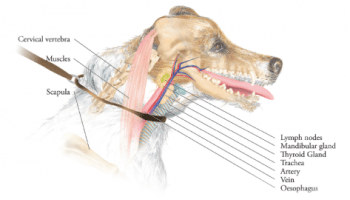
Vibration collars may cause skin irritation. Long-term use can lead to discomfort. A collar that is too tight may restrict breathing. Dogs with sensitive skin could develop rashes. Regular checks can prevent health issues.Behavioral Impacts
Vibration collars might confuse some dogs. Misunderstanding the signal can lead to anxiety. It may cause stress in nervous dogs. Training methods should be clear and consistent. A confused dog may develop unwanted behaviors.Misuse And Overuse
Overusing vibration collars can desensitize dogs. Too frequent use may lessen collar effectiveness. Misuse can lead to negative associations. Collars should be used as part of a balanced training plan. Proper guidance ensures positive results.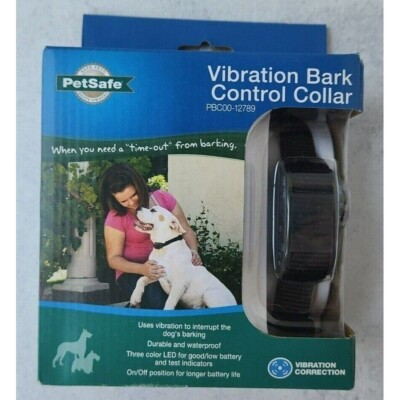
Credit: www.ebay.com
Alternatives To Vibration Collars
Exploring safer options for dog training can lead to discovering alternatives to vibration collars. Positive reinforcement with treats and clicker training often provides effective results without potential harm. These methods foster a trusting bond between owner and pet, ensuring safety and kindness in training practices.
Considering alternatives to vibration collars can lead to more effective and compassionate training methods for your furry companion. While vibration collars can be useful in certain situations, they might not be the best choice for every dog or owner. Exploring other options can provide you with more tools to address behavioral issues and enhance your dog’s learning experience.Positive Reinforcement Techniques
Positive reinforcement is a powerful and humane approach to training. By rewarding your dog for good behavior, you can encourage them to repeat those actions. You might use treats, praise, or toys as rewards. Picture this: your dog sits calmly instead of jumping on guests. A quick treat reinforces the behavior. Over time, your dog learns that calm behavior equals tasty rewards. This method not only strengthens your bond but also builds your dog’s confidence. Have you tried using a clicker? It’s a small device that makes a clicking sound, marking the exact moment your dog does something right. Pairing the click with a reward can accelerate learning.Professional Training
Sometimes, the expertise of a professional trainer can make all the difference. Trainers bring a wealth of knowledge and experience to tackle challenging behaviors. They can tailor a program specific to your dog’s needs. Imagine working with a trainer who understands your dog’s unique quirks. They can guide you through customized exercises that address specific issues. You’ll learn new techniques and gain insights you might not discover on your own. Consider attending a group class or arranging private sessions. Both have their advantages. Group classes offer socialization, while private sessions provide focused attention. Which environment suits your dog better?Choosing The Right Collar
Vibration collars offer a non-painful way to train dogs, focusing on gentle alerts rather than shocks. Safety depends on correct usage and understanding each dog’s needs. Proper training and guidance ensure these collars remain a helpful tool.
Choosing the right vibration collar for your dog is crucial to ensure their safety and well-being. Not all collars are created equal, and selecting the appropriate one can make a significant difference in your dog’s response and comfort. It’s essential to weigh various aspects and make an informed decision that aligns with your dog’s needs and temperament.Factors To Consider
When selecting a vibration collar, consider your dog’s size and weight. Collars designed for small dogs may not be effective for larger breeds, and vice versa. Look for adjustable collars that can grow with your dog to avoid frequent replacements. Evaluate the vibration settings available on the collar. Some collars offer multiple levels of intensity, allowing you to customize the experience based on your dog’s sensitivity. This feature can be particularly helpful if your dog is new to vibration collars. Check the battery life and durability of the collar. A collar with a short battery life may not be practical for extended outings, and a durable design ensures it withstands everyday wear and tear.Consulting A Veterinarian
Before purchasing a vibration collar, consult your veterinarian. They can provide insights tailored to your dog’s health and behavioral needs. A professional opinion can help you avoid potential health issues that may arise from inappropriate collar usage. Your vet may also suggest alternative training methods if a vibration collar isn’t suitable for your dog. This advice is invaluable, especially for dogs with pre-existing health conditions or anxiety. Have you ever considered how your dog perceives these training tools? Engaging a vet in the conversation ensures that you’re not only making a choice that benefits you but also prioritizes your dog’s comfort and safety.Real-life Experiences
Vibration collars can be a safe tool for training dogs when used correctly. Many dog owners report positive experiences, noting improved behavior without causing harm. It’s essential to follow guidelines and monitor your dog’s reaction to ensure comfort and safety.
Real-life experiences with vibration collars can provide valuable insights into their effectiveness and safety for dogs. While some pet owners report positive outcomes, others have faced challenges. By examining these experiences, you can make a more informed decision about whether a vibration collar is right for your furry friend.Success Stories
Many dog owners have shared their success stories with vibration collars. One owner found that their previously stubborn pup responded well to the gentle vibrations, reducing excessive barking within weeks. Another user shared how their rescue dog, who had a history of trauma, adapted quickly to the collar, showing significant improvement in behavior without any signs of distress. These positive experiences highlight the potential of vibration collars as a humane training tool. It’s important to note that success often depends on consistent use and positive reinforcement. Have you considered how a vibration collar might complement your training routine?Challenges Faced
Not every experience with vibration collars is seamless. Some owners encounter difficulties, such as their dogs not responding to the vibrations as expected. In these cases, the collar might need adjustments or a different setting to be effective. Another challenge is ensuring the collar fits properly, as an ill-fitting collar can cause discomfort. A few users have noted that their dogs were initially startled by the vibrations, requiring a gradual introduction to the collar. These challenges underscore the importance of patience and observation. Are you prepared to monitor your dog’s reactions and make necessary adjustments for their comfort and safety? By sharing real-life experiences, you can better understand the diverse outcomes of using vibration collars. Whether you’re inspired by success stories or cautious about potential challenges, these insights can guide your decision-making process.
Credit: www.amazon.com
Frequently Asked Questions
Are Vibration Collars Harmful To Dogs?
Vibration collars are generally safe when used correctly. They provide a gentle vibration to get your dog’s attention. Unlike shock collars, they do not emit an electric shock. Always ensure the collar fits well and monitor your dog’s reaction. Consult a veterinarian for advice tailored to your dog’s needs.
How Do Vibration Collars Work For Training?
Vibration collars use gentle vibrations to gain your dog’s attention. They are a humane alternative to shock collars. These collars help redirect your dog’s focus during training sessions. They are often used for command reinforcement and behavior correction. Ensure consistency in training for the best results.
Can Vibration Collars Cause Anxiety In Dogs?
Vibration collars may cause anxiety if misused or overused. Introduce the collar gradually and monitor your dog’s response. Use positive reinforcement in conjunction with the collar to minimize stress. If anxiety persists, consider consulting a professional trainer. Always prioritize your dog’s comfort and well-being.
Are Vibration Collars Suitable For All Dog Breeds?
Vibration collars can be suitable for most dog breeds. However, the effectiveness may vary based on the dog’s size and temperament. For small or sensitive breeds, adjust the collar’s intensity accordingly. Always consult with a veterinarian or trainer for breed-specific advice.
Monitor your dog’s behavior closely when using the collar.
Conclusion
Vibration collars can be safe when used correctly. They offer a gentle way to train. Always prioritize your dog’s comfort and safety. Consult a vet before using any collar. Observe your dog’s reaction closely. Adjust use based on their behavior.
Not all dogs respond well to vibration collars. Each dog is unique. Understand your pet’s needs and preferences. Research and educate yourself thoroughly. Training should always be a positive experience. Safety and well-being should be your primary focus. Consider other training methods if needed.
Always aim for a happy, healthy dog.