Can a Dog Eat Apple Skin Safely? Discover the Truth
Have you ever found yourself snacking on a crisp apple and wondered if your furry friend could enjoy it too? As a loving dog owner, you want to share the best with your canine companion, but safety comes first.
Understanding what your dog can safely eat is crucial, especially when it comes to seemingly harmless foods like apple skin. You might ask yourself, “Is it safe for my dog? ” Or “Could it offer any nutritional benefits? ” This article will clear up any confusion and provide you with the knowledge you need to make an informed decision.
Discover how apple skin affects your dog’s health, and ensure you’re offering treats that are both delicious and safe. Stay with us as we peel back the layers of this intriguing topic—you’ll be surprised at what you find!
Nutritional Benefits Of Apple Skin
Apple skin is rich in fiber and antioxidants, offering health benefits. Dogs can safely eat apple skin, enjoying its nutrients.
Apple skin is more than just a protective layer. It holds a treasure of nutrients that can benefit your furry friend. Dogs can munch on apple skin in moderation. Let’s explore the nutritional benefits.Vitamins And Minerals
Apple skin is packed with vitamins. Vitamin C and A are prominent. They help boost your dog’s immune system. These vitamins also support eye health. Minerals like potassium and calcium are present too. They aid in bone health and muscle function.Fiber Content
Fiber is abundant in apple skin. It helps with digestion. Dogs need fiber for a healthy gut. Fiber can also control your dog’s weight. It keeps them feeling full longer. This can prevent overeating.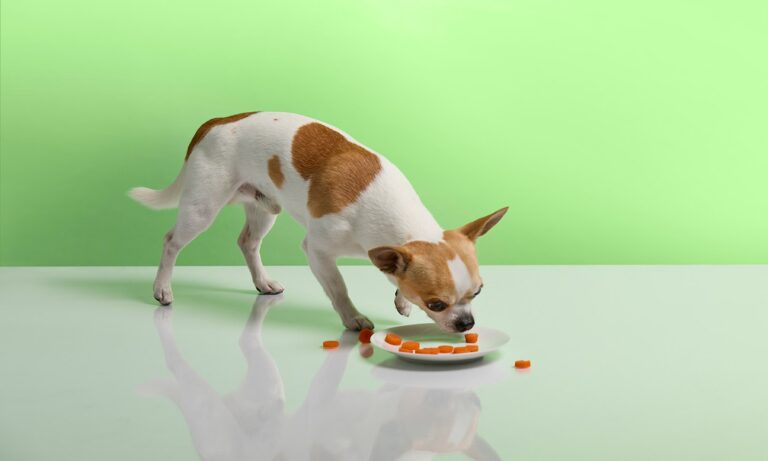
Credit: www.chewy.com
Potential Risks For Dogs
Apples are a popular snack for humans, and sharing them with your furry friend might seem harmless. However, before you toss your dog a piece of apple with the skin on, it’s crucial to understand the potential risks involved. While apple skins contain nutrients, there are certain dangers that might affect your dog’s health.
Pesticides And Chemicals
Apple skins often carry residues of pesticides and chemicals used during farming. These substances can be harmful to dogs, potentially leading to health issues. If you can’t source organic apples, consider peeling them before sharing with your pup. Have you ever wondered about the unseen chemicals in everyday fruits?
Choking Hazards
Apple skins can pose a choking risk, especially for small dogs or those that gulp their food. The skin can easily get lodged in their throat if not chewed properly. Offering smaller, bite-sized pieces can minimize this risk. Have you noticed how quickly your dog devours food without chewing?
Safe Consumption Guidelines
Apple skin can be a healthy treat for dogs. It is packed with fiber, which aids digestion. Dogs can enjoy apple skin if prepared correctly. Safe consumption ensures that dogs get the benefits without any risks.
Preparing Apples For Dogs
Wash apples thoroughly to remove pesticides. Cut the apple into small, bite-sized pieces. Remove the seeds and core as they can be harmful. This makes it easier for dogs to chew and digest.
Recommended Portions
Limit apple skin servings to a few pieces at a time. Overconsumption can lead to stomach upset. Small dogs should have fewer pieces compared to larger dogs. Monitor your dog’s reaction after eating.

Credit: rockykanaka.com
Signs Of Allergies Or Digestive Issues
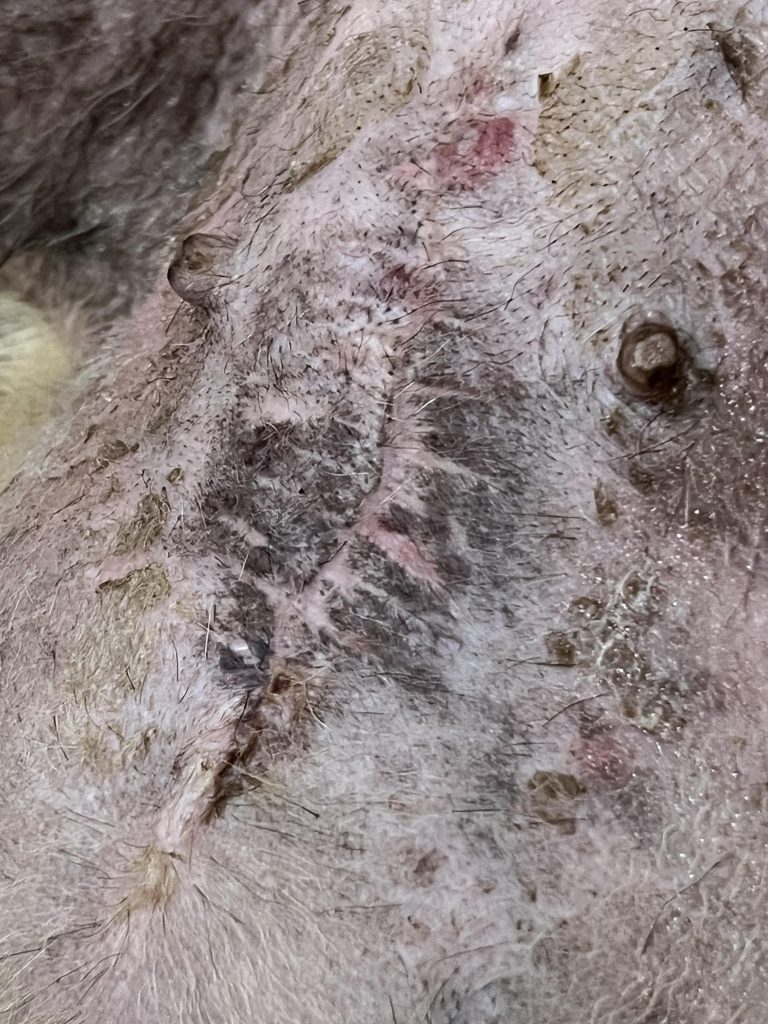
Dogs can eat apple skin, but watch for allergy or digestive signs like vomiting or diarrhea. Red, itchy skin or excessive licking might indicate a reaction. Always introduce new foods slowly and observe your dog’s response.
Introducing apple skin into your dog’s diet can be a healthy choice, but it’s important to remain vigilant about potential allergies or digestive issues. Just like humans, dogs can react differently to new foods. Observing your dog’s behavior and bodily responses is crucial. This helps you ensure they’re not experiencing any discomfort or adverse reactions.Symptoms To Watch For
When giving apple skin to your dog, keep an eye out for any unusual behavior. Common signs of allergies include: – Itchy skin: If your dog starts scratching more than usual, it could be a response to something in the apple skin. – Red, inflamed areas: Check for redness or swelling on your dog’s skin. – Ear infections: Frequent shaking of the head or scratching at the ears can signal an issue. Digestive problems may also arise, such as: – Vomiting or diarrhea: These symptoms indicate your dog’s stomach isn’t handling the apple skin well. – Loss of appetite: If your dog suddenly isn’t interested in their meals, they might be experiencing discomfort. – Lethargy: An unusually tired dog can be a sign of digestive upset.When To Consult A Veterinarian
If you notice any of the symptoms above, it may be time to reach out to a professional. But how do you know when it’s necessary? – Persistent symptoms: If the issues last more than 24 hours, a vet visit is warranted. – Severe reactions: Swelling, difficulty breathing, or severe vomiting should prompt immediate attention. – Repeated issues: If your dog consistently reacts to apple skin, they might be allergic. Your vet can provide guidance and recommend whether apple skin should be part of your dog’s diet. Remember, it’s better to be cautious and consult a professional than to risk your dog’s health. Have you ever wondered how your dog perceives the taste of apple skin? Observing their reactions not only keeps them safe but also deepens the bond you share.Alternative Healthy Snacks
Dogs can enjoy apple skin as a healthy snack. Rich in fiber and antioxidants, it supports digestion and overall health. Always ensure apples are washed and served in moderation for safe consumption.
Alternative Healthy Snacks Dogs enjoy variety in their diets. Fresh snacks can offer both taste and health benefits. It’s vital to know which options are safe and nutritious. Apples, with their crunchy texture, often appeal to dogs. But what about the skin? Let’s explore other healthy snack alternatives for your furry friend.Fruits Safe For Dogs
Some fruits are perfect for dogs. They offer vitamins and hydration. Here are a few safe choices:- Bananas: High in potassium and easy to digest.
- Blueberries: Packed with antioxidants and fiber.
- Watermelon: Refreshing and low in calories.
- Pineapple: Contains bromelain for digestion support.
Vegetables Dogs Can Enjoy
Vegetables add variety and nutrients. Dogs can safely eat these veggies:- Carrots: Great for teeth and full of beta-carotene.
- Green Beans: Low in calories and high in fiber.
- Sweet Potatoes: Rich in vitamins and easy on the stomach.
- Pumpkin: Helps regulate digestion and is full of nutrients.

Credit: bowwowinsurance.com.au
Frequently Asked Questions
Is Apple Skin Safe For Dogs To Eat?
Yes, dogs can safely eat apple skin in moderation. It contains beneficial nutrients like fiber. However, ensure the apple is thoroughly washed to remove any pesticides. Also, monitor your dog for any allergic reactions or digestive issues. Always introduce new foods gradually and consult your veterinarian if unsure.
Can Apple Skin Cause Allergies In Dogs?
Apple skin is generally safe, but allergies are possible. If your dog shows signs like itching or vomiting, stop feeding immediately. Introduce apple skin slowly to monitor reactions. Consult your vet if allergies persist. Remember, every dog is different, and reactions can vary significantly.
How Much Apple Skin Can A Dog Eat?
Moderation is key when feeding apple skin to dogs. A few small pieces are enough for most dogs. Overfeeding can lead to digestive issues. Ensure the apple skin is clean and free of pesticides. Always monitor your dog’s health and consult your vet for personalized advice.
What Are The Benefits Of Apple Skin For Dogs?
Apple skin offers fiber, aiding digestion in dogs. It also contains antioxidants and vitamins beneficial for overall health. However, ensure it’s pesticide-free. Introduce apple skin gradually and monitor for any adverse reactions. Consult your veterinarian for tailored advice on your dog’s diet.
Conclusion
Dogs can enjoy apple skin in moderation. It’s safe and healthy. Rich in fiber, apple skin aids digestion. Always wash apples thoroughly. Remove seeds and core. Seeds contain harmful cyanide. Introduce apple skin gradually to your dog. Monitor for any allergic reactions.
Some dogs might not digest it well. Consult your vet if unsure. A balanced diet is vital for your dog’s health. Treats like apple skin should complement, not replace meals. Offering variety keeps your dog happy and healthy. Keep their diet nutritious and interesting.
Enjoy sharing these tasty moments with your furry friend.