Can a Fox Mate With a Dog: Unraveling the Myth
Senior Canine Nutritionist & Dog Behavior Specialist at Cozy Dog Go Wellness Lab
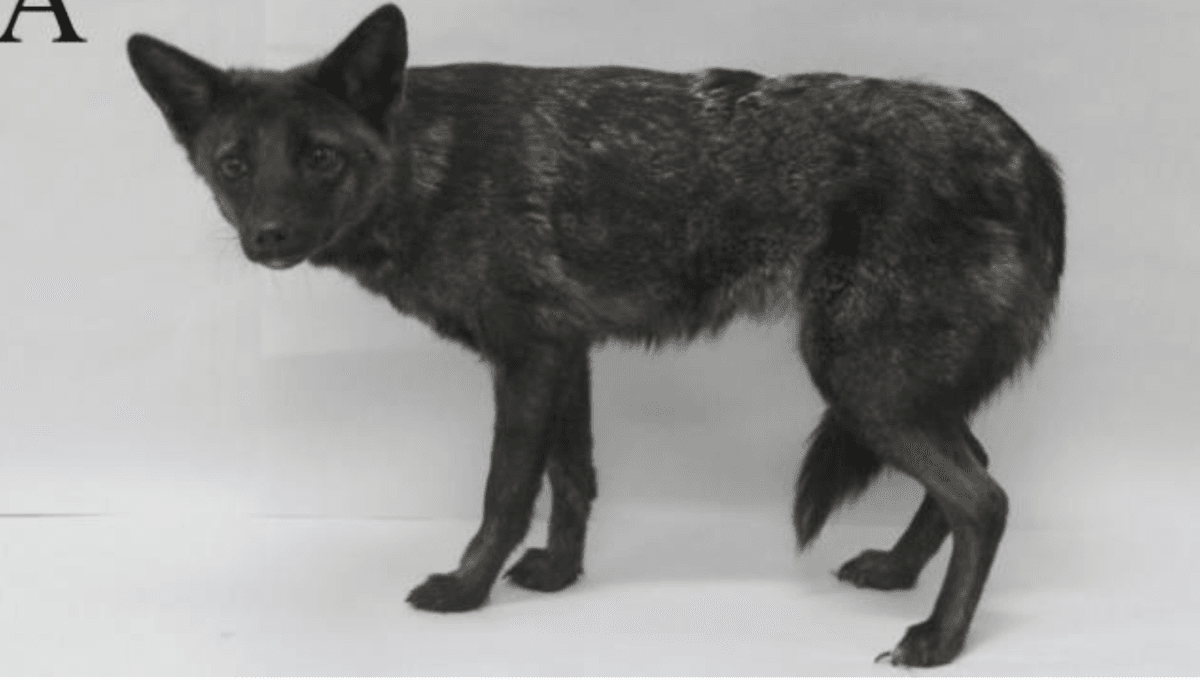
Have you ever found yourself captivated by the mysterious world of animals, pondering the curious question: can a fox mate with a dog? This intriguing topic often sparks the imagination and leads to a deeper exploration of nature’s wonders.
As you delve into this article, you’ll discover surprising facts and insights that might just change the way you see these enchanting creatures. Understanding the complexities of animal genetics and the boundaries between species can be both fascinating and enlightening.
So, if you’re ready to satisfy your curiosity and learn something new, keep reading to uncover the truth about foxes and dogs, and their potential connections.
Biological Differences
Foxes and dogs both belong to the Canidae family. Yet, they have significant biological differences that prevent them from mating successfully. These differences include genetic makeup and reproductive systems. Understanding these differences can help clarify why these two species cannot interbreed.
Genetic Makeup
Foxes and dogs have different chromosome numbers. Foxes usually have 34 chromosomes, while dogs have 78. This difference makes it difficult for them to produce fertile offspring. Chromosomes carry genetic information that determines many traits. A mismatch in chromosome numbers can lead to problems in embryo development.
The genetic distance between foxes and dogs is quite vast. Their DNA sequences show significant variations. These genetic differences make it improbable for a fox and a dog to produce viable offspring. DNA plays a crucial role in species compatibility. When DNA sequences differ too much, successful mating becomes unlikely.
Reproductive Systems
Reproductive systems in foxes and dogs vary considerably. Foxes have a different mating cycle compared to dogs. Foxes typically mate once a year, while dogs can mate twice. This difference in cycles reduces the chances of interbreeding.
The gestation periods also differ. Foxes have a gestation period of about 52 days. Dogs, however, have a longer gestation period of around 63 days. Such variations in reproductive timing add to the challenge of hybridization.
Additionally, the mating behaviors of foxes and dogs are not compatible. Foxes and dogs have different social structures. This affects their mating rituals and compatibility. These behavioral differences further reduce the chances of them mating successfully.
Credit: www.discovermagazine.com
Hybridization Possibilities
Foxes and dogs belong to different species with distinct genetic makeup. This makes successful mating between them highly unlikely. Hybridization possibilities are limited due to significant differences in their DNA, despite some visual similarities.
Hybridization between different species always sparks curiosity. The idea of a fox and a dog potentially mating raises questions about the possibilities and challenges of such a union. While both animals belong to the Canidae family, the journey to hybridization is far from straightforward. Understanding their genetic makeup and any known hybrids can provide fascinating insights into this intriguing topic.Genetic Compatibility
The genetic blueprint of foxes and dogs shows similarities and differences. Both belong to the Canidae family, but they have distinct chromosomal structures. Dogs have 78 chromosomes, while foxes typically have fewer, depending on the species. Imagine trying to solve a puzzle with pieces that look similar but don’t quite fit. This is the challenge when foxes and dogs attempt to mate. Chromosomal differences often prevent successful breeding, leading to infertility or unviable offspring. However, nature is full of surprises. Occasionally, mismatched species defy the odds. So, could a fox-dog hybrid exist against these genetic challenges?Known Hybrids
Despite the scientific hurdles, hybridization between foxes and dogs remains a topic of fascination. Documented cases of fox-dog hybrids are extremely rare and often surrounded by controversy. In the wild, such hybrids are not commonly observed. This rarity stems from not only genetic barriers but also behavioral differences. Foxes and dogs lead different lifestyles, reducing their chances of mating naturally. Nevertheless, there are reports, albeit unverified, of hybrids existing in captivity. These tales often come with skepticism but fuel ongoing curiosity. Would you trust a sighting of such a rare creature, or would it take scientific proof to convince you? The allure of creating a fox-dog hybrid keeps imaginations alive, but the reality leans heavily on biological limitations. Understanding these barriers helps appreciate the uniqueness of each species.Implications For Conservation
Understanding the mating possibilities between foxes and dogs is more than scientific curiosity. It brings important insights into wildlife conservation. While foxes and dogs are both canids, their ability to mate and produce offspring is not proven. This matters for conservation efforts, as it impacts how we manage these species and their habitats.
Species Preservation
Preserving distinct species is crucial for biodiversity. If foxes and dogs could mate, it might threaten the genetic purity of fox populations. Hybrid animals can alter natural behaviors and survival instincts. Conservationists aim to protect the unique traits of every species. Each species plays a role in the ecosystem. Mixing their genes could compromise those roles.
Impact On Ecosystems
Healthy ecosystems depend on balanced species interactions. Introducing hybrids could disrupt this balance. Foxes have specific roles in the food chain. Dogs have different instincts and behaviors. If they were to interbreed, it might change predator-prey dynamics. This could lead to overpopulation or scarcity of certain animals. Maintaining natural species boundaries helps sustain ecosystem health.
Credit: www.miamiherald.com
Frequently Asked Questions
Can Foxes And Dogs Interbreed Naturally?
Foxes and dogs cannot interbreed naturally due to significant genetic differences. They belong to different genera, making mating impossible. While both are part of the Canidae family, their evolutionary paths diverged millions of years ago. This genetic gap prevents them from producing offspring, even if they attempt to mate.
Why Can’t Foxes And Dogs Produce Offspring?
Foxes and dogs can’t produce offspring because of genetic incompatibility. They have different chromosome numbers, preventing successful reproduction. Dogs belong to the genus Canis, while foxes are part of Vulpes. This difference means that their DNA doesn’t align properly, leading to no viable offspring.
Are Foxes And Dogs Closely Related?
Foxes and dogs are not closely related despite belonging to the Canidae family. Their evolutionary paths diverged millions of years ago, resulting in distinct genera. Foxes are part of Vulpes, while dogs belong to Canis. This separation means they have significant genetic differences, limiting their ability to interbreed.
Can Foxes And Dogs Coexist Peacefully?
Foxes and dogs can coexist peacefully in some situations. However, their interactions depend on individual temperaments and environmental factors. Generally, foxes are shy and avoid dogs. In controlled settings like sanctuaries, they might tolerate each other. But, in the wild, foxes often steer clear to prevent conflicts.
Conclusion
Foxes and dogs cannot mate successfully. They are different species. Although they share some similarities, their genetic makeup differs. Foxes belong to the Vulpes genus. Dogs belong to the Canis genus. This difference prevents them from producing offspring. People often confuse foxes with dog breeds like Shiba Inu.
Remember, appearance does not equal compatibility. Understanding these differences helps us appreciate nature’s diversity. It also prevents misinformation. Respect the uniqueness of each species. Enjoy observing them separately. Nature offers endless wonders. Let’s keep learning and exploring these fascinating creatures.

Similar Posts