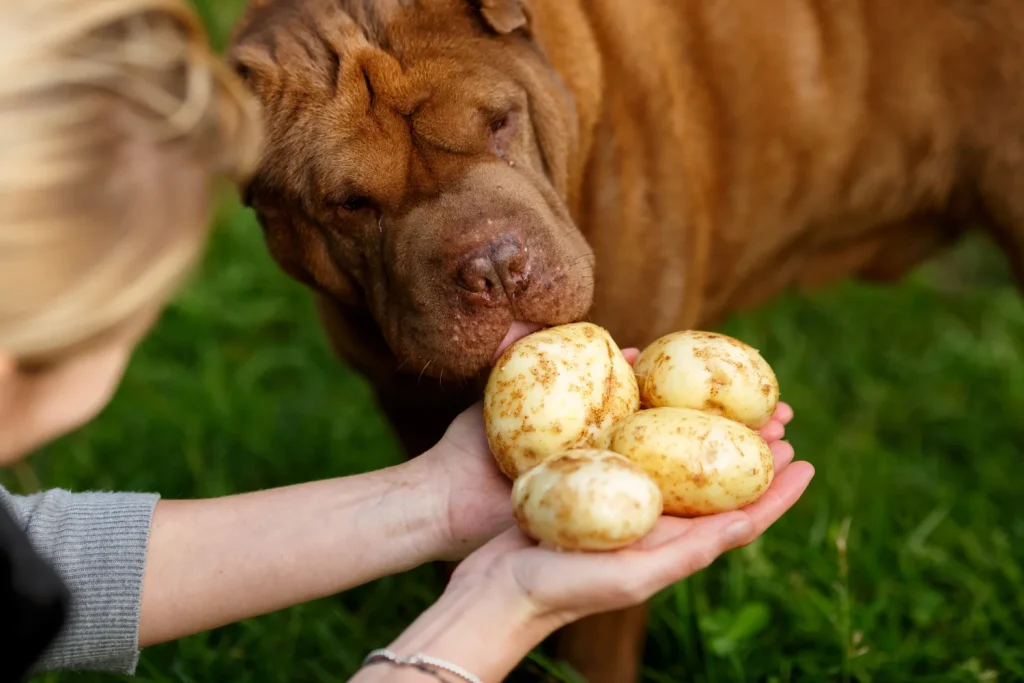
Have you ever found yourself wondering whether your furry friend can snack on raw potatoes with the skin on? You’re not alone.
Many dog owners are curious about what foods are safe for their pups. It’s only natural to want the best for your loyal companion. But before you toss that uncooked potato to your eager dog, there are a few things you should know.
Uncover the surprising facts about raw potatoes and their impact on your dog’s health. By understanding the risks and benefits, you can make informed choices that keep your pet happy and healthy. Dive into this article to discover the truth about feeding raw potatoes to dogs, and ensure you’re giving your four-legged friend the best possible care.
Credit: medium.com
Nutritional Content Of Raw Potatoes
Raw potatoes are a popular kitchen staple. They are rich in nutrients. Dogs might encounter them during meal prep. But are they safe for dogs? Understanding their nutritional content is crucial. Let’s explore the vitamins, minerals, and potential benefits for dogs.
Vitamins And Minerals
Raw potatoes contain a variety of vitamins. Vitamin C is one of them. It helps boost the immune system. Potatoes also provide Vitamin B6. This supports the brain and metabolism. Minerals are present too. Potassium helps with muscle function. Iron supports healthy blood. Magnesium is another key mineral. It aids muscle and nerve function.
Potential Benefits For Dogs
Raw potatoes have some health benefits. Their fiber promotes digestion. It can help dogs with bowel movements. The antioxidants in potatoes fight free radicals. This protects cells from damage. Potassium supports heart health. It helps maintain proper blood pressure. Vitamin C boosts the immune system. This keeps dogs healthier. Always consult a vet before introducing new foods. Safety first for your furry friend.
Potential Risks Of Feeding Raw Potatoes
Feeding dogs raw potatoes with skin can pose risks. Raw potatoes contain solanine, which is toxic to dogs. Skin can also cause digestive issues. It’s safer to cook potatoes before serving them to your pet.
Potential Risks of Feeding Raw Potatoes Feeding your dog raw potatoes can pose several risks. Understanding these dangers is crucial for your pet’s health. Raw potatoes contain certain compounds that may harm dogs.Solanine Toxicity
Raw potatoes have a natural toxin called solanine. This compound protects the plant from pests. Solanine can be harmful to dogs if ingested in large amounts. Symptoms of solanine poisoning include vomiting and diarrhea. In severe cases, it might cause nervous system issues. Cooking potatoes reduces solanine levels significantly.Digestive Issues
Dogs may struggle to digest raw potatoes. Their digestive systems are not designed for raw starches. Consuming raw potatoes can lead to gastrointestinal upset. Symptoms include bloating, gas, and abdominal pain. Over time, this may lead to more serious digestive problems. Cooking potatoes makes them easier for dogs to digest.Effects Of Potato Skin On Dogs
Dogs are curious eaters. They often nibble on things that might not be good for them. One such item is the potato skin. While potatoes are a staple in many diets, their skin can pose some questions regarding canine consumption. Here, we explore the effects of potato skin on dogs. We focus on its digestibility and potential allergic reactions.
Digestibility Of Potato Skin
Potato skin is tough and fibrous. This makes it harder for dogs to digest. Some dogs may experience stomach discomfort. They might even face issues like constipation. A small piece might pass through their system without problems. But larger amounts can be troublesome. Cooking the potato skin softens it. This can aid in digestion for your furry friend.
Allergic Reactions
Some dogs are allergic to certain foods. Potato skin can trigger allergies in sensitive dogs. Symptoms include itching, swelling, or redness. In severe cases, they might have breathing problems. Always monitor your dog after they eat something new. If you notice any allergic signs, seek veterinary care.
Preparing Potatoes For Dogs
Dogs should not eat raw potatoes with skin. Raw potatoes contain solanine, which is toxic to dogs. Always cook potatoes and remove the skin before serving them to your pet.
Preparing Potatoes for Dogs When considering if your dog can enjoy potatoes, preparation is key. Raw potatoes with skin can pose health risks. Cooking them not only makes them safe but also enhances their nutritional value. Dogs have unique dietary needs, and potatoes can be a nutritious treat if prepared correctly. Let’s dive into safe methods and alternatives to ensure your furry friend gets the best.Safe Cooking Methods
Boiling is a simple and effective way to make potatoes safe for dogs. It removes harmful substances like solanine, which is present in raw potatoes. Peel the potatoes and chop them into small pieces for easy digestion. Steaming is another excellent method. It preserves more nutrients compared to boiling. Plus, it keeps the potatoes soft, making it easier for your dog to chew. Baking can be a fun alternative. Slice the potatoes into thin pieces and bake until they’re crispy. Avoid adding any seasonings that could harm your dog.Alternatives To Raw Potatoes
Sweet potatoes are a fantastic substitute. They are lower in solanine and packed with vitamins. Try boiling them and mixing with your dog’s regular food. Carrots offer a crunchy texture and are great for your dog’s teeth. They can be served raw or cooked, making them a versatile choice. Pumpkin is not only safe but also beneficial for your dog’s digestive system. It’s rich in fiber and can be served in small amounts as a treat. Consider these alternatives if you want to provide variety while ensuring your dog’s safety and health. Have you tried any of these options with your dog? Share your experiences in the comments.Signs Of Potato Toxicity In Dogs
Dogs are curious creatures, often eager to taste anything they come across, including raw potatoes. However, raw potatoes with skin can pose a risk to your furry friend. It’s crucial to recognize the signs of potato toxicity in dogs to ensure their health and safety. If you suspect your dog has ingested raw potato, knowing what symptoms to look for can be a lifesaver.
Behavioral Changes
Has your dog suddenly started acting out of character? Behavioral changes are often the first indicators of potato toxicity. You might notice your dog becoming unusually lethargic or overly agitated. These shifts can be subtle yet significant, signaling that something is amiss. Is your pet pacing or showing signs of anxiety? These could be red flags that your dog is experiencing discomfort or distress due to potato ingestion.
Physical Symptoms
Physical symptoms of potato toxicity can range from mild to severe. Vomiting and diarrhea are common reactions that are hard to miss. If your dog is displaying these symptoms, it’s time to pay attention. You might also observe drooling or excessive salivation, indicating nausea or stomach upset. In severe cases, your dog might experience muscle tremors or difficulty breathing. How can you ensure your dog’s safety if these symptoms arise? Consider seeking immediate veterinary care to address these alarming signs.
Credit: www.dogster.com
Consulting A Veterinarian
Understanding what is safe for your furry friend to eat is crucial, especially when it comes to raw potatoes with skin. While some foods may seem harmless, they can pose hidden dangers. Consulting a veterinarian can offer peace of mind and ensure your dog’s health remains a priority.
When To Seek Professional Advice
If your dog accidentally munches on raw potatoes, it’s natural to worry. Should you rush to the vet? Not always. However, if you notice unusual symptoms like vomiting, lethargy, or diarrhea, it’s wise to consult a veterinarian. They can provide tailored advice based on your dog’s size, breed, and health history.
Have you ever thought about how your dog’s dietary needs change with age? Puppies might react differently to certain foods compared to senior dogs. A veterinarian can offer insights into these nuances. Don’t wait for a health scare; regular consultations can prevent potential issues.
Preventive Measures
Keeping raw potatoes out of your dog’s reach is a smart preventive measure. You can store them in cabinets or on high shelves. Training your dog to avoid certain foods can also be beneficial. A simple command can save you from a trip to the vet.
Consider creating a list of harmful foods and sharing it with family members. This ensures everyone is aware and vigilant. Have you ever thought about the items on your kitchen counter? A quick scan can prevent unintended snacking adventures.
Credit: paradepets.com
Frequently Asked Questions
Can Dogs Safely Eat Raw Potatoes?
Dogs should not eat raw potatoes. They contain solanine, a harmful compound. Cooking reduces solanine levels, making potatoes safer. Always ensure potatoes are cooked before feeding them to dogs. Raw potato consumption can lead to digestive issues and toxicity.
Are Potato Skins Harmful To Dogs?
Potato skins can be harmful if consumed in large amounts. They contain solanine, which is toxic to dogs. Always peel potatoes before cooking and serving them to your dog. Moderation is key in preventing any potential health issues from potato skins.
What Happens If A Dog Eats Raw Potato?
If a dog eats raw potato, it may experience digestive upset. Symptoms include vomiting, diarrhea, or lethargy. The solanine in raw potatoes can cause toxicity. Consult a veterinarian if your dog shows signs of distress after consuming raw potato.
How To Prepare Potatoes For Dogs?
To prepare potatoes for dogs, peel and cook them thoroughly. Boil or bake without adding salt, butter, or seasonings. This ensures they are safe and digestible. Always serve potatoes in moderation as part of a balanced diet for your dog.
Conclusion
Raw potatoes with skin aren’t ideal for dogs. They can pose risks. Stomach issues might occur. Cooking potatoes is safer and more nutritious for dogs. Always consult your vet first. Vets offer the best advice tailored to your pet. Watch for any adverse reactions in your dog.
Introduce new foods slowly and in small amounts. Keep your furry friend healthy and happy. Safe feeding practices ensure a long and joyful life. Prioritize your dog’s well-being above all. Remember, a balanced diet is key. Your dog deserves the best care possible.
Stay informed and make wise choices.


