Can Dogs Have Skin Cancer? Uncover the Truth Today!
Imagine this: you’re enjoying a sunny day outside with your furry friend. Everything seems perfect, but have you ever wondered about the hidden dangers beneath your dog’s fur?
Yes, dogs can have skin cancer, and it’s more common than you might think. As a loving pet owner, your priority is to keep your dog healthy and happy. But, without realizing it, your dog might be at risk. This article will uncover the signs, causes, and preventive measures you can take to protect your beloved companion.
Stay with us as we delve into the world of canine skin cancer, ensuring you have all the knowledge needed to safeguard your pet’s health.
Causes Of Skin Cancer In Dogs
Skin cancer in dogs is a growing concern for pet owners. Understanding the causes can help in prevention and early detection. While various factors contribute, genetic and environmental influences are significant.
Genetic Factors
Some dog breeds are more prone to skin cancer. Breeds like Boxers and Dalmatians have a higher risk. This is due to their genetic makeup. These breeds may inherit genes that make them susceptible. Owners of these breeds should be extra vigilant. Regular check-ups with a vet are advisable.
Environmental Influences
Environmental factors play a big role in skin cancer. Prolonged exposure to sunlight can be harmful. Dogs with thin fur or light skin are at higher risk. Ultraviolet rays can damage skin cells over time. Dogs that spend a lot of time outdoors need protection. Providing shade and using pet-safe sunscreens can help.
Credit: pethelpful.com
Types Of Skin Cancer In Dogs
Just like humans, dogs can suffer from skin cancer. It’s a startling fact that can catch pet owners off guard. Understanding the different types of skin cancer in dogs can help you recognize early signs and seek timely treatment. Skin cancer isn’t just one disease but a collection of various conditions, each with distinct characteristics and risks.
Melanoma
Melanoma in dogs often appears as a dark, pigmented mass. These tumors can be found anywhere on the skin but are commonly seen in the mouth and nail bed. While some melanomas are benign, others can be aggressive and spread rapidly. Early detection is crucial, so if you notice unusual dark spots or growths, don’t hesitate to consult your vet.
Squamous Cell Carcinoma
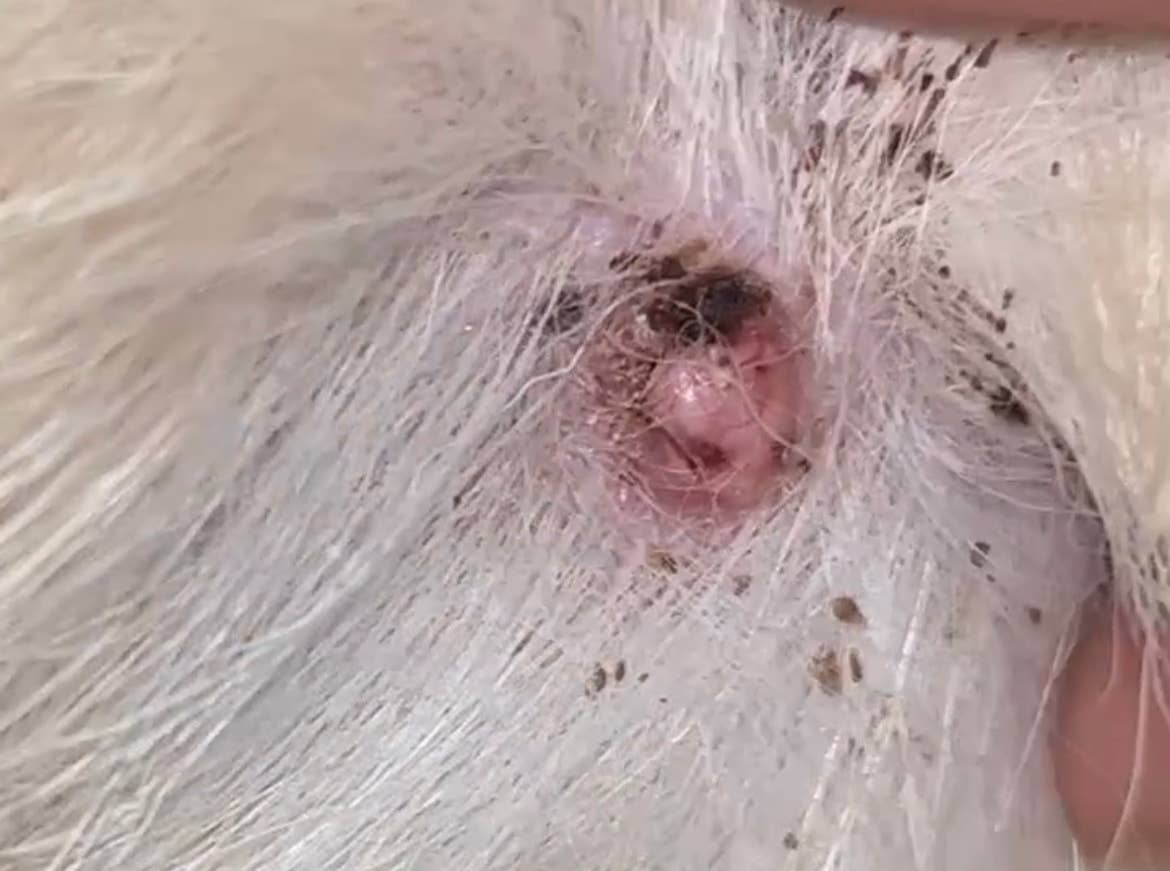
Squamous Cell Carcinoma is typically characterized by firm, raised lumps on the skin. These tumors may ulcerate and have a crusty appearance. Dogs with light-colored fur and skin are at higher risk. You might think a small bump is harmless, but vigilance is key. Regular checks and prompt veterinary advice can make a significant difference.
Mast Cell Tumors
Mast Cell Tumors are known for their unpredictable behavior. These tumors can appear as swollen, itchy lumps and may change in size or color over time. They often release histamines, causing inflammation and discomfort. If your dog frequently scratches or bites at a particular spot, it’s worth investigating further.
Have you ever wondered how your dog’s lifestyle might affect their risk of skin cancer? Regular vet visits, a balanced diet, and sun protection can reduce the risks. Awareness and early action can protect your furry friend from serious health issues.
Symptoms To Watch For
Dogs, much like humans, can develop skin cancer. Understanding the symptoms to watch for is crucial for early detection and effective treatment. By keeping an eye out for specific signs, you can ensure your furry friend gets the care they need. Let’s delve into some key indicators that might suggest your dog is experiencing skin cancer.
Visible Skin Changes
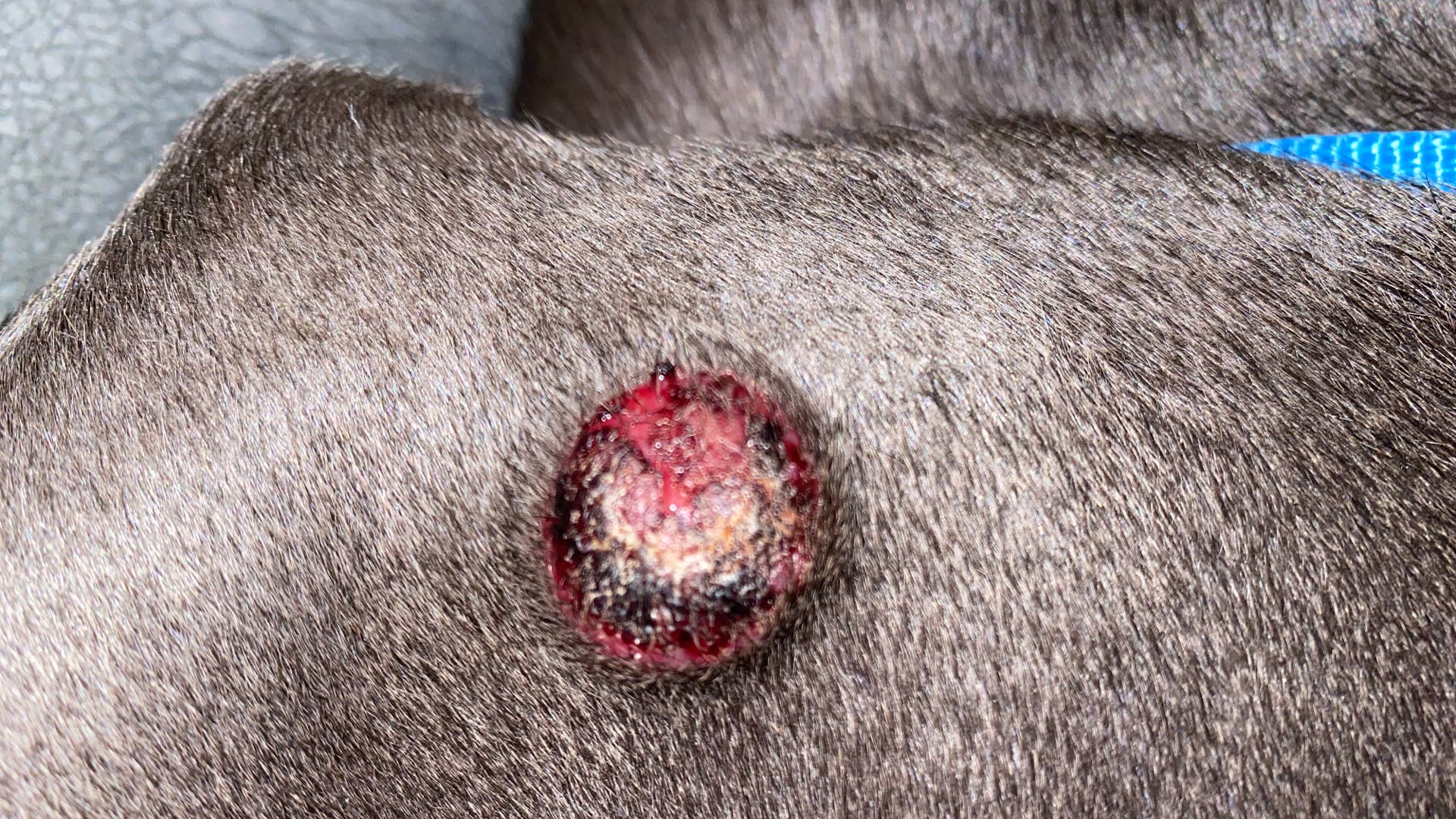
One of the most noticeable signs of skin cancer in dogs is a change in their skin appearance. Look for unusual lumps, bumps, or lesions that seem to grow over time. If your dog has a spot that changes in color or texture, it’s time to consult your vet.
Pay attention to sores that don’t heal or areas that become crusty. These could be indicative of underlying issues. Regular grooming sessions can serve as an excellent opportunity to check for these changes.
Have you ever discovered a new bump while petting your dog? It’s moments like these that can make all the difference in catching something early. Don’t dismiss these changes as minor irritations; they might be more serious.
Behavioral Indicators
Dogs often exhibit behavioral changes when they are uncomfortable or in pain. If your dog seems more agitated or is frequently scratching or licking a particular area, it might be worth investigating further.
Notice if your dog is avoiding certain activities or appears lethargic. Changes in behavior can be subtle but significant indicators of discomfort. They might shy away from being touched in certain areas or seem restless.
Have you observed your dog withdrawing from usual playtime or walks? Such shifts in behavior can be telling. It’s important to trust your instincts; if something feels off, it’s worth a closer look.
Diagnosis Process
Veterinarians use physical exams and tests to diagnose skin cancer in dogs. They check for lumps, sores, and unusual skin changes. A biopsy may be performed to confirm the presence of cancerous cells.
Understanding the diagnosis process for canine skin cancer is crucial for every dog owner. Early detection can make a significant difference in the treatment and outcome. The journey usually begins with a trip to the vet when you notice unusual lumps or changes in your dog’s skin.Physical Examination
During the physical examination, the vet will thoroughly check your dog’s skin. They look for lumps, bumps, and any changes in color or texture. Your vet might also feel for unusual masses beneath the skin surface. They will ask questions about your dog’s health history and any symptoms you’ve observed. This information helps them understand the potential severity of the situation. Don’t hesitate to mention any changes in your dog’s behavior or eating habits.Biopsy Procedures
If the vet suspects cancer, a biopsy is often the next step. This involves taking a small sample of the suspicious tissue. Your dog might require sedation to ensure comfort during this procedure. The tissue is then analyzed in a lab to determine if cancer cells are present. The results from the biopsy will guide the treatment plan. It’s a critical step in understanding the nature and extent of the disease. Have you considered how early diagnosis could save your dog’s life? Prioritize regular vet visits and pay attention to any unusual signs. Your vigilance can make all the difference.Treatment Options
Dogs can have skin cancer, and treatment options include surgery, chemotherapy, and radiation. Each method depends on the cancer type and stage. Early diagnosis improves recovery chances, so regular vet checks are crucial.
Dogs can face health challenges, including skin cancer. Understanding treatment options helps pet owners make informed decisions. Skin cancer in dogs is treatable with several methods. Each option varies based on the cancer type and stage. Consulting a veterinarian for a tailored plan is essential.Surgical Interventions
Surgery is a common treatment for dog skin cancer. It involves removing the tumor and some surrounding tissue. This helps prevent cancer from spreading. Surgery is most effective for localized tumors. A successful operation can lead to a full recovery. Your vet will discuss the best surgical approach for your dog.Radiation Therapy
Radiation therapy targets cancer cells with high-energy rays. It is used when surgery isn’t possible. Radiation can shrink tumors and relieve symptoms. This therapy is effective for certain cancer types. Treatments usually occur over several sessions. Your vet will guide you on the procedure and its effects.Chemotherapy
Chemotherapy uses drugs to kill cancer cells. It can treat cancers that have spread. Some dogs may experience mild side effects. Chemotherapy is often combined with other treatments. Your vet will recommend the best drug combination. Regular check-ups ensure the treatment is working.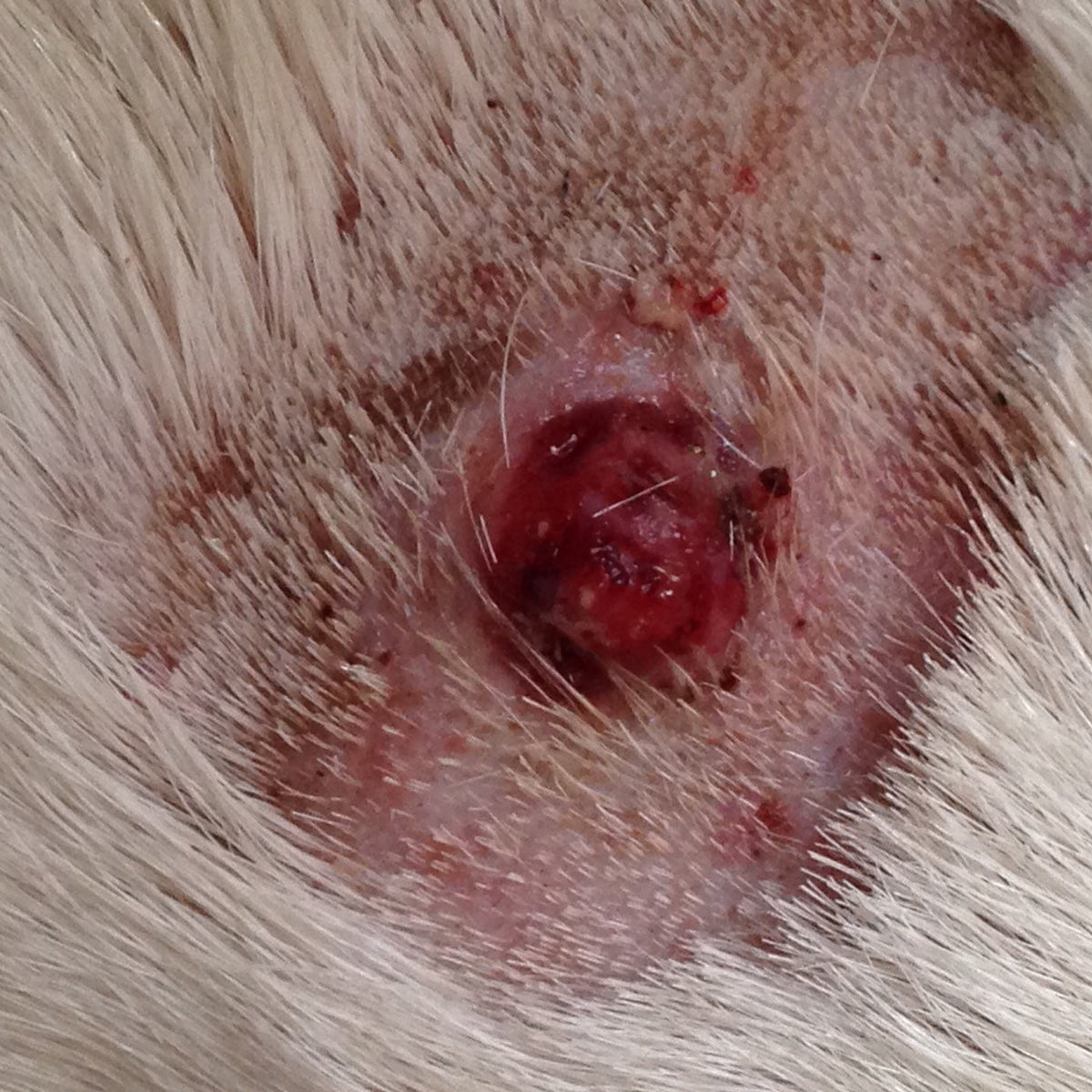
Credit: drjudymorgan.com
Preventive Measures
Regular skin checks help spot early signs of skin cancer in dogs. Keep dogs shaded to reduce sun exposure. Use pet-safe sunscreen for protection, especially on short-haired breeds.
Preventive Measures Skin cancer in dogs is an unfortunate reality that pet owners must be aware of. While it’s not entirely preventable, there are several measures you can take to reduce the risk. Engaging in proactive care can make all the difference in your furry friend’s health. By focusing on sun protection and a well-rounded diet, you are taking steps towards safeguarding your pet. Let’s dive into how you can practically apply these strategies.Sun Protection
Just like humans, dogs can be affected by UV rays. Consider using pet-safe sunscreen on areas with less fur, such as the nose and ears. Limit their exposure during peak sun hours, typically between 10 AM to 4 PM. You might find that your dog enjoys a shaded area in the backyard more than direct sunlight. Think about using protective clothing designed for dogs. Hats and light shirts can offer an extra layer of defense against harmful rays.Diet And Nutrition
A balanced diet plays a crucial role in maintaining your dog’s skin health. Ensure your pet’s meals are rich in antioxidants which help combat free radicals associated with cancer. Omega-3 fatty acids, found in fish oil, are beneficial for skin protection. They not only support healthy skin but also improve overall well-being. You might consider adding vegetables such as carrots and spinach to their diet. These are high in nutrients that promote skin repair and protection. Don’t forget to ask yourself, are you feeding your dog what they need to stay healthy? A proactive approach to their diet can be a powerful preventive measure.Prognosis And Recovery
Dogs, like humans, can develop skin cancer. Early detection is key for a good prognosis. Understanding the recovery process helps pet owners support their furry friends. Let’s explore what influences recovery and how to ensure long-term care.
Factors Influencing Recovery
Several factors affect a dog’s recovery from skin cancer. The type of cancer plays a significant role. Some types are more aggressive than others. Early diagnosis often leads to better outcomes. Treatment options, such as surgery or chemotherapy, also impact recovery. A dog’s overall health is crucial. Healthier dogs tend to recover faster.
Age is another important factor. Younger dogs often have a stronger immune response. The expertise of the veterinarian can influence recovery too. A skilled vet ensures precise treatment plans. Regular follow-ups help monitor the dog’s progress. Owners’ commitment to care also matters. Adhering to the vet’s advice is essential for recovery.
Long-term Care Strategies
Long-term care is vital for dogs recovering from skin cancer. A balanced diet supports overall health. Nutrient-rich food boosts the immune system. Regular vet check-ups are crucial. They help detect any recurrence early. Monitoring the dog’s skin for changes is important. Any new lumps or discolorations should be reported.
Exercise keeps the dog fit and healthy. It aids in recovery by boosting the immune system. Keeping the dog stress-free is also important. Stress can weaken the immune system. Providing a comfortable environment helps reduce stress. Skin protection is essential. Avoid excessive sun exposure by using dog-friendly sunscreens or protective clothing.
Support from the vet and family is key. Emotional support can make a difference in recovery. Ensuring the dog feels loved and cared for is invaluable.
Credit: pethelpful.com
Importance Of Veterinary Care
Veterinary care is crucial for maintaining the health and well-being of your dog, especially when it comes to serious conditions like skin cancer. It ensures that any health issues are identified and treated promptly, increasing the chances of successful treatment. But what exactly makes veterinary care so indispensable?
Regular Check-ups
Regular check-ups with a vet can catch potential health issues before they become severe. During these visits, your vet will examine your dog’s skin for any unusual growths or changes. This proactive approach can make a significant difference in managing your pet’s health.
Many pet owners overlook the importance of regular vet visits, thinking their dog is healthy. But just like humans, dogs can silently develop conditions that require medical attention. Wouldn’t you want to catch a potential issue before it becomes a serious problem?
Early Detection Advantages
Early detection of skin cancer can dramatically increase the chances of successful treatment. When caught early, treatments tend to be less invasive and more effective. This means less stress and discomfort for your dog and potentially lower costs for you.
Consider the peace of mind that comes with knowing you’re doing everything possible for your dog’s health. Detecting issues early can lead to quicker recovery times and a happier, healthier pet. Isn’t that what every pet owner wants?
Frequently Asked Questions
Can Dogs Get Skin Cancer?
Yes, dogs can develop skin cancer. It can be due to sun exposure, genetics, or other factors. Common types include melanoma, squamous cell carcinoma, and mast cell tumors. Regular vet check-ups and monitoring skin changes can help in early detection and treatment.
What Are The Signs Of Skin Cancer In Dogs?
Signs of skin cancer in dogs include lumps, sores, or unusual growths on the skin. Changes in size, color, or texture of existing moles or spots can also indicate cancer. Regularly check your dog’s skin and consult a vet for any concerns.
How Is Skin Cancer Diagnosed In Dogs?
A vet will diagnose skin cancer in dogs through physical exams and biopsies. They may use imaging tests to assess the cancer’s spread. Early detection is crucial for effective treatment. Always seek professional advice if you notice any suspicious changes in your dog’s skin.
What Treatments Are Available For Canine Skin Cancer?
Treatment options for canine skin cancer include surgery, radiation, and chemotherapy. The choice depends on cancer type and stage. Early detection often leads to more effective treatment. Regular veterinary check-ups can help in identifying and treating cancer promptly.
Conclusion
Dogs can indeed develop skin cancer. Early detection is crucial. Regular vet check-ups help in spotting unusual skin changes. Look for lumps, sores, or color changes on your dog’s skin. These might be signs of skin cancer. Always consult your vet for accurate diagnosis and treatment options.
Protect your dog from excessive sun exposure, especially if they have thin fur. Use pet-safe sunscreen and provide shade during hot days. Ensuring your dog’s health and well-being should always be a top priority. Remember, prompt action can make a significant difference in outcomes.
Stay observant and proactive.