Can Dogs See Christmas Lights: A Festive Mystery Unveiled
Senior Canine Nutritionist & Dog Behavior Specialist at Cozy Dog Go Wellness Lab
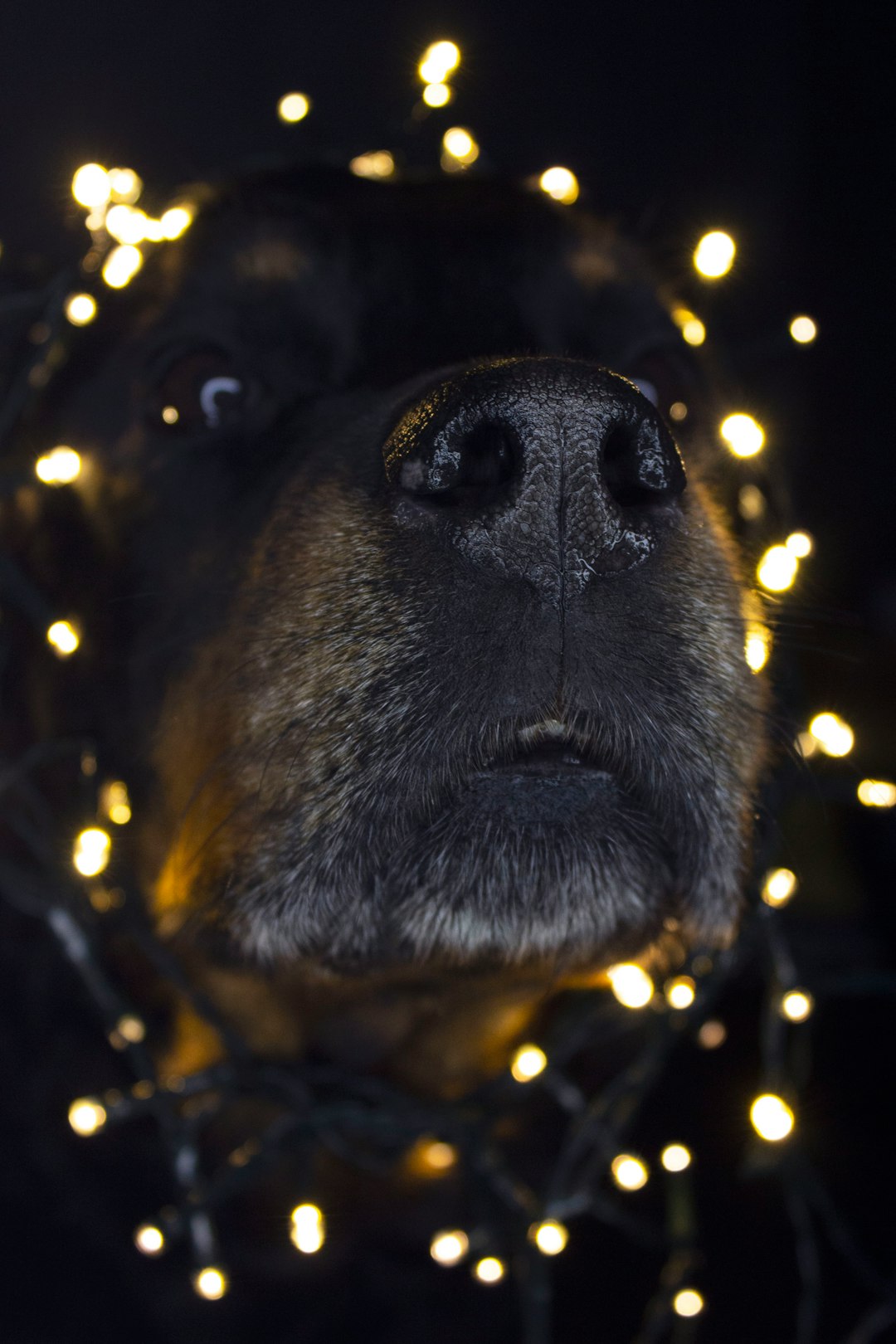
Picture this: it’s a chilly December evening, and you’re walking your furry friend down a street aglow with twinkling Christmas lights. As you marvel at the dazzling display, have you ever wondered if your dog can see the same magic in those festive illuminations?
Understanding how dogs perceive the world can be fascinating, and you might be surprised by what science reveals about their ability to see colors and lights. Before you hang that next string of lights or plan your holiday decorations, dive into this article to uncover the truth about your dog’s view of Christmas lights.
Discover how this knowledge can enhance your holiday experience and deepen your connection with your canine companion. Are you ready to see the season through your dog’s eyes? Let’s find out together!
Dogs’ Vision Explained
As the festive season approaches, many of us eagerly decorate our homes with twinkling Christmas lights. But have you ever wondered how your dog perceives these dazzling displays? Understanding dogs’ vision can shed light on how they experience the world, and whether they can truly appreciate the beauty of Christmas lights.
Color Perception In Dogs
Dogs see the world differently from humans. While we have three types of color receptors, dogs have only two. This means they see the world in shades of blue and yellow, missing out on reds and greens.
Imagine viewing a Christmas tree decorated with red and green ornaments. To your dog, those colors might appear as a dull brownish or grayish hue. But does this mean they can’t enjoy the lights?
Brightness And Contrast
Dogs have a heightened ability to detect brightness and contrast, which can make Christmas lights fascinating to them. Their eyes are more attuned to subtle differences in light, especially in low-light conditions.
Think about a time you took your dog for a walk in the evening. Notice how they react to the flicker of streetlights or the glow of a distant lamp. Christmas lights, with their varying brightness and patterns, can be a captivating experience for your furry friend.
While your dog may not see the vibrant colors, the different intensities and movements of the lights can still capture their attention. Have you noticed your dog staring curiously at a blinking light display? It’s their way of enjoying the holiday magic in their own unique way.
Christmas Lights And Colors
The holiday season is upon us, and with it comes the dazzling display of Christmas lights that adorn homes and streets. But have you ever wondered if your dog can see these vibrant decorations? Dogs perceive colors differently than humans, so understanding how they experience Christmas lights can help you create a festive environment that both you and your furry friend can enjoy.
Types Of Lights Used
Christmas lights come in a variety of forms, each offering a unique visual experience. From traditional incandescent bulbs to modern LED lights, the choices are endless. LED lights are particularly popular due to their energy efficiency and bright output. You might also find fiber optic lights, which create a mesmerizing effect with their constantly changing colors.
Consider how these different types of lights might affect your dog. LED lights, for example, can flicker at a frequency that’s noticeable to dogs but invisible to humans. Think about whether your dog seems unusually interested or bothered by certain lights. This can provide insight into their perception.
Common Colors In Displays
The vibrant colors of Christmas lights can transform any space into a winter wonderland. Common colors include red, green, blue, and white, each adding a different mood to the display. While humans revel in this spectrum, dogs have a limited color range. They primarily see shades of blue and yellow.
- Red:Often associated with warmth and tradition, but it appears as a muted shade to dogs.
- Green:May be perceived as grayish, lacking the vibrancy that humans enjoy.
- Blue:This is one of the colors dogs can see well, making blue lights potentially more engaging for them.
- White:Bright and neutral, white lights are likely seen similarly by both dogs and humans.
Do you notice your dog gravitating towards blue lights or avoiding red ones? Observing their reactions can be fascinating and might inspire you to adjust your decorations to enhance their holiday experience.
Scientific Insights
Understanding how dogs perceive the world is fascinating. Can they see the vibrant Christmas lights? Science offers insights into animal vision. Let’s delve deeper into research and studies about dogs’ color detection abilities.
Research On Animal Vision
Research indicates animals have varied vision capabilities. Dogs have dichromatic vision. They see two primary colors: blue and yellow. Unlike humans, dogs lack the ability to see red and green hues clearly. Their eyes are adapted for low-light environments. This adaptation helps them detect movement more efficiently. While they might not see the full spectrum of Christmas lights, they can perceive brightness and motion.
Studies On Dogs’ Color Detection
Studies show dogs detect colors differently than humans. Researchers use tests to study canine color detection. These tests reveal dogs can distinguish between certain shades. Dogs excel in identifying blue and yellow. They struggle with red and green hues. Researchers suggest dogs focus on brightness and contrast. The blinking and glowing of Christmas lights catch their attention. So, while they don’t see colors as vividly, they notice the sparkle and glow during the festive season.
Dogs’ Reactions To Lights
Curious about Christmas lights, dogs can see them but perceive colors differently than humans. Bright lights might intrigue or startle them, depending on their temperament.
Dogs have a keen sense of awareness that makes them unique in perceiving their environment. Their reactions to Christmas lights can be intriguing, ranging from excitement to curiosity. These sparkling displays often catch their attention, resulting in various behaviors.Behavioral Observations
Some dogs show excitement around Christmas lights. They may wag their tails and move energetically. Others might approach cautiously, sniffing or tilting their heads. These behaviors indicate their curiosity and wonder. Some might bark or growl, indicating they perceive the lights as unusual.Potential Reasons For Reactions
The vibrant colors and flickering lights can captivate dogs. Their keen eyesight picks up movement, intriguing them. Brightness and changes in light intensity might also stimulate their senses. Sound accompanying the lights, like buzzing, could provoke responses. Familiarity with the environment plays a role too, influencing their comfort level.Enhancing Festive Experiences
Christmas lights bring joy and warmth during the holiday season. Their twinkling glow creates a magical atmosphere for everyone. But do our furry friends enjoy them too? Dogs have a different way of seeing the world. Their eyes perceive colors and light differently than humans. Understanding this can enhance their festive experience. Let’s explore how we can make Christmas lights enjoyable for dogs.
Creating Dog-friendly Displays
Designing a display that appeals to dogs can be rewarding. Use lights with soft, warm tones. Avoid flashing lights, as they might stress your pet. Position lights at a level your dog can see. This allows them to engage with the display. Consider adding elements that appeal to their other senses. The scent of pine or a gentle holiday tune can enhance their experience.
Safety Tips For Pets
Safety is crucial when decorating with pets in mind. Keep electrical cords out of reach to prevent chewing. Secure lights and decorations firmly. This prevents them from falling and causing harm. Choose LED lights, which are cooler and safer. Avoid using breakable ornaments within your pet’s reach. Supervise your dog when they are near the display. This ensures they enjoy the lights safely.
Myth Busting
Can dogs see Christmas lights? Yes, they can perceive the lights, but not as vividly as humans. Their vision detects movement and brightness, making the twinkling lights intriguing to them.
The holiday season brings a magical glow to our surroundings with twinkling Christmas lights, evoking warmth and joy. But have you ever wondered if your furry friend can experience this visual delight? Let’s dive into some myth-busting about whether dogs can see Christmas lights.Common Misconceptions
Many believe dogs are completely colorblind, seeing the world only in shades of gray. This misconception leads to the assumption that Christmas lights are invisible to them. However, this is not entirely accurate. Dogs do see colors, just not as vividly as humans. They perceive a limited color spectrum, similar to a person with red-green colorblindness. Some also think that because dogs are primarily guided by their sense of smell, they don’t notice visual stimuli like lights. This isn’t true. Dogs are quite observant and can detect movement and changes in their environment.Facts Versus Fiction
In reality, dogs can see Christmas lights, but they perceive them differently than we do. Their eyes are more sensitive to motion than color, so flickering lights might catch their attention more than static ones. Dogs have fewer cone cells in their retinas, which are responsible for detecting color. While humans have three types of cones, allowing us to see a full spectrum of colors, dogs have only two. This means they see a world that’s mostly in blues and yellows. Despite these differences, your dog is likely aware of the festive changes in your home. They might not be mesmerized by the colors, but the sparkle and glow can still intrigue them. Have you ever noticed your dog staring at the Christmas tree? It’s a testament to their curiosity and adaptability. While they might not see it as vibrantly as you do, the twinkling lights certainly don’t go unnoticed. So, next time you set up your holiday decorations, remember that your furry friend might be enjoying the festivities in their unique way. Keep those lights flickering and enjoy the shared moments of holiday cheer with your canine companion.Frequently Asked Questions
Can Dogs See Christmas Lights At Night?
Yes, dogs can see Christmas lights at night. Their vision is different from humans but still effective in low light. Dogs perceive more shades of blue and yellow, making certain Christmas lights more vivid for them.
Do Christmas Lights Affect A Dog’s Vision?
Christmas lights do not negatively affect a dog’s vision. Dogs have a different color spectrum perception. They may not see the lights as vividly as humans but can still enjoy them without harm.
Are Blinking Lights Harmful To Dogs?
Blinking lights are generally not harmful to dogs. However, they can sometimes cause stress or anxiety. It’s important to observe your dog’s reaction and ensure they are comfortable around such lighting.
Can Dogs Distinguish Christmas Light Colors?
Dogs can distinguish some Christmas light colors, particularly blue and yellow. Their color vision is limited compared to humans. They may not see reds and greens as we do but can still enjoy the festive glow.
Conclusion
Dogs can indeed see Christmas lights. Their vision differs from ours. Colors appear less vibrant to them. Yet, they notice brightness and movement well. Sparkling lights can catch their attention. It’s a part of the holiday fun. Watching their reaction can bring joy.
Remember to keep lights safe for them. Avoid low-hanging strands they might chew. Enjoy the festive season with your furry friend. Creating joyful moments is what matters most. Celebrating with your dog can be special. They may not see colors like us.
But they can feel the holiday spirit. Lights, love, and happy tails!

Similar Posts