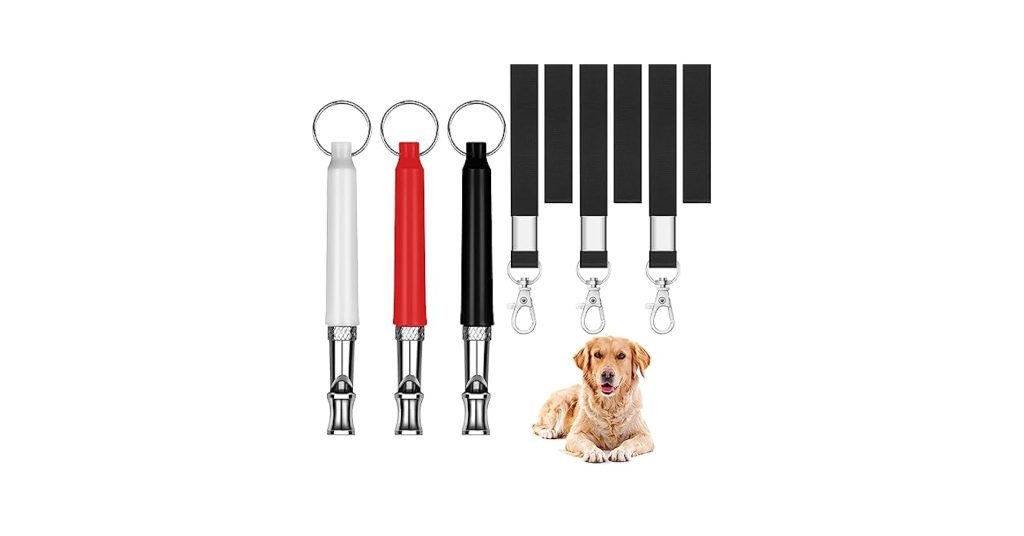
Have you ever wondered if dog whistles really work? You might have seen trainers using them or heard about their supposed magic powers.
But do they truly make a difference, or is it just another clever marketing trick? Whether you’re a curious pet owner or someone looking for effective dog training tools, this article is for you. Discover how dog whistles might be the key to better communication with your furry friend, and find out if they can transform your training sessions.
With insights backed by science and real-life experiences, you’ll get the answers you need to make informed decisions. Dive in and see if dog whistles are the missing piece in your pet training puzzle!

Credit: zigzag.dog
History Of Dog Whistles
The history of dog whistles dates back to the 19th century. These devices were invented to aid in dog training. They produce sounds inaudible to humans but detectable by dogs. This unique feature makes them ideal for training without disturbing people.
Origins Of The Dog Whistle
Francis Galton invented the dog whistle in 1876. He was a British scientist exploring sound frequencies. The whistle was part of his research on animal hearing ranges.
Development Over The Years
Dog whistles evolved with advancements in technology. Early models were simple and made of metal. Modern versions offer adjustable frequencies and durable materials.
Uses In Dog Training
Dog whistles became popular among trainers for obedience training. They help with commands without using voice or gestures. This silent method is effective for training in noisy environments.
Impact On Dog Behavior
Dog whistles influence how dogs respond to commands. The high-pitched sound captures their attention quickly. It helps reinforce training and improve recall abilities.
How Dog Whistles Function
Dog whistles produce high-frequency sounds that humans can’t hear, but dogs can. These sounds grab a dog’s attention quickly. Training with dog whistles helps in teaching commands without disturbing others.
Understanding how dog whistles function can be quite fascinating. These seemingly simple tools have a unique way of communicating with our furry companions. Unlike regular whistles, dog whistles produce sound frequencies that are above the range of human hearing but are easily picked up by dogs. Let’s dive into the specifics of how they work.What Makes Dog Whistles Unique?
Dog whistles, often called silent whistles, emit sound frequencies typically ranging between 16,000 and 22,000 hertz. Humans can only hear up to about 20,000 hertz, which is why these whistles seem silent to us. Dogs, however, have a much wider hearing range, allowing them to detect these high-pitched sounds effortlessly.The Science Behind Dog Hearing
Dogs have highly sensitive ears with more than 18 muscles to control their ear movements. This allows them to pick up subtle sound waves. Their ability to hear higher frequencies is a survival mechanism, helping them detect prey or predators in the wild.Training Efficiency With Dog Whistles
Using a dog whistle during training can be highly effective. The consistent, clear sound of a whistle can cut through distractions, capturing your dog’s attention quickly. It’s a tool that can signal specific commands like come, sit, or stop, providing a consistent cue that your dog can easily recognize.Do All Dogs Respond The Same Way?
Not all dogs will respond to a whistle in the same manner. Some dogs may need time to associate the sound with specific actions. It’s essential to be patient and consistent, using positive reinforcement to help your dog understand the expected behavior.Practical Tips For Using A Dog Whistle
– Start Slow: Begin by using the whistle in a quiet, familiar environment to minimize distractions. – Consistency is Key: Use the whistle regularly during training sessions to build a strong association. – Pair with Commands: Accompany whistle sounds with verbal commands to reinforce learning. Have you ever tried using a dog whistle with your pet? If so, what was your experience? Feel free to share your stories and insights in the comments below!Types Of Dog Whistles
Dog whistles are a fascinating tool in the world of pet training, offering a unique way to communicate with your furry friend. But did you know there are different types of dog whistles, each serving a specific purpose? Understanding these can help you choose the right one for your needs and enhance your dog’s training experience. Let’s explore some popular types of dog whistles and see how they might work for you.
Silent Whistles
Silent whistles, contrary to their name, are not entirely silent. They emit a sound at a frequency that is typically inaudible to human ears but can be heard by dogs. This is particularly useful if you want to train your dog without disturbing your neighbors or causing a commotion. Imagine walking your dog in a bustling park, and with a quick whistle, you have their attention without anyone around noticing.
These whistles are often favored for their discreet nature. They can be a lifesaver if you live in a noise-sensitive environment. Have you ever tried calling your dog and realized you’re competing with the sounds of traffic or other distractions? A silent whistle can cut through the noise without adding to it.
Adjustable Frequency Whistles
Adjustable frequency whistles offer more flexibility in training. They allow you to modify the pitch of the sound to suit your dog’s hearing. Every dog is unique, and some may respond better to higher or lower frequencies. This feature lets you experiment and find the perfect tone that your dog responds to best.
Consider the adjustable frequency whistle as a customizable tool. You might notice your dog reacts differently at various times of the day or in different environments. By adjusting the frequency, you can maintain effective communication no matter the setting. It’s like having a personalized channel just for you and your dog.
So, which type of dog whistle seems more suitable for you and your canine companion? Sometimes, all it takes is a little experimentation to discover what works best. It’s about understanding your dog’s needs and finding the right whistle to match. What adventures could this unlock in your training journey?

Credit: www.amazon.com
Scientific Studies On Dog Whistles
Scientific studies have examined the effectiveness of dog whistles. Researchers have focused on sound frequencies and canine responses. These studies aim to understand if whistles truly influence dog behavior. Let’s delve into some key aspects of this research.
Canine Hearing Range
Dogs hear sounds humans can’t. Their hearing range spans from 40 Hz to 60 kHz. This allows them to detect high-pitched noises like dog whistles. Whistles usually emit sound between 23 and 54 kHz. Such frequencies are inaudible to humans but easily heard by dogs. Studies confirm dogs can hear these frequencies clearly. This makes dog whistles a potentially effective training tool.
Behavioral Responses
Research shows varied canine responses to dog whistles. Some dogs respond immediately to the sound. This quick reaction is often due to training. Dogs associate the whistle with commands or treats. Others might ignore the sound at first. Consistent training is key for better results. Studies suggest patience and practice enhance dog responses to whistles. Over time, dogs learn to associate the whistle with specific behaviors.
Benefits Of Using Dog Whistles
Dog whistles have intrigued pet owners for many years. These tools offer unique benefits for both dogs and their owners. They serve as a powerful training aid while also minimizing noise pollution. Discover the surprising advantages of using dog whistles in your daily routine.
Training Advantages
Dog whistles produce a high-frequency sound that dogs hear well. This sound grabs their attention quickly. It helps in training commands like sit, stay, or come. Unlike human voices, whistle sounds remain consistent. This consistency aids in faster learning. Many trainers prefer dog whistles for this reason. They provide a clear, distinct signal to dogs.
Reducing Noise Pollution
Dog whistles are almost silent to human ears. This reduces disturbance in public spaces or at home. Using a whistle can keep the peace with neighbors. It avoids loud commands that might annoy others. The quiet sound benefits both the trainer and the environment.

Credit: www.amazon.ie
Limitations And Challenges
Dog whistles might not always deliver consistent results due to varying dog hearing abilities. Some dogs may not respond as expected. Environmental noise and individual temperament can also affect their effectiveness.
Dog whistles have long been marketed as a tool to communicate with your canine companion. However, their effectiveness is not as straightforward as it might seem. While some dog owners swear by them, others find them lacking. Let’s explore some of the limitations and challenges associated with dog whistles.Effectiveness Variability
Dog whistles don’t work the same for every dog. Some dogs respond immediately, while others seem completely indifferent. This inconsistency can frustrate owners trying to train their dogs. Factors like a dog’s age, breed, and even past experiences can affect how they perceive the whistle. A young, energetic puppy may respond differently than a senior dog with hearing loss. It’s important to remember that a dog whistle is not a one-size-fits-all solution.Training Dependency
A dog whistle’s effectiveness is heavily reliant on proper training. Without training, the sound of the whistle might just be noise to your dog. You need to establish a clear association between the whistle and desired behaviors. Consider the time and patience required to train your dog. Are you committed to consistent training sessions? Remember, a dog whistle is only as effective as the training that accompanies it. Have you faced challenges using a dog whistle with your pet? Understanding these limitations can help set realistic expectations and guide your approach to training.Alternatives To Dog Whistles
Dog whistles have been a popular tool for training and communicating with dogs, thanks to their high-pitched sound that can be heard by our canine friends but not by us. However, not all dogs respond to whistles, and some owners find them impractical. If you’re looking for alternatives that might better suit your dog’s personality or your training style, here are some effective options to consider:
Visual Signals
Imagine training your dog without uttering a single sound. Visual signals can be a silent yet powerful way to communicate. Dogs are naturally observant and can learn to associate specific gestures with commands.
- Use hand signals to indicate actions like sit, stay, or come. Consistency is key; make sure each signal is distinct and easy for your dog to recognize.
- Some trainers use colored flags or lights for more complex commands, especially in scenarios where sound-based cues might be less effective.
Have you ever noticed how your dog watches your every move? This attentiveness can be harnessed to create a non-verbal communication system that strengthens your bond.
Clicker Training
Clicker training uses a small, handheld device that makes a clicking sound to mark desired behaviors. It’s a method grounded in positive reinforcement and timing.
- The click sound acts as an immediate marker that tells your dog they’ve done the right thing, followed by a reward like a treat.
- This method can be particularly effective for shaping new behaviors, as the click provides clarity and precision.
How often do you struggle to communicate complex commands? Clicker training simplifies this, allowing for quick and clear communication with your dog.
Finding the right training method involves a bit of trial and error. What works for one dog might not work for another. Have you tried different methods to see what resonates best with your furry friend? Your personal experiences can often lead you to the most effective training strategy.
Expert Opinions And Testimonials
Dog owners often wonder if whistles are effective for training. Experts suggest whistles can grab a dog’s attention quickly. Testimonials from pet owners highlight their usefulness in teaching commands and managing behavior.
Dog whistles have been a topic of intrigue among pet owners and trainers. Their high-pitched sound is often inaudible to humans but claims to capture a dog’s attention effectively. But do they really work? Let’s delve into what experts and pet owners have to say.Expert Insights On Dog Whistles
Many animal behaviorists agree that dog whistles can be effective if used correctly. Dr. Emily Carter, a renowned vet, asserts that these tools can aid in training by providing a distinct sound that dogs learn to associate with commands. However, she warns that consistency is key, and without it, the whistle might just become background noise to your dog. Renowned dog trainer, Mark Thompson, emphasizes the importance of pairing the whistle with specific actions. He mentions, “A dog whistle is not a magic wand. It requires dedication and repetition, much like any other training tool.”Testimonials From Dog Owners
Pet owners have mixed reviews about their experiences with dog whistles. Jane, a Golden Retriever owner, found success using a whistle to teach her dog recall commands. She shares, “I started with simple commands, and over time, my dog would come running at the sound of the whistle. It was like a beacon for him.” Conversely, Mike, who owns a Beagle, felt the whistle had little effect. He notes, “My Beagle didn’t respond to the whistle any more than he did to my voice. It might work for some dogs, but not mine.”Comparing Dog Whistles With Other Tools
Dog whistles are just one of many tools available for dog training. They are often compared to clickers, which also use sound to reinforce behavior. Trainers who use both often find that the choice depends on the dog’s sensitivity to sound. Some dogs react better to the sharp, distinct sound of a whistle, while others might prefer the clicker. It’s about understanding your dog’s unique personality and responsiveness.Challenges And Considerations
One challenge with dog whistles is ensuring the sound is audible to your pet but not disturbing to others. Not all dogs will respond the same way, which can be frustrating for some owners. Are you prepared to experiment and see what works for your dog? Patience and persistence are crucial. You might find that a combination of tools is the best approach.Final Thoughts On Choosing The Right Tool
Ultimately, whether a dog whistle works for you depends on your training style and your dog’s temperament. Would you consider trying a dog whistle, or do you prefer other methods? Understanding your dog’s needs and behaviors is the first step in effective training. The right tool can make all the difference.Frequently Asked Questions
Do Dog Whistles Affect All Dogs?
Dog whistles may not affect every dog. Some dogs respond well, while others might not react at all. Factors like age, hearing ability, and training can influence their effectiveness. It’s important to experiment and observe your dog’s reaction to determine if a dog whistle is suitable for your training needs.
Why Do Dog Whistles Work On Dogs?
Dog whistles work because they emit high-frequency sounds. These sounds are beyond human hearing range but are audible to dogs. This frequency can capture a dog’s attention, making it a useful tool for training. Consistent use can help reinforce commands and improve communication between you and your dog.
Can Dog Whistles Stop Barking?
Dog whistles can help reduce barking in some cases. The high-frequency sound can interrupt the barking behavior. It can refocus the dog’s attention. However, it may not work for all dogs. Pairing the whistle with training techniques can enhance its effectiveness in managing excessive barking.
Are Dog Whistles Safe For Dogs?
Dog whistles are generally safe for dogs when used correctly. They emit sounds at a frequency dogs can hear but are not harmful. It’s crucial to use the whistle responsibly. Avoid excessive use to prevent stress or discomfort. Monitoring your dog’s reaction ensures their well-being during training.
Conclusion
Dog whistles can work, but results vary. Each dog responds differently. Some dogs learn quickly. Others need more time. Consistency is key. Regular training sessions help improve effectiveness. Patience is crucial when using whistles. Always reward positive behavior. This strengthens the training bond.
Consult a trainer if challenges arise. They offer helpful guidance. Ultimately, dog whistles are just tools. Success depends on how you use them. Proper technique and timing matter. Keep practicing and observing your dog’s reactions. Your efforts can lead to better communication.
Building a strong relationship benefits both you and your dog.


