Do Dogs Mate for Life: Unveiling Canine Bonding Truths
Senior Canine Nutritionist & Dog Behavior Specialist at Cozy Dog Go Wellness Lab
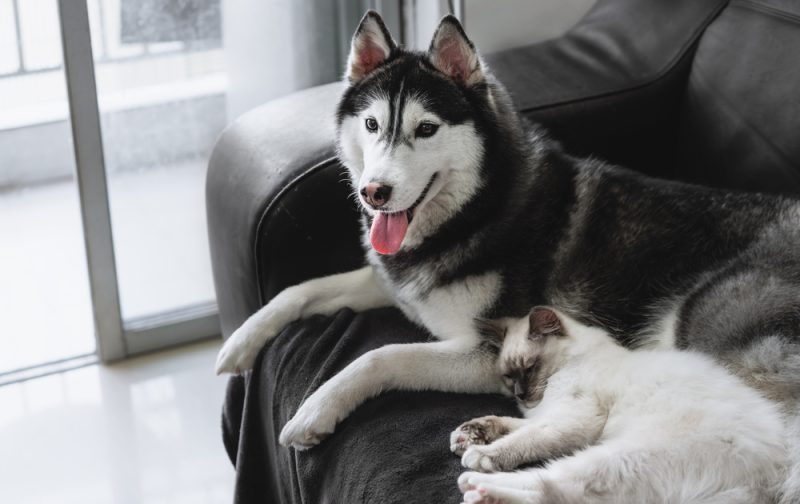
Do you ever wonder about the loyalty and love that dogs show? As you watch your furry friend wag its tail with excitement or snuggle up beside you, you might ponder if dogs form lifelong bonds with each other, much like they do with their human companions.
You are not alone in this curiosity. Many pet owners and dog lovers question whether dogs mate for life or if their relationships are more fluid. This article will dive into the fascinating world of canine companionship and mating habits, revealing insights that might surprise you.
If you’re eager to understand your dog’s behavior better or simply intrigued by animal relationships, read on to uncover the truth about whether dogs truly mate for life.
Canine Mating Behaviors
Understanding canine mating behaviors unveils the fascinating world of dogs. Unlike some animals, dogs do not mate for life. Their mating patterns are driven by instinct, not loyalty. These behaviors vary and can depend on several factors. Let’s explore the different aspects of canine mating.
Instinctual Drives
Dogs are guided by strong instinctual drives. These instincts ensure the survival of their species. Males often seek multiple mates. This increases their chances of passing on their genes. Female dogs select partners based on suitability and strength. This choice helps ensure healthy offspring.
Seasonal Patterns
Canine mating often follows seasonal patterns. Most dogs experience heat cycles twice a year. These cycles signal readiness for mating. During this time, females attract males with scent cues. Males respond instinctively to these signals. The timing of these cycles can vary by breed and location.

Credit: brynntannehill.medium.com
Bonding In Dog Packs
Dogs are social creatures, often forming strong bonds within packs. These connections are vital for survival and companionship. While dogs don’t mate for life, their pack dynamics are fascinating. Understanding these relationships offers insight into canine behavior and loyalty.
Social Hierarchies
In dog packs, social hierarchies play a significant role. Each member has a rank, determining their role in the group. The pack leader is usually the most dominant. This leader makes decisions and guides the pack’s activities. Other dogs respect and follow the leader. Rankings can change, but stability is preferred. This hierarchy ensures order and reduces conflict. Dogs naturally understand their place, fostering harmony.
Pack Loyalty
Loyalty is essential in dog packs. Members depend on each other for safety and food. This reliance builds strong bonds among them. Dogs show loyalty through actions. They protect their pack and share resources. Loyalty strengthens pack unity, making it hard for outsiders to join. Dogs value their pack, often showing affection and support. This loyalty is instinctual, stemming from a need for survival. It creates a sense of belonging and trust among pack members.
Monogamy In Canines
Monogamy in canines is a fascinating topic. Many people wonder if dogs mate for life. Understanding their mating behavior reveals much about their social structure.
Scientific Studies
Researchers have explored canine monogamy. Studies show dogs have diverse mating habits. Some dogs form strong bonds with one partner. Others might have multiple partners over time. Hormones play a big role in these relationships. Oxytocin is known as the “bonding hormone.” It helps strengthen the connection between dogs. But not all dogs show the same levels of this hormone.
Comparative Analysis With Other Species
Dogs differ from many other animals in mating habits. Swans and penguins often mate for life. Wolves, a close relative of dogs, are also known for their loyalty. Wolves often form lifelong partnerships. But domestic dogs have varied behaviors. Their environment influences these patterns. In captivity, dogs might behave differently than in the wild. Socialization and human interactions can impact their mating choices.
Credit: www.dogster.com
Factors Influencing Canine Relationships
Dogs are fascinating creatures, and their relationships are shaped by various factors. While they may not mate for life like some other animals, several elements can influence their bonds. Understanding these factors can give you insights into your furry friend’s behavior and connections.
Environmental Influences
Dogs, like humans, are deeply affected by their surroundings. The environment in which a dog is raised can play a significant role in shaping its relationships.
Consider a dog raised in a nurturing home with plenty of social interaction. This dog is likely to form strong bonds with others, including humans and fellow canines.
Conversely, a dog in a stressful or isolated environment may struggle to build lasting relationships. Have you noticed a change in your dog’s behavior after a move or change in routine?
Dogs also respond to the presence of other animals in their environment. A dog that regularly interacts with multiple other dogs may become more social and open to forming bonds.
Human Intervention
Humans have a powerful influence on canine relationships. Your actions and decisions can shape how your dog interacts with others.
Training and socialization are crucial. A well-socialized dog is more likely to have positive interactions and form meaningful bonds.
Think about how you introduce your dog to new environments or situations. Do you encourage exploration and interaction, or do you limit contact with others?
Your emotional state can also impact your dog’s relationships. Dogs are sensitive to their owners’ moods and may mirror stress or calmness.
Consider the choices you make regarding your dog’s companionship. Choosing to adopt another pet or arranging playdates can enhance your dog’s social skills and relationship-building abilities.
Case Studies Of Canine Pairing
When you think about the concept of mating for life, dogs might not be the first animals that come to mind. However, some canine pairings have shown remarkable bonds, raising the question: do dogs mate for life? Let’s dive into some case studies that explore this intriguing idea.
Famous Dog Duos
Some dogs have captured public attention with their enduring partnerships. One notable example is the duo of Laika and Belka, who were once stray dogs in Moscow. Their inseparable bond was evident when they were chosen for a space mission due to their ability to work together under stress.
Another heartwarming story is that of Hachiko, a loyal Akita who waited for his deceased owner at a train station every day. His story is well-known, but what’s less known is his bond with another Akita, who often accompanied him. This duo exemplifies loyalty and companionship, even in the absence of their human.
Real-world Observations
Observations of dogs in natural settings provide insights into their social behavior. In some cases, dogs in the wild form packs with a dominant male and female pair, often staying together for extended periods. This setup might resemble a monogamous relationship, but it’s more about survival and pack stability.
On a personal note, my neighbor’s Golden Retrievers, Max and Bella, have been together for over eight years. While they aren’t exclusive mates, their bond is undeniable—they eat, play, and rest together, demonstrating strong companionship. Their relationship highlights the emotional connections dogs are capable of forming.
Have you ever noticed how your own dogs interact with each other or with other dogs? Observing these interactions can offer a deeper understanding of canine relationships. Do you think your dogs show signs of mating for life, or do they form bonds based on convenience and circumstance?
Myths And Facts About Dog Partnerships
Dog partnerships often intrigue pet owners. Unlike some animals, dogs do not mate for life. They form bonds with humans and other dogs, but their mating behavior varies. Understanding these facts helps in managing pet interactions and care.
Understanding whether dogs mate for life is a topic filled with myths and facts. Many dog owners wonder about their furry friends’ loyalty and partnership tendencies. Let’s dive into the common misconceptions and evidence-based insights about dog partnerships.Common Misconceptions
Many people believe that dogs choose a single mate for life, similar to swans or penguins. This idea stems from observing human relationships or certain animal species that exhibit monogamous behavior. However, dogs are different. Dogs are generally not monogamous. In the wild, their mating behavior is driven by survival and the need to produce healthy offspring. The concept of lifelong partnership doesn’t align with their natural instincts. Have you ever noticed how your dog is friendly with multiple dogs at the park? This social behavior is more in line with their mating habits.Evidence-based Insights
Scientific studies show that dogs do not form permanent mating bonds. They are more opportunistic in their mating strategies, seeking out the best available partners at the time. This behavior ensures genetic diversity and the survival of the species. In domestic settings, dogs may develop attachments to specific mates due to proximity and familiarity. Yet, this attachment doesn’t translate to a lifelong commitment like in some bird species. Think about your own interactions; sometimes the strongest bonds form not from necessity but from consistent, positive experiences. Understanding these facts helps in appreciating the true nature of your dog’s social and mating behaviors. Instead of expecting lifelong loyalty to one mate, focus on ensuring your dog has a healthy and happy social life. Are you providing enough opportunities for your dog to interact with others?Implications For Dog Owners
Understanding whether dogs mate for life impacts how owners interact with their pets. While dogs don’t typically form lifelong mating bonds, they do establish strong relationships with their human families. Owners can learn how to nurture these bonds effectively. Recognizing the nature of these relationships can enhance the quality of life for both dogs and owners.
Building Strong Bonds
Dogs thrive on companionship and social interaction. They seek comfort and security from their owners. Building a strong bond involves spending quality time together. Engage in activities that interest your dog. Playtime, walks, and training sessions are excellent ways to strengthen your connection. Consistent routines help dogs feel secure and loved.
Communication plays a crucial role in bonding. Use positive reinforcement to encourage good behavior. Dogs respond well to praise and treats. Be patient and understanding. Develop mutual trust and respect. These elements are key to fostering a lasting relationship with your dog.
Understanding Dog Needs
Every dog has unique needs and preferences. Knowing these is vital for their happiness. Regular exercise is essential for physical health. Provide a balanced diet tailored to your dog’s age and breed. Mental stimulation is equally important. Interactive toys and puzzles keep dogs engaged and prevent boredom.
Socialization enhances your dog’s life. Introduce them to various environments and people. This helps them adapt and reduces anxiety. Regular health check-ups ensure your dog remains healthy and active. Keeping up with vaccinations and preventive care is crucial.
By understanding these aspects, owners can create a nurturing environment. A happy dog contributes to a harmonious household.
Credit: pethelpful.com
Frequently Asked Questions
Do Dogs Form Lifelong Bonds With Partners?
Dogs do not typically mate for life. While some dog breeds may show strong pair bonds, most dogs do not stay with one mate. Their mating behavior is generally influenced by instinct and opportunity rather than long-term partnership.
Why Don’t Dogs Mate For Life Like Some Animals?
Dogs are primarily driven by instinct to reproduce rather than forming lifelong bonds. Their mating behavior is often opportunistic, focusing on ensuring the continuation of their genes. Unlike some animals that form monogamous bonds, dogs do not rely on a single partner for survival or raising offspring.
Can Dogs Recognize Their Previous Mates?
Dogs can recognize previous mates through scent and familiarity. However, this recognition does not necessarily lead to long-term bonding. Dogs may show interest in familiar partners but typically do not exhibit exclusive attachment similar to lifelong mating animals.
Do Some Dog Breeds Show Strong Pair Bonds?
Some dog breeds may form stronger pair bonds than others. Breeds with strong social instincts, like Golden Retrievers, might show attachment to a specific partner. However, this is not the same as mating for life, as they can still mate with others.
Conclusion
Dogs don’t usually mate for life. They often have different partners. This behavior is natural in the animal world. Some dogs might stay with one partner for a while. But it’s not common. Each dog’s behavior can be unique. Understanding this can help in caring for them.
Relationships in the animal kingdom differ from humans. Dogs form bonds but not always lifelong ones. Observing their interactions can be fascinating. Knowledge about their mating habits aids in better pet management. It’s important to respect their natural instincts.

Similar Posts