Are you worried about your dog’s comfort and safety when using a prong collar? You’re not alone.
Many pet owners wonder if these collars are humane or if they cause pain. Your furry friend’s well-being is important, and you want to make the best decision for their training and happiness. We’ll explore whether prong collars really hurt dogs, and what you need to know before using one.
We’ll dive into expert opinions, common misconceptions, and real-life experiences. By the end, you’ll have a clear understanding of how prong collars work and whether they’re the right choice for your beloved pet. Keep reading to ensure your dog’s safety and comfort while training.
Prong Collars Explained
Prong collars can cause discomfort for dogs if used incorrectly. Designed to mimic a mother’s bite, they apply pressure around the neck. Proper training and fit are crucial to avoid pain and ensure effective communication.
Prong collars are a topic that can stir up quite a debate among dog owners. Whether you’re a new pet parent or an experienced handler, understanding their design and purpose is crucial. By exploring the intricacies of prong collars, you can make an informed decision for your furry friend.Design And Structure
Prong collars are uniquely designed with interconnected links that form a circle. Each link has blunted prongs that press evenly around a dog’s neck. The design is intended to mimic the natural correction a mother dog gives to her puppies. Some people mistakenly believe these collars are cruel due to their appearance. However, when fitted correctly, prong collars distribute pressure evenly, minimizing harm. It’s essential to select the right size and ensure it sits high on the dog’s neck for effectiveness and safety.Purpose And Use
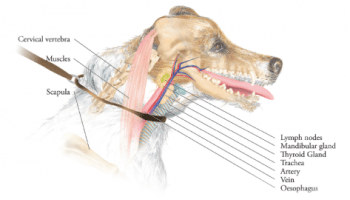
Prong collars are primarily used for training purposes. They provide a gentle, yet effective correction that can help guide dogs in proper behavior. The goal is not to hurt, but to communicate clearly and efficiently. Many trainers recommend prong collars for dogs that are strong pullers or have difficulty focusing. The slight pressure applied by the prongs can serve as a reminder for the dog to pay attention to commands. However, always consult with a professional trainer to ensure proper use and to assess if it’s the right tool for your dog. Have you ever wondered if a prong collar could be the solution for your dog’s training challenges? Understanding its purpose might just change your perspective.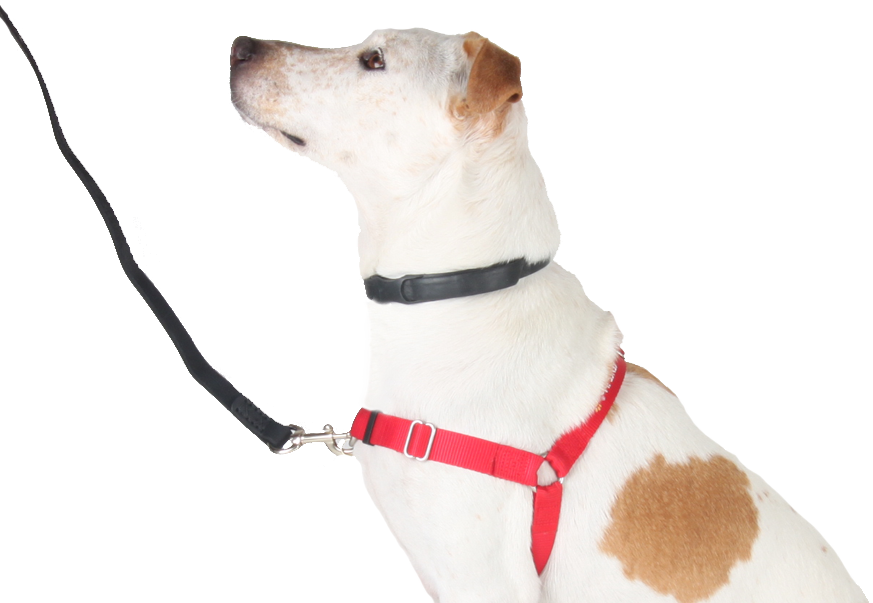
Credit: companionveterinaryhospital.com
Common Myths About Prong Collars
Prong collars, often a topic of heated debate among dog owners and trainers, are surrounded by a variety of myths. Many people worry about the potential harm these collars might cause their pets. Understanding the realities and debunking these myths can help you make informed choices for your dog’s training and wellbeing.
Misconceptions About Pain
One common myth is that prong collars cause significant pain to dogs. However, when used correctly, prong collars are designed to apply even pressure around the neck, similar to how a mother dog would correct her pups. It’s crucial to ensure the collar fits correctly to avoid discomfort.
Imagine wearing a tight-fitting shoe versus a well-fitted one. The discomfort only arises when the fit is wrong. Similarly, prong collars should not be too tight or too loose, as this can lead to unnecessary pressure and discomfort.
Impact On Dog Behavior
Another myth is that prong collars lead to aggressive behavior in dogs. In reality, a prong collar can be a helpful tool for training when used with positive reinforcement techniques. It’s not the collar that causes aggression, but often the lack of proper training and handling.
Consider how you might feel if a tool you used was misunderstood. You would want to ensure it’s used correctly and not blamed for issues it doesn’t cause. Proper training and understanding your dog’s behavior are key to successful use of any training tool, including prong collars.
Have you ever wondered why some dogs respond positively to certain training tools while others don’t? It often comes down to the handler’s knowledge and approach. Are you ready to explore how the right techniques can transform your dog’s behavior?
Reality Of Prong Collar Use
The debate surrounding prong collars often sparks strong emotions. Some view them as necessary tools, while others see them as cruel. To truly understand their impact, it’s essential to delve into the reality of prong collar use. Are they truly detrimental to your dog’s well-being, or can they serve as a useful training aid when used correctly?
Safety And Comfort
Prong collars are designed to mimic the natural correction dogs experience from their mothers. This design can be surprisingly gentle when properly fitted. A snug fit ensures the prongs distribute pressure evenly, reducing the risk of injury.
However, the key to safety lies in usage. It’s crucial to use these collars under professional guidance. Incorrect application can lead to discomfort or harm, so ensure you understand the right way to employ them.
Have you ever noticed how some dogs respond better with a slight tug rather than constant pressure? This is where prong collars can excel, offering a controlled way to communicate with your furry friend.
Training Benefits
Prong collars can be an effective training tool, especially for dogs with a strong pull. They provide immediate feedback that helps redirect attention. This can be particularly useful in crowded or distracting environments.
Training with prong collars often results in quicker learning. Dogs can understand the cues faster, leading to improved obedience. But remember, consistency is vital. Pair the collar with positive reinforcement to encourage desired behaviors.
Consider this: Could a prong collar be the bridge between frustration and effective communication with your dog? It’s worth exploring, especially if traditional methods have failed.
Veterinary Opinions
Prong collars can cause discomfort to dogs if used improperly. Experts suggest proper training to minimize risks. Many believe alternative methods are more humane and effective for dog training.
Understanding whether prong collars hurt dogs involves looking at veterinary opinions. Veterinarians are often the first point of contact for pet owners seeking advice on training tools. Their insights offer valuable perspectives, given their medical expertise and experience with various dog breeds.Expert Insights
Many vets agree that prong collars should be used with caution. They can cause discomfort if not used correctly. You might wonder if discomfort equals pain. Some experts say it depends on the dog and the handler. The key is understanding your dog’s behavior.Health Implications
Incorrect usage of prong collars can lead to health issues. Dogs might suffer from neck injuries or even psychological stress. Imagine your dog being in constant fear of correction. Would you want that? Always consult a vet before trying new training tools. They can guide you on safe usage and alternatives. Before making a decision, ask yourself if you fully understand the implications. Veterinary advice can be a lifesaver, literally.Alternatives To Prong Collars
Prong collars can cause discomfort and pain for dogs. Consider harnesses or head collars as safer alternatives. These options offer control without harm, ensuring a more comfortable experience for your pet.
Alternatives to prong collars offer safe options for dog training. These alternatives focus on comfort and control. Let’s explore some choices that avoid discomfort.Gentle Leaders
Gentle Leaders are head collars. They guide dogs by their heads. This method reduces pulling and jumping. The design prevents choking. It also promotes calmness. Dogs often adjust quickly to Gentle Leaders. They are effective for all breeds. Training with Gentle Leaders is simple. Positive reinforcement works best.Harnesses
Harnesses distribute pressure evenly. They provide control without hurting. There are many types of harnesses. Front-clip harnesses offer great control. They discourage pulling effectively. Step-in harnesses are easy to use. They are comfortable for dogs. Harnesses suit dogs of all sizes. Owners find them easy to manage. They are perfect for daily walks.
Credit: www.facebook.com
Proper Usage Tips
Prong collars can be safe when used correctly. Ensure a proper fit to prevent discomfort or harm. Supervise your dog during use and consult a trainer for guidance.
Understanding how to use a prong collar correctly is essential for ensuring your dog’s comfort and safety. Many pet owners worry about whether prong collars hurt their dogs, but with the right usage, they can be effective training tools. Let’s dive into some practical tips to make sure you’re using a prong collar the right way.Correct Fitting
Proper fitting is crucial to ensure the prong collar is both effective and safe for your dog. The collar should sit snugly on the dog’s neck, just below the ears. A collar that’s too loose can cause discomfort and be less effective, while one that’s too tight might cause injury. To check the fit, ensure you can insert two fingers between the collar and your dog’s neck. This ensures it’s secure but not overly tight. Adjust the prong collar by removing or adding links to achieve the perfect fit.Effective Training Techniques
Training with a prong collar requires patience and consistency. Use it as a communication tool rather than a punishment. Start with short sessions to help your dog adjust. Gradually increase the duration as your dog becomes more comfortable. Focus on rewarding positive behavior rather than relying solely on corrections. Incorporate verbal cues and praises to reinforce good behavior. Your dog should associate the prong collar with guidance, not fear. Have you ever noticed how your dog responds positively to encouragement? Use this to your advantage during training. Remember, the goal is to build trust and understanding, ensuring a harmonious relationship with your furry friend. How will you ensure your dog’s training is both effective and compassionate?
Credit: k9connoisseur.com
Frequently Asked Questions
Do Prong Collars Cause Pain To Dogs?
Prong collars can cause discomfort and even pain if used incorrectly. They are designed to distribute pressure evenly around the dog’s neck. Proper training and fitting are essential to avoid harm. Consult a professional trainer to ensure safe and effective use.
Are Prong Collars Safe For All Dog Breeds?
Prong collars are generally safe but not suitable for every breed. Larger and stronger breeds might benefit from them. However, they can be harmful if used on smaller or sensitive breeds. Always consult a veterinarian or professional trainer for advice tailored to your dog’s needs.
How Do Prong Collars Work On Dogs?
Prong collars apply pressure evenly around a dog’s neck to discourage pulling. They mimic the corrective action of a mother dog. When used correctly, they guide dogs without causing harm. It’s essential to learn the proper technique to ensure your dog’s safety and comfort.
Can Prong Collars Be Humane?
Prong collars can be humane if used responsibly. They should be a training tool, not a punishment. Proper fitting and guidance from a professional are crucial. Humane use involves understanding the collar’s mechanism and ensuring it doesn’t cause undue stress or pain.
Conclusion
Prong collars spark debate among dog owners and trainers. Some believe they help control strong dogs. Others argue they can cause harm and fear. The key is understanding your dog’s needs. Training with compassion and patience is vital. Always consult a professional if unsure.
Consider using positive reinforcement methods instead. Your dog’s safety and well-being should be the priority. Choosing the right collar involves research and understanding. Each dog is unique. Find what works best for both of you. Remember, training should build trust and bond, not cause pain.
Choose wisely for a happy, healthy companion.


