Do Service Dogs Require a Vest: Essential Insights
Senior Canine Nutritionist & Dog Behavior Specialist at Cozy Dog Go Wellness Lab
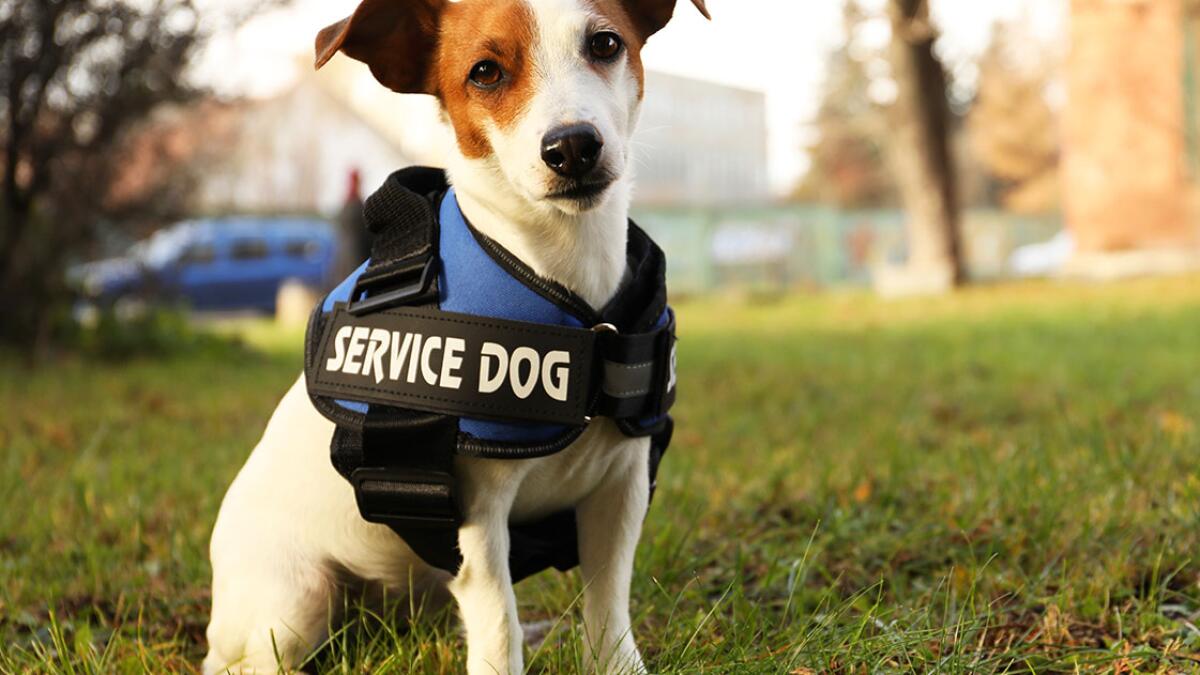
Imagine you’re walking through a bustling park, and you notice a dog wearing a distinctive vest, diligently guiding its human companion. You might wonder, “Do service dogs always need to wear a vest?”
This question is more common than you think and is crucial for anyone who relies on a service dog or encounters them in public. Understanding the nuances of service dog identification can empower you with the knowledge to navigate public spaces with confidence and respect.
We’ll unravel the mystery behind service dog vests, dispel common myths, and equip you with everything you need to know. Are you ready to discover the truth and ensure you’re informed? Keep reading to uncover the answers.
Service Dog Identification
Service dogs do not need a vest to perform their duties or to be recognized legally. While a vest can help identify them, the law does not require it. Many handlers choose to use vests for convenience and to avoid confusion in public spaces.
Service dogs play a crucial role in assisting individuals with disabilities, providing support and enhancing their quality of life. However, identifying a service dog can sometimes be confusing, especially when it comes to whether they need to wear a vest. While many people associate service dogs with vests, the reality is not as straightforward. Let’s delve into the key aspects of service dog identification and clear up some common misconceptions.Do Service Dogs Legally Need To Wear A Vest?
Contrary to popular belief, there is no legal requirement for service dogs to wear a vest. The Americans with Disabilities Act (ADA) does not mandate any specific identification for service animals, including vests. A service dog can be identified through their behavior and tasks they perform, not by their attire.Why Some Handlers Choose To Use Vests
While not legally required, many handlers choose to use vests for their service dogs. A vest can help signal to the public that the dog is working, discouraging petting or distractions. It can also make it easier to navigate public spaces, as people recognize the service dog’s role.Alternatives To Vests For Identification
If a vest isn’t your style, there are other ways to identify your service dog. Consider using a leash sleeve or a collar tag that indicates the dog is a service animal. Some handlers use identification cards, although these are not legally necessary.Personal Experience: Navigating Without A Vest
I once took my service dog to a crowded mall without a vest. Initially, I was worried about drawing unwanted attention. Surprisingly, people were respectful and attentive to the tasks my dog performed, proving that behavior can speak louder than attire.Understanding Public Perception
Public perception often leans towards expecting service dogs to wear vests. However, educating people about the absence of a legal requirement can shift this view. How can we spread awareness about the true indicators of a service dog?Benefits Of Educating The Public
Educating the public about service dog identification can foster a more inclusive society. When people understand that service dogs can work without vests, it reduces unnecessary scrutiny of handlers. This knowledge empowers handlers and supports their right to navigate public spaces freely. Feel free to share your own experiences or thoughts on this topic. Your insights could help others understand the nuances of service dog identification better!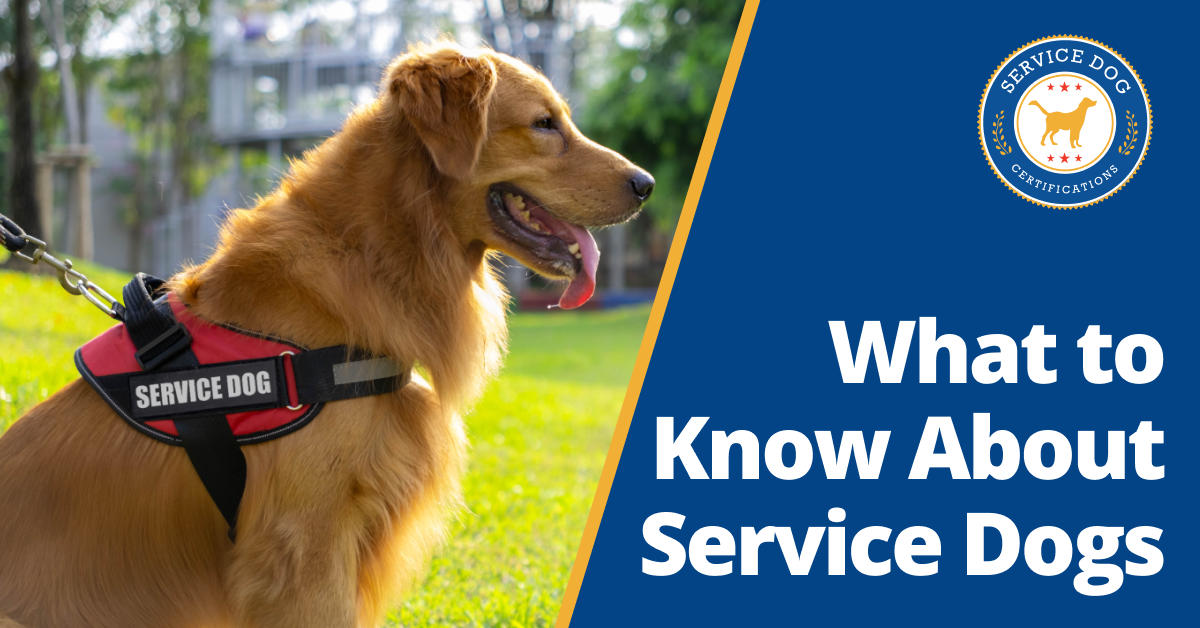
Credit: www.servicedogcertifications.org
Legal Requirements
When you see a service dog, often they are wearing a vest that indicates their role. But do these dogs legally need to wear a vest? Understanding the legal requirements can help you navigate public spaces with your service dog more confidently. Let’s explore the guidelines and regulations that apply.
Ada Guidelines
According to the Americans with Disabilities Act (ADA), service dogs are not required to wear a vest or specific identification. The ADA ensures that individuals with disabilities can access public spaces with their service dogs, regardless of attire. The dog’s behavior and training are what matter, not the presence of a vest.
Business owners and other entities can ask if the dog is a service animal and what tasks it performs, but they cannot demand proof or identification like a vest. This means your dog can assist you without needing to be dressed in a particular way.
State-specific Laws
While the ADA provides federal guidelines, state laws can vary regarding service dogs. Some states might have additional requirements or suggestions about vests for service dogs, but these are often to prevent fraud rather than a legal necessity.
For example, California has specific requirements for emotional support animals that differ from service dogs, including guidelines on identification. It’s crucial to understand the laws specific to your state to ensure compliance and avoid misunderstandings.
Do you know the specific laws in your state? Checking local regulations can prevent confusion and ensure your rights are respected wherever you go.
Purpose Of A Service Dog Vest
Service dog vests play a vital role for both the animal and handler. These vests are not just for show. They serve practical purposes that aid the dog in fulfilling its duties. Understanding their importance can clarify why many handlers choose to use them.
Visibility And Recognition
Service dog vests help in identifying these special animals. They make the dog easily recognizable to the public. This visibility reduces confusion and ensures the dog is treated with respect. People know the dog is working and has a purpose.
The vest communicates that the dog is not a pet. It signifies that the dog is trained to assist with specific tasks. This distinction can prevent unnecessary interactions or disruptions.
Safety And Control
Vests offer handlers better control over their dogs. Many vests come with handles or harnesses. This allows handlers to guide their dogs more effectively.
Service dog vests can also include reflective strips. These strips increase visibility during low-light conditions. This feature is crucial for the safety of both dog and handler.
The added control and safety features can enhance the dog’s performance. It allows the dog to focus on assisting its handler without distractions.

Credit: www.amazon.com
Types Of Service Dog Vests
Service dogs wear vests to signal their role and purpose. Different types include harnesses, capes, and backpacks, each serving specific needs. While not legally required, vests help identify service dogs and facilitate public access.
Service dogs play a crucial role in assisting individuals with disabilities, and the right vest can enhance their ability to serve effectively. While not legally required, service dog vests can help communicate to the public that the dog is working and should not be disturbed. Understanding the different types of service dog vests can help you choose the best option for your furry companion.Standard Vests
Standard vests are the most common type and are widely available. They typically come in bright colors like red or blue and are often made from durable, lightweight materials. These vests usually have “Service Dog” clearly printed, making it easy for others to identify your dog’s role. Some vests include pockets or pouches for carrying essential items like identification cards or medical supplies. They can also feature reflective strips to ensure visibility in low-light conditions. If you want a straightforward option that is both functional and recognizable, a standard vest might be the perfect fit.Custom Vests
Custom vests offer the flexibility to tailor-fit your dog’s needs and your personal style. You can choose from a variety of colors, materials, and features, such as additional handles or extra padding for comfort. Customization allows you to add specific patches or labels that communicate particular needs, like “Do Not Pet” or “Hearing Dog.” Have you ever considered how a custom vest could enhance your dog’s performance? Personalizing a vest not only makes it unique but can also address specific requirements your service dog may have. Investing in a custom vest can make your dog’s work more efficient and comfortable, improving both their experience and yours. Choosing the right vest can make a world of difference in your service dog’s effectiveness and comfort. Whether you opt for a standard or custom vest, consider what will best support the bond and teamwork between you and your service dog.Pros And Cons Of Vests
Service dogs play a vital role in assisting individuals with disabilities. One common question is whether these dogs need to wear vests. Vests can offer certain benefits and drawbacks. Understanding these can help determine what’s best for the dog and handler.
Advantages
Vests make service dogs easily recognizable in public. This can prevent unwanted interactions. People are less likely to pet or distract the dog. Vests often have pockets or patches. These can hold essential items or display important information. Some vests are designed for comfort and durability. They can protect the dog from harsh weather conditions.
Disadvantages
Vests might be uncomfortable for some dogs. They can restrict movement if not properly fitted. Some dogs may feel anxious or stressed wearing them. There is no legal requirement for service dogs to wear vests. Relying on a vest might lead to misunderstandings about a dog’s role. Vests can be expensive and require regular cleaning.
Alternatives To Vests
When it comes to identifying service dogs, vests are a popular choice. However, they’re not the only option. Some dogs might find vests uncomfortable or restrictive. Fortunately, there are alternatives that can effectively signal a service dog’s role without compromising their comfort. Let’s dive into these alternatives and see how they can be beneficial for both the dog and their handler.
Harnesses
A harness is not just a tool for control; it can also serve as an identification method for service dogs. Many harnesses are designed with patches or embroidery indicating the dog’s service role. They’re typically easier to wear and adjust compared to vests. This can be particularly helpful for dogs with unique body shapes or those sensitive to certain materials.
Harnesses also distribute weight more evenly across a dog’s body, which can prevent strain during long periods of work. Consider the example of a friend whose service dog is a Great Dane. He found that a harness with a simple ‘Service Dog’ patch was more comfortable for his dog than the traditional vest. What benefits could a harness bring to your service dog?
Id Tags
ID tags are another minimalist option for identifying a service dog. These tags can attach directly to a collar, providing a clear and concise identification without the bulk of a vest or harness. They’re often made of durable materials like metal or plastic, ensuring longevity despite daily wear.
For those who prefer a sleek and simple look, ID tags can be engraved with essential information such as the handler’s contact details or the dog’s unique service role. One handler shared how she uses a brightly colored tag on her dog’s collar during outings. It not only serves as identification but also sparks conversations with curious passersby. Could ID tags be the convenient solution you’re seeking?
Choosing the right alternative to vests depends on your dog’s needs and your personal preferences. Each option offers unique benefits, ensuring your service dog is both identifiable and comfortable. Which alternative do you think would best suit your furry companion?
Training For Vest Usage
Service dogs do not legally require a vest. Vests help identify them to the public, ensuring smoother interactions. Training helps dogs get accustomed to wearing them comfortably.
Training your service dog for vest usage is a vital step in their journey to become an effective working partner. The vest serves as a visual cue to the public, distinguishing your dog as a working animal and not a pet. But how do you ensure your dog is comfortable and confident wearing it? Let’s explore the key aspects of training for vest usage.Acclimation Process
Start the acclimation process by introducing the vest in a calm environment. Allow your dog to sniff and examine it before attempting to put it on. Gradually increase the time your dog wears the vest, starting with just a few minutes and extending it as they become more comfortable. Reward them with treats and praise to create a positive association. If your dog shows signs of discomfort, such as scratching or trying to remove the vest, take a break and try again later. Patience is crucial in building their confidence.Behavioral Considerations
Consider your dog’s behavior and temperament when training for vest usage. Some dogs may need more time to adjust due to their sensitivity or past experiences. Observe how your dog reacts in different environments while wearing the vest. Are they more focused, or do they seem distracted? Understanding their behavior helps tailor the training process to their needs. Does your dog associate the vest with work mode? Ensure they understand the difference between work and play by only having them wear the vest during training sessions and outings. This distinction helps maintain their focus when it’s time to work. Training your dog to wear a service vest is not just about the physical act of putting it on. It’s about building trust, understanding, and a strong bond between you and your loyal partner. Are you ready to take the next step in your service dog’s training journey?
Credit: www.amazon.com
Public Perception
Service dogs do not need to wear a vest, but it helps in identifying them. Many people assume that vests are mandatory. The law does not require them to wear one for access to public spaces.
Public Perception The sight of a service dog wearing a vest often reassures the public. Many people associate the vest with the dog’s official role and training. A vest can make it easier for people to understand the dog is working. Without a vest, some may question the dog’s presence in public spaces. This misunderstanding can lead to awkward situations for both the owner and the dog. The vest serves as a visual cue, promoting smoother interactions.Impact On Accessibility
Vests can improve access for service dog teams. They signal the dog’s purpose, reducing scrutiny. This can help the owner access places without explaining their need for a service dog. The vest can decrease barriers, making it easier to navigate public areas. For some, it can mean fewer interruptions and smoother experiences. It can aid in public acceptance and understanding.Challenges For Owners
Not all service dogs wear vests, which can cause issues for owners. Some dogs may not tolerate wearing a vest. Owners might face questions or doubt when the dog isn’t wearing one. This can be frustrating and tiring. They may need to explain their dog’s role repeatedly. Vests can create a reliance, impacting owners who choose not to use them.Frequently Asked Questions
Do Service Dogs Legally Need A Vest?
Service dogs aren’t legally required to wear vests. Their identification often comes from behavior and training. However, a vest can help the public recognize them and respect their role. It’s a helpful tool but not mandatory under the law.
Can Service Dogs Work Without A Vest?
Yes, service dogs can work effectively without a vest. Their training and behavior are what define their role. A vest can help in identification, but it’s not essential for their function or legality.
Why Do Service Dogs Wear Vests?
Service dogs wear vests for easy identification and to signal their working status. Vests can help prevent distractions and inform the public of their important role. They enhance recognition but aren’t a legal requirement.
Are Vests Necessary For Public Access?
Vests aren’t necessary for public access for service dogs. Their trained behavior grants them access rights. A vest can facilitate smoother interactions, but it’s not required for them to enter public spaces.
Conclusion
Service dogs do not need a vest by law. Yet, a vest helps in public. It signals the dog’s role to others. This can prevent confusion or questions. Many handlers choose to use a vest. It makes outings smoother. The dog’s comfort should be a priority.
Always select a well-fitting vest if used. Remember, the dog’s training matters most. A vest is just a tool. It can aid, but it’s not essential. Make decisions that best suit you and your dog. Comfort and effectiveness go hand in hand.

Similar Posts