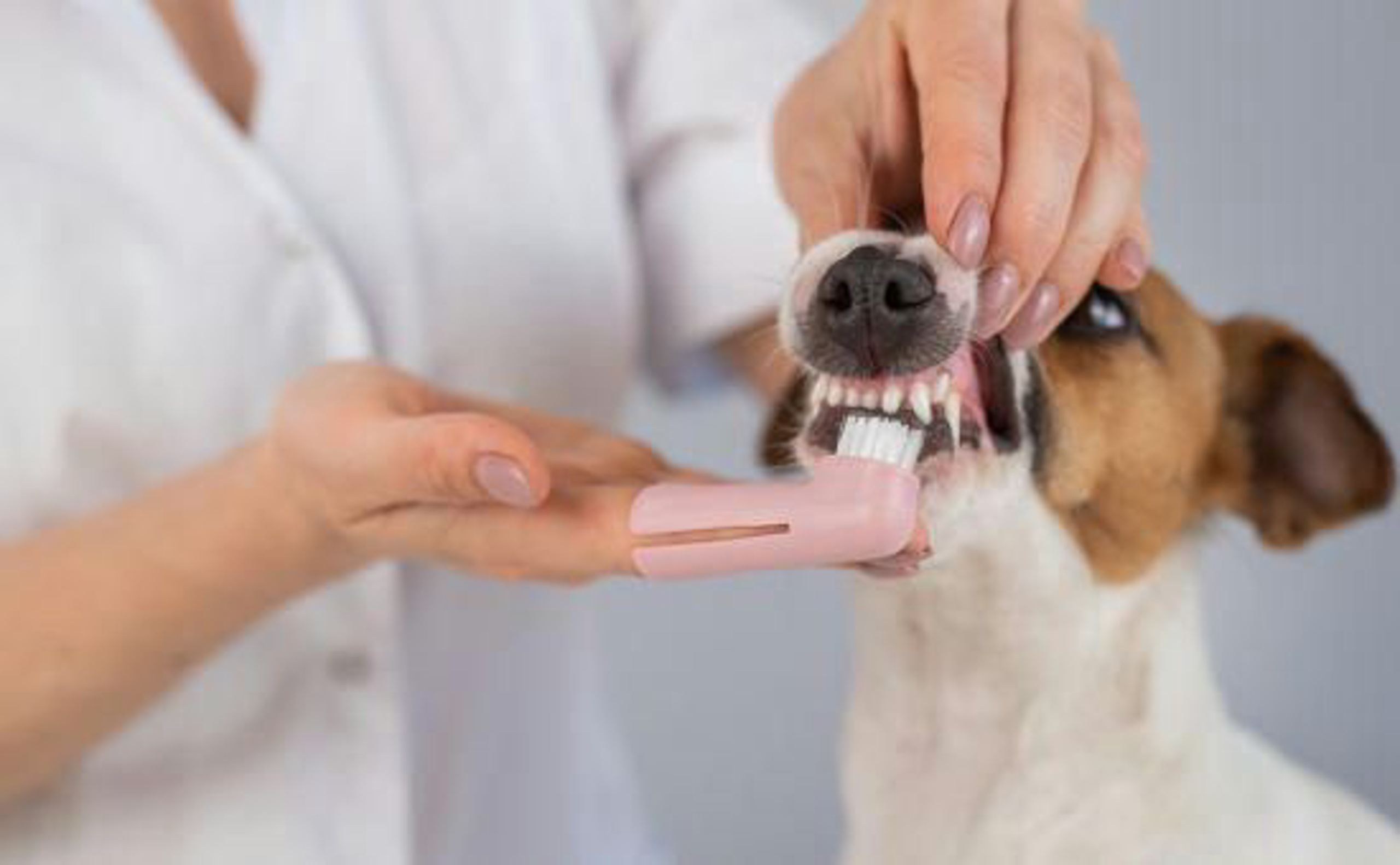
Do You Brush Dogs Teeth: Essential Tips for Pet Health
Do you brush your dog’s teeth? This might be a question you haven’t thought about much.
However, just like humans, dogs need proper dental care to stay healthy. Imagine if you skipped brushing your teeth for days – the impact on your oral health would be noticeable, right? The same goes for your furry friend. By brushing their teeth, you’re not only ensuring their mouth stays fresh but also helping prevent serious health issues.
Dive into this article to discover why this simple habit is crucial for your dog’s well-being and how you can easily incorporate it into your daily routine. Your dog’s health is worth the read!
Importance Of Dental Care For Dogs
Brushing dogs’ teeth is essential for their health. It prevents gum disease and bad breath. Regular brushing helps avoid costly vet visits.
Dental care is a crucial aspect of your dog’s overall health. Just like humans, dogs require regular oral hygiene to prevent dental diseases. Neglecting their dental care can lead to severe health issues beyond bad breath.Why Dental Health Matters For Dogs
Dental health in dogs is often overlooked until problems arise. Poor oral hygiene can lead to plaque buildup, which can cause gum disease and tooth decay. These issues can be painful and may affect your dog’s ability to eat properly.Preventing Health Complications
Ignoring your dog’s dental health can lead to serious complications. Bacteria from dental infections can enter the bloodstream, affecting organs like the heart and kidneys. By maintaining regular dental care, you can help prevent these health risks.Signs Of Dental Problems In Dogs
Recognizing dental issues early can save your dog from unnecessary pain. Look for symptoms such as bad breath, bleeding gums, or difficulty chewing. If you notice any of these signs, consult your veterinarian for advice.Simple Steps To Maintain Dental Health
Incorporating dental care into your dog’s routine doesn’t have to be complicated. Start by brushing their teeth with dog-friendly toothpaste. You can also provide dental treats or toys designed to reduce plaque.Personal Experience: A Lesson Learned
I once skipped regular dental check-ups for my dog, thinking it wasn’t essential. When I noticed her struggling to chew, a vet visit revealed severe gingivitis. This taught me the importance of consistent dental care for her well-being. Are you ready to prioritize your dog’s dental health? Taking small steps today can lead to healthier smiles and longer lives for your furry friends.Common Dental Problems In Dogs
Regular brushing can prevent common dental problems in dogs. Plaque and tartar build-up often lead to gum disease. Keeping your dog’s teeth clean reduces the risk of infection and keeps them healthy.
Dental health is crucial for dogs, yet often overlooked by pet owners. Just like humans, dogs can suffer from a range of dental problems that can affect their overall health. It’s essential to recognize these common issues to ensure your furry friend’s well-being. Let’s dive into some typical dental problems that can afflict dogs and consider the importance of maintaining their oral hygiene.Periodontal Disease
Periodontal disease is one of the most common dental issues in dogs. It begins with plaque buildup, which hardens into tartar, leading to inflamed gums and potential tooth loss. You might notice your dog has bad breath, which is often a sign of periodontal problems. Regular brushing and professional cleanings can help prevent this painful condition.Tooth Fractures
Dogs love to chew, and sometimes their enthusiasm can lead to tooth fractures. Broken teeth can cause significant pain and lead to infections if left untreated. Think about the toys and treats you provide—are they too hard? Choosing softer options can help protect your dog’s teeth from damage.Abscesses And Infections
Abscesses occur when bacteria invade the root of a tooth, leading to painful swelling and infection. They can be serious if not treated promptly. Does your dog seem to favor one side when chewing? This could indicate an underlying abscess that needs veterinary attention.Retained Baby Teeth
In some dogs, baby teeth don’t fall out naturally and can cause overcrowding or misalignment of adult teeth. This can lead to further dental issues as your dog ages. Check your dog’s mouth regularly during their puppy years to ensure baby teeth are falling out as they should. A quick vet visit can resolve this easily.Oral Tumors
Oral tumors, though less common, can be life-threatening if not caught early. They may present as lumps or swelling in the mouth. Regular oral examinations can help catch tumors early. If you notice anything unusual, consult with your vet immediately. Maintaining your dog’s dental health isn’t just about avoiding bad breath; it’s about ensuring their overall health and happiness. Have you checked your dog’s mouth lately?Signs Of Dental Issues
Regularly brushing your dog’s teeth can prevent dental issues. Signs to watch for include bad breath, red gums, and difficulty eating. Early detection helps maintain your pet’s health and comfort.
Oral health is vital for your dog’s overall well-being. Dental issues can cause severe pain and affect their health. Spotting signs early can prevent serious problems. Let’s explore common signs of dental issues in dogs.Bad Breath
Persistent bad breath can be a red flag. It often indicates plaque build-up or infection. Monitor your dog’s breath regularly. If it’s consistently foul, consider a dental check-up.Discolored Teeth
Look at the color of your dog’s teeth. Yellow or brown stains suggest tartar build-up. Regular brushing can prevent discoloration. If severe, professional cleaning might be necessary.Swollen Gums
Healthy gums should be pink and firm. Swelling, redness, or bleeding are warning signs. These symptoms may indicate gum disease. Addressing it early can prevent tooth loss.Pawing At The Mouth
Dogs may paw at their mouth if they’re in pain. This behavior often indicates discomfort or dental issues. Check for foreign objects or signs of irritation.Difficulty Eating
Watch for changes in eating habits. Reluctance to chew or dropping food might signal pain. Dental issues can make eating uncomfortable.Excessive Drooling
Increased drooling can be linked to dental problems. If your dog drools more than usual, inspect their mouth. Look for signs of inflammation or injury.Visible Plaque And Tartar
Plaque is a soft, sticky film that hardens into tartar. Tartar is more difficult to remove. Regular brushing and dental treats help reduce plaque formation.Loose Or Missing Teeth
Check if any teeth are loose or missing. These issues can cause pain and affect eating. Early intervention can save your dog’s teeth.Behavioral Changes
Notice any changes in your dog’s behavior. Irritability or withdrawal might indicate dental pain. Always consider a dental check-up if your dog acts differently.
Credit: www.instagram.com
Choosing The Right Toothbrush
Brushing a dog’s teeth requires choosing a toothbrush that fits comfortably in their mouth. Opt for soft bristles to prevent gum damage. Ensure the handle offers a firm grip for effective cleaning.
Choosing the right toothbrush for your dog is a crucial step in maintaining their oral health. Just like humans, dogs need the right tools for effective dental care. But with so many options available, how do you decide which one is best for your furry friend?Size Matters
Dogs come in all shapes and sizes, and so should their toothbrushes. A toothbrush that’s too big can be uncomfortable, while one that’s too small may not effectively clean their teeth. Small dog breeds like Chihuahuas may benefit from a smaller toothbrush, whereas larger breeds like German Shepherds need something more robust. Always check the recommended size on the packaging before purchasing.Bristle Type
Soft bristles are generally the best choice for dogs. They clean effectively without causing damage to the gums. Hard bristles can be too abrasive, leading to gum irritation or even bleeding. If you’ve ever brushed your own teeth with a hard-bristled brush, you know how uncomfortable it can be. Why subject your dog to the same discomfort?Finger Brushes
Have you ever tried using a finger brush? These can be a great option for dogs who are anxious or new to tooth brushing. They fit over your finger, allowing you to have more control and feel exactly what you’re doing. It can also make the process feel more like a gentle massage rather than a cleaning session, easing your dog’s nerves.Dual-headed Brushes
For those who want efficiency, dual-headed brushes cover more surface area in one go. This type of brush often has a larger head on one end for the outer teeth and a smaller one for the inner teeth or harder-to-reach spots. It’s like having two tools in one, making the brushing process quicker and more effective.Consider Handle Length
A longer handle can help you reach the back teeth more easily, especially in larger dogs. If you’ve ever struggled to brush the molars, you know how important this can be. A well-designed handle not only provides better reach but also offers a firm grip, ensuring you have control throughout the brushing process. Incorporating these tips into your selection process can make brushing your dog’s teeth a less daunting task. Have you found the perfect toothbrush for your dog yet?Selecting Suitable Toothpaste
Choosing the right toothpaste for dogs is essential. Select a product made specifically for canine oral health. Human toothpaste can be harmful to pets.
Selecting the right toothpaste for your dog is crucial. Dogs need special toothpaste for their dental health. Human toothpaste can harm them. It’s important to know what to look for.Understanding Ingredients
Check the toothpaste label for safe ingredients. Avoid chemicals that could be toxic. Look for natural flavors that dogs enjoy. Some toothpastes have enzymes that help break down plaque.Flavor Preferences
Dogs have different taste preferences. Choose flavors like chicken or beef. They make brushing a more pleasant experience. Experiment with small tubes first to find what your dog likes.Consulting Your Vet
Your vet knows your dog’s dental needs. They can recommend suitable products. Ask them about the best brands and ingredients.Checking For Ada Approval
Look for toothpaste approved by the American Dental Association. This ensures safety and effectiveness. ADA-approved products have been tested thoroughly.Reading Reviews
Customer reviews offer insights into product performance. Check feedback from other pet owners. They can share valuable experiences with different brands.Budget Considerations
Toothpaste prices vary. Set a budget that suits your needs. Compare prices without compromising quality. High-quality toothpaste often offers better results.
Credit: dogtime.com
Step-by-step Brushing Guide
Wondering if brushing your dog’s teeth is necessary? It is! Regular brushing helps prevent plaque buildup and keeps gums healthy. Use a toothbrush designed for dogs and pet-safe toothpaste for best results.
Brushing your dog’s teeth may seem challenging, but it is essential. Regular brushing helps prevent plaque buildup and keeps their breath fresh. Follow this step-by-step guide to make the process smooth and stress-free for you and your furry friend.Gather The Right Tools
Ensure you have a dog toothbrush and canine toothpaste. Avoid human toothpaste. It can harm dogs.Choose A Comfortable Spot
Pick a calm, quiet place. Your dog should feel relaxed and safe.Introduce The Toothbrush
Let your dog sniff the toothbrush. Familiarize them with its presence.Apply Canine Toothpaste
Place a small amount on the brush. Let your dog taste it if they like.Start With Gentle Movements
Lift their lip gently. Brush in small circles on the outer teeth.Focus On The Back Teeth
These are prone to plaque buildup. Spend extra time here.Keep Sessions Short
Aim for a minute or two. Lengthen the time gradually as your dog gets used to it.Reward And Praise
End with a treat and praise. This reinforces good behavior and cooperation.Frequency Of Brushing
Brushing your dog’s teeth regularly helps prevent plaque buildup and bad breath. Aim for at least twice a week for optimal dental health. Using dog-friendly toothpaste and a suitable brush makes the process more effective and enjoyable for your pet.
The frequency of brushing your dog’s teeth is crucial for their oral health. Regular brushing helps prevent plaque and tartar buildup. This can lead to gum disease and bad breath. But how often should you brush your dog’s teeth? Let’s explore this important aspect of pet care.How Often To Brush
Dogs need regular oral care. Aim to brush their teeth daily. This prevents plaque formation effectively. If daily brushing is challenging, start with a few times a week. Gradually increase as your dog gets used to it.Benefits Of Regular Brushing
Regular brushing keeps your dog’s teeth clean. It reduces the risk of dental diseases. Healthy teeth improve your dog’s overall health. Fresh breath is another benefit. You’ll notice it when they greet you.Signs You Should Brush More Often
Check for signs of dental issues. Bad breath, red gums, or yellow teeth indicate problems. These signs mean brushing more often is needed. Regular checks help prevent serious dental diseases. Always consult a vet if unsure.Creating A Brushing Routine
Set a routine for brushing. Choose a calm time of day. Use positive reinforcement. Treats and praise make it enjoyable. Patience is key for both you and your dog. Routine makes brushing a habit.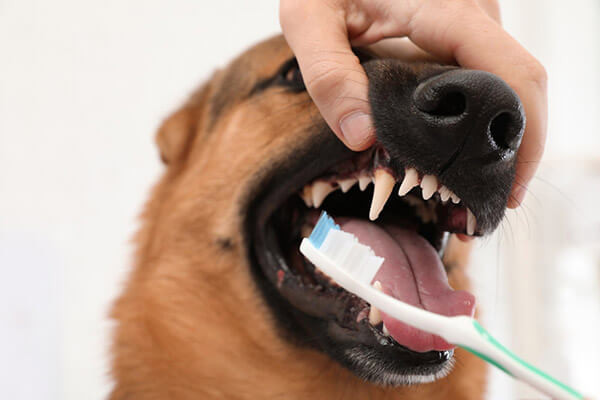
Credit: www.scottsdaleveterinaryclinic.com
Alternatives To Brushing
Brushing your dog’s teeth is crucial for their oral health, but not everyone finds it easy or effective. Luckily, there are several alternatives that can help maintain your furry friend’s dental hygiene without the struggle of a toothbrush. These options can be just as effective, allowing you to keep your dog’s teeth clean and healthy with less hassle.
Chew Toys
Chew toys can be a fun and effective way to clean your dog’s teeth. They help scrape away plaque and tartar as your dog chews, promoting dental health. Look for toys specifically designed for dental care. Rubber toys with grooves are particularly beneficial.
Dental Treats
Dental treats are a tasty alternative that dogs love. These treats are formulated to reduce plaque and freshen breath. Make sure to choose ones with natural ingredients for a healthier option. They can be a great addition to your dog’s daily routine.
Water Additives
Water additives can be a simple solution for dental care. Just add them to your dog’s drinking water. They help fight plaque and keep their breath fresh. This method is effortless and ensures your dog gets dental benefits throughout the day.
Raw Bones
Raw bones can be a natural dental cleaner. They act like a toothbrush, scraping off plaque as your dog gnaws on them. Always supervise your dog to prevent choking hazards. Choose bones that are safe for your dog’s size and age.
Dental Wipes
Dental wipes offer a quick and easy way to clean your dog’s teeth. They can be used to wipe away plaque and bacteria. This method is less invasive than brushing and can be done regularly. Choose wipes that are safe for dogs and free from harmful chemicals.
Have you tried any of these alternatives? Finding the right method for your dog can make dental care a breeze. Ensuring their oral health is essential for their overall well-being. Try these options and see which works best for your furry friend.
Professional Dental Cleanings
Brushing your dog’s teeth is essential for their health. Regular brushing helps prevent plaque and gum disease. Professional dental cleanings are recommended to ensure thorough care and maintain oral hygiene.
Professional dental cleanings for dogs are a critical part of maintaining their overall health. While you might be diligent about brushing your dog’s teeth at home, sometimes it’s just not enough. Professional cleanings can address issues that may be overlooked during regular at-home care.Understanding The Importance Of Professional Cleanings
Regular brushing is essential, but it doesn’t completely eliminate plaque and tartar buildup. Professional cleanings go deeper, reaching areas that are hard to access with a toothbrush. This thorough cleaning helps prevent periodontal disease, which can lead to more severe health problems.What To Expect During A Professional Cleaning
When you take your dog for a professional cleaning, expect a comprehensive examination. Veterinarians often use anesthesia to ensure your pet’s comfort and safety. They will clean, polish, and sometimes even take X-rays to check for hidden issues.How Often Should Your Dog Get A Professional Cleaning?
The frequency of professional cleanings depends on your dog’s breed, age, and oral health. Some dogs may need annual cleanings, while others might require it more frequently. Your vet can provide personalized recommendations based on your dog’s specific needs.Signs Your Dog Needs A Professional Dental Cleaning
Look for signs like bad breath, yellow or brown teeth, and swollen gums. These symptoms can indicate that it’s time for a professional cleaning. Ignoring these signs can lead to more serious health issues down the road.Choosing The Right Veterinary Clinic
Not all veterinary clinics offer the same level of care. Look for clinics with experienced veterinarians who specialize in dental health. Read reviews and ask for recommendations to ensure your dog receives the best possible care.Cost Considerations
Professional dental cleanings can be expensive, but they are a worthwhile investment in your dog’s health. The cost can vary based on location, the clinic, and the level of care required. Some pet insurance plans may cover part of the expense, so it’s worth checking your policy.Preventing Dental Issues
Brushing your dog’s teeth can prevent dental issues and improve their overall health. Regular dental care helps avoid tartar buildup and gum disease. Maintaining your dog’s oral hygiene is essential for their well-being and comfort.
Preventing dental issues in dogs is crucial for their overall health. Many pet owners overlook the importance of oral care. Neglecting dental hygiene can lead to severe health problems. Regular brushing can help maintain a dog’s oral health. It prevents plaque buildup and reduces bad breath. Let’s explore how you can prevent dental issues in your dog.Understanding The Risks Of Poor Dental Hygiene
Dogs with poor dental hygiene face several health risks. Plaque can turn into tartar, causing gum disease. Gum disease can lead to tooth loss and pain. Infections can spread to other parts of the body. These issues can affect a dog’s quality of life. Regular dental care can prevent these problems.Benefits Of Regular Brushing
Brushing your dog’s teeth has many benefits. It removes food particles stuck in the teeth. Regular brushing prevents plaque and tartar buildup. It also reduces the risk of gum disease. Fresh breath is another benefit of good dental hygiene. Dogs enjoy better overall health with regular brushing.Choosing The Right Tools For The Job
Select the right tools for brushing your dog’s teeth. Use a toothbrush designed for dogs. Human toothbrushes can be too harsh. Dog toothpaste is also essential. Avoid using human toothpaste, as it can be harmful. There are many flavors your dog might enjoy. Find the right combination for your pet.Creating A Consistent Dental Care Routine
Consistency is key in preventing dental issues. Establish a regular brushing schedule for your dog. Brushing daily is ideal, but aim for at least twice a week. Make it a positive experience for your dog. Use treats and praise to encourage cooperation. Over time, brushing will become a routine for both of you.Benefits Of Regular Dental Care
Regular dental care for dogs prevents gum disease and bad breath. Brushing your dog’s teeth enhances oral health and boosts overall well-being.
Regular dental care for dogs is often overlooked, yet it plays a crucial role in their overall health and happiness. Just like humans, dogs can suffer from dental issues that may lead to more serious health problems. By maintaining a consistent dental care routine, you not only ensure your furry friend has fresh breath but also safeguard their wellbeing. Let’s dive into the benefits of making dental care a regular part of your dog’s life.Prevention Of Dental Diseases
Routine brushing can prevent common dental diseases like gingivitis and periodontal disease. These conditions can cause pain and discomfort, leading to difficulty in eating and playing. By brushing your dog’s teeth regularly, you help remove plaque and tartar buildup, reducing the risk of these diseases.Improved Overall Health
Did you know dental health impacts your dog’s overall health? Poor dental hygiene can lead to bacteria entering the bloodstream, potentially affecting the heart, liver, and kidneys. By ensuring your dog’s teeth are clean, you contribute to their long-term health and vitality.Better Breath
Nobody enjoys being greeted by a stinky breath! Regular brushing helps keep bad breath at bay, making cuddle sessions more enjoyable. Clean teeth mean less bacteria, which directly translates to fresher breath.Cost Savings
Preventive care is far less expensive than treating dental diseases. Regular brushing can save you from costly vet bills and treatments down the line. Investing time now in dental care can lead to significant financial savings in the future.Enhanced Quality Of Life
A dog free from dental pain is a happy dog. Regular dental care supports their ability to eat comfortably, play energetically, and live joyfully. It’s a simple step that dramatically improves their quality of life.Strengthened Bond
Brushing your dog’s teeth can be a bonding experience. It’s a time when you focus solely on them, strengthening your connection. Plus, your dog will appreciate the extra attention and care. Are you ready to brush those doggie teeth and keep your pup healthy and happy? Remember, every little bit helps in ensuring your dog lives their best life.Frequently Asked Questions
How Often Should You Brush A Dog’s Teeth?
Brushing your dog’s teeth daily is ideal, but at least three times a week is recommended. Regular brushing helps prevent plaque buildup and gum disease. Use a dog-specific toothpaste and toothbrush for effective cleaning. Consistent dental care contributes to your dog’s overall health.
Is It Necessary To Use Dog Toothpaste?
Yes, using dog-specific toothpaste is essential. Human toothpaste contains fluoride, which can be harmful to dogs. Dog toothpaste is formulated to be safe and effective. It often comes in flavors that appeal to pets, making brushing easier. Regular use helps maintain oral hygiene and fresh breath.
Can You Use A Human Toothbrush For Dogs?
A human toothbrush can be used if it’s soft-bristled, but a dog toothbrush is better. Dog toothbrushes are designed to fit their mouth size and shape. They ensure more effective cleaning and comfort. Using the right tools makes the brushing process smoother for your dog.
What Are Signs Of Dental Problems In Dogs?
Signs of dental problems include bad breath, red gums, or difficulty eating. Tartar buildup or loose teeth also indicate issues. Regularly check your dog’s mouth for these signs. Early detection and treatment help prevent serious dental diseases and maintain their overall well-being.
Conclusion
Brushing your dog’s teeth is essential for their health. It prevents plaque and tartar buildup. Regular brushing keeps gums healthy too. It also helps avoid costly vet visits. Start slowly if your dog is new to brushing. Use a dog-friendly toothbrush and toothpaste.
Make it a routine for best results. Your furry friend deserves great oral care. A little effort goes a long way. Healthy teeth mean a happy dog. Keep your pet’s smile bright. They will thank you with wagging tails.


