
Imagine you’re enjoying a peaceful evening at home when suddenly, your neighbor’s dog starts barking incessantly. The noise disrupts your relaxation and leaves you wondering if there’s a solution that really works.
You may have heard about dog whistles and their supposed magical ability to silence barking dogs. But does a dog whistle really stop a dog from barking, or is it just another myth? We’ll delve into the science behind dog whistles and explore their effectiveness in curbing unwanted barking.
Discover how this simple tool might be the answer you’ve been looking for, and learn the best ways to use it to restore peace and quiet to your home. Don’t miss out on finding a solution that could transform your daily life and your dog’s behavior.

Credit: eurotradefish.com
Dog Whistle Basics
Dog whistle basics are essential for anyone looking to manage their dog’s barking. These small devices offer a unique way to communicate with your furry friend, using sounds that are often inaudible to human ears. Understanding how a dog whistle works can be the key to a quieter home and a happier neighborhood.
What Is A Dog Whistle?
A dog whistle is a training tool that emits a high-pitched sound. This sound is typically beyond the range of human hearing but can be heard by dogs. It’s a discreet way to grab your dog’s attention without disturbing those around you.
Dog whistles are often made of metal or plastic and are small enough to fit in your pocket. They are a popular choice for dog trainers and pet owners who seek a non-verbal command method. With practice, you can use a dog whistle to teach your dog various commands beyond just stopping barking.
How Dog Whistles Work
The science behind dog whistles lies in their frequency. Dogs have a much broader range of hearing compared to humans, picking up sounds that we cannot perceive. A dog whistle operates at a frequency that is tailored to this range, ensuring your dog can hear it even when you can’t.
When you blow the whistle, the sound waves travel through the air and reach your dog’s ears. Depending on the training, your dog associates the whistle’s sound with a specific command or behavior. Consistency is key—each time your dog responds correctly to the whistle, reward them with a treat or praise.
Have you ever wondered why some dogs react immediately to a whistle while others don’t? It could be a matter of training, or perhaps your dog is just a bit more independent-minded. Either way, patience and persistence are crucial.
Using a dog whistle can be an effective way to manage your dog’s barking. But remember, it’s not a one-size-fits-all solution. Consider your dog’s personality and training history when integrating a whistle into your routine.
Barking Behavior In Dogs
Understanding why dogs bark is crucial for pet owners. Barking is a natural way for dogs to communicate. It helps them express emotions and alert their owners.
Common Causes Of Barking
Dogs bark for various reasons. It might be due to excitement. They bark when greeting someone. This is a happy bark. Some dogs bark when they feel threatened. Fear is a common trigger.
Another reason is boredom. Dogs need mental stimulation. Without it, they bark out of frustration. Attention-seeking is another cause. They bark to get their owner’s attention.
Understanding Dog Communication
Barking is a dog’s primary communication tool. Each bark has a different meaning. High-pitched barks often signal excitement. Low-pitched barks can indicate a threat.
Pay attention to the bark’s frequency. Rapid barking can mean distress. Understanding these signals improves your bond with your dog. A well-communicated dog is a happy dog.
Dog Whistle Effectiveness
Dog whistles have long intrigued pet owners. Many wonder if they can stop barking. The effectiveness of dog whistles is a topic worth exploring. This tool emits sounds beyond human hearing. It can grab a dog’s attention without disturbing humans. But does it really work to curb barking? Let’s dive into how these whistles influence canine behavior.
How Dog Whistles Influence Barking
Dog whistles are designed to alter a dog’s focus. They produce a sound that dogs can hear clearly. This sound can interrupt barking patterns. By capturing their attention, it redirects their energy. Training with a whistle can teach a dog to stop barking on command. Consistent use helps reinforce desired behavior.
Scientific Studies On Dog Whistles
Research on dog whistles is limited but insightful. Studies show mixed results. Some dogs respond well to the high-pitched sound. Others may ignore it entirely. The effectiveness often depends on the individual dog. Factors such as breed, age, and training play a role. Scientific studies suggest that whistles can be part of a broader training strategy. They are not a standalone solution.
Training Techniques
A dog whistle can sometimes stop a dog from barking by catching its attention. This tool emits a high-pitched sound that is usually inaudible to humans but noticeable to dogs. Proper training and consistency are key for effective results.
Training a dog to stop barking can be both a rewarding and challenging experience. While dog whistles are often associated with calling a dog, they can also be an effective tool in curbing excessive barking. Using a dog whistle requires patience and consistency, but with the right techniques, you can teach your furry friend to respond positively to this high-pitched sound.Using Dog Whistles For Training
Dog whistles emit a sound that is usually inaudible to humans but can capture a dog’s attention quickly. When you blow the whistle, your dog should stop barking to listen to the sound. To start, observe when your dog typically barks. Is it when the doorbell rings or during walks? Use the whistle at those times to redirect their attention. Reward your dog with a treat or affection when they stop barking. Positive reinforcement helps them associate the whistle with a reward.Combining Whistles With Commands
Enhance the effectiveness of the whistle by pairing it with verbal commands. This combination creates a stronger association for your dog. For example, when your dog barks, blow the whistle and say “quiet” in a firm yet calm voice. Over time, your dog will learn that “quiet” means to stop barking. Practice regularly in short sessions to keep your dog engaged. Consistency is key, and soon you’ll notice improvements in their behavior. Have you tried using a dog whistle? It might just be the missing piece in your training toolkit.Alternatives To Dog Whistles
Exploring alternatives to dog whistles can help manage barking. Ultrasonic devices emit sound only dogs hear, reducing noise. Training and positive reinforcement teach dogs to stay calm without whistles.
If you’re frustrated with your dog’s barking and dog whistles seem ineffective, you’re not alone. Many pet owners wonder about alternatives that might work better. This journey to find the right solution can be both challenging and rewarding. Let’s explore some other sound-based methods and behavioral techniques that can help you and your furry friend live in harmony.Other Sound-based Methods
Sound-based alternatives can sometimes work wonders. Consider devices that emit ultrasonic sounds. These sounds are typically inaudible to humans but can capture a dog’s attention, giving you a moment to redirect their behavior. Another option is using a can filled with coins. The sudden rattle can interrupt barking and help refocus your dog’s attention. Always pair these sounds with positive reinforcement to encourage desired behavior.Behavioral Modification Techniques
Beyond sound, modifying behavior can be transformative. Consistency is key. Reward your dog when they stop barking on command. This reinforces what you want them to learn. Consider the “quiet command.” When your dog barks, say “quiet” in a firm, calm voice. Once they stop, reward them immediately. Over time, they’ll associate the command with the action. Training classes can also provide valuable insights. Professional trainers can offer personalized advice and techniques tailored to your dog’s specific needs. Are you ready to explore these alternatives and see what works best for your pet?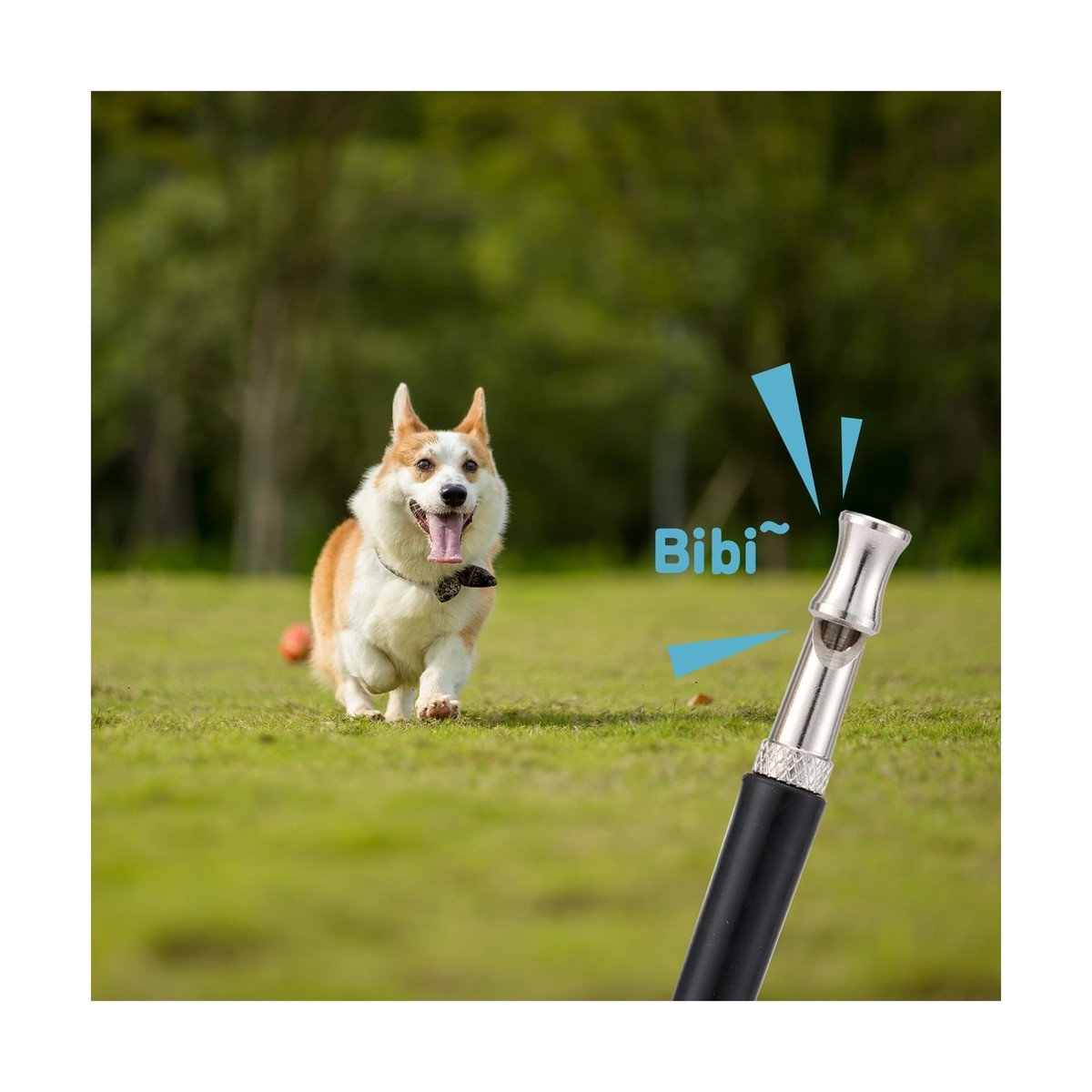
Credit: carrelighting.com
Choosing The Right Approach
Choosing the right approach to stop a dog from barking can be challenging. Dog whistles may help by catching their attention, but results can vary. Understanding your dog’s behavior and training needs is essential for effective results.
Choosing the Right Approach When you’re trying to manage your dog’s barking with a whistle, selecting the right approach is crucial. Not every dog will respond the same way, and what works for one might not work for another. It’s about finding the method that suits your dog’s unique personality and your training goals.Factors To Consider
Before diving into whistle training, consider your dog’s temperament. Is your dog sensitive to sounds or more stubborn and headstrong? Think about the environment where your dog typically barks. Is it at home, outside, or when meeting strangers? Each setting might require a different strategy. Evaluate the consistency of your training. Are you able to commit to regular sessions, or is your schedule unpredictable? Consistency is key in any training approach.Personalizing Dog Training
Tailor the training to your dog’s needs. If your dog is particularly anxious, a more gentle approach might be necessary. Adapt the frequency and intensity of the whistle based on your dog’s reactions. Sometimes a softer tone might be more effective than a high-pitched one. Assess your dog’s progress regularly. Is the barking reducing? Adjust your strategy if needed, as flexibility can lead to better results. Engage with your dog during training. Make it a fun experience rather than a strict regime. Rewards and positive reinforcement can go a long way. Lastly, ask yourself: are you prepared to be patient and persistent? Training takes time, but the bond you’ll strengthen with your dog is priceless.
Credit: www.amazon.com
Frequently Asked Questions
How Does A Dog Whistle Work?
A dog whistle emits a high-pitched sound that is inaudible to humans but audible to dogs. This unique frequency can grab a dog’s attention, making it useful for training and controlling barking. It’s essential to use it properly to avoid causing discomfort to your pet.
Can A Dog Whistle Stop Barking Immediately?
A dog whistle can interrupt barking by capturing the dog’s attention. However, it may not stop barking immediately every time. Consistent training with the whistle can help reduce barking over time. Patience and proper training techniques are crucial for effectiveness.
Are Dog Whistles Safe For Dogs?
Dog whistles are generally safe when used correctly. They produce sounds at frequencies that dogs can hear without causing harm. Misuse or excessive use can lead to stress or discomfort. Always follow guidelines and consult a professional for proper training methods.
Do All Dogs Respond To Whistles?
Not all dogs respond to whistles in the same way. Some may be more sensitive to the frequency, while others may require additional training to react. Factors such as breed, age, and previous training can influence a dog’s response to a whistle.
Conclusion
Dog whistles can help manage barking, but they’re not foolproof. Each dog responds differently. Some stop barking, others might not. Training and patience are crucial. Consistency is key for effective results. Understanding your dog’s needs matters. Use whistles as part of a broader strategy.
Combine with other training methods. Every dog is unique. Find what works best for yours. Consider professional help if needed. Building a bond with your dog is important. The goal is harmony, not silence. Keep learning and adapting. Your efforts will pay off in time.


