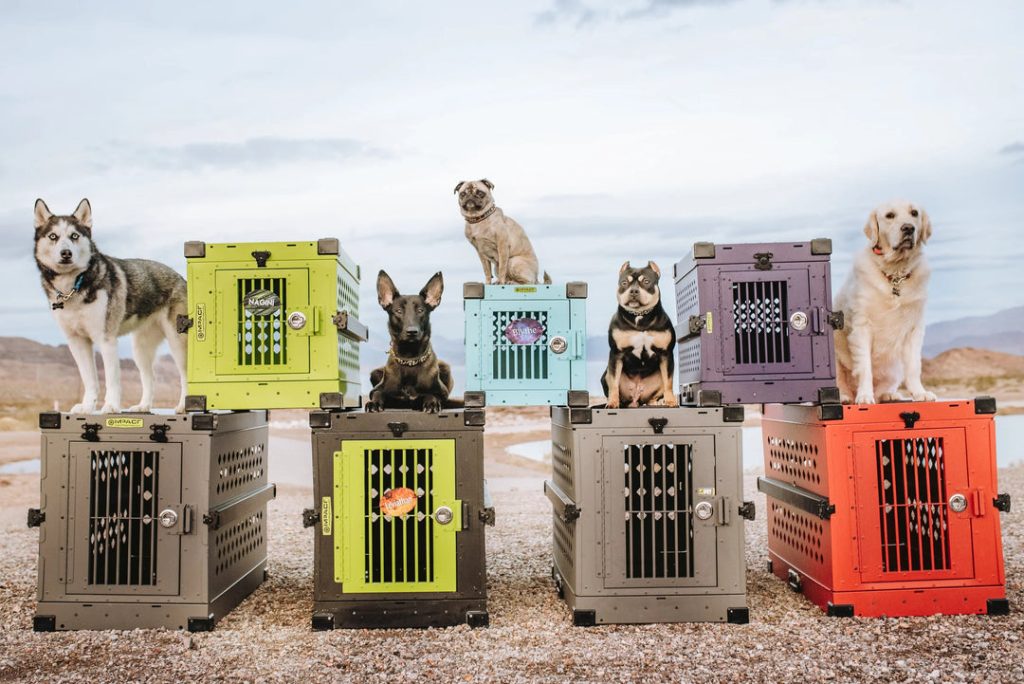
Choosing the right crate size for your dog can feel like solving a puzzle. You want your furry friend to feel safe and comfortable, but you also want to ensure it’s the perfect fit.
Too small, and your dog might feel cramped. Too large, and it might not provide the security they crave. So, how do you strike the perfect balance? This guide will walk you through the essentials of selecting the ideal crate size for your canine companion.
By understanding your dog’s needs and behaviors, you’ll make a choice that ensures their happiness and well-being. Ready to give your dog the cozy den they deserve? Let’s dive in.
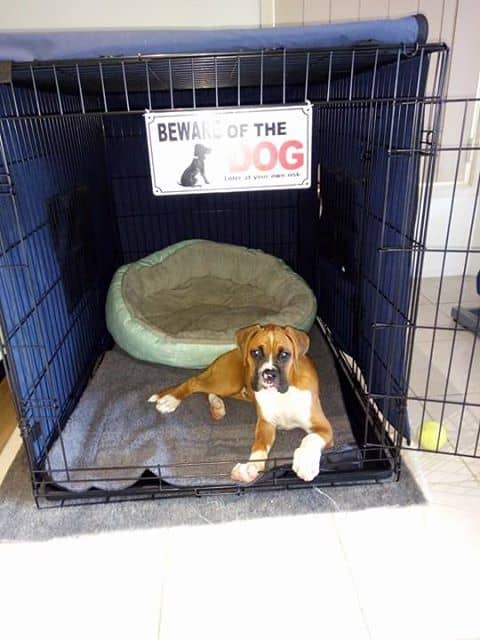
Credit: www.somerzby.com.au
Choosing The Right Crate Size
Choosing the right crate size for your dog might seem straightforward, but it’s a decision that impacts their comfort and well-being. A crate that is too small can be restrictive, while one that is too large may not provide the sense of security your dog needs. Understanding how to select the perfect size involves a bit of knowledge and some careful measuring.
Importance Of Proper Crate Sizing
Getting the crate size right is crucial for your dog’s happiness and health. A well-sized crate offers a cozy den-like environment, a place where your dog can retreat and feel safe. It also helps in effective training, as it discourages your pet from using one corner of the crate as a bathroom.
Consider your dog’s growth if they are a puppy. A crate that suits them now might not be ideal in a few months. Adjustable crates with dividers are excellent for accommodating growth and ensuring your pet always has a comfortable fit.
Common Mistakes In Crate Sizing
A common mistake is choosing a crate based solely on your dog’s current size. Many forget to account for the breed’s potential growth. This oversight can lead to frequent crate replacements, which is not only inconvenient but costly.
Another frequent error is using the crate for extended confinement. A crate should not be a prison. It should be a safe space where your dog willingly goes, not somewhere they dread.
Lastly, picking a crate without considering your dog’s behavior and anxiety level can lead to discomfort. Dogs with separation anxiety may require a more snug fit to feel secure, while others might enjoy a bit more room to move around.
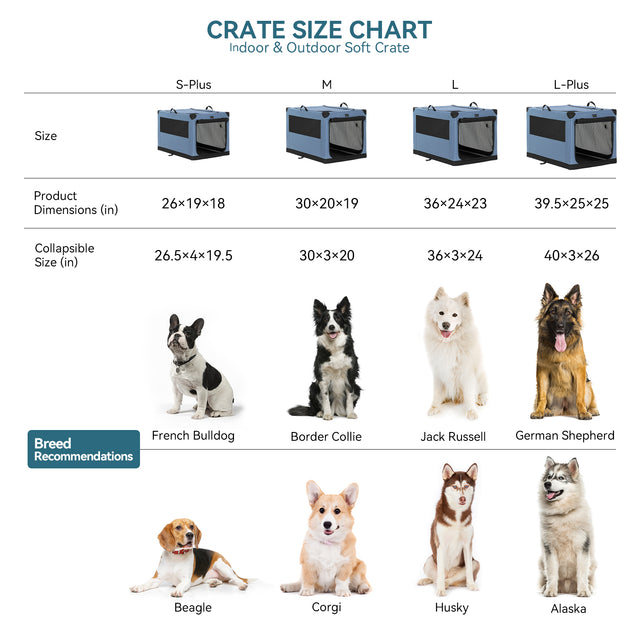
Credit: petsfit.com
Measuring Your Dog
Choosing the right crate size ensures your dog’s comfort and safety. Measure your dog from nose to tail and add a few inches. This allows enough space for turning around and lying down comfortably.
Measuring your dog for a crate is essential. Choosing the right size ensures comfort and safety. A well-fitted crate helps reduce anxiety during travel or rest. Accurate measurement prevents cramped spaces or excessive room.Height And Length Measurement
Measure your dog’s height from the floor to the top of their head. This ensures they can stand comfortably in the crate. Measure your dog’s length from the tip of their nose to the base of their tail. Add a few inches for comfort. This allows them to stretch and turn around easily.Considerations For Growing Puppies
A puppy’s size changes rapidly. Choose a crate that accommodates their growth. Consider adjustable dividers. These can create a smaller space initially, then expand as your puppy grows. Ensure the crate remains suitable throughout their development. This prevents the need for multiple purchases.Crate Size Recommendations
Choosing the right crate size for your dog is essential for comfort and safety. Measure your dog’s length and height to find a suitable crate that allows them to stand and turn comfortably. Ensure the crate is not too big, which can lead to accidents inside.
Choosing the right crate size for your dog can make all the difference in their comfort and happiness. A crate that’s too small can make your furry friend feel cramped and stressed, while one that’s too big may not provide the security they need. So, how do you find that perfect fit? Let’s dive into crate size recommendations for different breeds, ensuring your pup has a cozy and safe space.Small Breeds
For small breeds like Chihuahuas, Pomeranians, and French Bulldogs, a crate that is about 24 inches in length is often ideal. These dogs appreciate a snug space where they can feel protected. Make sure there’s enough room for them to stand up and turn around comfortably. Your dog should feel like they have their own little sanctuary within your home. Consider adding a soft bed or blanket inside to make it even more inviting. Does your small breed love curling up in small spaces? If so, a smaller crate might just be their perfect escape.Medium Breeds
Medium breeds such as Cocker Spaniels, Bulldogs, and Border Collies typically need a crate around 30 to 36 inches in length. These dogs are active and curious, so providing them with adequate space to move is crucial. Ensure they can stretch out fully when lying down. Have you noticed your medium-sized dog stretching out more frequently? A slightly larger crate could accommodate those lazy afternoon naps. Don’t forget to personalize the space with toys and comfort items. This will make the crate a place of enjoyment, not just confinement.Large Breeds
Large breeds like Golden Retrievers, Labradors, and German Shepherds usually require crates ranging from 42 to 48 inches. A larger crate allows these dogs to move freely and maintain their natural postures without feeling restricted. It’s essential they can stand upright without touching the top of the crate. Is your large breed still growing? Opt for a crate with adjustable partitions to cater to their increasing size. Adding a durable mattress can make all the difference in comfort for these gentle giants. Remember, a large crate doesn’t mean sacrificing coziness; it’s about balancing space with comfort. Choosing the right crate size isn’t just about measurements; it’s about understanding your dog’s unique needs and lifestyle. So, what does your dog’s behavior tell you about their crate preferences?Adjustable Crate Options
Choosing the right crate size helps your dog feel secure. Adjustable crate options offer flexibility as your puppy grows. Select a crate that allows your dog to stand, turn, and lie down comfortably.
Adjustable crate options provide flexibility for growing dogs. They adapt to your dog’s size, ensuring comfort and safety. These crates are ideal for puppies and adult dogs alike. They save money and space by growing with your pet.Benefits Of Adjustable Crates
Adjustable crates grow with your dog. You won’t need to buy new crates often. They help with house training by reducing space. This prevents your dog from soiling its sleeping area. These crates are versatile. They can be used for different dog breeds and sizes. They are also easy to store and transport.How To Use Dividers
Dividers allow you to adjust the crate size. Start by setting up the crate with the divider in place. Ensure your dog has enough room to stand and turn around. As your dog grows, move the divider to increase space. This keeps the crate comfortable and secure for your dog. Using dividers helps control your dog’s environment. It aids in training by creating a cozy, den-like space.Factors To Consider
Choosing the right crate size for your dog involves several factors. These elements ensure your furry friend is comfortable, safe, and secure. Considering these factors can make a big difference in your dog’s crate experience.
Travel Needs
If you travel often with your dog, consider a crate that suits travel requirements. The crate should fit in your car or on a plane. It should be easy to carry and maneuver. Crates for travel often have handles and wheels for convenience. They must be sturdy to withstand movement and bumps during travel.
House Training
A crate can aid in house training your dog. It should be just big enough for the dog to stand, turn, and lie down. A smaller space discourages bathroom accidents. Dogs naturally avoid soiling their sleeping area. This makes crate training an effective method for teaching potty habits.
Comfort And Safety
Your dog’s crate should offer comfort and safety. The space should not be too cramped or too spacious. Add soft bedding for extra comfort. Ensure the crate has proper ventilation. This keeps your dog cool and comfortable. Check for any sharp edges or loose parts inside the crate.
Signs Of An Incorrect Crate Size
Choosing the right crate size is crucial for your dog’s comfort. A cramped crate can lead to anxiety and restlessness, while an oversized one may cause insecurity. Watch for signs like excessive barking, scratching, or reluctance to enter, indicating the crate might be too small or too large.
Signs of an incorrect crate size can greatly affect your dog’s well-being. A crate that’s too small or too large can cause various issues. Understanding these signs helps ensure your dog’s comfort and safety.Physical Discomfort
Physical discomfort is a clear sign of an incorrect crate size. If the crate is too small, your dog might struggle to move. This can lead to muscle stiffness or joint pain. Your dog should be able to stand, turn, and lie down comfortably. If these movements are restricted, the crate is likely too small. A crate that’s too large can also cause problems. Dogs feel secure in a snug space. A large crate may not provide the sense of security your dog needs. It can also lead to accidents if your dog uses one end as a bathroom.Behavioral Issues
Behavioral issues often indicate the crate size is wrong. A crate that’s too small can cause stress and anxiety. Your dog might whine, bark, or show signs of distress. Over time, this can lead to more serious behavioral problems. On the other hand, a crate that’s too large may encourage bad habits. Your dog might become restless and chew on the crate. This behavior suggests your dog doesn’t feel secure or comfortable. Ensuring the correct crate size helps prevent these issues.Tips For Crate Training
Crate training your dog can create a safe and comfortable space. The process should be calm and gradual. Here are some essential tips to ensure a smooth experience.
Creating A Positive Experience
Make the crate inviting. Add a soft blanket or a favorite toy. Place treats inside to encourage exploration. Praise your dog when it enters the crate. This builds positive associations.
Gradual Acclimation
Start with short crate sessions. Gradually increase the time spent inside. Stay nearby at first, then slowly step away. Ensure your dog feels secure and not abandoned. Patience is key.
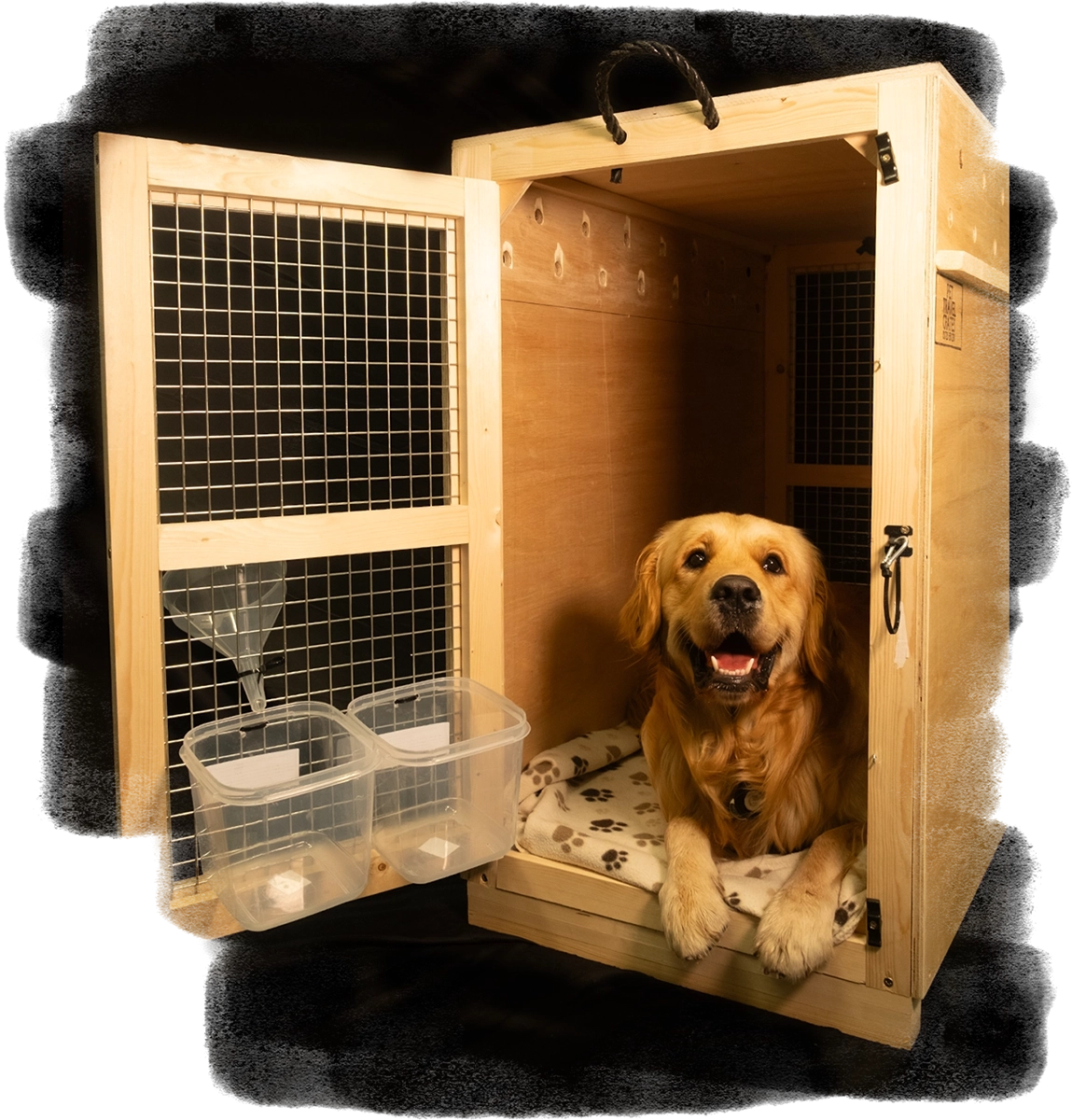
Credit: www.petsbyplane.com
Frequently Asked Questions
What Size Crate Is Best For Puppies?
Puppies need a crate that allows them to stand, turn, and lie down comfortably. A small crate can help with potty training, while an adjustable one accommodates growth. Ensure the crate has enough space to prevent crowding, but not too large that it hinders training.
How Do I Measure My Dog For A Crate?
Measure your dog from the tip of its nose to the base of its tail for length. Measure from the ground to the top of its head for height. Add a few inches to these measurements to ensure comfort. This ensures your dog’s crate is the right size.
Can Crate Size Affect My Dog’s Behavior?
Yes, an improperly sized crate can impact behavior. A crate too small can cause discomfort and stress. A crate too large may not provide the security your dog needs. Proper sizing helps with training and provides a safe space for relaxation.
Is There A Standard Crate Size For All Dogs?
There is no one-size-fits-all crate. Different breeds and sizes require different crate dimensions. Check your dog’s measurements and compare them to crate size charts. Ensure the crate allows your dog to move comfortably and feel secure.
Conclusion
Choosing the right crate size for your dog is crucial. It ensures comfort and safety. Measure your dog before buying. Consider their breed and growth. A crate that’s too small can be harmful. Too large may not feel secure. Think about your dog’s needs and habits.
A good fit will make your dog feel at home. Remember, a crate is not just a cage. It’s your dog’s own space. Make it cozy and inviting. This helps in training and travel. Your dog will love their new space.


