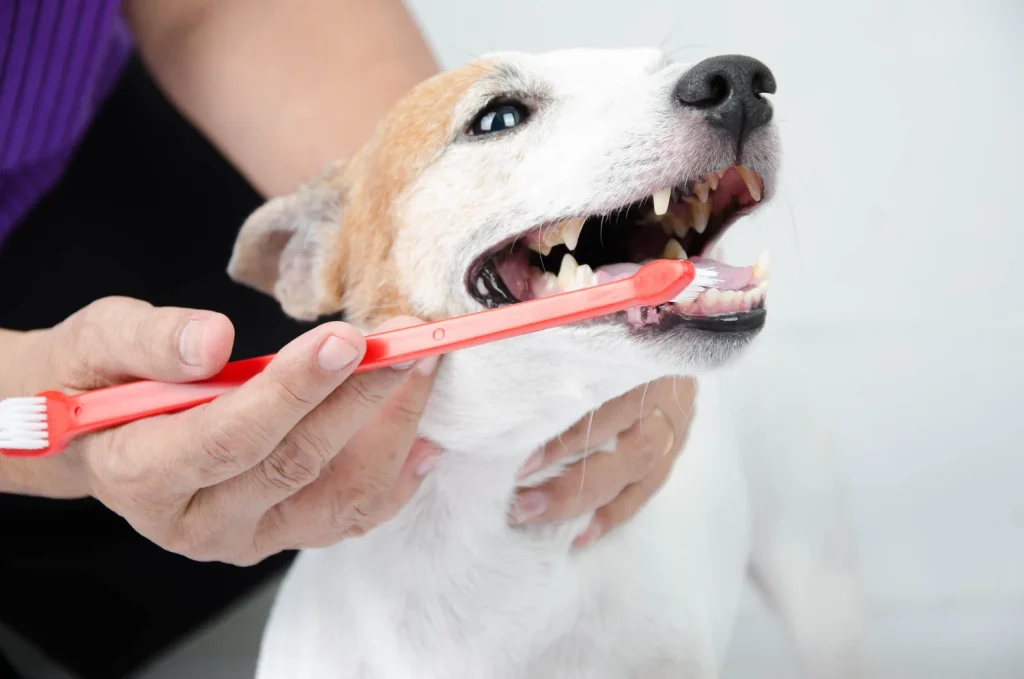
Imagine this: your dog’s wagging tail, a playful bark, and a healthy smile that could melt even the coldest heart. But wait—how healthy is that smile?
You might not often think about your dog’s dental hygiene, but it’s crucial for their overall well-being. Just like humans, dogs need regular dental care to prevent issues like bad breath, gum disease, and even heart problems. You probably already know the importance of brushing your own teeth, but have you ever considered brushing your dog’s teeth?
It’s easier than you think, and the benefits are undeniable. So, why not give your furry friend the gift of a healthy mouth? You’ll discover simple steps to make teeth brushing a fun, regular part of your dog’s routine. Let’s dive in and learn how you can ensure your dog’s smile stays as bright as their personality.
Credit: www.green-petfood.com
Importance Of Dental Care For Dogs
Dental care is crucial for your dog’s overall health and well-being. Just like humans, dogs can suffer from dental issues that may lead to more serious health concerns. By taking proactive steps in dental care, you ensure your furry friend enjoys a healthier, happier life.
Health Benefits
Regular dental care significantly boosts your dog’s health. It helps maintain healthy gums and teeth, which are essential for eating and playing. Improved oral health can also lead to better breath, making those close cuddles more enjoyable.
Neglecting dental hygiene can result in discomfort and pain for your pet. Ensuring routine brushing helps prevent tartar buildup and plaque, which are often the culprits behind dental issues. Imagine the relief your dog feels when their mouth is clean and pain-free.
Preventing Dental Diseases
Dental diseases are common in dogs but largely preventable with proper care. Regular brushing and check-ups can avert conditions like gingivitis and periodontal disease. These issues, if left untreated, can lead to tooth loss and affect your dog’s ability to eat properly.
Investing time in dental care now can save you from costly vet bills in the future. It’s much easier to prevent dental diseases than to treat them. Have you considered how a simple routine can make such a significant difference in your dog’s life?
Consider using dog-friendly toothpaste and a soft-bristled brush for the best results. With consistency, your dog will become accustomed to the routine, and their mouth will thank you!
Choosing The Right Tools
Brushing your dog’s teeth is a vital part of maintaining their overall health, but it’s crucial to use the right tools for the job. Using inappropriate tools can make the process uncomfortable or ineffective. So, how do you choose the right tools for your furry friend?
Types Of Dog Toothbrushes
Dog toothbrushes come in various shapes and sizes, each designed to cater to different needs. The most common type is the traditional toothbrushthat looks similar to the human version but has softer bristles.
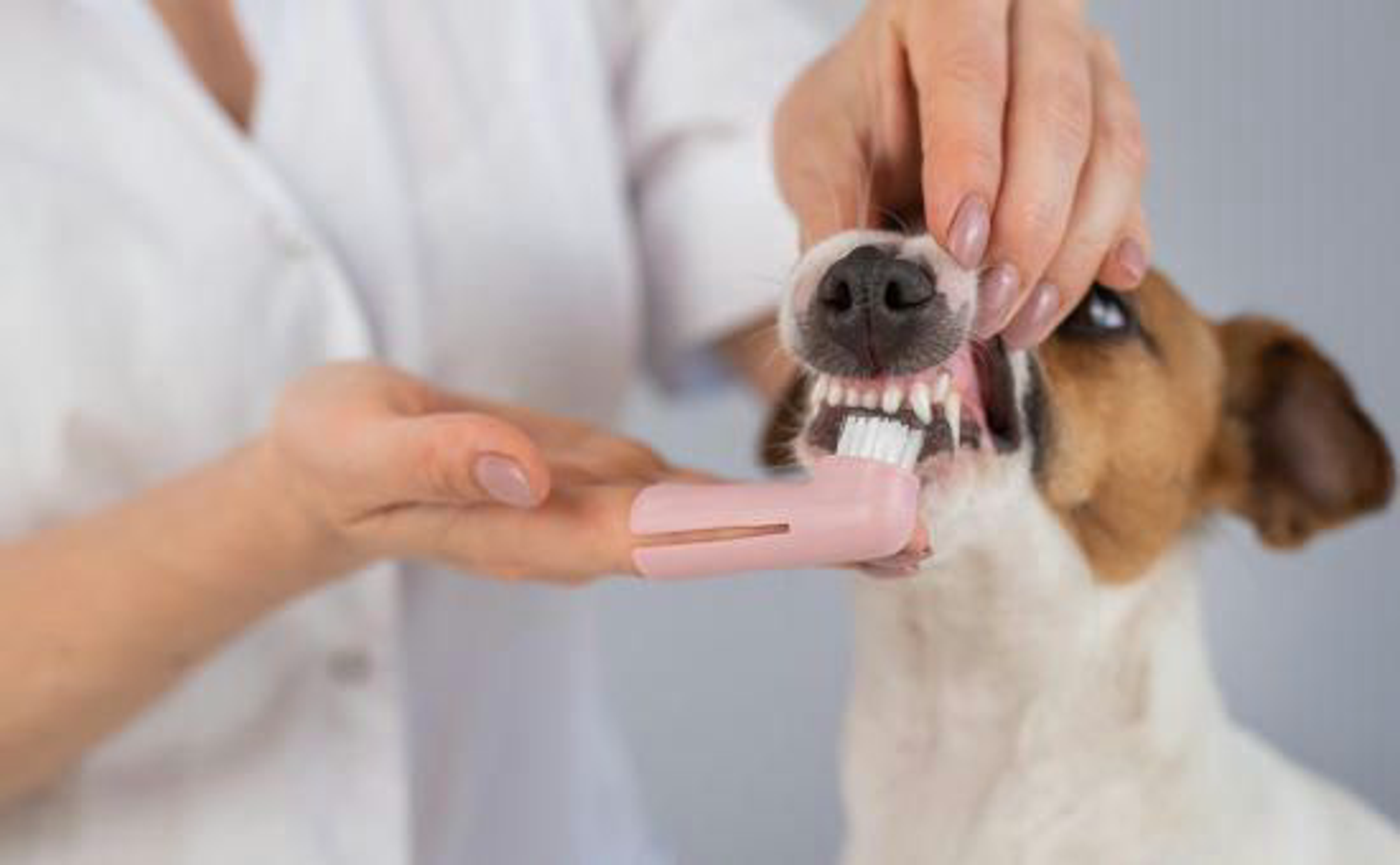
If your dog is small or not used to brushing, a finger brushmight be a great choice. It’s a small rubber brush that fits on your finger, allowing you to gently clean your dog’s teeth.
There are also dual-headed brushesthat have two different sized heads, offering versatility for dogs of different sizes. Consider what might work best for your dog’s comfort and ease.
Selecting Safe Toothpaste
When choosing toothpaste for your dog, safety is key. Human toothpaste is a no-go as it contains ingredients harmful to dogs. Instead, opt for dog-specific toothpastethat is safe to swallow.
Flavor can play a huge role in your dog’s acceptance of the brushing routine. Many dog toothpastes come in flavors like chicken or beef, turning an unpleasant chore into a tasty experience.
Check the label for natural ingredientsand avoid any artificial additives. Your dog’s health is paramount, and a little research can go a long way in finding the right product.
Preparing Your Dog For Brushing
Before you dive into brushing your dog’s teeth, it’s crucial to prepare them. This preparation makes the process smoother and more enjoyable for both you and your furry friend. A little patience and understanding can go a long way in ensuring a stress-free experience.
Getting Your Dog Comfortable
Start by letting your dog sniff and explore the toothbrush and toothpaste. Dogs are naturally curious, and this step helps reduce their anxiety.
Engage your dog with a treat or gentle petting while they get used to the smell and texture. Your calm demeanor will reassure them.
Use a soothing voice and praise them. Positive reinforcement creates a comfortable environment and builds trust.
Establishing A Routine
Consistency is key. Choose a time when your dog is relaxed, like after a walk or playtime.
Keep sessions short at first. Gradually increase the time as your dog becomes more accustomed to the process.
Make it a part of your daily routine. Your dog will soon anticipate and accept brushing as a regular activity.
Have you ever thought about how your dog perceives this new activity? Understanding their perspective can make a world of difference in your approach.

Credit: www.instagram.com
Step-by-step Brushing Guide
Keeping your dog’s teeth clean is essential for their health. This step-by-step guide will help you brush your dog’s teeth effectively. Follow these steps to ensure a stress-free experience for both you and your furry friend.
Positioning Your Dog
Find a quiet spot without distractions. Encourage your dog to sit or lie down calmly. You might need to gently hold your dog’s head steady. Use a soothing voice to keep them relaxed. Make sure your dog feels comfortable before you start.
Brushing Techniques
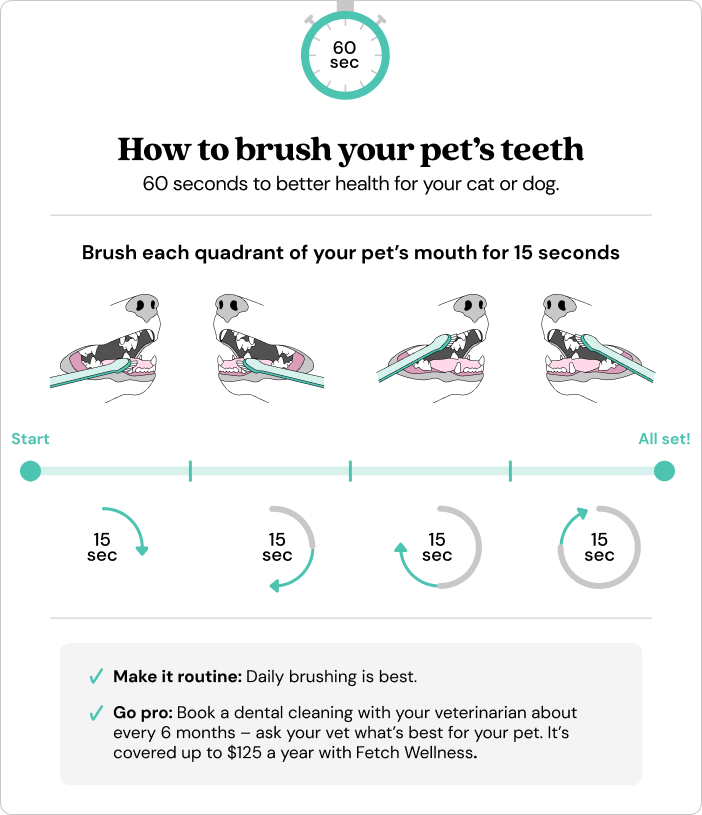
Use a dog-friendly toothbrush and toothpaste. Begin by lifting your dog’s lips gently. Focus on the outer surfaces of the teeth. Brush in small, circular motions. Cover each tooth area thoroughly. Pay extra attention to the back teeth. This is where plaque often builds up. Aim for a few minutes of brushing each session.
Handling Challenges
Brushing a dog’s teeth can be challenging but rewarding. Use a dog-specific toothbrush and toothpaste. Gently lift your dog’s lips to expose the teeth, and brush in circular motions. Start slowly to let your dog get used to the process.
Regular brushing helps maintain healthy teeth and gums.
Brushing your dog’s teeth can be challenging. Many dogs resist dental care. They may squirm, bite, or run away. Understanding how to handle these challenges is key. With patience and the right techniques, you can make the process smoother. Let’s explore some practical tips.Dealing With Resistance
Resistance is common when brushing a dog’s teeth. Start by choosing a quiet space. This helps minimize distractions. Let your dog sniff the toothbrush and toothpaste. Use a toothpaste made for dogs. It often has a flavor they enjoy. Begin by gently lifting their lip. Touch their teeth lightly. If they pull away, give them a break. Gradual introduction reduces stress.Keeping Calm During Brushing
Your calmness affects your dog. Speak softly and soothingly. Avoid sudden movements. This helps your dog stay relaxed. If they get anxious, pause and pet them. Offer praise and treats for good behavior. A calm environment builds trust. It makes brushing easier over time.Maintaining Oral Health
Maintaining your dog’s oral health is crucial not only for their teeth but for their overall well-being. Just like humans, dogs can suffer from gum disease, tooth decay, and bad breath if their oral hygiene is neglected. Regular brushing can prevent these issues and make your dog’s life healthier and happier.
Regular Check-ups
Regular check-ups with your veterinarian are essential to keep tabs on your dog’s oral health. Your vet can spot early signs of dental problems that you might overlook. These visits provide a chance for professional cleaning, which goes beyond what a toothbrush can do.
During check-ups, ask questions about your dog’s oral health. Use this time to learn how to improve your brushing technique or whether you’re using the right products.
Have you ever noticed how your dog behaves after a dental check-up? They often seem more comfortable, proving the importance of professional care.
Dietary Considerations
Diet plays a significant role in maintaining your dog’s oral health. Foods designed for dental care can reduce plaque and tartar build-up. These can include special kibble that mechanically cleans teeth or dental chews that help scrub away dirt.
Consider adding raw bones or carrots to your dog’s diet. These natural options not only provide nutrients but also help clean teeth as your dog chews.
Reflect on how your dog’s diet has impacted their breath and overall oral health. Have you noticed any changes after switching to dental-friendly foods?
Additional Dental Care Tips
Keeping your dog’s teeth clean involves more than just brushing. There are other ways to support your dog’s dental health. These methods can help prevent plaque buildup and keep your dog’s mouth healthy. Let’s explore a few effective techniques.
Using Dental Treats
Dental treats are a tasty way to promote oral health. They help reduce plaque and tartar. Choose treats that are designed to clean teeth. Check for the Veterinary Oral Health Council (VOHC) seal for trusted options. These treats often have textures that scrub the teeth as the dog chews. This can make a big difference in your dog’s dental hygiene.
Incorporating Toys For Oral Health
Toys can be more than just fun. They can also clean teeth. Look for toys specifically made for dental care. These toys often have ridges and grooves. They help remove plaque as your dog chews. Rubber and nylon toys are good choices. They are durable and can withstand strong chewers. Make sure to supervise playtime to ensure safety. Regular play with these toys can contribute to healthier gums and teeth.
Credit: www.fetchpet.com
Frequently Asked Questions
How Often Should You Brush A Dog’s Teeth?
Brushing your dog’s teeth daily is ideal for maintaining oral health. If daily brushing isn’t possible, aim for at least three times a week. Regular brushing helps prevent plaque buildup and dental issues. Consistency is key to keeping your dog’s teeth healthy and avoiding costly vet visits.
What Tools Do You Need To Brush A Dog’s Teeth?
You’ll need a dog-specific toothbrush and toothpaste. Dog toothpaste is safe for pets and comes in flavors they enjoy. A finger brush can be useful for beginners. These tools help clean effectively and make the experience more enjoyable for your dog.
Can You Use Human Toothpaste On Dogs?
No, human toothpaste is not safe for dogs. It contains ingredients like fluoride which can be toxic to them. Always use toothpaste made specifically for dogs. Dog toothpaste is formulated to be safe and palatable, ensuring a pleasant brushing experience.
How Do You Get A Dog Used To Brushing?
Start slowly by letting your dog sniff the toothbrush and toothpaste. Gradually introduce the brushing motion without toothpaste. Praise and reward them to create positive associations. Over time, increase brushing duration and incorporate toothpaste. Patience and consistency will help your dog become comfortable.
Conclusion
Brushing your dog’s teeth keeps them healthy and happy. Regular brushing prevents dental issues. It also reduces bad breath. Start slowly. Use dog-friendly toothpaste and a soft brush. Make it a fun experience. Reward your dog after each session. Consistency is key.
Aim for daily brushing. But, a few times a week is a good start. Your dog’s dental health impacts their overall well-being. Taking small steps now can prevent bigger problems later. Keep their smile bright and their tail wagging. Happy brushing!


