Have you ever found yourself wrestling with your dog’s harness, wondering if you’re doing it right? You’re not alone.
Many pet owners face this challenge, and it can be frustrating for both you and your furry friend. But don’t worry—you’re about to discover the simple steps that will make putting a harness on your dog a breeze. Imagine the relief of knowing your dog is secure and comfortable, ready for a walk or an adventure.
With the right approach, you can ensure your dog’s safety while enhancing your bond. Keep reading to uncover the secrets to mastering the art of the dog harness, and transform your walks into enjoyable experiences for both you and your pup.
Types Of Dog Harnesses
Different styles of dog harnesses offer varied ways to put them on. The step-in harness requires a dog to step into it, while the over-the-head harness slides over the dog’s head. Each type ensures comfort and control, catering to different sizes and breeds.
Dog harnesses come in various styles, each offering unique benefits tailored to your dog’s needs and personality. Choosing the right type of harness can greatly enhance your dog’s comfort and your control during walks. Understanding the different kinds of harnesses available can make this decision easier and more effective for both you and your furry friend.Step-in Harness
A step-in harness is one of the simplest types to use. Your dog simply steps into the harness, and then you pull it up and secure it over their back. It’s perfect for dogs who dislike having things put over their heads. This type of harness is ideal if your dog tends to get impatient or fidgety when getting ready for a walk.Vest Harness
The vest harness offers a snug, comfortable fit for your dog. It wraps around the dog’s chest and back like a vest, providing even pressure distribution. This is an excellent option for smaller dogs or those with sensitive skin, as the material is often soft and padded. It also adds a touch of style, making your dog look even more adorable.Front Clip Harness
Front clip harnesses have the leash attachment point on the front, at the dog’s chest. This design helps to discourage pulling, as the dog will naturally turn towards you when trying to pull ahead. It’s an effective tool for training and improving your dog’s walking behavior. Have you ever struggled with controlling an eager dog on walks? A front clip harness might just be the solution you need.Back Clip Harness
Back clip harnesses are the most common type and are particularly easy to put on. The leash attaches at the back, making it perfect for well-behaved dogs who don’t pull excessively. It’s also less likely to get tangled, providing a smooth experience for both you and your pet. If your dog enjoys leisurely walks and doesn’t need much correction, a back clip harness could be just the right fit.Choosing The Right Size
Choosing the correct size ensures a comfortable fit for your dog. A snug harness prevents slipping and provides control. Always measure your dog’s chest and neck for the best fit.
Choosing the right size dog harness is crucial for your pet’s comfort. A well-fitted harness provides better control and ensures safety. Dogs come in different shapes and sizes, so measuring accurately is essential. Let’s explore how to choose the perfect size for your furry friend.Measuring Your Dog
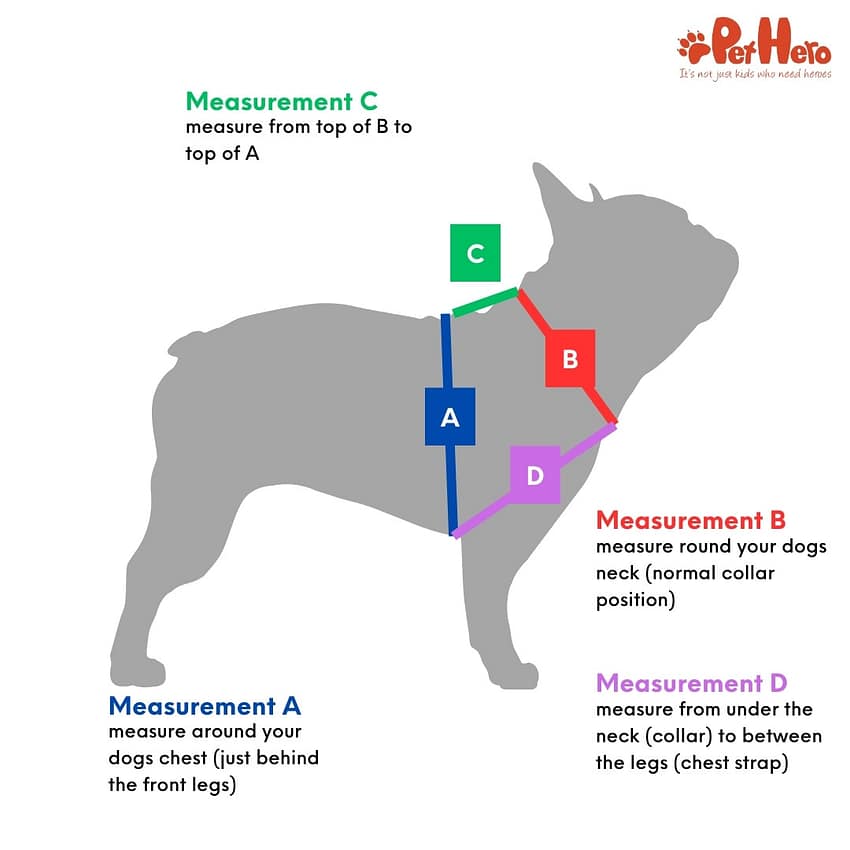
Before buying a harness, measure your dog. Use a flexible tape measure for accuracy. Measure around the widest part of their chest, just behind the front legs. Also, measure the lower neck area. Note these measurements down. They will guide you in selecting the right harness size.Adjusting For Comfort
Once you have the harness, adjust it for your dog’s comfort. Make sure it fits snugly but not too tight. You should be able to slide two fingers underneath the harness. If the harness is too loose, your dog might slip out. If it’s too tight, it may cause discomfort. Adjust the straps gradually and check fit regularly. This ensures your dog feels secure and comfortable.Preparing Your Dog
Gently slide the harness over your dog’s head, ensuring a comfortable fit. Adjust the straps around the chest and belly. Secure the buckles, checking for snugness without tightness.
Preparing your dog for a harness involves more than just slipping it on. Dogs can be sensitive to new experiences, and a harness might feel strange initially. It’s important to make this process smooth and stress-free. The goal is to ensure your furry friend feels comfortable and secure. By preparing properly, you’ll make this new routine enjoyable for both of you. Here are some techniques to help ease your dog into wearing a harness.Calming Techniques
Start with a calm environment. Avoid loud noises or sudden movements. Speak softly to your dog to create a sense of safety. Gentle petting can also help soothe them. Some dogs respond well to music designed for relaxation. Consider playing soft tunes to create a peaceful atmosphere. Spend time with your dog before introducing the harness. This builds trust and reduces anxiety.Reward System
Positive reinforcement is key. Use treats as rewards for small successes. For example, reward your dog for sniffing the harness. Give another treat for letting you put it on. Praise your dog verbally to boost their confidence. Keep the rewards frequent but small. This keeps them motivated without overwhelming them. Over time, associate the harness with positive experiences. This turns a potentially stressful event into a rewarding one.Putting On A Step-in Harness
Slide the harness under your dog’s belly, ensuring both front legs fit comfortably through the openings. Pull the harness up and fasten it securely on your dog’s back, adjusting the straps for a snug fit without restricting movement.
Putting On a Step-In Harness A step-in harness is simple and convenient for dogs and owners. It wraps around the dog’s body, offering comfort and control. Knowing how to position and secure it makes walks more enjoyable.Positioning The Harness
Place the harness on the ground, unfastened. Let your dog step into the two loops. Ensure each paw is correctly positioned in its loop. Adjust the harness so it sits evenly on both sides of your dog.Securing The Clips
Lift the harness up over the dog’s shoulders. Fasten the clips securely. Check that the harness fits snugly but isn’t too tight. Make sure it’s comfortable for your dog to move freely. Confirm that all clips are secure before heading out.Securing A Vest Harness
Securing a vest harness involves placing the harness over the dog’s head and adjusting the straps for a snug fit. Ensure the harness sits comfortably around the dog’s chest and back, allowing for easy movement without tightness.
Securing a vest harness on your dog can be a straightforward process once you get the hang of it. This type of harness is designed to offer comfort and control, making it ideal for daily walks or outdoor adventures. The key to a successful fit is ensuring that the harness is both snug and comfortable, allowing your furry friend the freedom to move without slipping out. Let’s dive into the steps to make sure your dog feels secure and happy in their vest harness.Aligning The Straps
Start by placing the harness on the ground and opening all the buckles. This gives you a clear view of how the straps should align with your dog’s body. Gently slip the harness over your dog’s head. Make sure the chest piece is centered on their chest. Check that the straps on either side are even and not twisted. This prevents any discomfort when your dog moves.Checking For Tightness
Once you have the harness in place, it’s time to adjust the tightness. A well-fitted harness should allow you to slip two fingers between the harness and your dog’s skin. If the harness is too loose, your dog might slip out during a walk. On the flip side, if it’s too tight, it can cause discomfort or chafing. Take a moment to observe your dog’s movements. Are they comfortable? Does the harness stay in place? Adjust as necessary until everything feels just right. Have you ever wondered how a small adjustment can make a big difference in your dog’s comfort? A harness that’s properly aligned and adjusted can transform your walking experience, making it enjoyable for both you and your pet. Remember, a happy dog means a happy walk!
Credit: walkinpets.com
Using Front Clip Harness
A front clip harness is a popular choice for dog owners. It offers better control during walks. It helps reduce pulling and makes walking more enjoyable for both. The leash attaches at the front, directing the dog back towards you if they pull. This harness is especially helpful for training and large dogs.
Attaching The Leash
Begin by finding the front clip on the harness. It is usually located on the chest area. Once located, secure the leash to the clip. Make sure it’s fastened tightly. This ensures safety and keeps the dog close. A secure attachment is key to controlling the dog.
Adjusting The Fit
Adjusting the harness for a snug fit is crucial. Check if it sits comfortably on the dog’s body. The harness should be tight but not restrictive. You should be able to fit two fingers between the harness and your dog. This prevents chafing and ensures comfort. Always check the fit before each walk.
Utilizing Back Clip Harness
Place the back clip harness over your dog’s head, ensuring the D-ring is on the back. Adjust the straps for a snug fit, and fasten the buckle around the chest. Double-check for comfort and security before heading out for a walk.
Utilizing a back clip harness is a smart choice for many dog owners. It’s particularly beneficial for dogs that tend to pull, as it offers more control and reduces strain on the neck. The back clip harness is easy to put on and comfortable for your furry friend, making walks more enjoyable for both of you.Fitting The Harness
Start by loosening all the adjustable straps on the harness. This makes it easier to slip over your dog’s head and body. Place the harness over their back with the D-ring positioned at the top. Check that the chest strap sits snugly against the body, avoiding any slack. Adjust the straps until the harness fits securely but comfortably. You should be able to fit two fingers between the harness and your dog’s skin.Ensuring Security
Once the harness is on, give it a gentle tug to ensure it won’t slip off. This simple test can prevent unexpected escapes during walks. Make sure all buckles are fastened and locked into place. Observe your dog’s movements to ensure they are comfortable and not restricted. Walk around with your dog to assess the fit and adjust if needed. Ask yourself: Does the harness stay in place without shifting? If you’re new to using a back clip harness, take a few practice walks in a safe area. This helps both you and your dog get accustomed to the new gear. Remember, a well-fitted harness leads to more enjoyable and safe adventures with your canine companion.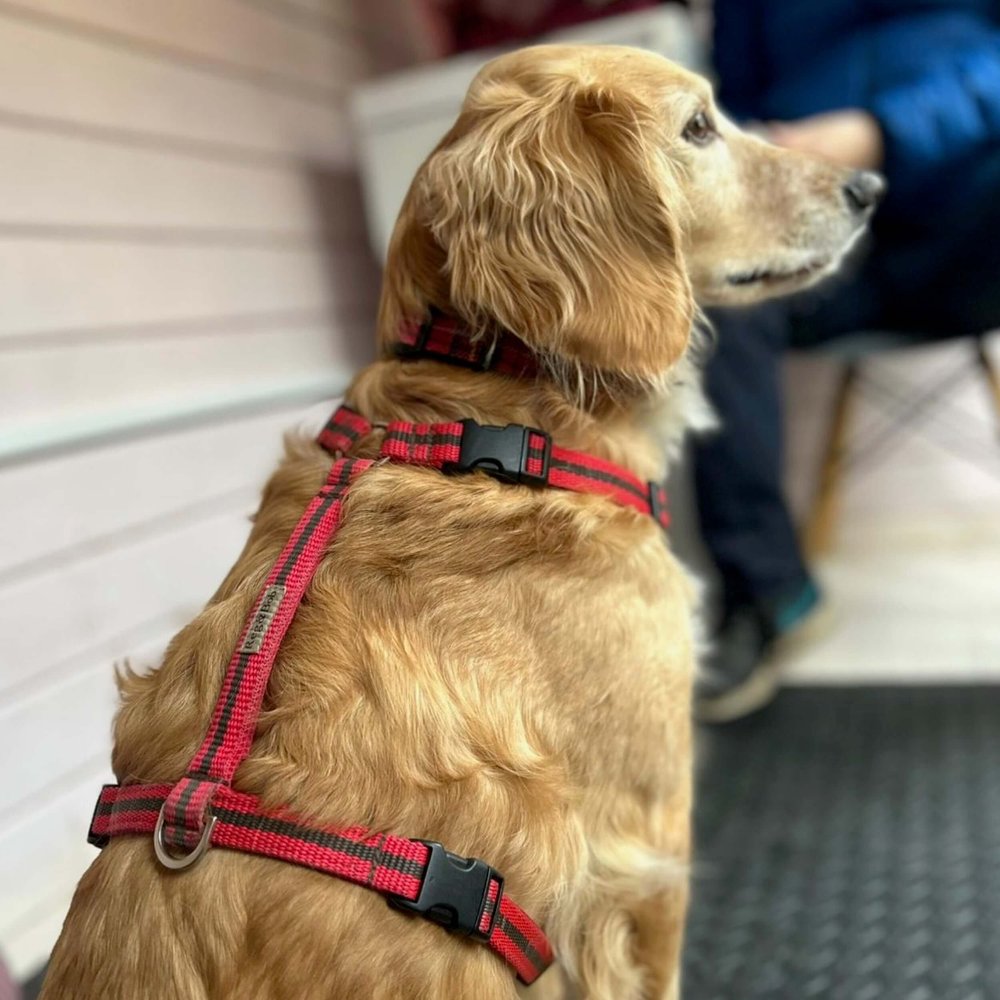
Credit: regandbob.com
Common Mistakes To Avoid
Putting a dog harness on your furry friend might seem straightforward, but surprisingly, many pet owners make common mistakes that can lead to discomfort or even harm. Avoiding these pitfalls ensures a snug fit and a happy walk for both you and your dog. Let’s dive into some of these common missteps.
Incorrect Sizing
One of the most frequent errors is choosing the wrong size. A harness that’s too tight can chafe your dog’s skin, while one that’s too loose might slip off unexpectedly.
- Measure your dog’s chest and neck accurately. Use a tape measure and note the measurements.
- Check the manufacturer’s sizing chart. Each brand may vary slightly, so double-check to ensure a proper fit.
- Adjust the harness straps. Ensure there’s a snug fit by adjusting straps, allowing two fingers to fit between the harness and your dog’s body.
Improper Attachment
Another common mistake is attaching the harness incorrectly. This can compromise control and safety.
- Ensure the harness is the right way up. Look for labels or tags that indicate the front or back.
- Check the attachment points. Make sure the leash clips securely to the designated ring for optimal control.
- Test the harness before heading out. Give a gentle tug on the leash to ensure it’s secure and comfortable for your dog.
As you gear up for your next adventure with your dog, consider these questions: Are you confident in your harness choice? Have you adjusted it recently? Ensuring these elements are in place can make all the difference in your dog’s comfort and your peace of mind.
Benefits Of Using A Harness
Switching from a collar to a harness can be a game-changer for both you and your dog. Not only does it offer a more comfortable and secure fit, but it also enhances your ability to guide and protect your furry friend. Understanding the benefits of using a harness can help you make a more informed decision about your dog’s safety and comfort.
Enhanced Control
A harness provides better control over your dog’s movements. Unlike a collar, which can put strain on the neck, a harness distributes pressure across the chest and back. This is particularly useful for larger dogs or those prone to pulling. Imagine walking your dog without the constant worry of them lunging forward or choking themselves. With a harness, you can gently guide them in the right direction. Have you ever tried steering a car without a steering wheel? That’s how it feels when walking a strong dog with just a collar.
Safety Features
Safety is a priority when choosing pet accessories, and harnesses come packed with features that collars lack. Many harnesses are designed with reflective materials, making your dog visible during nighttime walks. Some offer padding for extra comfort, reducing the risk of chafing. Additionally, a well-fitted harness can prevent your dog from slipping out, which is crucial for escape artists. It’s like having a seatbelt for your dog, ensuring they’re secure and safe during every outing. Have you ever had that gut-wrenching moment when your dog suddenly slips out of their collar? A harness can alleviate that fear.
Care And Maintenance
Proper care and maintenance of your dog’s harness ensure its longevity. A clean and well-maintained harness provides safety and comfort for your pet. Regular attention to cleaning and inspecting can prevent wear and tear. Let’s explore how to keep your dog’s harness in top condition.
Cleaning Techniques
Keeping the harness clean is essential for hygiene. Start by checking the label for washing instructions. Most harnesses are machine washable, but some may require hand washing. If hand washing, use mild soap and warm water. Scrub gently to remove dirt and stains. Rinse thoroughly to eliminate soap residue. Air dry the harness to maintain its shape. Avoid direct sunlight as it can weaken the material.
Inspecting For Wear
Regular inspections prevent unexpected breaks. Examine the harness straps for fraying or tears. Check the buckles and clips for secure fastening. Look for rust or wear on metal parts. Ensure the stitching is intact without loose threads. If you find any damage, consider repair or replacement. A well-maintained harness keeps your dog safe and secure.
Credit: pethero.co.za
Frequently Asked Questions
How Do You Put A Dog Harness On?
To put a harness on a dog, first, identify the front and back. Slip the neck loop over your dog’s head. Adjust the straps to fit snugly but comfortably. Ensure the D-ring sits on the back for leash attachment. Double-check the fit and make adjustments for comfort and security.
Is A Harness Better Than A Collar?
Harnesses are often better than collars as they distribute pressure more evenly. This reduces strain on your dog’s neck, especially for dogs prone to pulling. They offer better control and are ideal for training. Harnesses are recommended for dogs with respiratory issues or sensitive tracheas.
Can Dogs Escape From Harnesses?
Some dogs can escape if the harness is too loose or improperly fitted. Choose a harness with secure buckles and adjustable straps. Make sure it’s snug but not tight. Double-check the fit before walks. For extra security, consider escape-proof designs that prevent slipping out.
How To Choose The Right Harness Size?
Measure your dog’s girth around the widest part of the chest. Consult the manufacturer’s size chart for guidance. Choose a size that fits snugly without being too tight. Adjustable straps help achieve a comfortable fit. Ensure the harness allows free movement without chafing.
Conclusion
Putting a harness on a dog is simple with practice. Choose the right size for comfort and safety. Gently slip it over the dog’s head, then adjust the straps. Ensure it fits snugly but not too tight. Check if two fingers fit between the harness and the dog’s body.
Regularly inspect for signs of wear or discomfort. Practice makes perfect, so stay patient and calm. With these tips, walking your dog becomes a pleasant experience. Enjoy the outdoors and bond with your furry friend. A well-fitted harness ensures safety and happiness for both.