
Imagine coming home after a long day, eager to see your furry friend, only to find them anxious and restless. You might wonder if the time spent in their crate is affecting their mood.
As a dog owner, you want what’s best for your pet, ensuring they’re happy and healthy. The question of how long your dog can stay in a crate is more than a matter of convenience; it’s about their comfort and wellbeing.
You may have heard conflicting advice, leaving you unsure of the best approach. This article will guide you through the factors that determine the ideal crate time for your dog, helping you make informed decisions that suit both your lifestyle and your dog’s needs. Dive in to discover the secrets to keeping your dog content, even when you can’t be by their side.

Credit: www.care.com
Importance Of Crate Training
Crate training offers a safe space for dogs, helping them feel secure and comfortable. Limiting crate time to a few hours ensures their well-being and prevents anxiety or discomfort. Adjust crate duration based on your dog’s age and needs for a balanced routine.
Crate training is a crucial aspect of pet ownership that benefits both dogs and their owners. It helps create a safe and comfortable environment for dogs, while also offering convenience and peace of mind for owners. A well-trained dog considers their crate a sanctuary, not a cage, leading to a happier and healthier life for both parties.Benefits For Dogs
Crates provide dogs with a personal space where they can retreat when they need rest or feel overwhelmed. This sense of security can reduce anxiety, especially for puppies adjusting to a new home. A crate can also be instrumental in house training. Dogs naturally avoid soiling their sleeping area, which encourages them to hold their bladder and bowels until they are taken outside. Moreover, crates can be a lifesaver during travel. They offer a familiar and safe space for your dog, reducing stress and potential harm during long journeys.Benefits For Owners
For owners, crates are incredibly practical. They prevent destructive behavior when you’re not around to supervise your dog. Imagine coming home to find your favorite shoes intact instead of chewed up! Crates also simplify nighttime routines. With your dog safely tucked in, you can enjoy uninterrupted sleep without worrying about them wandering or causing trouble. Additionally, crate training can ease the transition when you have guests or need to leave your pet with a sitter. Your dog will feel secure in their crate, making these situations less stressful for everyone involved. Have you ever considered how a crate can be a training tool rather than a confinement space? When used correctly, it’s a game changer for both you and your furry friend.
Credit: thejeera.com
Factors Influencing Crate Duration
Understanding how long your dog can stay in a crate involves considering several factors that affect their comfort and well-being. Each dog is unique, and crate duration can vary greatly depending on specific characteristics and needs. By examining these factors, you can make informed decisions to ensure your furry friend remains healthy and happy.
Age And Size
Age plays a significant role in determining crate duration. Puppies, with their boundless energy and smaller bladders, require more frequent breaks. They generally shouldn’t be crated for more than a few hours at a time.
Adult dogs can handle longer periods, but size matters too. Larger breeds might need more space and shorter confinement times compared to smaller breeds. Consider your dog’s age and size to tailor their crate schedule.
Health And Behavior
Health conditions can greatly impact how long your dog should be in a crate. Dogs with urinary issues or arthritis might need more frequent breaks. Behavioral patterns are equally crucial.
If your dog shows signs of anxiety or destructive behavior, shorter crate times are advisable. A calm and well-adjusted dog might be comfortable in a crate longer, but observe their behavior closely.
Breed Characteristics
Different breeds have different activity levels and temperaments. A high-energy breed like a Border Collie might struggle with long crate periods, while a more laid-back breed like a Basset Hound might be content.
Do you know your dog’s breed characteristics? This knowledge can help in understanding their needs and planning appropriate crate durations. Consider how your dog’s breed might influence their crate comfort.
Do you find these factors helpful in determining your dog’s crate time? Your dog’s comfort and happiness are paramount, and understanding these aspects can make a world of difference. Adjust and experiment to find what works best for your canine companion.
Recommended Crate Times
Understanding how long a dog can stay in a crate is crucial. Crates offer safety and comfort but should be used wisely. The recommended crate times vary based on age and crate usage.
Puppies Vs Adult Dogs
Puppies need frequent breaks. Their small bladders require regular potty trips. Limit crate time to 2-3 hours. This helps prevent accidents and teaches good habits. Adult dogs can stay longer. They have better bladder control. Crate them for 4-6 hours at a time. Adjust based on your dog’s needs and behavior.
Overnight Crating
Overnight crating is common. Puppies may need breaks during the night. They often wake for potty needs. Adult dogs usually sleep through the night. Ensure the crate is comfortable. Include a cozy bed or blanket. Provide water if needed. Always prioritize your dog’s comfort and safety.
Signs Of Stress In Crated Dogs
Signs of stress in crated dogs include excessive barking, panting, and attempts to escape. These behaviors may indicate the dog has been in the crate too long. Ensuring regular breaks and exercise can help alleviate this stress.
Crating your dog can be a useful tool for training and safety. Yet, it’s important to recognize signs of stress in crated dogs. Stress can affect a dog’s well-being, causing emotional and physical issues. Understanding these signs helps provide a comfortable and healthy environment for your pet.Behavioral Indicators
Dogs may exhibit behavioral changes when stressed in a crate. Excessive barking or whining often indicates discomfort. If your dog scratches or bites the crate bars, this can signal anxiety. Pacing back and forth is another common sign. These behaviors suggest the dog is trying to escape or release pent-up energy. Aggression, even towards familiar people, can also be a stress indicator.Physical Symptoms
Physical symptoms can also reveal stress in crated dogs. Panting heavily in a cool environment is unusual and can signify stress. Drooling excessively without any food around might mean your dog is anxious. Trembling or shaking is another red flag. Your dog may also refuse food or water. This refusal can lead to dehydration or hunger. Watch for these signs to ensure your pet’s comfort and health.Alternatives To Crate Training
Crate training can be useful, but it’s not the only option. There are alternatives that provide freedom and comfort for your dog. Explore these methods to ensure your pet stays happy and safe.
Playpens
Playpens offer a spacious area for dogs to move freely. Unlike crates, playpens allow dogs to stretch and play. They are ideal for puppies who need constant supervision. Playpens can be set up easily in any room. Choose a sturdy playpen to prevent escape. Ensure it has enough space for toys and a bed.
Dog-proofed Rooms
A dog-proofed room is a great alternative. Remove any hazardous items from the room. Make sure there are no wires or sharp objects. This gives dogs more freedom than a crate. Use gates to block off areas. Provide toys and bedding for comfort. Always check the room for safety before leaving your dog.
Expert Tips For Safe Crating
Dogs can stay in crates for up to six hours, depending on their age and training. Puppies need shorter crate times, usually two to three hours. Always provide breaks for exercise and bathroom needs to ensure comfort.
Crating can be a safe and comforting experience for your dog, provided you know how to do it right. Expert tips for safe crating ensure your furry friend is happy and healthy. Let’s dive into essential advice to make crating a positive experience for both you and your pet.Creating A Comfortable Environment
It’s important to transform the crate into a cozy haven. Add a soft blanket or bed to offer warmth and comfort. Ensure the crate is neither too big nor too small—your dog should be able to turn around and lie down comfortably. Consider placing the crate in a quiet spot in your home. A peaceful environment helps your dog feel secure and relaxed. Avoid areas with too much sunlight or drafts, as these can cause discomfort.Monitoring Time And Behavior
Keep an eye on the amount of time your dog spends in the crate. Young puppies shouldn’t be crated for more than three to four hours at a time. Adult dogs can usually handle longer periods, but it’s crucial to monitor their behavior. Watch for signs of stress or anxiety, such as excessive barking or panting. If your dog seems uncomfortable, it’s time to adjust their crating schedule. Regularly check in to ensure your pet remains content and stress-free. Have you ever noticed your dog’s behavior change after extended crate time? Observing these changes can help you tweak their routine to better suit their needs. Your attentiveness makes all the difference in their crating experience.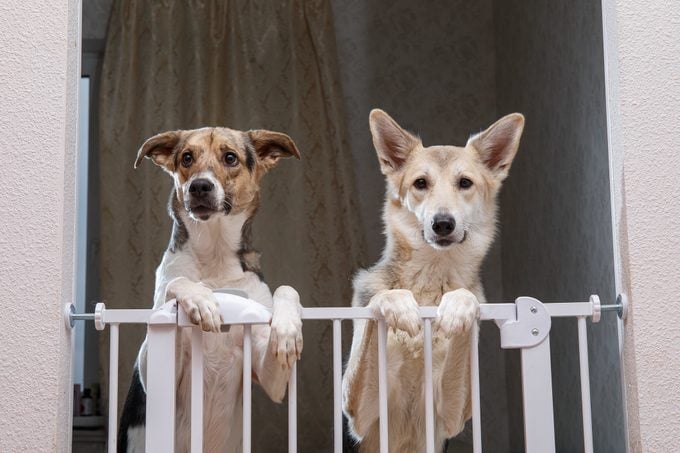
Credit: www.rd.com
Frequently Asked Questions
How Long Can Puppies Stay In A Crate?
Puppies can stay in a crate for a maximum of 3-4 hours. Their small bladders and high energy levels require frequent breaks. Ensure they have ample time outside the crate for exercise and social interaction.
Is It Safe To Crate A Dog Overnight?
Yes, it’s safe for dogs to be crated overnight. Adult dogs can comfortably sleep in a crate for 8 hours. Ensure the crate is comfortable and in a quiet area. Regular breaks during the day are essential.
How Can I Make My Dog’s Crate Time Enjoyable?
Make crate time enjoyable with toys and treats. Include a soft blanket for comfort. Gradually increase crate duration to help them adjust. Always ensure your dog associates the crate with positive experiences.
What If My Dog Dislikes The Crate?
If your dog dislikes the crate, introduce it gradually. Use treats and toys to encourage positive associations. Keep the crate door open initially. Gradually increase the time spent inside as your dog becomes more comfortable.
Conclusion
Finding the right crate time for your dog is essential. Always consider their comfort and needs. Observe your dog’s behavior and adjust crate time accordingly. Shorter periods are better for puppies. Adult dogs can handle longer periods, but not too long.
Provide toys and a cozy space inside the crate. Regular breaks for exercise and playtime are crucial. Your dog’s health and happiness should be the priority. A balanced approach ensures a happy, well-adjusted pet. Listen to your dog’s cues, and make adjustments when necessary.
A caring approach leads to a content and well-behaved dog.


