Thinking about adding a furry friend to your family? Adopting a dog can bring endless joy and companionship into your life.
But before you dive into this heartwarming decision, it’s crucial to understand the costs involved. You might be wondering, “How much is it to adopt a dog? ” This question is more than just about the initial adoption fee. There are various factors to consider, from vet visits to daily care expenses.
Imagine knowing exactly what to expect financially, so you can focus solely on the love and adventure ahead. We’ll guide you through the financial aspects of dog adoption, ensuring you’re fully prepared to welcome your new best friend. Stay tuned to uncover insights that will empower you in making a wise and fulfilling choice.
Initial Adoption Fees
Initial adoption fees for a dog vary, ranging from $50 to $500. These fees often cover vaccinations, spaying or neutering, and microchipping. Prices depend on the dog’s age, breed, and the shelter or rescue organization.
Adopting a dog can be a joyful experience. Yet, it’s essential to understand the costs involved. The initial adoption fees are crucial to consider. These fees cover the basics needed to bring a new dog home. They ensure the dog is healthy and ready for its new family.Understanding Adoption Fees
The adoption fee varies by location and organization. It often includes basic vaccinations and health checks. This fee helps shelters provide care for other animals too.What’s Included In The Fee
Adoption fees usually cover spaying or neutering. They may include microchipping and initial vaccinations. These services ensure your new pet starts with a clean bill of health.Comparing Fees By Shelter Type
Private shelters might charge more than public ones. They often offer additional services and support. Municipal shelters may have lower fees but fewer included services.Discounts And Special Offers
Some shelters offer discounts during special events. They may reduce fees for older dogs or long-term residents. These offers can make adoption more affordable.Budgeting For Your New Pet
Consider all costs before adopting a dog. Initial fees are just the beginning. Plan for food, supplies, and future veterinary care. This ensures you’re prepared for your new family member.
Credit: www.azhumane.org
Vaccinations And Medical Costs
Owning a dog involves costs for vaccinations and medical care. Initial shots may cost between $75 to $100. Regular check-ups and treatments can add to ongoing expenses.
Adopting a dog is a heartwarming experience that brings joy and companionship into your life. However, it’s important to plan for the necessary vaccinations and medical costs to ensure your new friend stays healthy. These expenses are crucial for your dog’s well-being and can vary based on the dog’s age, breed, and overall health. Understanding these costs can help you budget effectively and provide the best care possible for your furry companion.Routine Vaccinations
Routine vaccinations are essential to protect your dog from various diseases. Puppies typically need a series of vaccinations starting from around six to eight weeks of age. These vaccines include protection against rabies, distemper, parvovirus, and more. The cost for these vaccines can range from $75 to $100 for a puppy’s first year. After that, annual booster shots might be necessary, costing between $50 and $75 per year. If you’re adopting an older dog, check their vaccination history to determine what’s needed. You want to ensure they’re up-to-date to prevent outbreaks of infectious diseases.Spaying And Neutering
Spaying and neutering are important procedures that prevent unwanted litters and can offer health benefits. Spaying refers to the removal of the ovaries and uterus in female dogs, while neutering is the removal of the testicles in male dogs. These procedures can cost anywhere from $200 to $500, depending on the dog’s size and age, and the veterinary clinic you choose. Some shelters include this cost in the adoption fee, which can be a significant saving. Consider this: spaying and neutering can also reduce certain behavioral issues, making your dog easier to manage at home. Is this a cost you’re prepared to handle for your dog’s health and peace of mind? Taking these steps ensures your dog is healthy and happy, allowing you to focus on building a lasting bond with your new friend.Microchipping And Licensing
Adopting a dog involves costs like microchipping and licensing. Microchipping is typically around $50, ensuring safety and identification. Licensing fees vary by location, usually ranging from $20 to $100 annually, helping in responsible pet ownership.
Adopting a dog involves more than just choosing a furry friend; it includes essential steps like microchipping and licensing. These might seem like small details, but they play a crucial role in ensuring the safety and legality of your new pet. Microchipping helps in identifying your dog if they ever get lost, while licensing ensures you comply with local regulations.Understanding Microchipping Costs
Microchipping is a simple procedure, but it’s invaluable in keeping your dog safe. The cost can vary depending on your location and the provider. Typically, you might spend around $25 to $50. Consider this a worthy investment for peace of mind. Imagine the relief of knowing your dog can be easily identified if they wander off. Some adoption centers include microchipping in their fees, so check if it’s already covered when adopting.Licensing Your Dog
Licensing is a legal requirement in most places. The fees usually range from $10 to $20 annually, depending on your local government regulations. Licensing not only proves ownership but also helps support community animal control services. Ensure you renew the license annually to avoid fines and keep your pet legally protected.Why Microchipping And Licensing Matter
Both microchipping and licensing are vital for responsible pet ownership. They are not just bureaucratic steps but practical measures that contribute to your dog’s safety and well-being. Have you ever thought about the repercussions of not having these in place? The risks of losing your dog or facing legal issues are real. Make these steps a priority in your adoption process to ensure a happy and secure life for your new four-legged family member.Food And Nutrition
Adopting a dog involves costs like adoption fees, food, and veterinary care. Consider the long-term commitment and potential expenses. Proper nutrition is crucial for your dog’s health, impacting energy levels and overall well-being.
Adopting a dog involves more than just bringing a furry friend into your home; it’s about ensuring their health and happiness through proper food and nutrition. This aspect is crucial, as it can significantly impact your dog’s well-being and longevity. You might be wondering how much you’ll need to budget for this, especially when considering various factors that influence dietary costs. Let’s dive into these details.Quality Dog Food
Quality dog food is the cornerstone of your pet’s diet. While cheaper brands might save you money initially, investing in high-quality food can prevent health issues in the long run. Premium dog food typically contains essential nutrients, vitamins, and minerals tailored to specific breeds and sizes. A friend of mine switched to a higher-quality brand, and her dog’s coat became shinier, and his energy levels skyrocketed. This change not only improved her dog’s health but also reduced visits to the vet, saving money overall. When choosing dog food, read labels carefully. Look for whole ingredients like chicken or beef, rather than fillers like corn or wheat. It’s a small step that makes a big difference in your dog’s nutrition.Special Dietary Needs
Every dog is unique, and some may have special dietary needs that require additional attention. Whether your dog has allergies, requires weight management, or needs a specific nutrient boost, special diets can be more costly. Consider the case of a neighbor whose dog developed a gluten intolerance. She switched to a grain-free diet, which was pricier but crucial for her dog’s health. While the costs increased, the improvement in her dog’s comfort and digestion was undeniable. Consulting with your vet is vital to identify any dietary requirements your dog might have. They can recommend specific products or supplements tailored to your pet’s needs. This not only ensures your dog’s health but also helps you make informed decisions about your budget. Are you prepared to adjust your dog’s diet if needed? Understanding these aspects will help you plan better and ensure your dog’s nutrition is top-notch.Training And Socialization
Training and socialization are crucial when adopting a dog. Proper guidance ensures a well-behaved and happy pet, enhancing your bond. Investing in these aspects can reduce future behavioral issues.
Adopting a dog is a joyful experience. However, it requires commitment. Training and socialization are essential parts of this journey. These processes help your new furry friend adapt well. They ensure your dog becomes a well-behaved and happy family member. Investing time in training builds a strong bond. It helps your dog understand commands and behave properly in different situations.Basic Obedience Classes
Basic obedience classes lay the foundation for good behavior. They cover essential commands like sit, stay, and come. These classes usually occur in group settings. This environment is beneficial for your dog to learn. It helps them interact with other dogs and people. Trainers guide you through the process. They provide useful tips and techniques. These classes are often affordable. Many local pet stores or shelters offer them. Regular practice at home reinforces what your dog learns.Behavioral Training
Behavioral training addresses specific issues. It focuses on problems such as barking, biting, or anxiety. Professional trainers can help with these challenges. They assess your dog’s behavior thoroughly. Then, they develop a customized plan. This training is usually more intensive. It might require one-on-one sessions. Costs can vary based on the complexity. Behavioral training ensures your dog is well-adjusted. It helps create a peaceful home environment.
Credit: www.azhumane.org
Supplies And Accessories
Adopting a dog involves costs for supplies and accessories. Expect expenses for food bowls, a leash, and a comfortable bed. These essentials ensure a smooth transition for your new furry friend.
Adopting a dog is a joyful experience. But it comes with responsibilities. One important aspect is the cost of supplies and accessories. These items ensure your dog’s comfort and safety. They also make daily care easier for you. Let’s explore some essential supplies.Leashes And Collars
Leashes and collars are essential for walks and identification. A sturdy leash helps control your dog during walks. Collars hold ID tags with your contact information. Choose a collar that fits comfortably. Avoid collars that are too tight or too loose.Beds And Crates
Dogs need a cozy place to rest. Beds provide warmth and comfort. Crates are useful for training and travel. They create a safe space for your dog. Consider your dog’s size when choosing beds and crates. Ensure they have enough room to move and stretch.Toys And Enrichment
Toys keep your dog entertained and active. They help prevent boredom. Chew toys promote dental health. Puzzle toys stimulate your dog’s mind. Rotate toys regularly to keep your dog interested. Choose toys that are safe and appropriate for your dog’s size and chewing habits.Grooming And Hygiene
Grooming and hygiene are vital for a dog’s health and happiness. Regular grooming keeps your dog clean and comfortable. It also helps detect any health issues early. Let’s explore the costs and options for maintaining your dog’s grooming and hygiene.
Professional Grooming Services
Professional grooming services offer a range of options. These include baths, haircuts, nail trimming, and ear cleaning. The cost varies based on the dog’s size and breed. Small dogs might cost less, around $30-$50 per session. Larger breeds or those with complex coats could be $70 or more. Visiting a professional ensures your dog gets the best care. They have the right tools and experience for any breed. Regular appointments keep your dog looking and feeling their best.
Home Grooming Tools
Home grooming tools are a cost-effective option. Basic tools include brushes, combs, nail clippers, and dog shampoo. Investing in a good brush can prevent matting and reduce shedding. Nail clippers ensure your dog’s nails stay trim and healthy. Dog shampoo keeps their coat clean and fresh. Initial costs for these tools may range from $50 to $100. Regular home grooming can save money over time. It also provides bonding time with your dog. Learning to groom at home can be simple with practice.
Emergency And Unexpected Expenses
Adopting a dog involves unexpected costs beyond the initial fee. Veterinary care, food, and supplies add up quickly. These expenses can strain budgets if not planned for in advance.
Unexpected costs can surprise new dog owners. Emergency expenses may arise at any time. Planning for these costs ensures peace of mind. Let’s explore some critical aspects to consider.Vet Visits
Emergency vet visits can be costly. Dogs can fall ill suddenly or get injured. Such visits may require treatments or surgeries. Costs vary based on the issue and location. Always have a budget for these unforeseen vet visits.Insurance Considerations
Pet insurance can help manage unexpected costs. It covers vet bills and emergency treatments. Policies vary, so compare options. Consider coverage limits and monthly premiums. Insurance provides financial security during emergencies. Emergency expenses shouldn’t deter you from adopting a dog. Planning helps manage these surprises effectively.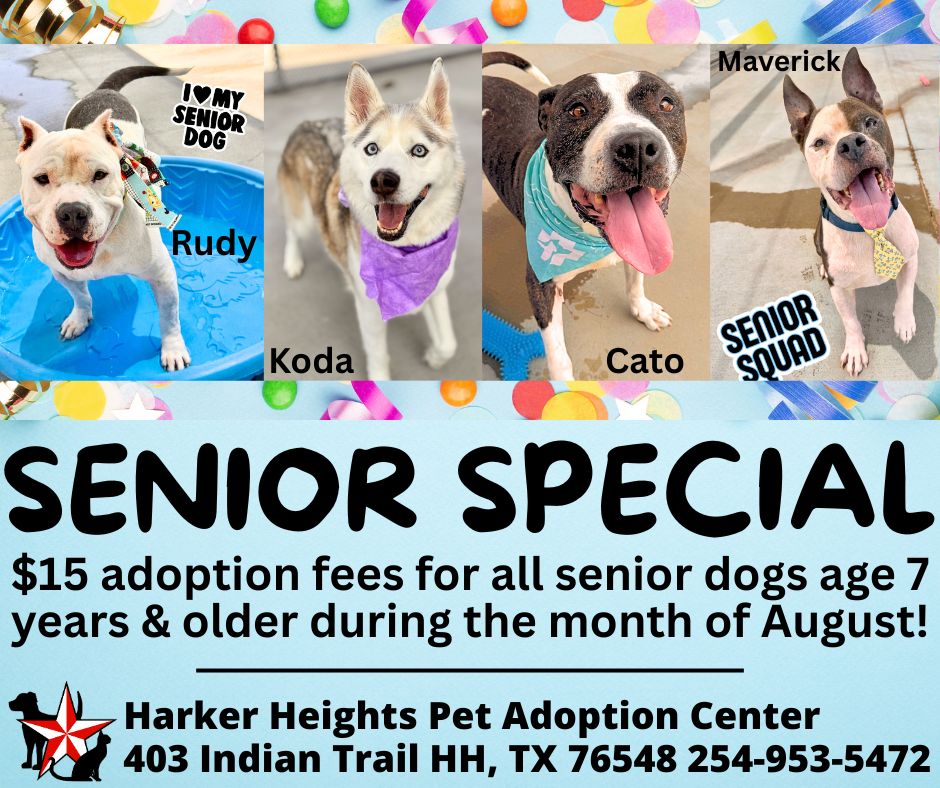
Credit: www.harkerheights.gov
Frequently Asked Questions
How Much Does It Cost To Adopt A Dog?
The cost to adopt a dog varies widely, typically ranging from $50 to $500. Factors influencing the price include the shelter, the dog’s breed, age, and any medical expenses. Some shelters offer discounts or incentives, making adoption more affordable. Always consider ongoing costs like food and healthcare.
Are There Hidden Fees In Dog Adoption?
Yes, sometimes there are hidden fees in dog adoption. Beyond the initial adoption fee, potential costs include vaccinations, spaying/neutering, microchipping, and registration. Some shelters might include these services in the fee, while others charge separately. Always ask for a detailed breakdown of costs before adopting.
What Factors Affect Dog Adoption Costs?
Several factors affect dog adoption costs. These include the dog’s age, breed, and health condition. Puppies and purebreds often cost more. The shelter’s location and included services like vaccinations or spaying/neutering also influence the price. Always inquire about what’s covered in the adoption fee.
Is Dog Adoption Cheaper Than Buying?
Yes, adopting a dog is generally cheaper than buying one. Adoption fees are typically lower than purchasing from breeders or pet stores. Plus, shelters often include initial veterinary care, saving you money. Adopting also supports rescue efforts, contributing to a more humane solution to pet overpopulation.
Conclusion
Adopting a dog is a rewarding experience. Costs vary based on many factors. Shelter fees, vet visits, and supplies add up. It’s crucial to plan and budget. This ensures a happy and healthy pet. Adoption gives dogs a second chance.
The joy they bring is priceless. Consider all expenses before making a decision. Your new best friend awaits! Adopting a dog changes lives, both yours and theirs. So, prepare well and enjoy the journey with your furry companion. Choose wisely and embrace the love a dog brings.
Every wag is worth it.