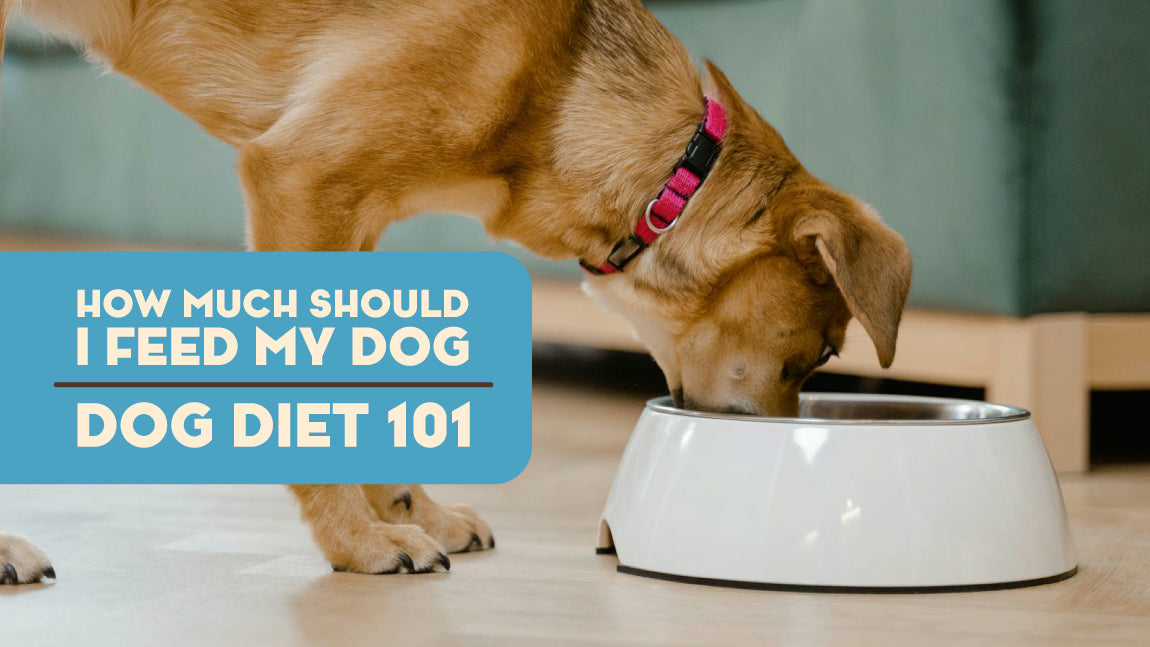
When you bring a dog into your life, one of the first questions you might ask yourself is, “How much should I feed my dog?” It’s a question that can seem straightforward, yet it holds the key to your dog’s health and happiness.
You want your furry friend to be full of energy, ready to play, and thriving. But finding the right balance in their diet can sometimes feel like a puzzle. You might worry about overfeeding or underfeeding, and let’s face it, the look in their eyes when they’re hungry can pull at your heartstrings.
Don’t worry, you’re not alone in this. You will discover clear, simple guidelines to ensure your dog is getting the right amount of food. Let’s dive in and make sure your pup is on the path to a healthy and joyful life!
Credit: www.supremesourcepet.com
Dog’s Nutritional Needs
Feeding the right amount keeps your dog healthy and energetic. Consider age, weight, and activity level for portion size. Balance proteins, fats, and carbohydrates for optimal nutrition.
Understanding your dog’s nutritional needs is key to ensuring a happy, healthy life. Just like us, dogs thrive on a balanced diet tailored to their individual requirements. From understanding the basic nutrients to recognizing the importance of proteins, fats, vitamins, and minerals, let’s dive into what makes up a wholesome diet for your furry friend.Understanding Basic Nutrients
Dogs need a variety of nutrients to maintain their health. These include proteins, fats, carbohydrates, vitamins, and minerals. Each of these nutrients plays a crucial role in different bodily functions. For example, carbohydrates provide energy, while proteins are essential for muscle growth and repair. Fats, on the other hand, are important for maintaining a healthy coat and skin. Have you ever noticed how active your dog becomes after a balanced meal? This is a direct result of the right mix of these nutrients.Role Of Protein And Fats
Proteins are the building blocks of your dog’s body. They help repair tissues and support growth. You can find proteins in meat, fish, and eggs. Fats are equally important as they provide energy and help absorb vitamins. They also play a role in keeping your dog’s coat shiny and skin healthy. Imagine skipping fats in your diet. Your energy levels would drop, and your skin might not look its best. The same applies to dogs.Importance Of Vitamins And Minerals
Vitamins and minerals are vital for your dog’s overall health. They support immune function, bone health, and metabolic processes. For example, Vitamin A is crucial for vision, while calcium supports strong bones. Without these, your dog might not perform at their best. Think about how you feel when you’re low on vitamins. Your dog feels the same, so ensure their diet is packed with these essential nutrients. Feeding your dog isn’t just about filling their bowl. It’s about understanding their needs and providing a balanced diet that supports their lifestyle. How do you ensure your dog gets what they need?Factors Influencing Food Quantity
Deciding how much to feed your dog can sometimes feel like cracking a code. The right portion isn’t just about filling their bowl; it’s about understanding the unique factors that influence their dietary needs. Let’s dive into what matters most when determining the perfect meal size for your furry friend.
Age And Life Stage
Your dog’s age plays a crucial role in how much food they need. Puppies, for instance, require more frequent meals and higher caloric intake to support their growth. As they transition into adulthood, their metabolism slows, and their feeding schedule will change.
Senior dogs might need fewer calories due to decreased activity levels and potential health issues. Consider your dog’s life stage to ensure they get the nutrition they need.
Breed And Size Considerations
Not all dogs are created equal. Larger breeds often require more food to maintain their energy levels, while smaller breeds might need less. But it’s not just about size—some breeds have specific dietary needs.
Take Labradors, for example; they tend to gain weight easily, so portion control is essential. Meanwhile, high-energy breeds like Border Collies might need more to fuel their active lifestyle.
Activity Level And Lifestyle
Think about your dog’s daily routine. Is your dog a couch potato or a canine athlete? Active dogs burn more calories and thus need larger portions to sustain their energy.
If your pup accompanies you on long hikes or loves playing fetch for hours, they’ll require more food compared to a dog that prefers lounging indoors. Adjust their meals based on their activity level to keep them healthy and happy.
Consider these factors when feeding your dog. Are you making adjustments based on their changing needs? Understanding these nuances ensures your dog not only survives but thrives. How can you fine-tune your dog’s diet to suit their unique lifestyle?
Choosing The Right Dog Food
Choosing the right dog food is essential for keeping your furry friend healthy and happy. With so many options available, it can be overwhelming to decide what’s best for your dog. The key is understanding the different types of dog food and knowing how to read nutrition labels and evaluate ingredients effectively.
Types Of Dog Food
Dog food comes in various forms, each catering to different needs and preferences. Dry kibble is popular for its convenience and dental benefits. Wet food offers higher moisture content, ideal for hydration. Raw diets, though controversial, mimic a natural eating pattern with fresh ingredients. Some pet owners opt for homemade meals, providing complete control over their dog’s diet. When choosing, consider your dog’s age, breed, and health conditions.
Reading Nutrition Labels
Nutrition labels can be confusing, but they’re crucial for understanding what goes into your dog’s food. Look for labels that list specific meat sources as the primary ingredient. Avoid foods with vague terms like “meat meal” or “animal by-products.” Check the percentage of protein, fat, and fiber. A balanced diet should have a good ratio of these elements. Is your dog getting enough nutrients from their food?
Evaluating Ingredients
Ingredients can make or break the quality of dog food. Prioritize food with whole, recognizable ingredients like chicken, beef, or fish. Steer clear of artificial preservatives, colors, and flavors. Look for food fortified with vitamins and minerals. Ingredients are listed in order of quantity; the first few should be high-quality sources of protein. A personal tip: if you wouldn’t eat it, don’t feed it to your dog!
Portion Control Strategies
Understanding your dog’s dietary needs is essential for their health. Consider their size, age, and activity level to determine portions. Use a measuring cup to ensure accurate serving sizes, avoiding overfeeding which can lead to obesity.
Portion control is essential for your dog’s health. Feeding the right amount prevents obesity and ensures balanced nutrition. Different strategies help you manage portions effectively.Using Feeding Charts
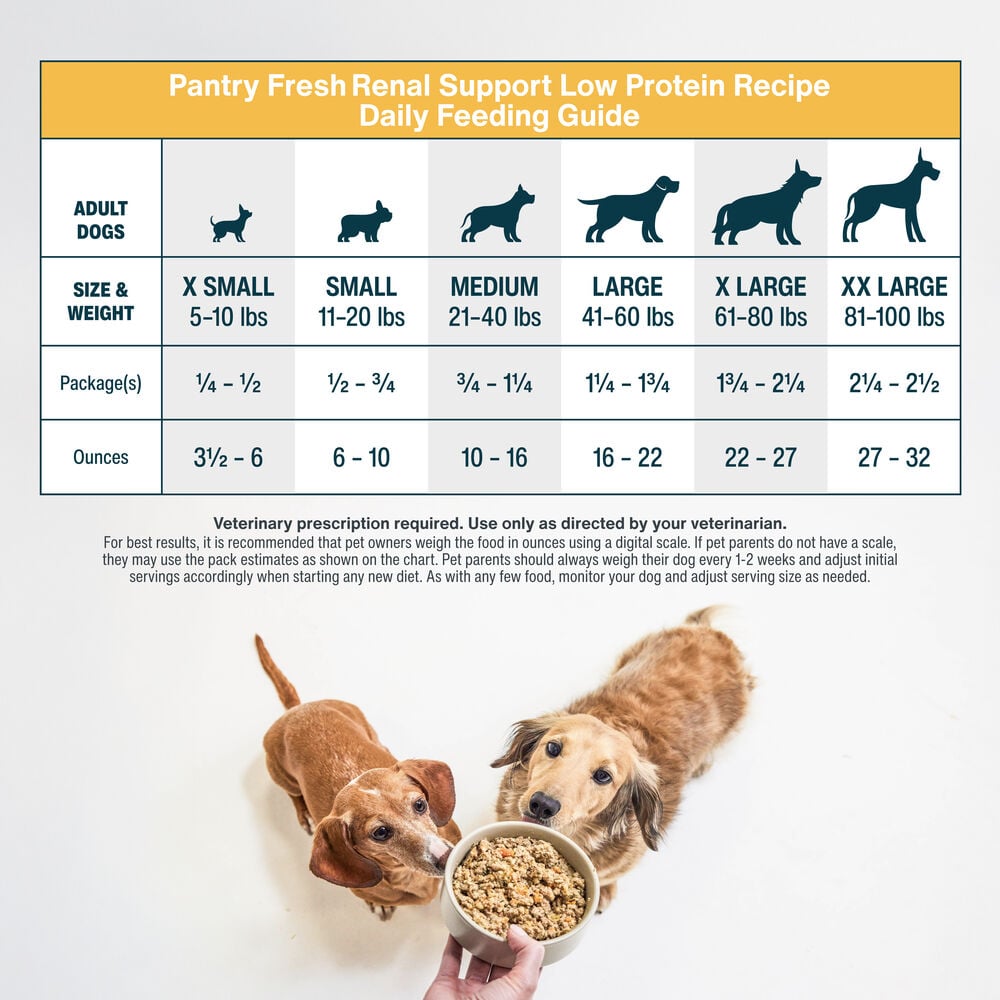
Feeding charts guide you in portion control. They offer a recommended serving size based on your dog’s weight and age. These charts are available on dog food packages or online. They simplify meal planning. Follow these guidelines to avoid overfeeding or underfeeding.Adjusting Portions
Adjust portions according to your dog’s activity level. Active dogs may need more food. Less active dogs require smaller portions. Consider weather changes too. Cold weather might increase appetite. It’s crucial to adapt food amounts accordingly.Monitoring Weight And Health
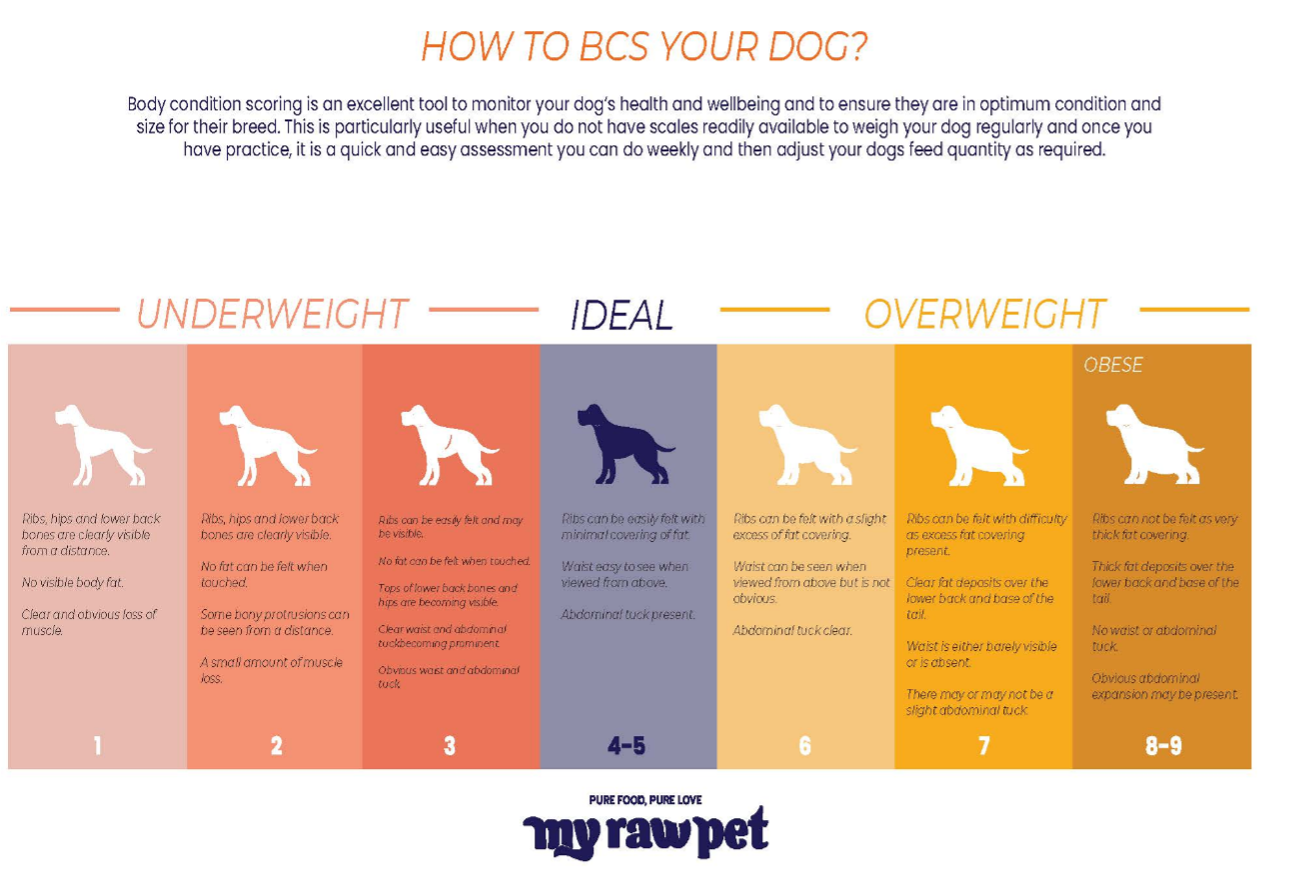
Regularly monitor your dog’s weight. Weigh them every month for accuracy. Check body condition by feeling their ribs. This helps in adjusting food portions. Observe health signs like energy levels and coat condition. These indicators reveal if dietary changes are needed.Common Feeding Mistakes
Determining the right portion size for your dog is crucial. Overfeeding can lead to obesity and health issues. Underfeeding may result in nutrient deficiencies and low energy levels.
Feeding your dog might seem straightforward, but many pet owners unknowingly make common mistakes that can affect their furry friend’s health. Understanding the right balance is essential to ensure your dog thrives. Are you guilty of any of these feeding errors?Overfeeding Risks
Overfeeding is one of the most common mistakes. Dogs have varying needs based on their breed, size, age, and activity level. An excess of food can lead to obesity, which in turn can cause health issues like diabetes and joint problems. Have you noticed your dog gaining weight? It’s crucial to adjust their portions accordingly. Consult your vet to tailor a feeding plan that suits your dog’s unique needs.Underfeeding Impacts
While overfeeding is a concern, underfeeding can be equally harmful. It may lead to malnutrition, impacting your dog’s energy levels, coat quality, and overall health. Have you ever thought your dog might be hungry even after meals? Ensure you’re providing enough food for their size and energy requirements. Regularly monitor their weight and adjust portions as necessary.Treats And Extras
Treats can be a delightful addition to your dog’s diet, but they can also become a sneaky source of extra calories. It’s easy to forget that those little bites add up. Do you reward your dog frequently with treats? Be mindful of how often you give them and consider healthier options like carrot sticks. Balance treats with regular meals to prevent weight gain. Remember, treats should make up no more than 10% of their daily caloric intake. By paying attention to these common feeding mistakes, you can make informed decisions that support your dog’s health and happiness.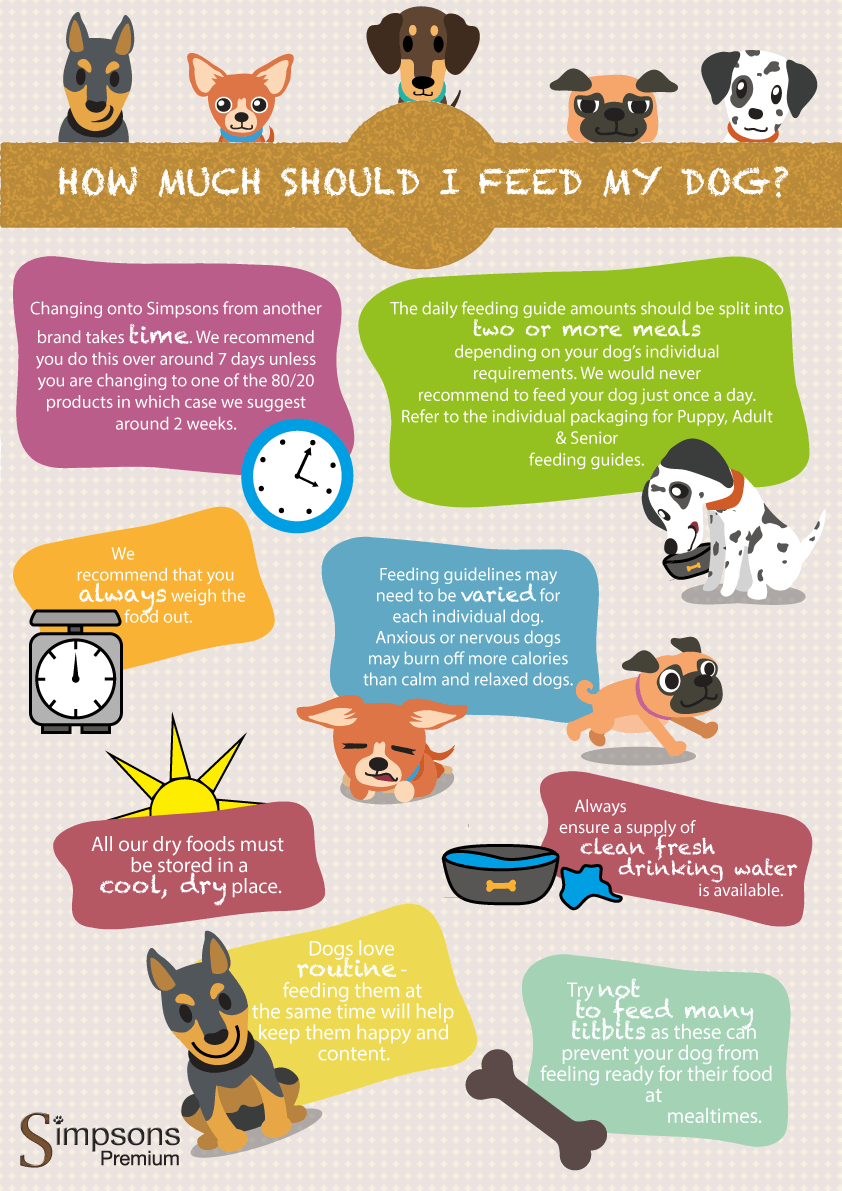
Credit: medium.com
Professional Advice
Feeding your dog the right amount is crucial for their health. Professional advice can guide you in making the best choices for your pet. Understanding your dog’s specific needs is essential. Let’s explore expert advice on feeding your dog.
Consulting A Veterinarian
Veterinarians offer invaluable insights into your dog’s dietary needs. They assess your dog’s age, breed, and health. This helps in determining the right portion size. Regular check-ups ensure your dog maintains a healthy weight. Vets can also spot potential health issues early. Their advice is tailored to your dog’s unique requirements.
Tailoring Diet Plans
Not all dogs have the same dietary needs. Tailored diet plans can address specific health concerns. Your dog’s activity level plays a role in their diet. Active dogs may need more calories. Less active dogs might require fewer calories. A customized plan ensures balanced nutrition for your dog.
Addressing Special Needs
Some dogs have special dietary needs due to health conditions. Allergies, diabetes, and obesity are common concerns. A tailored diet can help manage these issues. Consulting a specialist can provide guidance on special diets. This ensures your dog receives the nutrients they need. Proper nutrition supports their overall well-being.
Credit: myrawpet.co.nz
Frequently Asked Questions
How Often Should I Feed My Dog Daily?
Most dogs thrive on two meals a day. Puppies may need three or more to support growth. Adult dogs generally do well with two meals. The frequency can depend on your dog’s age, size, and activity level. Always consult your vet for personalized advice.
What Factors Influence Dog Feeding Amounts?
Several factors affect how much to feed your dog. These include age, breed, size, activity level, and health. Puppies, active dogs, and larger breeds usually need more calories. Senior or less active dogs may require fewer. Always read food packaging for guidance and adjust as needed.
Can I Change My Dog’s Food Quantity Suddenly?
Avoid sudden changes in your dog’s food quantity. Gradual adjustments help prevent digestive issues. If you need to change the amount, do it over a week. Start by mixing the new amount with the old. Gradually increase the new quantity while decreasing the old.
How Do I Know If My Dog Is Eating Enough?
Monitor your dog’s weight and energy levels. Check for visible ribs or lethargy, which may indicate underfeeding. A healthy dog maintains a steady weight and stays active. If you notice changes, consult your vet for advice on adjusting their diet appropriately.
Conclusion
Finding the right dog food amount is crucial for their health. Consider age, size, and activity level when feeding. Consult your vet for tailored advice. Always monitor your dog’s weight and energy levels. Adjust portions if needed. Remember, a balanced diet ensures a happy and healthy pet.
Keep an eye on your dog’s eating habits. Make feeding a consistent routine. This helps maintain their well-being. Understanding their needs strengthens your bond. Feeding with care shows love and responsibility. Your dog depends on you for nourishment. Give them the best you can.
A healthy dog is a happy companion.


