
You might think crate training is only for puppies, but adult dogs can benefit too. Imagine coming home to a calm, happy dog instead of chewed-up shoes and shredded furniture.
Your furry friend can feel safe and secure when you know how to crate train them properly. This guide is here to help you turn the crate into a cozy retreat for your dog, not a place of dread. Picture a life where your dog is stress-free during car rides and when guests visit.
Intrigued? Keep reading to unlock the secrets to transforming your dog’s behavior and improving your life together.
Benefits Of Crate Training
Crate training an adult dog provides a safe space and reduces anxiety. It simplifies house training and travel. Dogs find comfort and security in their crate, making them feel at ease.
Crate training an adult dog can transform your pet’s behavior and bring peace to your home. It might seem daunting at first, especially if your dog is not used to being in a crate. However, the benefits of crate training can make the effort worthwhile. From safety to stress reduction, crate training can offer practical solutions for both you and your furry friend.Safety And Security
Crate training provides a safe space for your dog, reducing the risk of injury when you’re not around. Imagine coming home to find your dog has chewed through wires or ingested something harmful. A crate can prevent such accidents. It also gives your dog a sense of security, offering a personal retreat when they feel overwhelmed or anxious.House Training Made Easy
Crate training simplifies house training by teaching your dog bladder control. Dogs naturally avoid soiling their sleeping area. With consistent crate use, your dog learns to hold it until they’re let out. This method can be a lifesaver if your adult dog struggles with house-training issues.Travel Convenience
A crate-trained dog travels more comfortably and safely. Whether it’s a short car ride or a plane journey, a crate can provide a familiar environment that keeps your dog calm. When I traveled with my dog, the crate made the journey stress-free for both of us. It’s comforting to know your dog is secure during transit.Stress Reduction
Crates can help reduce stress for both you and your dog. During loud events like thunderstorms or fireworks, a crate can be a haven. I noticed my dog felt less anxious during storms once he associated the crate with safety. It becomes a refuge from chaos, minimizing stress-related behaviors.Preventing Destructive Behavior
A crate can prevent destructive behaviors, like chewing or scratching, especially when you’re not home. Instead of worrying about what your dog might destroy, you can leave the house with peace of mind. A crate-trained dog learns that chewing is not an option when confined, helping eliminate bad habits. Have you considered how crate training could improve your dog’s behavior and your peace of mind? By offering a safe, controlled environment, you can nurture positive habits and reduce anxiety for both you and your dog.Choosing The Right Crate
Choosing the right crate for your adult dog is crucial. It ensures comfort, safety, and successful training. A well-selected crate becomes a cozy haven for your dog. Consider size and material when selecting the perfect crate.
Size Matters
A crate must be spacious enough for your dog to move. Measure your dog from nose to tail. Allow enough room for turning and standing. Too small or too large crates can hinder training. Your dog should feel secure, not cramped.
Material Options
Crates come in various materials: wire, plastic, or fabric. Wire crates offer ventilation and visibility. They are easy to clean and durable. Plastic crates provide more privacy and warmth. They are lightweight and portable. Fabric crates are soft and cozy. They are great for travel but less durable. Choose a material that suits your dog’s needs and lifestyle.
Preparing Your Dog
Crate training an adult dog requires patience and understanding. It’s essential to prepare your dog before starting. By making the crate a safe and comfortable space, your dog will feel more at ease. The goal is to build trust and create a positive experience.
Creating A Positive Association
Introduce the crate as a welcoming place. Place soft bedding inside. Add a favorite toy or treat. Encourage your dog to explore the crate. Praise your dog when it enters. Make the crate a happy spot.
Feed your dog near the crate. Gradually move the bowl inside. This links the crate with positive feelings. Meals become a reward. Your dog will associate the crate with good things.
Gradual Introduction
Start with short sessions. Let your dog enter and leave freely. Don’t force it to stay. Increase time in the crate slowly. Be patient. Each session should be calm and relaxed.
Stay nearby at first. Your presence reassures your dog. Use a calm voice. Speak gently. This builds confidence. Once your dog is comfortable, step away briefly. Return with praise and reassurance.
Training Techniques
Crate training an adult dog involves patience and consistency. Begin with short periods in the crate. Gradually increase time as the dog becomes comfortable.
Training an adult dog can be rewarding with the right techniques. Patience and consistency are key. Adult dogs may take longer to adapt, but they can learn. Focus on methods that encourage positive behavior. Use tools that create a safe and comforting environment. Let’s explore effective training techniques for crate training your adult dog.Short Sessions
Keep training sessions brief. Aim for 5-10 minutes per session. Short sessions help maintain your dog’s attention. Avoid long periods that might overwhelm your dog. End each session on a positive note. This builds your dog’s confidence.Reward Systems
Use treats to reward good behavior. Positive reinforcement encourages your dog to repeat actions. Choose small, healthy treats your dog loves. Praise your dog with a happy voice. Consistent rewards strengthen the training process.Addressing Common Challenges
Addressing common challenges in crate training an adult dog involves patience and consistency. Gradual introduction to the crate helps ease anxiety.
Addressing Common Challenges Crate training an adult dog can be a rewarding experience, but it often comes with its own set of challenges. These can range from anxiety issues to outright resistance to the crate. Understanding these hurdles can help you develop a successful training plan for your furry friend.Separation Anxiety
Separation anxiety is a common challenge when crate training an adult dog. Dogs with separation anxiety may bark, whine, or even try to escape the crate. To address this, start by making the crate a positive space. Place your dog’s favorite toys and treats inside. You could even try feeding your dog in the crate to create positive associations. Gradually increase the time your dog spends inside the crate while you’re at home. This helps them get used to the idea that the crate is a safe and comfortable place, even when you’re not around. Have you noticed any specific triggers that make your dog anxious? Identifying these can be crucial in managing separation anxiety effectively.Resistance To The Crate
Some adult dogs may resist entering the crate altogether. This resistance could stem from previous negative experiences or simply a lack of exposure. To tackle this, patience is key. Start by encouraging your dog to explore the crate without any pressure to stay inside. Use treats and praise to lure them in, rewarding them for any sign of progress. If your dog seems particularly stubborn, consider leaving the crate door open and allowing them to enter and exit freely. This can help them feel more in control and less fearful of being confined. Remember, every dog is unique. What works for one might not work for another. Have you tried different approaches to see what your dog responds to best?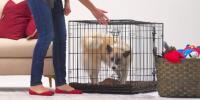
Credit: www.purina.com
Maintaining Progress
Maintaining progress in crate training an adult dog is essential for ensuring long-term success. Once your dog becomes comfortable with the crate, the real challenge is to keep up the positive momentum. This involves dedication, patience, and a few strategic practices that can make a significant difference.
Consistency Is Key
Consistency is the backbone of effective crate training. Stick to a routine that your dog can rely on. Feed your dog at the same times each day and ensure they have regular bathroom breaks.
Always use the same cues and commands. If you say “crate” when you want your dog to enter, use it every time. This helps your dog understand what you expect.
Consistency also means handling setbacks calmly. If your dog has an accident or resists the crate, respond with patience. Avoid showing frustration, as this can confuse your dog.
Regular Practice
Regular practice keeps crate training fresh in your dog’s mind. Even if your dog is doing well, continue to encourage short, positive sessions in the crate.
Use treats and praise to reinforce good behavior. Make these sessions enjoyable, so your dog associates the crate with positive experiences.
Consider varying the timing and length of crate sessions. This helps your dog adapt to different situations, making them more flexible and comfortable with the crate.
Have you ever noticed how your dog responds to routine changes? Regular practice can prevent anxiety and ensure your dog feels secure, no matter the situation.
Safety Considerations
Ensure the crate is the right size for your dog. Gradually introduce the crate in a calm environment. Remove any hazardous items from inside the crate.
Crate training an adult dog requires careful attention to safety considerations. Ensuring that your dog feels secure and comfortable in the crate is crucial for successful training. A crate should be a haven for your furry friend, not a place of anxiety or discomfort.Monitoring Time In Crate
It’s important to monitor how long your dog spends in the crate. While crates are a great tool for training and safety, they should not become a permanent housing solution. Start with short intervals, like 20-30 minutes, and gradually increase the time as your dog becomes more comfortable. Always ensure your dog has had enough exercise and a bathroom break before crating them. Leaving a dog in a crate for too long can lead to stress and even behavioral issues. Consider using a camera to check on your dog if you’re away from home. This will help you understand their comfort level and make necessary adjustments.Ensuring Comfort
Comfort is key when crate training. A soft bed or blanket can make the crate inviting. Remember to choose materials that are easy to clean, just in case of accidents. The size of the crate also matters. Your dog should be able to stand, turn around, and lie down comfortably. A crate that’s too small can cause discomfort, while one that’s too large might not feel secure. Adding a favorite toy or a piece of your clothing can provide comfort and reduce anxiety. Dogs are social animals and enjoy feeling connected to their humans. Ask yourself, does your dog seem happy and relaxed in the crate? If not, adjustments might be needed to improve their experience. Balancing safety and comfort will lead to a positive crate training journey for both you and your dog.
Credit: cincinnatianimalcare.org

Credit: www.monsterk9.com
Frequently Asked Questions
What Age Is Too Late To Crate Train A Dog?
It’s never too late to crate train an adult dog. Dogs are adaptable and can learn new routines. With patience and consistency, adult dogs can become comfortable with crates. Start with short sessions and gradually increase the time. Ensure the crate is a positive, safe space for your dog.
How Long Does Crate Training Take For Adults?
Crate training an adult dog varies by individual. Typically, it takes a few weeks. Consistency, patience, and positive reinforcement are key. Start with short intervals and gradually increase them. Always ensure the crate is a positive environment. Each dog is unique, so adjust the training pace as needed.
Can Crate Training Help With Separation Anxiety?
Yes, crate training can help manage separation anxiety in dogs. A crate provides a safe, secure space for your dog. It can reduce anxiety by mimicking a den-like environment. Introduce the crate gradually and associate it with positive experiences. Always ensure the dog is comfortable and not stressed.
How To Make A Crate Comfortable For A Dog?
To make a crate comfortable, add a soft bed or blanket. Ensure the crate is the right size for your dog. Include familiar toys or items that smell like home. Keep the crate in a quiet, temperature-controlled area. Always ensure your dog has access to water and feels secure.
Conclusion
Crate training an adult dog takes patience and consistency. Start slow and build trust. Make the crate a cozy, inviting space. Use treats and praise to encourage your dog. Establish a routine for crate time. Gradually increase the time spent in the crate.
Be patient with setbacks; they can happen. Always ensure your dog feels safe and comfortable. With time, your dog will see the crate as a safe haven. Remember, each dog learns at their own pace. Stay positive and celebrate small victories.
Consistent effort leads to a happy, crate-trained dog.


