How to Fit a Dog Harness: Simple Steps for Success
Senior Canine Nutritionist & Dog Behavior Specialist at Cozy Dog Go Wellness Lab
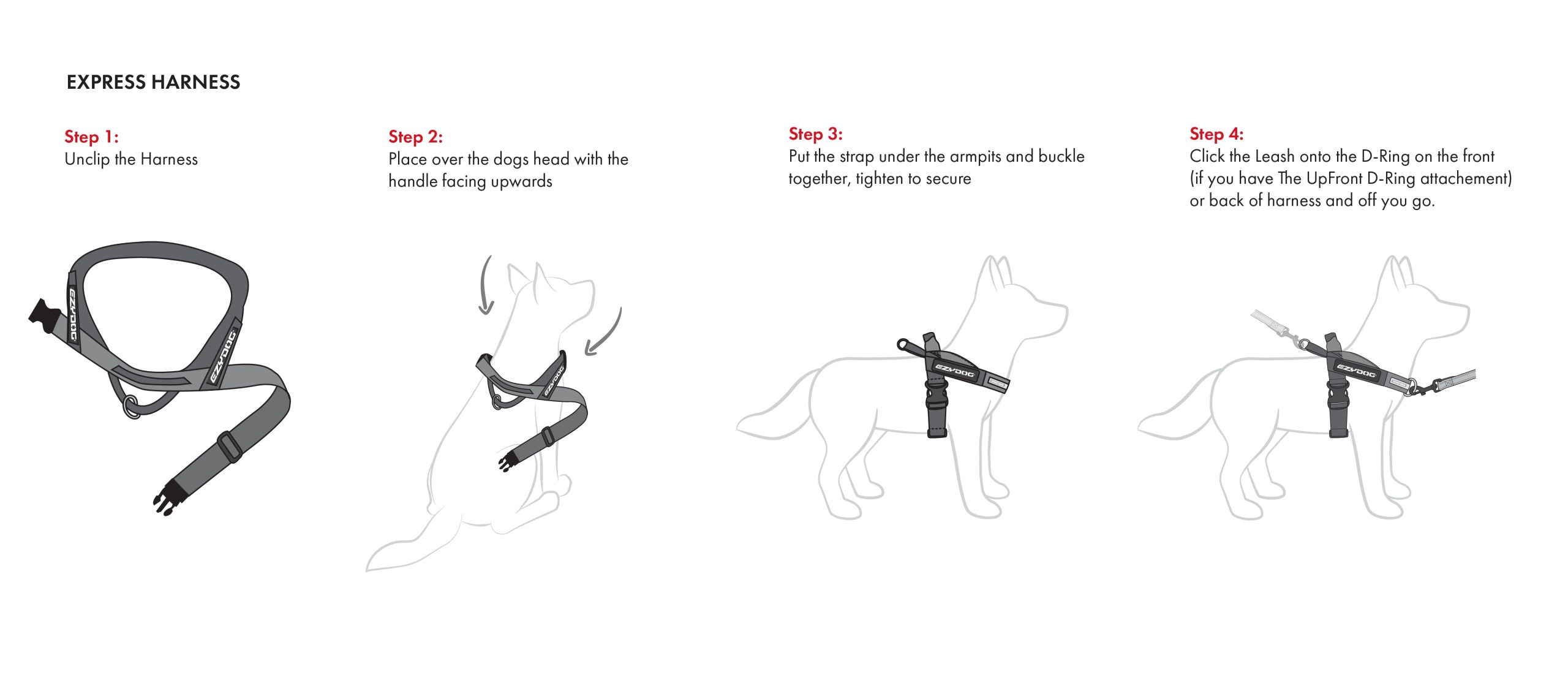
Are you tired of struggling with your dog’s collar every time you go for a walk? Finding the right harness can be a game-changer, offering both comfort and control.
But how do you ensure it fits just right? A poorly fitted harness can lead to discomfort for your furry friend and frustration for you. Whether you’re a seasoned dog owner or a new pet parent, knowing how to fit a dog harness properly is essential.
In this guide, you’ll discover easy steps and expert tips that will make fitting a harness a breeze. Get ready to transform your walking experience and create a stronger bond with your dog. Dive in to learn how a simple change can make all the difference.
Credit: www.instagram.com
Checking For Comfort
Ensure the harness sits snugly, allowing two fingers between the strap and dog’s body. Adjust straps for security without restricting movement. Check for rubbing or discomfort, especially under the arms.
Checking for Comfort Ensuring your dog’s harness fits comfortably is crucial. An ill-fitting harness can cause discomfort or even injury. You want your furry friend to feel relaxed and secure. Here are some key areas to focus on for comfort.Freedom Of Movement
Your dog should move freely without restriction. Check the harness around the shoulders and chest. It should sit snug but not tight. Your dog should walk, run, and jump without difficulty. Test it by moving the harness with your hand. It should glide smoothly without pinching.Skin And Fur Protection
Ensure the harness doesn’t rub or irritate the skin. Examine the straps for any signs of chafing. Soft padding can help protect sensitive areas. Regularly check for mats or tangles in the fur. A well-fitted harness won’t cause fur damage. Watch for redness or soreness as indicators of discomfort. Adjust the harness if you notice any issues.Safety Tips
Ensure the harness fits snugly but comfortably, allowing two fingers’ space between the harness and the dog’s body. Adjust straps for a secure fit, checking that the harness doesn’t chafe or restrict movement. Regularly inspect for wear and tear to maintain safety during walks.
Safety Tips Ensuring your dog’s harness is secure and comfortable is crucial. A well-fitted harness can prevent accidents and injuries. Regular checks can ensure its longevity and effectiveness. Here are some essential safety tips for fitting a dog harness.Regular Inspection
Inspect the harness every time before use. Look for broken clasps or frayed straps. Ensure all parts function properly. Adjust straps to fit snugly but not tightly. This prevents discomfort and potential escape. A good fit is crucial for safety during walks.Signs Of Wear
Check the harness for signs of wear regularly. Frayed edges or loose stitching indicate wear. Replace the harness if you notice any damage. This ensures your dog’s safety and comfort. A worn harness can fail unexpectedly, leading to dangerous situations. Prioritize your dog’s safety with a reliable, well-maintained harness.
Credit: www.youtube.com
Training With The Harness
Ensure the harness fits snugly but not too tight. Adjust straps for comfort and secure the buckle properly. Check that you can fit two fingers between the harness and your dog.
Training with a harness is essential for your dog’s comfort and safety. A well-fitted harness helps guide your dog during walks. It also gives you more control without causing harm. Training your dog to use a harness can be fun and rewarding.Leash Training Basics
Start with short, calm sessions. Attach the leash to the harness and let your dog explore. Keep the leash loose to avoid pulling. Reward your dog with treats for walking calmly beside you. Practice in a quiet area to reduce distractions. Gradually increase the duration of your training sessions.Building Confidence
Introduce the harness slowly to your dog. Allow them to sniff and get familiar with it. Praise and treat your dog for wearing the harness. This builds positive associations. Practice putting the harness on and taking it off. Make it a positive experience. Consistent training will boost your dog’s confidence. They will soon associate the harness with fun walks.Frequently Asked Questions
How Do I Choose The Right Dog Harness?
Selecting the right harness depends on your dog’s size and breed. Measure your dog’s chest and neck to ensure a snug fit. Consider harnesses with adjustable straps for flexibility. Prioritize comfort and durability, and check for easy-to-use buckles. Consult reviews and recommendations for specific harness models.
How Can I Tell If The Harness Fits?
A properly fitted harness should be snug but not tight. Ensure you can fit two fingers between the harness and your dog’s body. Check for signs of discomfort like chafing or restricted movement. The harness should sit evenly and not twist when your dog moves.
What Types Of Dog Harnesses Are Available?
Several harness types cater to different needs. Front-clip harnesses offer better control for pulling dogs. Back-clip harnesses are ideal for calm walkers. Dual-clip harnesses provide versatility. Consider step-in or overhead harnesses based on your dog’s preference. Each type has unique benefits to suit varied walking styles.
How Do I Adjust A Dog Harness?
Adjusting a dog harness involves loosening or tightening the straps. Start by placing the harness on your dog and secure it. Adjust the straps evenly on both sides. Check fit by ensuring two fingers can slide underneath. Make adjustments until your dog is comfortable and secure.
Conclusion
Fitting a dog harness is simple with the right steps. Measure your dog’s size accurately. Choose a style that suits your dog’s needs. Adjust the straps for a snug fit. Ensure comfort by checking for pressure points. Practice putting it on and taking it off.
Your dog will feel secure during walks. A well-fitted harness improves safety and control. Regularly inspect for wear and tear. Replace if it becomes damaged. Following these tips, your dog enjoys every walk comfortably. Remember, a good fit means a happy dog.

Similar Posts