How to Fit Harness on a Dog: Easy Step-by-Step Guide
Senior Canine Nutritionist & Dog Behavior Specialist at Cozy Dog Go Wellness Lab
Getting a dog harness to fit just right can feel like solving a puzzle. You want your furry friend to be comfortable, but also safe and secure.
Imagine walking your dog without the constant worry of them slipping out or feeling uncomfortable. This is where a properly fitted harness comes into play. It’s not just about safety; it’s about giving your dog the freedom to explore with confidence.
In this guide, you’ll discover easy steps to ensure your dog’s harness fits perfectly. By the end, you’ll be able to enjoy stress-free walks, knowing your dog is both comfortable and secure. Ready to turn walks into a joy for both you and your dog? Let’s dive in!
Credit: www.instagram.com
Choosing The Right Harness
Choosing the right harness ensures comfort and safety for your dog. Measure your dog’s chest and neck accurately. Adjust the straps snugly, allowing two fingers to fit between the harness and your dog’s body.
Choosing the right harness for your dog is crucial to ensure comfort and safety during walks or outdoor adventures. A well-fitted harness prevents strain on your dog’s neck and provides better control. But with so many options available, how do you pick the perfect one for your furry friend? Let’s break it down.Types Of Dog Harnesses
When selecting a harness, it’s essential to understand the different types available. Back-clip harnesses are great for small to medium-sized dogs and are easy to put on. Front-clip harnesses offer more control, especially for dogs that tend to pull during walks. Dual-clip harnesses provide versatility with both front and back leash attachment points. Step-in harnesses are ideal for dogs who dislike having things pulled over their heads. Each type has its unique benefits, and your choice should depend on your dog’s behavior and your specific walking needs.Size And Fit Considerations
Ensuring the correct fit is vital for your dog’s comfort and safety. Measure your dog’s chest and neck using a soft tape measure, and refer to the manufacturer’s sizing chart. A harness that’s too tight can cause discomfort, while one that’s too loose may allow your dog to slip out. Check for adjustable straps to fine-tune the fit. A well-fitted harness should allow you to slide two fingers underneath the straps without pinching your dog’s skin. Remember, a proper fit can make the difference between a pleasant walk and a frustrating one.Material And Durability
The harness material can impact your dog’s comfort and the product’s longevity. Nylon and polyester harnesses are lightweight and durable, making them suitable for everyday use. If you have a strong dog, consider a heavy-duty harness with reinforced stitching for added strength. For added comfort, look for harnesses with padded straps that reduce chafing. Reflective materials or stitching enhance visibility during evening walks, ensuring safety. Always prioritize quality over cost—investing in a durable harness can save you money in the long run. Choosing a harness isn’t just about style; it’s about finding what best suits your dog’s needs. What type of harness will make your walks more enjoyable and stress-free?Preparing Your Dog
Properly fitting a harness on your dog ensures comfort and safety. First, choose the right size based on your dog’s measurements. Adjust the straps snugly, allowing room for two fingers between the harness and your dog’s body.
Preparing your dog for a harness fitting is crucial to ensure a smooth and stress-free experience. A relaxed pup is more likely to cooperate, making the process enjoyable for both of you. But how can you help your dog feel comfortable and ready for this new adventure?Calming Techniques
Begin by creating a calming environment. Dim the lights slightly and minimize loud noises. Playing soft, soothing music can help ease your dog’s nerves. Gently petting or massaging your dog can also have a calming effect. Focus on areas like the back and neck where tension tends to gather. Consider using a calming spray or diffuser with dog-safe essential oils. These can provide an added layer of tranquility, helping your dog feel secure.Treats And Rewards
Positive reinforcement is key. Start by showing your dog the harness and rewarding them with a treat for sniffing or approaching it. This builds curiosity and reduces fear. As you progress, offer treats at each stage: when the harness is near, when you touch it to their body, and finally when it’s fitted correctly. This way, your dog associates the harness with positive experiences. A bonus tip: Once the harness is fitted, engage your dog with a fun activity they love, like a walk or playtime. This reinforces the idea that the harness means good things are coming.Adjusting The Harness
Properly fitting a harness ensures your dog’s comfort and safety. Adjust straps snugly, allowing two fingers to fit between the harness and the dog’s body. Ensure the harness sits securely without restricting movement or causing chafing.
Adjusting a dog harness correctly ensures your pet’s safety and comfort. A well-adjusted harness can prevent escape and discomfort. This section guides you through loosening and tightening straps, ensuring a snug fit.Loosening And Tightening Straps
Start by loosening the straps. This makes it easier to put the harness on. Pull each strap gently, ensuring they slide smoothly. Once the harness is on your dog, begin tightening the straps. Adjust each strap evenly, avoiding excessive tightness. Check the fit by slipping two fingers under the harness. This ensures it’s not too tight or too loose.Ensuring Comfort
Comfort is key in harness adjustment. Make sure the straps don’t rub against the skin. Check for any signs of irritation. Adjust the harness around the chest and back. The harness should allow natural movement. Ensure your dog can walk freely without restriction. Regularly check the fit as dogs grow and change. Their comfort depends on your diligence.Securing The Harness
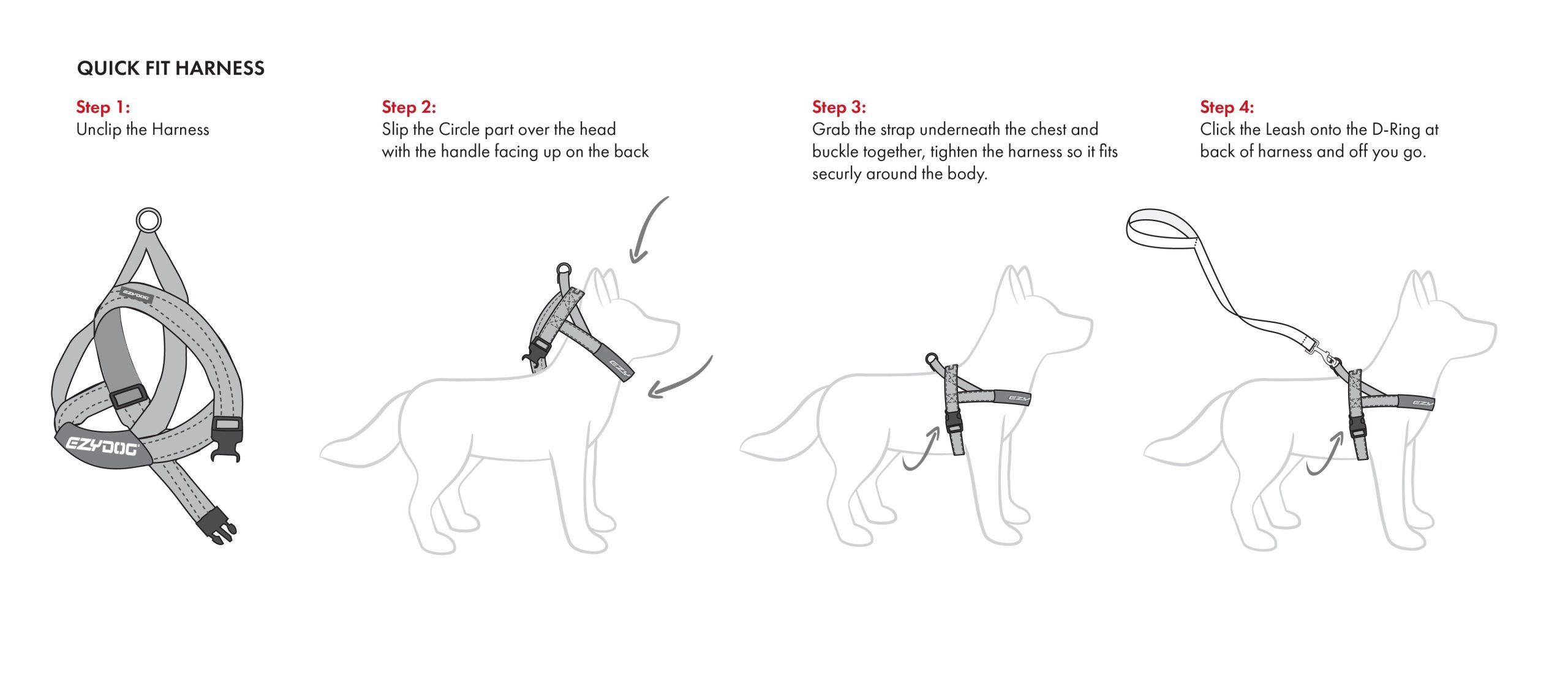
Securing the harness properly ensures your dog’s comfort and safety. Place the harness over the dog’s head, adjust the straps snugly, and ensure it is not too tight or loose. Check for proper fit by slipping two fingers between the harness and your dog’s body.
Securing the harness on your dog is a crucial step to ensure their comfort and safety during walks. A well-fitted harness can make all the difference in your pet’s outdoor experience. It can prevent them from slipping out and give you better control. When securing the harness, take your time to get it right. Your dog will thank you for the comfortable fit.Checking Strap Placement
Make sure the straps sit comfortably on your dog’s body. The chest strap should rest across the chest bone, not the neck. This placement prevents choking and allows better movement. The belly strap should be snug but not tight. You should be able to slide two fingers between the strap and your dog’s skin. If you have a lively dog, double-check the strap placement frequently.Testing Mobility
Once the harness is on, encourage your dog to move around. Watch how they walk, run, and jump. Does the harness stay in place? If your dog seems uncomfortable or hesitant, the harness might be too tight or misaligned. Adjust the straps and observe again. A properly secured harness won’t restrict movement or cause irritation. Try playing a game of fetch or going for a short walk to see how the harness performs. Notice how it affects your dog’s natural gait and behavior. Is your dog happier and more confident?Troubleshooting Common Issues
Ensuring a proper fit for your dog’s harness can prevent discomfort and improve safety. Adjust the straps so the harness sits snugly, without pinching. Check that two fingers fit comfortably between the harness and your dog’s body for the best fit.
Troubleshooting common issues when fitting a harness on your dog is crucial. Many pet owners face challenges that can be easily resolved. Understanding these can improve your dog’s comfort and safety.Dealing With Discomfort
Ensure the harness isn’t too tight or too loose. Check if it fits snugly without pinching the skin. Adjust the straps to avoid chafing. Padded harnesses can reduce irritation. Observe your dog for signs of discomfort. If they constantly scratch or bite the harness, it might be causing pain. Choose a harness made from soft materials. This can prevent skin irritation and discomfort.Addressing Resistance
Some dogs resist wearing a harness initially. Introduce the harness gradually. Let your dog sniff and explore it. Use treats to create a positive association. Start by placing the harness on for short periods. Gradually increase the duration as your dog becomes comfortable. Be patient and gentle. Avoid forcing the harness onto your dog. Consistent positive reinforcement can help ease resistance.Training Your Dog To Wear A Harness
Ensure the harness is the right size for your dog. Gently place it over their head and fasten the buckles securely. Adjust the straps so they sit comfortably without being too tight.
Training your dog to wear a harness can be a rewarding experience for both you and your furry friend. It’s not just about safety; it’s about building trust and ensuring comfort for your dog. The process requires patience and a bit of creativity to make it a positive experience. Let’s dive into some effective strategies to help your dog embrace their new accessory.Gradual Introduction
Start by allowing your dog to sniff and explore the harness without any pressure. Leave it in their favorite spot or next to their toys. This familiarizes them with its presence in a non-threatening way. Next, try draping the harness over their back for a few seconds without fastening it. Reward them with treats and praise. Gradual exposure helps reduce anxiety and builds positive associations. Once your dog seems comfortable, you can begin fastening the harness. Keep the sessions short and sweet, gradually increasing the duration as they become more at ease.Positive Reinforcement
Use treats and verbal praise to encourage your dog when they show interest in or wear the harness. Every time they allow you to put it on, reward them generously. This creates a positive link between the harness and good things. Consider using clicker training to reinforce good behavior. A click followed by a treat can help your dog understand that wearing the harness is a positive action. Remember, consistency is key. Regularly practice putting on the harness, even if you’re not going for a walk. This routine helps your dog associate the harness with fun and rewards, making it a part of their everyday life. Training your dog to wear a harness effectively blends patience, understanding, and positivity. How can you make this journey enjoyable for both of you?Maintaining The Harness
Choosing the right harness ensures your dog’s comfort and safety. Adjust it snugly around the chest and neck. Always check that two fingers can fit between the harness and your dog’s body.
A dog harness is an essential tool that ensures your furry friend’s safety and comfort during walks. But just like any piece of equipment, it requires regular maintenance to stay in top condition. Keeping your dog’s harness clean and intact not only extends its lifespan but also ensures that your dog remains comfortable and secure. Here are some tips on how to properly maintain your dog’s harness.Cleaning Tips
Maintaining a clean harness is crucial for your dog’s health. Dirt and grime can cause skin irritations or infections. To clean the harness, start by checking the material. Most harnesses are made of nylon, which can be easily washed with mild soap and water. Let it air dry completely before using it again. Avoid using harsh detergents, as they might irritate your dog’s skin.Regular Inspections
Inspect your dog’s harness regularly for signs of wear and tear. Frayed edges or loose stitching can compromise your dog’s safety. Run your fingers along the straps to check for any rough patches. These could cause discomfort or even injury to your dog. Look at the buckles and clips. Ensure they snap securely and don’t show any signs of damage. Would you trust a worn-out seatbelt for your safety? Neither should your dog. Regular inspections can save you from unexpected accidents during walks. Consistent maintenance of your dog’s harness is a small task with significant benefits. It ensures your pet’s comfort and safety, and brings peace of mind during every adventure.Credit: www.instagram.com

Credit: ezydog.co.uk
Frequently Asked Questions
How To Choose The Right Harness Size?
Selecting the right harness size is crucial for comfort and safety. Measure your dog’s chest and neck carefully, and consult size charts provided by the manufacturer. Ensure the harness fits snugly but allows room for movement. A correctly sized harness prevents discomfort and ensures effective control during walks.
What Is The Best Harness Type For Dogs?
The best harness type depends on your dog’s needs and behavior. Front-clip harnesses are ideal for pulling dogs, while back-clip harnesses suit calmer dogs. Consider step-in harnesses for ease of use. Evaluate your dog’s walking habits and consult with a pet professional to make an informed choice.
How To Fit A Harness On A Dog?
Fitting a harness requires patience and care. Start by loosening all straps, then slip the harness over your dog’s head. Adjust the straps to ensure a snug fit without pinching. Check for comfort by inserting two fingers between the harness and your dog’s body.
Regularly reassess the fit for growing dogs.
Can A Harness Hurt My Dog?
A poorly fitted harness can cause discomfort or injury. Ensure it’s not too tight or rubbing against your dog’s skin. Regularly inspect the harness for wear and tear, and replace if damaged. Proper fitting and quality materials are key to preventing harm and ensuring your dog’s comfort.
Conclusion
Fitting a dog harness can be simple with practice. Use patience and gentle handling. Make sure the harness is snug but not tight. Check that the straps don’t irritate your dog’s skin. Regularly inspect for wear or damage. Adjust the fit as your dog grows or changes weight.
A well-fitted harness keeps your dog safe and comfortable. Enjoy walks and adventures together. Your dog will thank you with wagging tails and happy barks. Always prioritize your dog’s comfort and safety. Keep learning and adapting for the best fit.
Happy walking!

Similar Posts