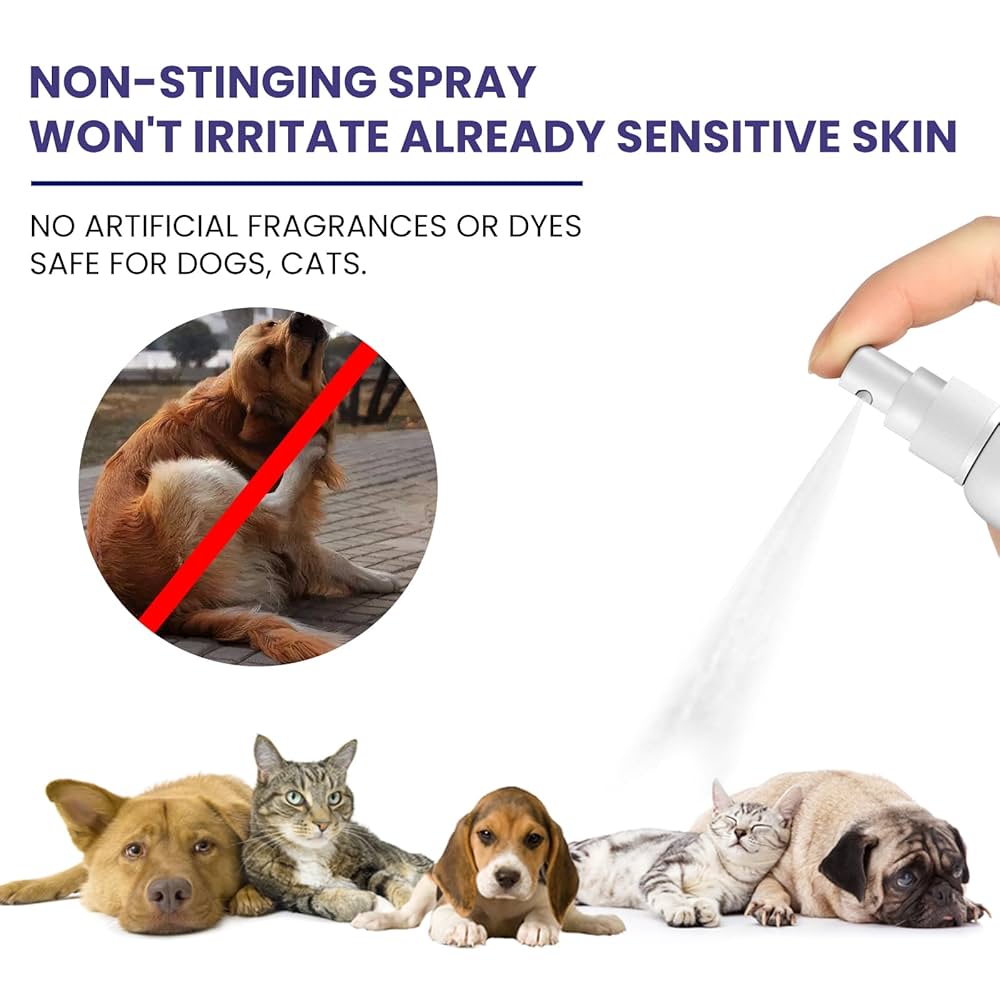
Imagine your furry friend constantly scratching and looking uncomfortable. It’s heartbreaking, isn’t it?
When your dog suffers from itchy skin, it’s not just a minor irritation; it can affect their happiness and well-being. You want to help, but where do you start? The solutions might seem endless and overwhelming. But what if you could quickly ease their discomfort and bring back their playful spirit?
You’ll discover simple and effective ways to soothe your dog’s itchy skin. Whether it’s understanding the root cause or finding the best remedies, you’ll be equipped with the knowledge to make your pup’s life itch-free. So, let’s dive in and explore how you can restore comfort to your beloved companion.

Credit: www.pawparentacademy.com
Causes Of Itchy Skin In Dogs
Understanding the causes of itchy skin in dogs is crucial for providing effective relief and ensuring your furry friend is comfortable. Itchy skin can be triggered by a variety of factors, from allergies to diet, and each requires a different approach for treatment. Let’s explore the common causes that could be affecting your dog’s skin health.
Allergies
Dogs can be allergic to a multitude of things, including pollen, dust, and certain foods. These allergens can cause skin irritation and lead to excessive itching. Have you noticed your dog scratching more during certain seasons? This could be a sign of seasonal allergies. Identifying specific allergens might require a vet’s help, but eliminating them from your dog’s environment or diet can make a big difference.
Parasites
Parasites like fleas, ticks, and mites are notorious for causing itchy skin. Even a single flea can drive your dog into a scratching frenzy. Regularly checking your dog’s coat and using preventive treatments can help keep these pesky invaders at bay. Have you ever tried a flea collar or spot treatment? These can be lifesavers in maintaining your dog’s comfort.
Infections
Bacterial and fungal infections can be another source of irritation. If your dog’s skin appears red or inflamed, it might be dealing with an infection. Consider visiting your vet for a proper diagnosis and treatment plan. Did you know that dogs with long fur are more prone to skin infections? Keeping their coat clean and dry can prevent many issues.
Environmental Factors
Environmental factors like dry air, pollution, or even household cleaning products can contribute to itchy skin. Are you using any new cleaners or air fresheners in your home? These could be causing your dog’s discomfort. Simple changes, like using hypoallergenic products or adding a humidifier, can improve your dog’s skin condition.
Dietary Issues
Diet plays a vital role in skin health. A lack of essential fatty acids or protein can lead to dry, flaky skin. Could your dog’s diet be missing crucial nutrients? Consider adding fish oil or switching to a high-quality dog food with balanced nutrition. Your dog’s skin might thank you with less itching and a healthier coat.
Addressing the root cause of your dog’s itchy skin can bring relief and happiness to both of you. Which of these factors do you think might be affecting your dog? Understanding these common causes can guide you in taking the right steps towards a healthier and itch-free life for your canine companion.
Identifying Symptoms
Identifying the symptoms of itchy skin in dogs is crucial to providing timely relief. Recognizing these signs early can help you take the right steps to ease your dog’s discomfort and prevent further complications. Below, we explore some common symptoms that could indicate your dog is dealing with itchy skin.
Frequent Scratching
Has your dog been scratching more than usual? Frequent scratching is often the first sign of skin irritation. It’s important to monitor how often your dog scratches as it could indicate underlying issues like allergies or parasites.
Redness And Irritation
Check your dog’s skin for redness or visible irritation. These signs can often be found around the paws, ears, and belly. Persistent redness may require a visit to your vet to rule out infections.
Dry And Flaky Skin
Dry, flaky skin can be as uncomfortable for dogs as it is for humans. You might notice dandruff-like flakes on their coat or bedding. Consider evaluating their diet or using moisturizing shampoos to help alleviate this issue.
Hair Loss
Hair loss in patches can be alarming and is often a sign of severe skin irritation. Look for bald spots or thinning fur, which could indicate problems like mange or ringworm. Seeking professional advice in such cases is often the best course of action.
How closely are you observing these symptoms in your furry friend? Addressing them early can make all the difference in your dog’s comfort and health.
Home Remedies For Relief
Itchy skin can make your dog uncomfortable and restless. Many pet owners seek natural remedies to provide quick relief. Home treatments can soothe your dog’s skin without harsh chemicals. Let’s explore some effective remedies you can try at home.
Oatmeal Baths
Oatmeal baths can calm irritated skin and reduce itching. Grind plain oatmeal into a fine powder. Add it to warm bath water and stir well. Let your dog soak for 10 minutes. Oatmeal helps moisturize dry skin and relieve discomfort.
Coconut Oil Application
Coconut oil is a natural moisturizer that can ease itchy skin. Apply a small amount to the affected area. Gently massage it in. Coconut oil has antibacterial properties that can help heal skin issues.
Aloe Vera Gel
Aloe vera gel is soothing for many skin problems. Use pure aloe vera gel from the plant. Apply it directly to your dog’s itchy spots. It cools and heals inflamed skin quickly.
Herbal Supplements
Herbal supplements can boost skin health from the inside. Consider adding chamomile or calendula to your dog’s diet. These herbs have anti-inflammatory effects. Always consult your vet before introducing new supplements.

Credit: www.facebook.com
Dietary Changes For Skin Health
Dietary changes can significantly improve your dog’s itchy skin. Nutrition plays a vital role in maintaining healthy skin. Adjusting your dog’s diet can reduce irritation and promote healing. Consider these key dietary elements to support skin health.
Omega-3 Fatty Acids
Omega-3 fatty acids are essential for skin health. They help reduce inflammation and soothe itchy skin. Include foods rich in omega-3s like fish oil or flaxseed. These nutrients promote a shiny coat and healthy skin.
Balanced Nutrition
Ensure your dog receives a balanced diet. A mix of proteins, fats, and carbohydrates is crucial. Each nutrient supports different aspects of skin health. Proper nutrition strengthens the immune system and helps repair skin barriers.
Avoiding Common Allergens
Identify and eliminate common allergens from your dog’s diet. Allergens can trigger skin reactions. Common allergens include dairy, wheat, and soy. Switching to hypoallergenic food can prevent flare-ups and soothe skin irritation.
Medical Treatments
Help your dog’s itchy skin with soothing oatmeal baths or coconut oil massages. Regular grooming can prevent irritation.
When your furry friend is constantly scratching, it can be hard to watch. While home remedies can offer relief, sometimes medical treatments are necessary to tackle more severe cases of itchy skin. Consulting with a veterinarian can lead you to effective solutions that provide your dog with comfort and relief. Let’s explore some of the common medical treatments available.Antihistamines
Antihistamines can be a game-changer for dogs suffering from allergies. These medications work by blocking the effects of histamine, a substance produced during allergic reactions. Imagine your dog experiencing less itching and more comfort. You might be surprised at how quickly they can start feeling better. However, it’s crucial to get the right dosage and specific type from your vet, as not all antihistamines are suitable for dogs.Steroid Therapy
Steroid therapy is another powerful option for managing severe itching. Steroids can dramatically reduce inflammation and provide quick relief. But what about potential side effects? While effective, steroids can also lead to increased thirst and appetite, and long-term use might have other consequences. It’s worth discussing these with your vet to weigh the pros and cons based on your dog’s needs.Antibiotics
If the itching is caused by a bacterial infection, antibiotics might be necessary. These medications can eradicate the bacteria, helping your dog’s skin heal. It’s amazing how quickly your dog’s skin can improve once the infection is under control. Remember, completing the prescribed course is vital to prevent antibiotic resistance and ensure full recovery. Each of these treatments has its place in managing itchy skin. How do you decide which is right for your dog? Working closely with your vet can help you make informed choices that benefit your furry companion’s health and happiness.
Credit: www.amazon.ca
Preventive Measures
Regular grooming and baths with hypoallergenic shampoos can reduce dog itchy skin. Providing a balanced diet with omega-3 fatty acids supports skin health. Keep your dog’s environment clean and free from allergens to prevent irritation.
Caring for your dog’s skin is crucial to prevent those pesky itches that can make your furry friend uncomfortable. By taking some preventive measures, you can significantly reduce the likelihood of itchy skin, keeping your dog happy and healthy. Below, you’ll find some simple yet effective strategies to maintain your dog’s skin in top condition.Regular Grooming
Regular grooming is more than just keeping your dog looking neat. It plays a vital role in maintaining healthy skin. Brushing your dog’s coat helps remove dirt, dead skin, and loose hair, which can all contribute to skin irritation. Imagine your own experience after skipping a hair wash—uncomfortable, right? Consistent grooming can prevent that discomfort for your dog. Try setting aside time each week for a grooming session. It’s a wonderful opportunity to bond with your pet while taking care of their needs.Flea And Tick Control
Fleas and ticks are notorious for causing itchy skin. It’s essential to implement a reliable flea and tick control strategy. There are various options available, from topical treatments to flea collars. Have you ever had an unexpected mosquito bite? It’s similar to how your dog feels with fleas. Make sure to consult your vet to choose the best product for your dog’s size and lifestyle. Regular checks and prompt action can prevent infestations from causing skin issues.Moisturizing Products
Dry skin is a common cause of itchiness in dogs. Using moisturizing products can help maintain the skin’s natural oils. Look for pet-safe moisturizers or shampoos with oatmeal or aloe vera. Remember how soothing it is to apply lotion to dry skin? The same relief applies to your dog. You can find products specifically designed to soothe and hydrate your pet’s skin, providing relief from dryness and itchiness. Make it a habit to check labels and choose products free from harsh chemicals. By taking these preventive measures, you’re not just avoiding itchy skin but also promoting overall well-being for your dog. Which method do you think will make the biggest difference in your dog’s life? Start today and notice the positive changes in their comfort and happiness.When To Consult A Veterinarian
Persistent itching in dogs might need professional help. Consult a veterinarian if home remedies don’t relieve your dog’s itchy skin. Early intervention can prevent further discomfort or underlying health issues.
When your furry friend experiences itchy skin, it can be distressing for both of you. While some cases of itchiness can be managed at home, there are situations when a veterinarian’s expertise becomes essential. Knowing when to seek professional help can prevent further complications and ensure your dog receives the appropriate care.Persistent Symptoms
If your dog’s itchy skin persists despite home remedies, it’s time to consult a veterinarian. Constant scratching or licking could indicate a more serious condition. A vet can assess whether there’s an underlying allergy or infection that needs specific treatment.Severe Reactions
Severe reactions like swelling, redness, or bleeding require immediate veterinary attention. These symptoms might be signs of a skin infection or allergic reaction that could escalate quickly. Don’t wait for symptoms to worsen—prompt action can make a significant difference.Underlying Health Issues
Sometimes, itchy skin is a symptom of an underlying health issue. Conditions like hypothyroidism or autoimmune diseases can manifest as skin problems. A veterinarian can conduct tests to determine if there’s a deeper health concern affecting your dog. Recognizing these signs and knowing when to consult a veterinarian can save your dog from unnecessary discomfort. Have you ever had to make a quick call to the vet when your dog showed unusual symptoms? Your proactive approach could be the key to your pet’s wellbeing.Frequently Asked Questions
What Causes Itchy Skin In Dogs?
Itchy skin in dogs can be due to allergies, parasites, or infections. Common allergens include pollen, food, and flea bites. Parasites like mites also cause irritation. It’s crucial to identify the underlying issue for effective treatment. Regular vet check-ups can help prevent and manage skin problems.
How Can I Soothe My Dog’s Itchy Skin?
To soothe your dog’s itchy skin, try oatmeal baths or aloe vera. These natural remedies can provide relief and moisture. Over-the-counter antihistamines may also help. Consult your vet for appropriate medication if the itchiness persists. Always ensure your dog’s diet is balanced to support skin health.
Are Home Remedies Effective For Dog Itchiness?
Home remedies can be effective for mild itchiness. Oatmeal baths and coconut oil are popular choices. They provide soothing relief and hydration. However, severe or persistent itchiness requires veterinary attention. It’s important to monitor your dog’s symptoms and adjust treatments as needed.
Can Diet Changes Help With Dog Skin Issues?
Yes, diet changes can help with dog skin issues. Omega-3 fatty acids support healthy skin. Consider adding fish oil supplements. Identify and eliminate allergens, such as certain proteins or grains. Consult your vet for tailored dietary advice. A balanced diet strengthens your dog’s immune system and skin health.
Conclusion
Caring for your dog’s itchy skin is important. Simple changes can help. Choose the right shampoo. Provide a balanced diet. Keep your dog hydrated. Regular vet check-ups are crucial. Watch for signs of allergies. Use natural remedies cautiously. Always consult your vet first.
A healthy lifestyle makes a big difference. Your dog deserves comfort and care. By following these tips, you can help reduce itching. Your furry friend will be happier and healthier. Small efforts can lead to big results. Keep your dog’s well-being a priority.
Enjoy your time with your pet.


