Does your furry friend seem uncomfortable, constantly scratching or rubbing against surfaces? If you’ve noticed flakes, redness, or irritation on your dog’s skin, you’re not alone.
Dry skin is a common issue for many dogs, and it can lead to discomfort and even more serious health problems if not addressed. But don’t worry—there are simple and effective ways to help your dog feel better. Imagine seeing your dog happy and itch-free, wagging their tail with joy.
Your dog’s health and comfort are within your control, and this article will guide you through practical steps to soothe and heal your dog’s dry skin. Dive in and discover how to make your dog’s life more comfortable and your bond stronger than ever.

Credit: lavengel.com
Causes Of Dry Skin In Dogs
Dry skin in dogs often stems from allergies, poor nutrition, or harsh weather conditions. Ensure proper hydration and a balanced diet to alleviate discomfort. Regular grooming and using dog-friendly moisturizers can also help maintain healthy skin.
Causes of Dry Skin in Dogs Understanding why a dog suffers from dry skin can be challenging. Many factors can contribute to this issue. Knowing these causes helps in providing relief and care.Environmental Factors
Dry air, cold weather, and low humidity can dry out a dog’s skin. Frequent bathing, especially with harsh shampoos, strips natural oils. Dust and pollen can also irritate sensitive skin.Dietary Influences
A poor diet lacking essential nutrients affects skin health. Insufficient omega-3 fatty acids can lead to dryness. Low-quality dog food may not provide enough vitamins and minerals.Genetic Predispositions
Some breeds are prone to skin issues. Bulldogs, Terriers, and Retrievers often face this problem. Genetics play a big role in skin health and conditions.Medical Conditions
Allergies and infections cause dry, itchy skin. Fleas, ticks, and mites can worsen the situation. Hormonal imbalances like hypothyroidism also contribute to skin dryness.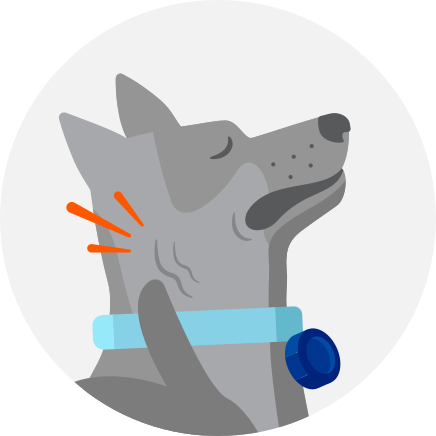
Credit: www.banfield.com
Symptoms To Watch For
Recognizing the symptoms of dry skin in your dog is crucial to ensuring their comfort and health. Dry skin can be more than just a nuisance; it can lead to discomfort and potential health issues. As a responsible pet owner, you’ll want to keep an eye out for various signs that might indicate your furry friend is struggling with dry skin.
Visible Signs
One of the most apparent signs is flakiness. You might notice dandruff-like flakes on their coat or around their bedding. Another visible indication is redness or irritation. Check your dog’s skin during grooming sessions for any unusual color changes. Additionally, a dull coat can be a tell-tale sign. If your dog’s fur lacks its usual shine, it might be due to underlying skin dryness.
Behavioral Changes
Pay attention to how your dog behaves. Excessive scratching or licking is often a response to discomfort from dry skin. You might also notice them rubbing against furniture more frequently. If your dog seems restless or unusually agitated, it could be due to the irritation caused by dry skin.
Common Problem Areas
Some parts of your dog’s body are more prone to dry skin than others. Check areas like the ears, elbows, and belly for dryness. These spots often have less fur and are more exposed, making them susceptible to irritation. Don’t forget to examine their paws; cracked paw pads can be another indication of skin dryness.
Are you noticing any of these symptoms in your pet? It’s essential to address them promptly to keep your dog happy and healthy. What steps will you take to ensure your furry friend stays comfortable and free from dry skin issues?
Nutritional Solutions
Dry skin can make your dog uncomfortable and itchy. Nutritional solutions can help soothe their skin and improve overall health. Feeding your dog the right nutrients can support skin hydration and repair. Here are some essential nutrients to consider.
Essential Fatty Acids
Fatty acids are crucial for healthy skin. Omega-3 and omega-6 fatty acids help maintain moisture. These nutrients reduce inflammation and promote a glossy coat. Fish oil and flaxseed oil are rich sources. Consider adding these oils to your dog’s diet. They can make a noticeable difference in skin health.
Hydration Importance
Proper hydration is vital for skin health. Water helps maintain skin elasticity and moisture. Ensure your dog has access to fresh water at all times. Wet dog food can also boost hydration levels. Dehydration can worsen dry skin issues.
Skin-healthy Supplements
Supplements can support skin health. Vitamin E and biotin are beneficial for skin and coat. These vitamins can improve skin texture and reduce dryness. Consult your vet before adding supplements to your dog’s diet. They can recommend the right dosage and products.
Grooming Techniques
Regular brushing removes dead skin and promotes circulation. Use a gentle, moisturizing shampoo during baths. Adding omega-3 supplements to their diet can improve skin health and moisture.
Grooming Techniques can play a crucial role in alleviating dry skin in dogs. With the right approach, you can significantly enhance your dog’s comfort and well-being. Each grooming session is an opportunity to bond with your furry friend while addressing skin issues.Proper Bathing Practices
Bathing your dog too frequently can strip away natural oils, worsening dry skin. Aim for a bath every 4-6 weeks using a mild, moisturizing shampoo. Always rinse thoroughly to avoid leaving any residue that might irritate the skin. Consider the water temperature. Lukewarm water is ideal, as hot water can exacerbate dryness. After bathing, gently pat your dog’s fur with a towel. Avoid vigorous rubbing which can further irritate the skin.Brushing Tips
Regular brushing is essential to distribute natural oils and remove dead skin cells. Choose a brush suitable for your dog’s coat type. For example, a slicker brush works well for long-haired breeds. Brushing should be a gentle experience. Start from the head and work your way down to the tail. Be attentive to your dog’s reactions—if they seem uncomfortable, adjust your technique.Moisturizing Products
After grooming, consider using a moisturizing spray or leave-in conditioner. Look for products with natural ingredients like aloe vera or oatmeal. These can soothe and hydrate your dog’s skin effectively. You might wonder about using coconut oil. It’s a popular choice due to its natural properties. Apply a small amount to your hands and gently massage it into your dog’s skin, focusing on dry areas. Remember, each dog is unique. Pay attention to how your dog responds to different grooming techniques. What works wonders for one might not be ideal for another. What grooming methods have you found effective for your dog?Home Remedies
Coconut oil can soothe a dog’s dry skin. It moisturizes and relieves itching. Bathing your dog with oatmeal can help too. Oatmeal calms irritation and hydrates the skin, providing comfort and relief.
Dealing with a dog’s dry skin can be a challenge. You might notice your furry friend scratching more than usual, or see flakes in their fur. But don’t worry—there are simple home remedies that can help soothe and hydrate your dog’s skin. These remedies are not only cost-effective but also use natural ingredients that are gentle and safe for your pet. Let’s dive into some effective methods to help your dog feel more comfortable.Natural Oils
Natural oils are fantastic for moisturizing your dog’s skin. Coconut oil is especially popular due to its antibacterial properties and ability to hydrate. Simply warm a small amount in your hands and gently massage it into your dog’s skin. Olive oil is another great option; you can add a teaspoon to your dog’s food to promote healthy skin from within. Just remember to start with small amounts to see how your dog reacts.Herbal Remedies
Herbs can work wonders for dry skin. Chamomile and calendula have soothing properties that can reduce irritation. You can create a herbal rinse by steeping these herbs in hot water, letting it cool, and then gently applying it to your dog’s coat. This method not only calms itchiness but also offers a refreshing scent. Imagine how relieved your dog will feel after a soothing herbal bath!Diy Treatments
DIY treatments are a fun and effective way to tackle dry skin. You can make a simple oatmeal paste by blending oats and mixing them with water. Apply this paste directly to your dog’s skin and let it sit for a few minutes before rinsing it off. Oatmeal is known for its anti-inflammatory properties and can provide immediate relief. Another idea is to use a mixture of apple cider vinegar and water as a rinse to balance skin pH and reduce dryness. Which DIY treatment will you try first?Professional Treatments
Dealing with a dog that has dry skin can be frustrating, both for you and your furry friend. Professional treatments can offer significant relief and ensure your dog remains comfortable and healthy. By seeking expert advice, using specialized products, and adopting tailored diet plans, you can effectively address your dog’s dry skin issues.
Veterinarian Advice
Your veterinarian is your best ally in tackling dry skin in dogs. They can identify underlying causes such as allergies, parasites, or hormonal imbalances. A professional diagnosis ensures that the treatment plan is tailored specifically to your dog’s needs.
Have you ever considered how a simple change in environment or routine might affect your dog’s skin? A vet can help pinpoint these subtle triggers and offer practical solutions. Trust in their expertise to guide you through making informed decisions about your pet’s health.
Medicated Shampoos
Medicated shampoos can work wonders in soothing dry and itchy skin. These shampoos often contain ingredients like oatmeal, aloe vera, or essential fatty acids that hydrate and nourish the skin. Regular use can reduce flakiness and alleviate discomfort.
Imagine the relief your dog feels after a soothing bath that calms their irritated skin. Choose products recommended by your vet to ensure they are safe and effective. Consistency is key—make bath time a regular ritual for optimal results.
Specialized Diet Plans
Diet plays a crucial role in your dog’s skin health. A specialized diet plan rich in omega-3 and omega-6 fatty acids can improve skin hydration and elasticity. Discuss with your vet about incorporating foods like fish oil or flaxseed into your dog’s meals.
Have you noticed any changes in your dog’s coat after switching to a new diet? A well-balanced diet can enhance not just skin health but overall vitality. Keep an eye on your pet’s response and adjust their diet to meet their specific needs.
Preventive Measures
Moisturize your dog’s skin with natural oils like coconut or olive oil. Ensure a balanced diet rich in omega-3 fatty acids. Regular grooming helps remove dry skin and promotes healthy fur.
Preventive MeasuresHelping your dog maintain healthy skin isn’t just about treating issues as they arise—it’s about preventing them. Preventive measures can be your best ally in keeping your furry friend’s skin soft and itch-free. By focusing on a few key areas, you can make a big difference in your dog’s skin health.Regular Health Checks
Regular visits to the vet can catch potential skin issues before they escalate. During these check-ups, your vet can identify signs of dryness or allergies. Make these visits a routine part of your dog’s health care to ensure any skin problems are addressed early. At home, get into the habit of checking your dog’s skin and coat. Look for flakes, redness, or unusual spots. Catching these early can prevent discomfort and more serious problems later.Balanced Diet
A balanced diet is crucial for healthy skin. Ensure your dog’s food contains essential fatty acids like omega-3 and omega-6. These nutrients play a vital role in keeping the skin hydrated and supple. Consider adding supplements if your dog’s diet lacks these nutrients. Always consult your vet before making changes to your dog’s diet. They can recommend the best food and supplements to support your dog’s skin health.Environmental Adjustments
Your dog’s environment significantly impacts their skin health. If the air in your home is dry, consider using a humidifier. This can help prevent your dog’s skin from drying out, especially in colder months. Be mindful of the cleaning products you use around the house. Harsh chemicals can irritate your dog’s skin. Opt for pet-safe products to create a healthier living space for your furry friend. Have you noticed how your dog reacts to certain areas in the house? Sometimes, changing their bedding material or even their favorite resting spot can make a difference. Simple adjustments can go a long way in keeping your dog’s skin healthy and comfortable.When To Seek Help
Consult a vet if your dog’s dry skin persists despite home treatments. Unusual redness or irritation may indicate more serious issues. Professional advice ensures proper care and relief for your pet.
When your furry friend suffers from dry skin, it can be distressing. Sometimes, home remedies aren’t enough. Knowing when to seek professional help is vital. Your dog’s health is important, and sometimes expert guidance is necessary.Severe Symptoms
Watch for severe symptoms like excessive scratching or bleeding. Open sores or redness can indicate a serious issue. If your dog’s skin appears inflamed or infected, it’s time to act. These signs may need immediate medical attention. Don’t wait too long, as this could worsen your dog’s condition.Persistent Issues
Is your dog’s dry skin not improving? If it persists despite home treatments, consult a vet. Chronic skin problems might point to underlying health issues. Persistent dryness can lead to discomfort and other complications. Don’t let your dog suffer needlessly.Expert Consultation
Sometimes, expert advice is the best option. A vet can provide a thorough examination. They might suggest special treatments or dietary changes. Professional guidance ensures your dog receives the best care. Prioritize your pet’s health and well-being.
Credit: petfriendlybox.com
Frequently Asked Questions
What Causes Dry Skin In Dogs?
Dry skin in dogs can result from various factors. Common causes include allergies, parasites, and environmental conditions. Nutritional deficiencies or underlying health issues may also contribute. Identifying the specific cause can help in choosing the appropriate treatment to relieve your dog’s discomfort.
How Can I Soothe My Dog’s Dry Skin?
To soothe your dog’s dry skin, use moisturizing shampoos and conditioners specifically formulated for pets. Dietary changes, like adding omega-3 fatty acids, can improve skin health. Regular grooming and maintaining a humid environment can also help keep your dog’s skin hydrated.
Are Natural Remedies Effective For Dog Dry Skin?
Yes, natural remedies can be effective for dog dry skin. Coconut oil, oatmeal baths, and aloe vera gel are popular choices. These remedies can provide relief and moisturize the skin. Always consult your vet before trying new treatments to ensure they’re suitable for your pet.
Can Diet Impact A Dog’s Skin Health?
Diet plays a crucial role in a dog’s skin health. A balanced diet rich in essential fatty acids supports skin hydration and repair. Vitamin E and zinc are also important for healthy skin. Consult your vet to ensure your dog’s diet meets their nutritional needs.
Conclusion
Dry skin can make dogs uncomfortable. Simple changes can help a lot. Regular grooming is essential. It keeps skin clean and healthy. Use moisturizing shampoos to soothe dryness. Diet also plays a key role. Include omega-3 fatty acids for skin health.
Keep your dog hydrated. Water helps maintain moisture in skin. Consult your vet for persistent issues. They can provide tailored advice. Your dog deserves comfort and care. Show love by addressing their needs. Healthy skin leads to a happy dog.
Remember, small steps can make a big difference.


