Have you ever struggled to find the perfect harness for your furry friend? You’re not alone.
Many dog owners face the challenge of selecting a harness that fits just right, ensuring both comfort and safety during walks or adventures. When a harness fits well, it can make a world of difference in your dog’s happiness and your peace of mind.
Imagine the confidence of knowing your dog is secure and comfortable. In this guide, you’ll discover simple steps to accurately measure your dog for a harness, helping you make informed decisions and transforming your daily walks into joyous experiences. Dive in and learn how you can make your dog’s next walk the best one yet!
Choosing The Right Harness
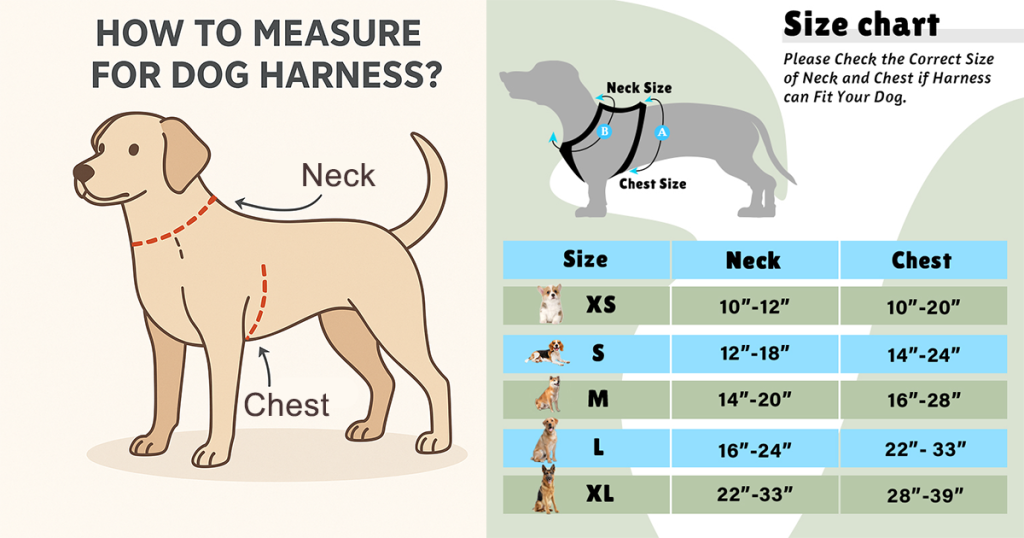
Measure your dog’s girth and neck to find the perfect harness fit. Wrap a tape measure around the widest part of their chest. For neck size, measure where the collar sits. Accurate measurements ensure comfort and safety for your furry friend.
Choosing the right harness for your dog is crucial for ensuring their comfort and safety during walks. A harness that fits well can prevent injuries and give you better control over your furry friend. But how do you pick the perfect one from the myriad of options available? Let’s explore some key aspects that will guide you in making the best choice.Types Of Dog Harnesses
Different types of dog harnesses serve various purposes and suit different dog sizes and breeds. – Back-clip harness: Ideal for small dogs or those who don’t pull excessively. It’s simple to use and reduces pressure on the neck. – Front-clip harness: Perfect for dogs that tend to pull. The front clip discourages pulling by redirecting the dog’s motion. – Dual-clip harness: Offers versatility with clips on both the front and back. Suitable for training and regular walks. – Step-in harness: Easy to put on, this harness is great for dogs who resist wearing a harness over their head. Understanding the types allows you to match the harness to your dog’s needs and behavior.Benefits Of A Well-fitted Harness
A well-fitted harness provides numerous benefits for both you and your dog. – Enhanced control: A snug harness offers better control, especially for larger breeds or energetic dogs. – Reduced strain: It distributes pressure evenly across the body, minimizing strain on the neck and spine. – Safety: Properly fitted harnesses prevent escape and reduce the risk of injury during sudden movements. – Comfort: Your dog will be more comfortable, making them more cooperative during walks. Have you ever noticed your dog pulling away or showing signs of discomfort with their current harness? A well-fitted harness can transform your walking experience. Finding the right harness involves considering both your dog’s needs and your own preferences. Have you tried different types and noticed how your dog reacts? A little experimentation can go a long way in finding the perfect fit.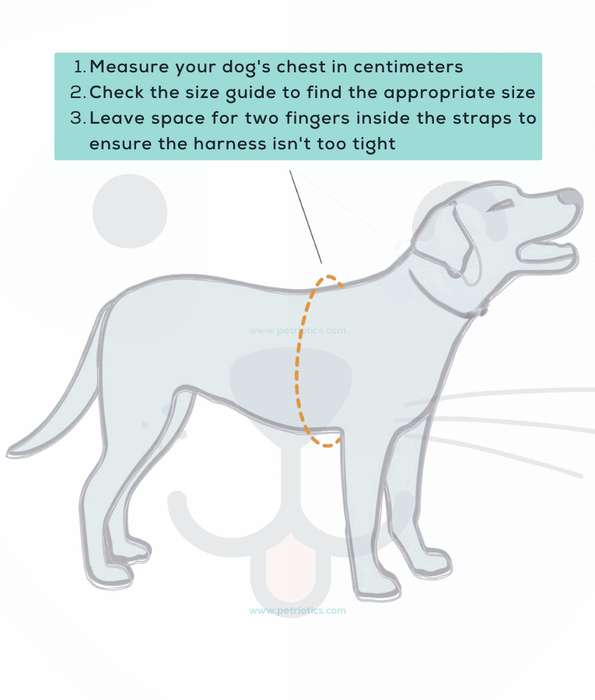
Credit: www.petriotics.com
Tools Required For Measuring
Ensuring a snug fit for your dog’s harness can make a world of difference in comfort and safety during walks. The right tools make measuring simple and accurate, allowing you to tailor the harness to your dog’s unique shape. Let’s dive into the essentials that will help you get this task done with precision.
Essential Measuring Tools
- Soft Measuring Tape:This is your main tool. A flexible tape allows you to wrap around your dog’s body comfortably, capturing the exact dimensions needed. It’s a staple for any pet owner who wants precise measurements.
- Notebook and Pen:Have these handy to jot down measurements. You might think you’ll remember them, but it’s better to have them recorded. Plus, it helps when comparing harness options later.
With these tools, you can easily measure your dog’s girth, neck, and length—key areas for a good harness fit. But what about going the extra mile?
Optional Accessories
- Assistant:If your dog is a wiggle worm, having a friend to help can be invaluable. They can keep your pup steady while you take measurements. Plus, it’s a great bonding activity.
- Treats:Keep some on hand to reward your dog for standing still. It’s a simple trick that keeps measuring stress-free for both of you. After all, who doesn’t love a good snack?
- Camera:Snap a photo of your dog with the measuring tape in place. This visual reference can be useful when shopping online or consulting with pet store staff.
These optional accessories can enhance the measuring process, making it more enjoyable and efficient. Are there tools you swear by that aren’t mentioned here? Sharing your experiences might help fellow dog owners perfect their measuring technique too!
Preparing Your Dog For Measurement
Preparing Your Dog for Measurement Ensure your dog is calm and standing still. Use a soft measuring tape. Measure around the widest part of the chest, just behind the front legs. Note the neck’s circumference too. Accurate measurements help in choosing the right harness size.
Preparing Your Dog for Measurement Measuring your dog for a harness can be a fun experience. It requires patience and a calm environment. Proper preparation ensures accurate measurements. This process helps select the perfect harness. Follow these simple tips to get your dog ready.Calming Techniques
Dogs can be restless during measurement. Use calming techniques to soothe them. Speak softly to your dog. Gentle words relax them. Try petting your dog gently. It builds trust and calms nerves. Some dogs enjoy soft music. Play soothing tunes in the background. Treats work wonders too. Offer small treats during the process.Positioning Tips
Positioning is crucial for accurate measurements. Ensure your dog stands still. A sitting dog may alter measurements. Use a non-slip surface for stability. It prevents your dog from sliding. Position your dog in a natural stance. Legs should be straight and relaxed. Keep their head level. This helps maintain balance.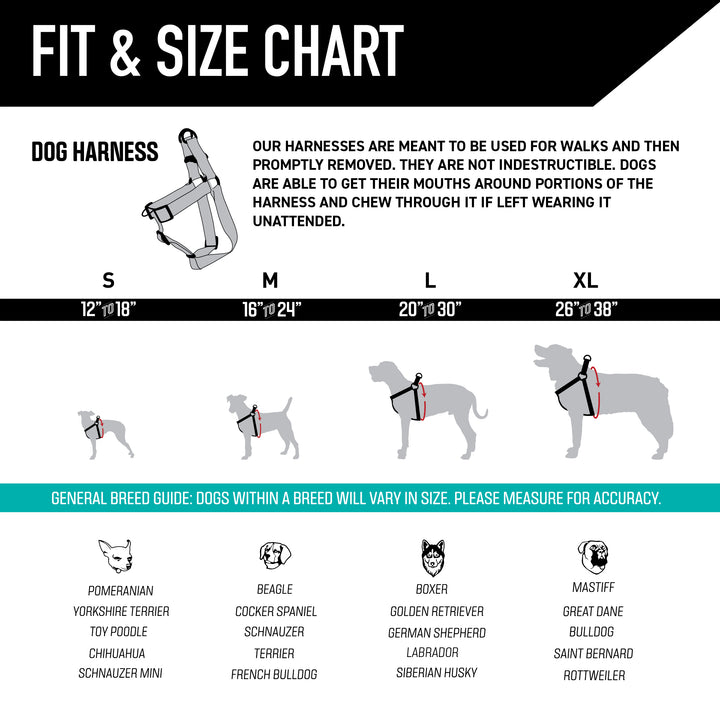
Credit: wolfgangusa.com
Step-by-step Measurement Process
Getting the perfect harness fit for your furry friend can make all the difference in their comfort and safety. A well-fitted harness ensures that your dog can move freely while still being secure. Follow this step-by-step measurement process to make sure your dog’s harness is just right.
Measuring The Neck
Start by measuring around the base of your dog’s neck where the collar usually sits. Use a soft measuring tape to get an accurate measurement. If you don’t have one, a piece of string and a ruler will work just as well.
Ensure the tape is snug but not too tight—you should be able to slip two fingers between the tape and your dog’s neck. This ensures that the harness won’t choke them while being worn.
Measuring The Chest
The chest is the most crucial part to measure for a harness. Measure the widest part of your dog’s chest, usually located just behind the front legs. This is where a lot of harnesses tend to be too tight.
Again, use the two-finger rule to ensure the measurement allows for comfortable movement. It’s surprising how a small difference here can make a harness fit poorly.
Measuring The Back Length
Finally, measure the length of your dog’s back from the base of their neck to the base of their tail. This will help you choose a harness that doesn’t ride up or chafe.
Be sure to have your dog stand straight when measuring to get the most accurate measurement. A harness that fits well in the length will prevent unnecessary shifting and rubbing during walks.
Once you have these measurements, you’re well on your way to selecting the perfect harness. Remember, a comfortable dog is a happy dog. Have you ever noticed a difference in your dog’s behavior with a well-fitted harness?
Common Measurement Mistakes
Measuring your dog for a harness might seem straightforward, but it’s easy to make mistakes that lead to discomfort and inefficiency. Understanding common measurement mistakes can save you from these pitfalls and ensure your dog stays safe and comfortable.
Avoiding Loose Fits
A loose harness can be just as problematic as a tight one. It might seem harmless, but it can cause your dog to slip out, especially when they’re excited or trying to chase something. Loose fits often occur because of overestimating your dog’s size or failing to adjust the straps properly.
- Make sure the harness is snug but not tight. You should be able to fit two fingers between the harness and your dog’s body.
- Check the harness fit after your dog moves around or pulls on the leash to ensure it remains secure.
Have you ever found your dog slipping out of their harness during walks? Double-checking the fit could prevent those nerve-wracking escapes.
Addressing Tight Harness Issues
A tight harness can restrict your dog’s movement and even lead to chafing or skin irritation. This often happens due to underestimating your dog’s size or not accounting for their fur thickness.
- Measure around the widest part of your dog’s chest to get an accurate size.
- Consider the fur thickness, especially in breeds with a lot of hair.
Have you noticed your dog hesitating or showing discomfort when wearing their harness? This might be a sign that it’s too tight, and adjustments are needed.
By paying attention to these common measurement mistakes, you can ensure your dog’s harness fits perfectly, providing both safety and comfort during your adventures together.
Adjusting The Harness For Comfort
Ensure the harness fits snugly but allows movement. Measure chest and neck accurately for a comfortable fit. Adjust straps for secure positioning without causing discomfort.
Adjusting the Harness for Comfort A well-fitted harness can be the difference between a joyful walk and an uncomfortable struggle for your dog. It’s not just about the right size; it’s also about ensuring the harness is snug yet comfortable. It’s like finding the perfect pair of shoes; they need to fit just right without pinching or slipping. Making sure your dog is comfortable means they can explore freely without any hindrance.Checking Fit And Comfort
Start by observing your dog once the harness is on. Does your furry friend seem at ease, or are they trying to wriggle free? A harness should sit comfortably without causing any discomfort around their chest or under their arms. A quick test is to slide two fingers underneath the straps. If you can do this easily, it’s a good fit. If it’s too tight or too loose, adjustments are necessary. Remember, a happy dog means a happy walk.Making Necessary Adjustments
Harnesses often come with adjustable straps, making it easier to tailor to your dog’s unique body shape. Check each strap and buckle; they should be secure but not restrictive. If you notice any rubbing or chafing, consider padding or trying a different style harness. Sometimes a small tweak can make a huge difference in comfort. What adjustments have you tried that made your dog’s walk more enjoyable? The right fit can transform your outings into a delightful experience for both you and your furry companion.Expert Tips For Harness Training
Measure around the widest part of your dog’s chest. Ensure the tape is snug but not tight. Check the neck’s circumference just below the collar line. Accurate measurements prevent discomfort and ensure the harness fits properly.
Harness training can transform your dog’s walks from chaotic to enjoyable. It’s not just about strapping on a harness; it’s about ensuring your furry friend feels comfortable and secure. Let’s dive into some expert tips that will make harness training a breeze.Introducing The Harness
The first step to successful harness training is to introduce the harness in a non-threatening way. Place the harness on the floor and let your dog sniff and explore it. This simple act can demystify the harness and reduce anxiety. Consider using treats to create a positive association. Each time your dog interacts with the harness, reward them with a treat. This encourages curiosity and reduces resistance when it’s time to wear it.Encouraging Positive Association
Create a positive experience by associating the harness with fun activities. Does your dog love short walks or playing fetch? Use these activities as rewards for wearing the harness. This can turn the harness into a symbol of adventure. Take it slow and be patient. If your dog shows reluctance, don’t force the process. Gentle encouragement and consistent rewards can gradually build their comfort and confidence. Have you ever wondered how your dog perceives the harness? Understanding their emotions and reactions can guide your training approach. Observing their body language can offer insights into their comfort level and help tailor your training strategy.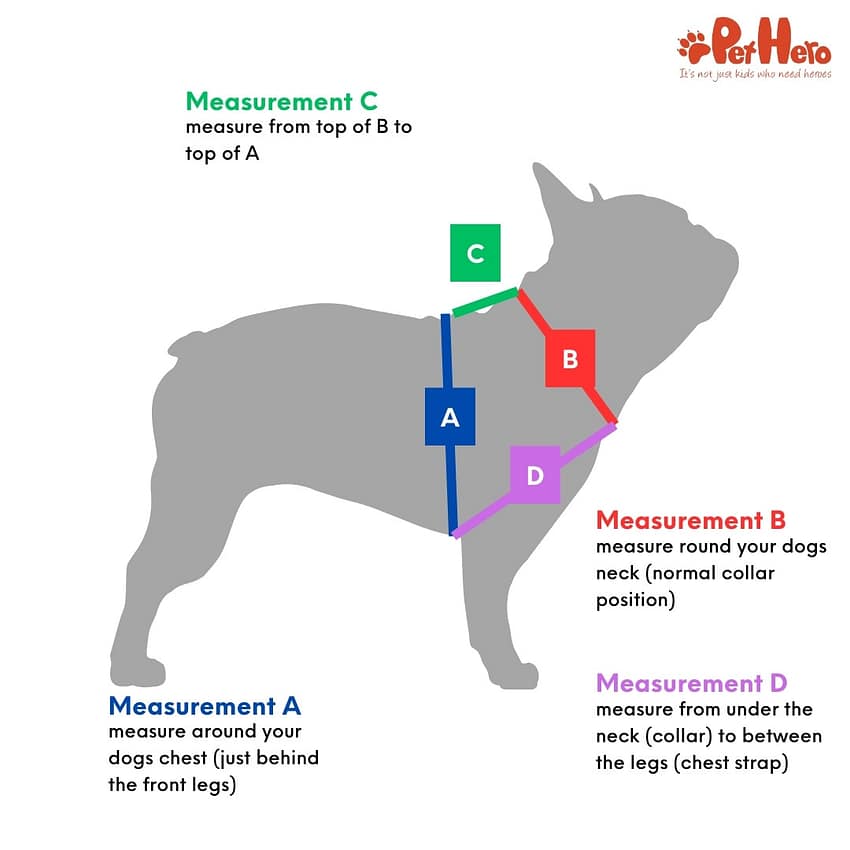
Credit: pethero.co.za
Frequently Asked Questions
What Size Harness Should My Dog Wear?
Measure your dog’s girth, which is the widest part of their chest. Use a soft tape measure. Check the manufacturer’s size chart for guidance. Ensure a snug fit, but allow room for two fingers between the harness and your dog’s body.
How Do I Measure My Dog’s Girth?
Use a soft tape measure and wrap it around the widest part of your dog’s chest. Ensure it’s level and snug. Do not pull tight. Measure twice for accuracy. This measurement helps you choose the correct harness size.
Can I Use A Collar Measurement For A Harness?
No, collar and harness measurements differ. Collars measure neck circumference, while harnesses require chest girth. Always measure your dog’s girth for harness sizing. This ensures a comfortable and safe fit for your dog.
How To Ensure Harness Fits Properly?
Check for a snug fit with room for two fingers under the harness. The harness should not be too tight or loose. Adjust straps for comfort and security. Observe your dog while walking to ensure they move freely.
Conclusion
Properly measuring your dog for a harness ensures comfort and safety. Always use a soft measuring tape for accuracy. Measure the neck and chest at their widest points. Double-check these measurements for a snug fit. A well-fitted harness reduces strain and enhances walks.
Remember, every dog is unique. So, adjust the harness for the best fit. Your dog’s comfort should be a priority. With these steps, your dog will enjoy every outing. Happy and secure.


