How to Measure Dog Chest for Harness: Expert Tips
Senior Canine Nutritionist & Dog Behavior Specialist at Cozy Dog Go Wellness Lab
Are you tired of buying harnesses that just don’t fit your furry friend? Measuring your dog’s chest correctly is the key to finding a harness that offers comfort and security.
Imagine how much happier your walks could be when your dog is snug and safe in a perfectly fitted harness. You’ll avoid the hassle of returns and the risk of discomfort for your dog. In this guide, we’ll walk you through the easy steps to measure your dog’s chest like a pro.
Get ready to make your next harness purchase with confidence, ensuring every walk is a joyful experience for both you and your dog. Keep reading, because your dog deserves the best!
Credit: m.facebook.com
Importance Of Chest Measurement
Measuring your dog’s chest for a harness is crucial. A correct fit ensures comfort and safety. A harness that fits well supports your dog’s movement. It prevents injury and discomfort. Let’s explore why chest measurement is key.
Impact On Comfort And Safety
A harness that fits properly improves your dog’s comfort. It allows free movement without pinching or rubbing. A well-fitted harness distributes pressure evenly. This reduces strain on your dog’s body.
Safety is another vital aspect. A harness that is too loose can slip off. This may lead to accidents or escapes. A tight harness can restrict breathing. Ensuring a proper fit keeps your dog safe and secure.
Avoiding Common Fit Issues
Many dog owners face fit issues with harnesses. A common problem is sizing. Incorrect measurements can lead to a poor fit. This can cause discomfort and health issues. Measuring your dog’s chest ensures the harness fits right.
Another issue is adjusting the harness. Many harnesses have adjustable straps. Proper measurement helps in adjusting straps correctly. This ensures the harness stays in place during walks or play.
Tools Needed For Measurement
Measuring your dog’s chest accurately is crucial for a comfortable harness fit. Having the right tools on hand makes the process easier and ensures precision. Let’s explore what you’ll need to get started.
Measuring Tape Options
A flexible measuring tape is your best friend for this task. Choose a tailor’s tape measure, as it’s soft and can wrap around your dog’s body easily.
If you don’t have a tailor’s tape, a retractable tape measure used for home projects can work too. Just ensure it’s long enough to encircle your dog’s chest.
Consider using a digital measuring tool if precision is key. Some devices offer laser measurement for accuracy, but ensure your dog is comfortable with the device.
Additional Accessories
- Notebook and Pen:Keep a notebook handy to jot down measurements. This prevents errors if you need to recheck later.
- Treats:Have a stash of treats ready. They help keep your dog still and cooperative during the measurement process.
- Helper:Enlist a friend or family member to assist. A second pair of hands can help steady your dog and make the measurement process smoother.
Have you ever tried measuring your dog’s chest while they excitedly chase their tail? It might be worth a shot, but having the right tools and accessories can make all the difference.
Credit: amopas.com
Step-by-step Measurement Guide
Having a properly fitted harness for your dog ensures comfort and safety. Measuring your dog’s chest accurately is crucial in finding the right fit. This step-by-step guide will help you measure your dog’s chest effectively, ensuring the harness fits perfectly.
Preparing Your Dog
Start by calming your dog. A relaxed dog makes measuring easier. Ensure your dog is standing upright. This position provides the most accurate measurement. Gather your tools: a flexible tape measure and a notepad.
Taking Accurate Measurements
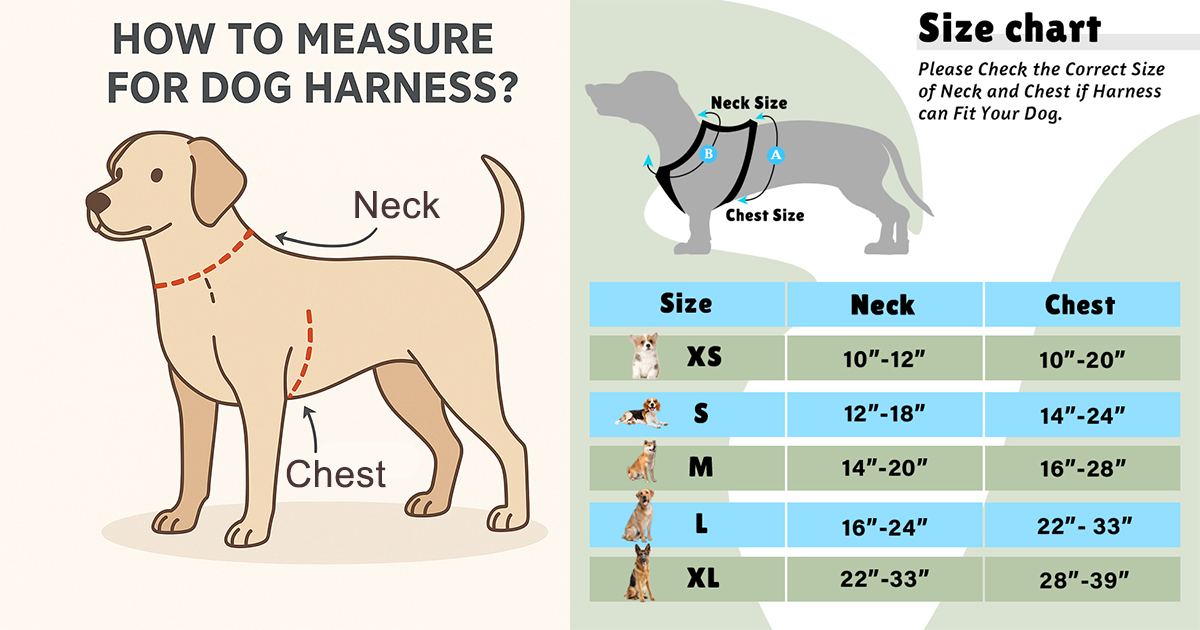
Position the tape measure around the widest part of your dog’s chest. Typically, this is just behind the front legs. Make sure the tape measure is snug but not too tight. You should be able to fit two fingers between the tape and your dog’s body.
Recording And Comparing Sizes
Note down the chest measurement. It’s essential for selecting the correct harness size. Compare this measurement with the sizing chart of the harness brand. Brands have different sizing standards, so this step is important. Double-check the measurement to ensure accuracy.
Adjusting The Harness
Ensure a proper fit by measuring your dog’s chest. Wrap a tape measure around the widest part, usually behind the front legs. This helps in finding the right harness size for comfort and safety.
Adjusting the harness to fit your dog’s chest properly is crucial for their comfort and safety. Imagine putting on a jacket that’s too tight or too loose; it just doesn’t feel right, does it? Similarly, an ill-fitting harness can cause discomfort or even injury to your furry friend. Let’s make sure your dog’s harness fits just right.Checking For Proper Fit
To check if the harness fits properly, you should be able to slide two fingers between the harness and your dog’s body. If it’s too tight, it might restrict movement or breathing. Too loose, and your dog could wriggle out of it. Consider taking your dog for a short walk to test the fit. Observe if they seem comfortable or if the harness causes any irritation. A simple walk can reveal a lot about the fit.Adjusting Straps And Buckles
Harnesses come with adjustable straps and buckles to ensure a snug fit. Start by loosening all straps, then gradually tighten them, checking the fit as you go. Remember that different breeds might need adjustments in different areas. For instance, a French Bulldog might need more room around the neck, while a Greyhound might require extra space around the chest. If the harness has multiple adjustment points, tackle one at a time. This prevents overwhelming yourself and ensures each strap is properly set. Are you adjusting the harness correctly? It’s worth double-checking. Small tweaks can make a big difference in comfort and safety.Expert Tips For Success
Measuring your dog’s chest for a harness is crucial. A well-fitted harness ensures comfort and safety. Follow these expert tips to get it right.
Avoiding Measurement Mistakes
Use a soft measuring tape for accuracy. Keep it snug, not tight. Ensure your dog stands still during measurement. Measure the widest part of the chest. Double-check measurements to prevent errors.
Understanding Breed Specifics
Different breeds have varied chest shapes. Bulldogs have broader chests; Greyhounds are narrow. Research your breed’s typical size and shape. Consider breed-specific harness options for better fit.
Frequently Asked Questions
How Do I Measure My Dog’s Chest Size?
To measure your dog’s chest, use a flexible tape measure. Place it around the widest part of the chest, usually behind the front legs. Ensure the tape is snug but not tight. This measurement helps you select the right harness size for comfort and safety.
What Tools Are Needed For Measuring?
You need a flexible tape measure and a notepad. The tape measure ensures accuracy, while the notepad helps record measurements. Using these tools, you can easily determine your dog’s chest size for a perfect harness fit, ensuring comfort and safety.
Why Is Chest Measurement Important For Harness?
Chest measurement ensures your dog’s harness fits correctly. A well-fitted harness prevents discomfort and reduces the risk of escape. Accurate measurements allow for proper support and control, making walks safer and more enjoyable for both you and your dog.
Can I Use A String To Measure Chest?
Yes, a string can be used to measure your dog’s chest. Wrap the string around the widest part of the chest, mark the length, then measure it with a ruler. This method is handy if you don’t have a tape measure available.
Conclusion
Choosing the right harness for your dog matters. A well-fitted harness provides comfort and safety. Measure the chest accurately for the best fit. Use a soft tape measure. Wrap it around the widest part of the chest. Check the measurement twice to ensure accuracy.
A well-fitted harness avoids discomfort and injuries. Your dog will enjoy walks more with a good fit. Always double-check the size before buying. Comfort is key for a happy dog. Remember, a proper fit leads to a happier pet. Keep these tips handy for future purchases.
Your dog will thank you!

Similar Posts