How to Open a Dog Crate: Easy Guide for Pet Owners
Have you ever struggled with opening your dog’s crate, feeling like you’re wrestling with a puzzle that just won’t budge? You’re not alone.
Understanding the ins and outs of your dog’s crate is more important than you might think. It’s not just about letting your furry friend in and out—it’s about creating a safe, comfortable space for them. In this guide, we’ll unravel the mystery of the dog crate, showing you step-by-step how to open it with ease.
Imagine the peace of mind you’ll have, knowing you’re doing it right every time. Don’t miss out on creating the best experience for you and your pup. Dive into the details and discover how simple it can be to make your pet’s crate a welcoming haven.
Credit: www.forbes.com
Choosing The Right Dog Crate
Opening a dog crate involves gently releasing the latch or lock. Ensure the crate door swings freely without obstruction. Always check for any jammed parts to keep your pet safe.
Choosing the right dog crate might seem straightforward, but it’s a decision that can significantly impact your pet’s comfort and safety. The right crate serves as a cozy den for your furry friend, offering them a sense of security while you’re away. But how do you ensure you’re picking the perfect one? Let’s dive into the details.Size And Material Considerations
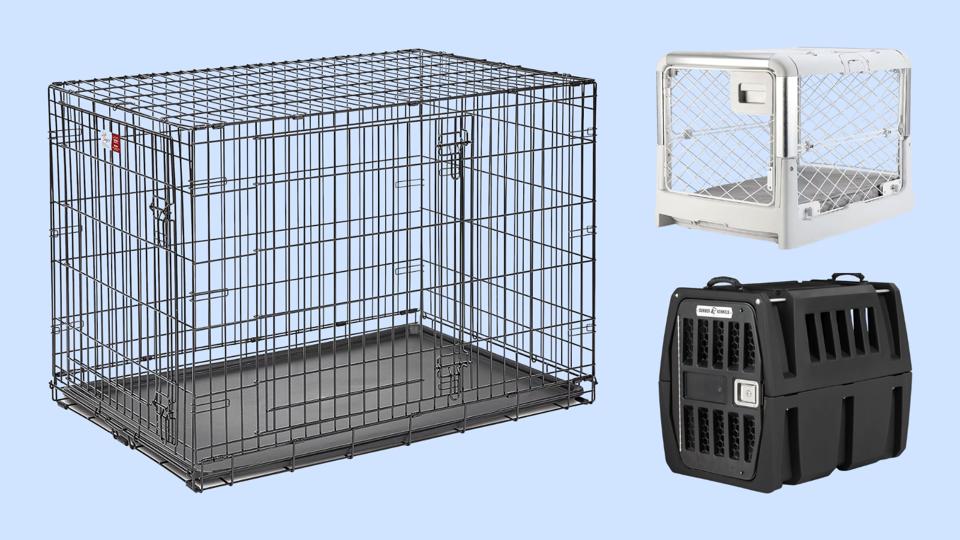
Selecting the right size is crucial. Your dog should have enough space to stand up, turn around, and lie down comfortably. Measure your dog from nose to tail and from floor to shoulder to get an idea of the appropriate crate dimensions. A crate that’s too small can be uncomfortable, while one that’s too large might not offer the cozy, den-like feel dogs instinctively seek. Material matters just as much as size. Wire crates offer great ventilation and visibility, making them a popular choice. They’re often collapsible, which is convenient for travel. Plastic crates are ideal for travel, especially air travel, as they’re lightweight and enclosed. If you prefer something more aesthetically pleasing, wooden crates can blend in with your home décor, though they’re less portable.Types Of Dog Crates
Dog crates come in various types, each serving different needs. Wire crates are versatile and provide excellent airflow. They often come with dividers, which are perfect if you’re planning to use the crate from puppyhood to adulthood. Plastic crates are perfect for travel and are required by most airlines for dog transport. They offer a more enclosed space, which can be comforting for some dogs. If aesthetics are important, furniture-style crates made from wood can double as an end table. However, they may not be as durable as other types if your dog tends to chew. Soft-sided crates are lightweight and portable, suitable for smaller dogs and for use during travel. They are not ideal for dogs that like to chew or scratch. Consider your lifestyle and your dog’s habits. A wire crate might be best for home use, but a plastic crate could be necessary for travel. What does your dog prefer? Observing their behavior can guide you in choosing the right type.Preparing The Crate Location
Preparing the crate location is crucial for your dog’s comfort and safety. The right spot can make all the difference in how your dog adapts to its new space. Consider the environment, temperature, and accessibility when setting up your dog’s crate.
Finding The Perfect Spot
Choose a place where your dog feels secure. Avoid areas with high traffic, as constant movement can stress your pet. Look for a quiet corner that offers some solitude. Ensure the spot is well-ventilated and away from direct sunlight. A balanced temperature is key for your dog’s comfort.
Safety And Comfort Tips
Ensure the crate is stable and won’t tip over easily. Place it on a flat surface. Check that the area around the crate is clear of objects your dog might chew. Soft bedding inside the crate can enhance comfort. Avoid placing the crate near cords or outlets. This reduces the risk of accidents.
Introducing Your Dog To The Crate
Introducing your dog to a crate can be a rewarding journey. A crate offers safety and comfort, but your dog needs time to adjust. Building a positive association is key. Take it step by step, ensuring your furry friend feels secure.
Initial Interaction Strategies
Start by placing the crate in a familiar spot. Let your dog explore the crate at their own pace. Keep the door open, inviting curiosity. Encourage them to sniff and inspect the surroundings. Show patience during this stage.
Avoid forcing them inside. Instead, use toys or treats to lure them in. This creates a positive connection with the crate. Make the space inviting with a soft blanket or their favorite toy.
Positive Reinforcement Techniques
Reward your dog for every small step. Use treats or praise as they approach or enter the crate. Positive reinforcement strengthens the bond between them and the crate.
Keep training sessions short and pleasant. Gradually increase the time they spend inside, ensuring comfort. Encourage calm behavior with soothing words. Consistency is key to successful training.

Credit: www.petperspective.com.au
Opening The Crate Properly
To open a dog crate properly, gently release the latch and swing the door open. Ensure the crate is stable and secure before allowing your dog to enter or exit.
Opening a dog crate properly is more than just unfastening a latch or lifting a door. It’s about creating a smooth and stress-free experience for both you and your furry friend. This simple act can set the tone for your dog’s comfort and safety. But how do you ensure you’re doing it the right way? Let’s explore the best practices to make crate opening a breeze.Safe Opening Techniques
Start by approaching the crate calmly. Your dog picks up on your energy, so stay relaxed. Always open the crate door slowly. Quick, sudden movements can startle your dog, making them hesitant to enter or exit in the future. Consider using a verbal cue. Saying something like “Okay” or “Come” signals to your dog that it’s safe to leave the crate. Consistency with this cue reinforces positive behavior.Avoiding Common Mistakes
Don’t rush the process. Allow your dog to exit the crate at their own pace. Avoid pulling your dog out. This can create anxiety and make them associate the crate with negative experiences. Ensure nothing is blocking the door. A partially opened door can cause injury if your dog tries to squeeze through. Have you ever noticed how your dog reacts to the way you open their crate? Your approach can significantly impact their comfort levels. Keeping these techniques in mind not only ensures safety but also strengthens the bond between you and your pet. How will you improve your crate-opening routine today?Maintaining The Crate Environment
Open the dog crate carefully to ensure safety and comfort for your pet. Release the latch gently and lift the door slowly to avoid startling your dog.
Maintaining the crate environment is crucial for your dog’s health and happiness. A clean and comfortable space makes your furry friend feel secure. It also helps prevent odors and potential health issues. Let’s explore how to keep your dog’s crate in optimal condition.Regular Cleaning Tips
Regular cleaning is key to a healthy crate environment. Remove any bedding and toys before cleaning. Use pet-safe cleaners to wipe down the interior. Make sure to scrub any stains or dirt marks. Rinse and dry the crate thoroughly to avoid moisture buildup. Clean your dog’s bedding at least once a week to maintain hygiene.Monitoring Your Dog’s Comfort
Your dog’s comfort should be a top priority. Check for signs of distress or discomfort. Ensure the crate is the right size for your dog. It should be spacious enough for your dog to turn around. Maintain a comfortable temperature inside the crate. Add a soft blanket or cushion for added comfort. Regularly inspect the crate for sharp edges or damage. Replace or repair any compromised parts immediately.Troubleshooting Crate Issues
Begin by checking the latch or lock mechanism on the dog crate. Ensure it’s functioning smoothly without obstructions. If it sticks, lubricate the hinges or latch for easier opening.
Opening a dog crate might seem straightforward, but sometimes unexpected challenges arise. You may encounter issues like anxiety, resistance, or specific needs based on your dog’s health or age. Addressing these challenges effectively ensures a smoother process for both you and your furry friend. Let’s dive into some common troubleshooting tips to help your dog feel more comfortable with their crate.Handling Anxiety And Resistance
Anxiety is a common issue for dogs when it comes to crates. If your dog is resistant, start by making the crate a positive space. Place their favorite toy or blanket inside. Reward them with treats when they enter voluntarily. You might find that spending time near the crate with your dog, without forcing them inside, helps reduce their anxiety. Think about how you feel in unfamiliar places. Dogs often need time to adjust. Be patient and consistent, and observe any changes in their behavior.Adjusting For Special Needs
If your dog has special needs, adjustments to their crate setup might be necessary. For a senior dog with joint issues, consider adding a soft cushion for comfort. If your dog has visual impairments, maintain a consistent layout and use scent or sound cues to guide them. You know your dog’s needs best. Tailor the crate environment to meet these requirements, ensuring that it feels safe and welcoming. Troubleshooting crate issues is about understanding your dog’s unique perspective. What methods have worked best for you in easing your dog’s crate worries?Benefits Of Using A Dog Crate
A dog crate offers a safe and comfortable space for pets, aiding in training and reducing anxiety. Easy access ensures your dog feels secure and relaxed. Properly opening a crate encourages positive associations and helps maintain a calm environment.
The benefits of using a dog crate are vast and impactful. Crates provide a safe space for dogs. They create a sense of security and comfort. Many dog owners use crates for training and travel. Let’s explore the advantages of using a dog crate.Training And Behavioral Advantages
Crates aid in house training puppies. Dogs naturally avoid soiling their sleeping area. This encourages them to wait until they are outside. Crates also help with behavior management. Dogs learn to settle down and relax in their crate. A crate can prevent destructive behavior when you’re not home. It offers a safe space for dogs to decompress. Crates also help reduce anxiety during stressful situations.Travel And Safety Benefits
A dog crate ensures safe travel. It keeps your pet secure during car rides. This reduces distractions for the driver. Crates also provide comfort in unfamiliar places. They give dogs a familiar spot to retreat to. In emergencies, a crate can be vital. It helps transport your dog safely and securely. Crates also prevent injuries during sudden stops. This keeps both you and your pet protected.
Credit: www.amazon.com
Frequently Asked Questions
How Do I Unlock A Dog Crate?
To unlock a dog crate, locate the latch or mechanism on the door. Slide or lift it gently to release. Ensure you follow the manufacturer’s instructions for your specific model. Some crates have unique locking systems, so familiarize yourself with them for smooth operation.
Can I Open A Crate Without A Key?
Yes, most dog crates do not require a key. They use simple latches or locks that can be easily manipulated by hand. If your crate has a lock, keep the key safe and accessible to avoid inconvenience.
What If My Crate Door Is Stuck?
If the crate door is stuck, check for obstructions or misalignments. Apply gentle force, and avoid using excessive pressure. Lubricate hinges if necessary, and inspect for damages. Contact the manufacturer if the issue persists for professional guidance.
Are All Crate Locks The Same?
Not all crate locks are the same; they vary by brand and model. Some crates have slide locks, while others have twist mechanisms. Familiarize yourself with your crate’s specific locking system for effective use and maintenance.
Conclusion
Opening a dog crate might seem tough at first. But with practice, it becomes simple. Start by understanding the lock mechanism. Then, use gentle pressure to open it. Always ensure your dog feels safe inside the crate. This boosts their comfort and trust.
Remember, patience is key. With time, you will find the process easy. Happy pet owners create happy pets. Share these tips with friends. It helps everyone keep their pets safe. Enjoy the journey with your furry friend.