How to Put a Dog Harness on a Puppy: Easy Guide
Senior Canine Nutritionist & Dog Behavior Specialist at Cozy Dog Go Wellness Lab
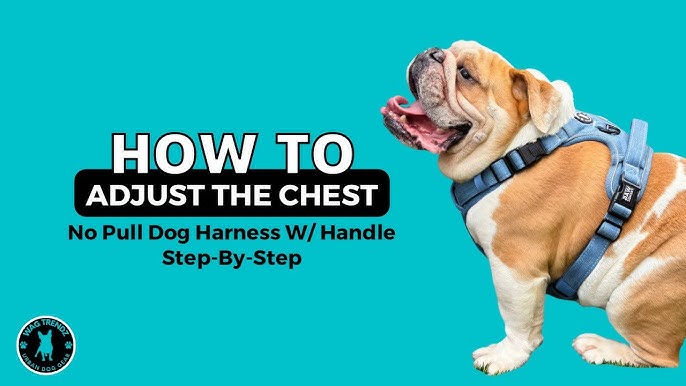
You’ve just welcomed a furry bundle of joy into your life, and along with the wagging tail and playful barks comes the important task of ensuring your puppy’s safety during walks. You’ve chosen a harness, a great choice for comfort and control, but now the question arises: How do you put it on your energetic little pup?
It’s not always as simple as it seems, especially with a wiggly puppy eager to explore the world. Imagine the peace of mind that comes with knowing your puppy is secure and comfortable. Picture those joyful strolls in the park, your pup happily trotting alongside you, safely harnessed and ready to discover every new scent.
You’ll find straightforward, step-by-step instructions on how to put a dog harness on a puppy, ensuring a snug fit without the struggle. Your puppy’s safety and comfort are your top priorities, and mastering the art of harnessing will make your outings stress-free and enjoyable. Dive in to learn how you can make this essential task easy and enjoyable for both you and your little four-legged friend.
Credit: www.tiktok.com
Choosing The Right Harness
Selecting the perfect harness ensures comfort for your puppy. Slide the harness over their head, and buckle it securely. Adjust straps for a snug fit without being too tight.
Choosing the perfect harness for your puppy is important. It ensures safety and comfort during walks. With many options available, picking the right one can be tricky. This guide simplifies the process. Learn about harness types, sizing, and find the best fit for your furry friend.Types Of Harnesses
Different harness types suit different needs. Each has unique features. – Back-Clip Harness: Ideal for small puppies. Easy to put on and gentle. – Front-Clip Harness: Helps control pulling. Good for training active puppies. – Dual-Clip Harness: Offers flexibility. Use front or back clip based on need. – Step-In Harness: Simplifies wearing. Perfect for puppies that dislike overhead harnesses. Understanding these types helps you choose wisely.Size Considerations
Size matters in choosing a harness. Measure your puppy carefully. 1. Chest Measurement: Use a tape measure. Wrap around the widest part of the chest. 2. Neck Measurement: Measure the base of the neck. Ensure it’s not too tight. Check the size chart of the harness brand. Puppies grow fast. Choose adjustable harnesses for longer use. A snug fit prevents slipping and discomfort.Preparing Your Puppy
Gently introduce the harness to your puppy by letting them sniff it. Adjust the straps to fit snugly but comfortably. Ensure it’s not too tight, allowing two fingers to fit between the harness and their body.
Preparing Your Puppy Introducing a harness to your puppy requires patience and preparation. Puppies are curious but can also be wary of new experiences. Proper preparation helps ensure a smooth and stress-free introduction. With a few simple steps, your puppy will soon be comfortable with their new harness.Familiarization With The Harness
Let your puppy explore the harness. Place it where they can sniff and investigate. Use positive reinforcement to associate the harness with good experiences. Give treats and praise when they show interest. This helps create a positive connection with the harness.Calming Techniques
Keep your puppy calm during the process. Choose a quiet space with minimal distractions. Speak softly to reassure them. Gentle petting can reduce anxiety. Play soothing music if your puppy seems nervous. This creates a peaceful environment, making them more receptive to the harness.Step-by-step Harness Application
Slide the harness over the puppy’s head, ensuring the label is facing up. Adjust the straps around its chest and belly for a snug fit. Secure the buckles, checking for comfort and mobility.
Putting a harness on a puppy can feel like a daunting task, especially if your furry friend is wiggly and full of energy. But with the right approach, it can become a simple routine. This guide will help you understand the step-by-step process of harness application, ensuring your puppy is comfortable and secure.Positioning The Harness
Start by sitting on the floor with your puppy. This helps them feel more at ease. Allow your puppy to sniff the harness to get familiar with it. Next, identify the head loop and the body loop of the harness. Gently slip the head loop over your puppy’s head. Ensure the harness is not twisted; it should sit flat against your puppy’s body.Securing Straps
Once the harness is in position, find the under-belly strap. Gently guide your puppy to stand up. Fasten the belly strap, ensuring it fits snugly but not too tight. Check that the harness is secured without pinching the skin. You should be able to fit two fingers between the harness and your puppy’s body comfortably.Adjusting For Comfort
Observe your puppy’s movement. Is the harness restricting their natural motion? If so, adjust the straps accordingly. Ensure that the harness is not rubbing against sensitive areas like the underarms. A well-fitted harness should allow your puppy to move freely without discomfort. By following this step-by-step approach, you can make harnessing a positive experience for your puppy. Have you ever thought about turning harness time into a bonding moment with your pet? This is an opportunity to shower them with praise and treats, reinforcing good behavior.
Credit: www.amazon.com
Checking Fit And Comfort
Ensuring the harness fits snugly is essential for your puppy’s comfort. Check for a secure yet gentle fit around the chest. Adjust the straps to prevent any chafing or tightness.
Ensuring your puppy’s harness is both comfortable and well-fitted is crucial for their safety and well-being. A poorly fitted harness can cause discomfort or even injury, while a properly adjusted one can make walking a pleasure for both you and your puppy. As puppies grow quickly, it’s important to regularly check the fit and make necessary adjustments.Signs Of Proper Fit
A well-fitted harness should sit snugly against your puppy’s body without being too tight. You should be able to slide two fingers between the harness and your puppy’s skin comfortably. Observe your puppy’s movement. A properly fitting harness allows them to walk, run, and play without restriction. If your puppy seems hesitant or struggles to move, the harness might be too tight. Monitor for any signs of chafing or irritation, especially under the armpits and around the neck. These can be indicators that the harness is too tight or not the right style for your puppy.Adjusting For Growth
Puppies grow at an incredible rate, so frequent adjustments are necessary to maintain a good fit. Regularly check the harness size every couple of weeks, especially during growth spurts. Consider harnesses with adjustable straps to accommodate your puppy’s changing size. This flexibility ensures you won’t need to frequently purchase new harnesses. Keep a record of your puppy’s growth. Knowing their measurements can help you anticipate when adjustments are needed, ensuring your puppy stays comfortable and secure. Have you ever struggled with finding the right fit for your puppy’s harness? How do you ensure their comfort as they grow? Share your experiences in the comments below!Training And Positive Reinforcement
Ensure the harness is adjusted to the puppy’s size. Use treats to encourage calmness during fitting. Slide the harness over the head, securing straps gently. Reward your puppy with praise or treats to reinforce positive behavior during the process.
Training and Positive Reinforcement Putting a harness on your puppy is not just about mastering the technique; it’s about fostering a positive experience for your furry friend. Training and positive reinforcement are key elements in ensuring your puppy associates the harness with good things. Imagine the joy of seeing your puppy eagerly anticipating its harness as a signal for fun adventures rather than a cumbersome task. By making this process enjoyable, you set the foundation for a well-behaved and happy companion.Encouraging Good Behavior
Creating a positive environment during harness training is essential. Begin by introducing the harness in a calm setting, allowing your puppy to sniff and explore it. This helps to reduce any anxiety or fear. Use soothing tones and gentle touches as you gradually slip the harness over your puppy. Your calm demeanor will instill confidence and trust, which are crucial for encouraging good behavior. Have you ever noticed how your puppy mirrors your emotions? Your relaxed approach will help them feel secure.Reward Systems
Rewards are powerful motivators for puppies. Consider using treats or verbal praise to reinforce their positive behavior during harness training. When your puppy cooperates, offer a small treat or a cheerful “good job!” Consistency is key in reward systems. Make sure to reward your puppy immediately after they demonstrate the desired behavior. This immediate feedback helps your puppy understand what they did right. Experiment with different rewards to see what your puppy responds to best. Some puppies might prefer a tasty treat, while others might thrive on enthusiastic praise or playtime. Finding the right reward can make all the difference in their learning process. By focusing on training and positive reinforcement, you not only teach your puppy to wear a harness but also strengthen the bond between you. So, what creative reward system will you try next to make harness training an enjoyable experience for your puppy?Common Mistakes To Avoid
Putting a harness on a puppy can seem easy. Yet, common mistakes often occur. Avoiding these can ensure a comfortable fit for your pup. Understanding these mistakes can make the process smoother.
Improper Sizing
Using the wrong size harness can cause discomfort. A harness that’s too tight can hurt your puppy. One that’s too loose might let them slip out. Measure your puppy’s chest and neck properly. Check the manufacturer’s size guide. Ensure there’s room for two fingers between the harness and your puppy. This helps to avoid pinching or slipping.
Incorrect Strap Positioning
Strap positioning is crucial for a secure fit. Straps should not twist or bunch up. They should lie flat against the puppy’s body. Watch out for straps near sensitive areas. The straps should not rub under the armpits. Adjust them so they sit comfortably. Regularly check strap positioning as your puppy grows. This prevents discomfort and potential injuries.
Maintenance And Care
A dog harness is a key tool for your puppy’s safety and comfort. Proper maintenance and care keep it functional and comfortable for your pet. Regular upkeep ensures the harness lasts longer and remains effective. Let’s dive into cleaning and inspecting the harness.
Cleaning The Harness
Cleaning the harness is crucial for your puppy’s health. Dirt and grime can irritate the skin. Wash the harness regularly to keep it fresh. Use mild soap and warm water for cleaning. Avoid harsh chemicals that may harm the fabric or irritate your puppy. After washing, rinse thoroughly and dry completely before use. This prevents mold or bacteria from growing.
Regular Inspections
Inspect the harness regularly for signs of wear. Check the straps and buckles for any damage. Look for frayed fabric or broken clips. These can compromise your puppy’s safety. Make sure the harness fits well and adjusts easily. A snug fit prevents your puppy from slipping out. Regular checks ensure your puppy stays secure and comfortable.

Credit: www.youtube.com
Frequently Asked Questions
How Do I Choose The Right Harness Size?
Selecting the correct harness size is crucial for comfort and safety. Measure your puppy’s chest and neck accurately. Check the manufacturer’s size chart to ensure a perfect fit. Adjustable harnesses offer flexibility as your puppy grows, ensuring they remain comfortable and secure during walks.
Can A Puppy Wear A Harness All Day?
While a harness can be comfortable, it’s best to remove it when indoors. Wearing it all day can lead to skin irritation or discomfort. Regularly inspect the harness for any signs of wear and ensure it fits properly to prevent any issues during outdoor activities.
How Can I Make My Puppy Comfortable With A Harness?
Introduce the harness gradually by letting your puppy sniff and explore it first. Use treats and positive reinforcement to make the experience enjoyable. Start with short periods of wearing the harness indoors before progressing to outdoor adventures, ensuring your puppy feels comfortable and secure.
Is It Safe To Use A Harness For Training?
Harnesses are great for training as they offer control without strain on the neck. Choose a harness designed for training purposes, providing support and stability. Combine with positive reinforcement techniques to encourage your puppy to follow commands effectively while ensuring their comfort and safety.
Conclusion
Helping your puppy wear a harness can be simple. Just follow the steps. Choose the right size for comfort and safety. Let your puppy sniff the harness first. Then gently slide it over their head. Buckle it securely, but not too tight.
Practice patience during this process. Reward your puppy with treats and praise. This helps them associate the harness with positive feelings. Regular practice makes it easier. Soon, your puppy will love wearing their harness. Remember, a well-fitted harness ensures safe walks and happy adventures together.
Enjoy exploring the world with your furry friend!

Similar Posts