How to Put a Dog Harness on Step by Step: Easy Guide
Senior Canine Nutritionist & Dog Behavior Specialist at Cozy Dog Go Wellness Lab
Are you tired of wrestling with your dog’s harness every time you head out for a walk? You’re not alone.
Many dog owners find themselves tangled up in straps and buckles, feeling frustrated and a bit guilty when the harness doesn’t fit right. But here’s the good news: mastering the art of putting on a dog harness is easier than you think.
Imagine the peace of mind you’ll have when you know your furry friend is secure and comfortable, ready for any adventure. In this step-by-step guide, you’ll discover simple, clear instructions that will transform harness time from a struggle into a breeze. Let’s make your walks more enjoyable and stress-free for both you and your dog. Keep reading to find out how.
Choosing The Right Harness
Choosing the right dog harness is more than just a shopping decision—it’s about ensuring your pet’s comfort and safety during walks. The right harness can make all the difference in your dog’s behavior and overall experience outdoors. With so many options available, how do you know which one is the best fit for your furry friend?
Types Of Dog Harnesses
Dog harnesses come in various styles, each serving a different purpose. The back-clip harnessis ideal for smaller dogs and those well-trained on a leash. It offers easy control but may not be suitable for dogs that pull.
On the other hand, the front-clip harnessis designed to reduce pulling by redirecting your dog’s attention back to you. It’s a great choice for training, though it might not be suitable for all dog breeds.
The dual-clip harnessoffers versatility with attachments at both the front and back. This type is excellent for dogs still learning leash manners.
Factors To Consider
When selecting a harness, consider your dog’s size and breed. A harness that’s too tight can cause discomfort, while one that’s too loose might allow your dog to slip free.
Material is another key factor. For instance, nylon is durable and easy to clean, while neoprene offers extra padding for sensitive skin.
Think about your dog’s behavior. If your dog is a frequent puller, a front-clip or dual-clip harness might be more effective. Do you plan to jog or hike with your dog? Look for harnesses with extra features like reflective strips for safety.
Remember, the right harness can transform your walks into a more enjoyable experience for both you and your dog. Have you found the perfect harness for your pet yet?

Credit: ezydog.co.uk
Preparing Your Dog
Gently place the harness on the ground. Encourage your dog to step into it. Lift the harness and fasten the buckles securely. Adjust the straps for a snug fit. Ensure the harness is comfortable and does not restrict movement.
Preparing your dog for wearing a harness can be a rewarding experience for both you and your furry friend. A calm and cooperative dog makes the process easier and ensures a comfortable fit. Whether you’re planning a fun walk or a training session, taking the time to prepare your dog is crucial.Calming Your Dog
Dogs are sensitive creatures, and their mood can affect how smoothly the harnessing process goes. Try to create a peaceful environment. You might play soft music or talk to your dog in soothing tones. Consider using treats to reward calm behavior. A small piece of their favorite treat can go a long way in making them more receptive. Additionally, a brief play session can help expend excess energy and make them more relaxed.Checking For Discomfort
Once your dog is calm, it’s important to ensure they’re comfortable. Check their fur and skin for any signs of irritation or injury. You don’t want to place a harness over a sensitive area. Run your fingers gently through their fur to check for knots or tangles that might cause discomfort. Look for any signs of distress in your dog’s behavior, such as excessive scratching or whining. As you prepare to put on the harness, think about your dog’s usual reactions. Are they generally calm, or do they get anxious? Anticipating their behavior can help you address potential discomfort before it arises.Fitting The Harness
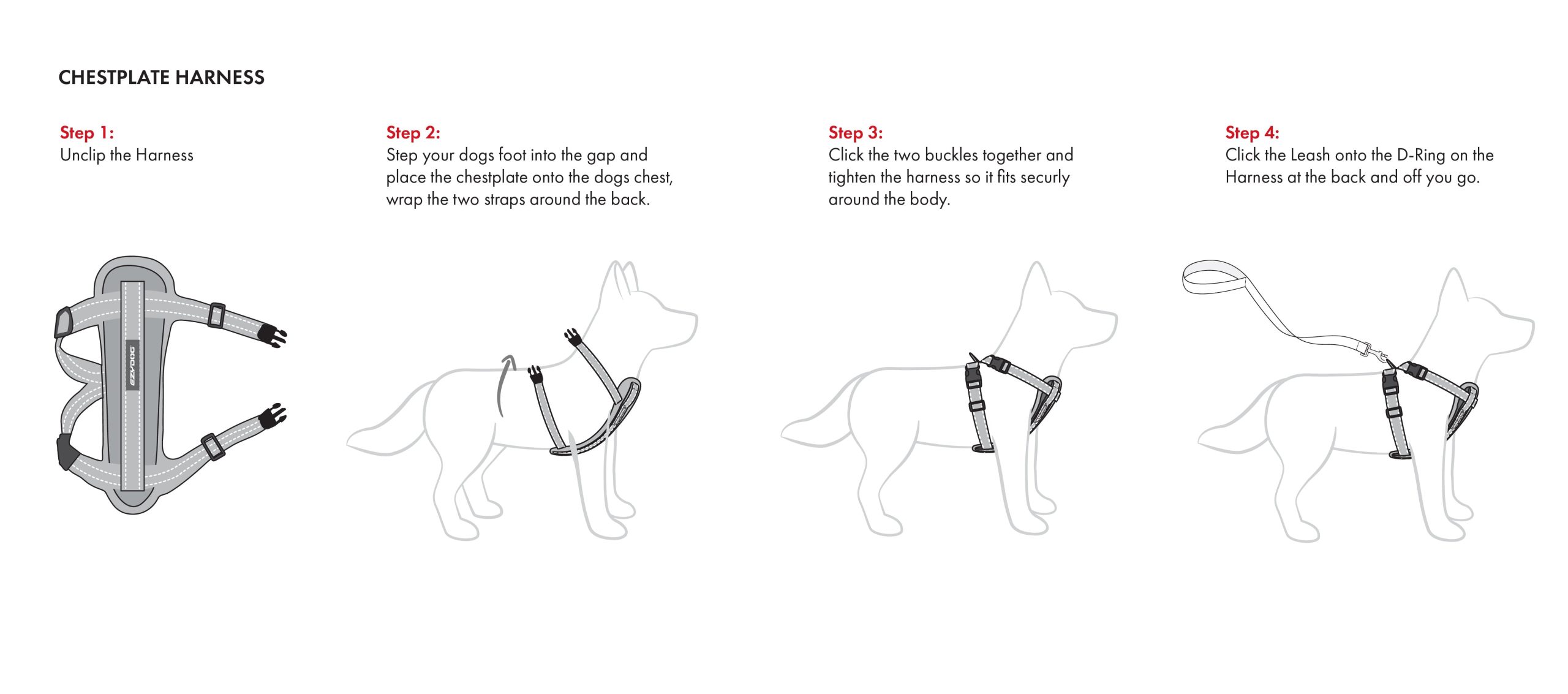
Ensure the harness is untangled and laid out flat. Slide the harness over the dog’s head. Adjust the straps for a snug fit. Attach the buckle and ensure the harness is secure. Clip the leash to the harness ring, ready for a walk.
Fitting a dog harness properly is crucial for your pet’s comfort and safety. A well-fitted harness prevents slipping and ensures control during walks. It’s important to take your time and adjust the harness correctly. Here’s a simple guide to help you fit your dog’s harness properly.Positioning The Harness
Start by placing the harness over your dog’s head. Ensure the D-ring is on your dog’s back. This is where the leash attaches. Some harnesses require the dog to step in. Help your dog lift its paw if needed. The harness should sit comfortably without twisting. Make sure the chest piece is centered. This provides balance and support.Adjusting The Straps
Once the harness is positioned, adjust the straps. Begin with the neck strap. It should be snug but not tight. You should fit two fingers between the strap and your dog’s neck. Next, adjust the belly strap. This strap should also allow two fingers to slide underneath. Check all straps for even tension. Ensure there are no loose ends or twists. Adjust until your dog can move freely and comfortably.Securing The Harness
Securing the harness is crucial for your dog’s comfort and safety. Slide the harness over your dog’s head, ensuring it sits snugly without being too tight. Fasten the buckles securely, and adjust the straps to fit your dog’s body shape.
Securing the harness on your dog ensures comfort and safety. This process is crucial for a snug fit without causing discomfort. An improperly secured harness can lead to chafing or escape. Follow these steps for a secure and comfortable harness for your furry friend.Buckling The Straps
Begin by positioning the harness on your dog. Ensure the D-ring is on top of their back. Slide one strap under your dog’s belly. Bring the other strap over the shoulders. Buckle the straps together securely. Listen for a click to confirm they are locked.Ensuring Snug Fit
Gently tug on the harness to check its security. Use two fingers to test the fit. They should fit snugly between the harness and your dog. Adjust the straps if needed for comfort. The harness should not slide when your dog moves. Ensure no part is pinching or rubbing. Your dog should feel comfortable and able to move freely.Testing The Fit
Testing the fit ensures your dog is comfortable and safe in its harness. Adjust the straps snugly but not too tight. Check for two fingers’ space between the harness and your dog’s body.
Testing the fit of your dog’s harness is crucial to ensure safety and comfort. Once you’ve managed to get the harness on, the next step is to see if it fits well. A poorly fitted harness can cause discomfort or even injury. Let’s break down how you can confidently assess the fit with some simple checks.Movement Check
Observe your dog as they move around. Check if they can walk, sit, and lie down without any restrictions. If your dog seems reluctant to move or exhibits signs of discomfort, the harness might be too tight or too loose. Ensure the harness doesn’t shift or slide out of place during movement. An unstable harness can lead to chafing or even a dangerous escape. Adjust the straps as needed, but make sure not to over-tighten.Comfort Assessment
Slip two fingers under each strap to verify there’s enough room for comfort. This rule ensures the harness is snug but not too tight. Your dog should breathe easily and not show signs of stress or anxiety. Check for any signs of irritation or redness, especially around the armpits and chest. If you notice any, consider adjusting the fit or trying a different style of harness. A content dog will wag its tail and look relaxed, so let their body language guide you. Testing the fit is about finding that perfect balance. How do you ensure your dog’s harness is both safe and comfortable? Share your experiences and insights with us!
Credit: www.amazon.com
Tips For Success
Place the harness over your dog’s head, ensuring the straps align correctly. Adjust the neck strap for comfort, then clip the belly strap under their torso. Check that the harness fits snugly but allows room for movement.
Putting a dog harness on can be simple with the right approach. Success relies on patience and understanding your dog’s comfort level. Begin by familiarizing your dog with the harness. Let them sniff and explore it before attempting to put it on. This helps reduce anxiety and makes the process smoother. Keep sessions short and positive.Positive Reinforcement
Use treats to reward your dog’s cooperation. Praise them when they show interest in the harness. This encourages a positive association. Gradually increase the time they wear it, rewarding them throughout. This builds trust and comfort.Regular Adjustments
Check the fit often to ensure comfort. A snug but not tight fit is ideal. Adjust the straps as needed. Dogs grow and change, so regular checks are important. This prevents discomfort and ensures safety.
Credit: www.lambwolf.co
Frequently Asked Questions
How Do I Choose The Right Harness Size?
To choose the right harness size, measure your dog’s chest and neck. Compare these measurements with the harness sizing chart. Ensure a snug fit without being too tight. A proper fit enhances comfort and safety for your dog.
Why Is A Harness Better Than A Collar?
A harness distributes pressure evenly across your dog’s body. This reduces strain on their neck. It’s ideal for dogs that pull or have respiratory issues. Harnesses provide better control and are safer for walks.
Can I Leave The Harness On All Day?
It’s not recommended to leave a harness on all day. Continuous wear can cause chafing or discomfort. Give your dog breaks by removing the harness at home. Regular checks ensure their skin stays healthy.
How Tight Should A Dog Harness Be?
A harness should be snug but not too tight. You should be able to fit two fingers between the harness and your dog’s skin. This ensures comfort and prevents any chafing or restriction.
Conclusion
Putting a dog harness on can be simple. Just follow the steps. Make sure the fit is snug, but not too tight. Check comfort with two fingers under the strap. Your dog should move freely without rubbing. Practice often to get faster.
Stay calm and reward your dog. A harness helps control on walks. It keeps your dog safe and secure. Feel confident every time you go out. Enjoy your walks with peace of mind. Follow these tips and make harnessing easy.
Happy walking with your furry friend!

Similar Posts