How to Put on a Dog Harness: Easy Step-by-Step Guide
Senior Canine Nutritionist & Dog Behavior Specialist at Cozy Dog Go Wellness Lab
Are you ready to make your dog’s walk safer and more enjoyable? Learning how to properly put on a dog harness can transform your daily strolls.
Imagine walking with confidence, knowing your furry friend is secure and comfortable. This guide is designed to help you master the art of fitting a harness, ensuring your dog feels great and you have peace of mind. Harnesses are not just about control; they’re about comfort and safety.
But it’s easy to feel overwhelmed with straps and buckles. No worries, you’re not alone. You’re about to discover the simple steps that will turn harnessing your dog into a quick and stress-free task. Keep reading to uncover the secrets to a perfect fit that both you and your dog will love.

Credit: www.amazon.com
Choosing The Right Harness
Choosing the right harness is crucial for your dog’s comfort and safety. A good harness provides support and control during walks. It also prevents strain on your dog’s neck. Let’s explore how to select the perfect harness for your furry friend.
Types Of Dog Harnesses
Dog harnesses come in various styles, each serving different purposes. Understanding these types helps in making an informed choice.
- Back-Clip Harness:The most common type. The leash attaches at the back. Ideal for calm dogs who walk well.
- Front-Clip Harness:The leash attaches at the chest. Offers more control for dogs that pull.
- Dual-Clip Harness:Features clips on both back and chest. Provides versatility for training and walking.
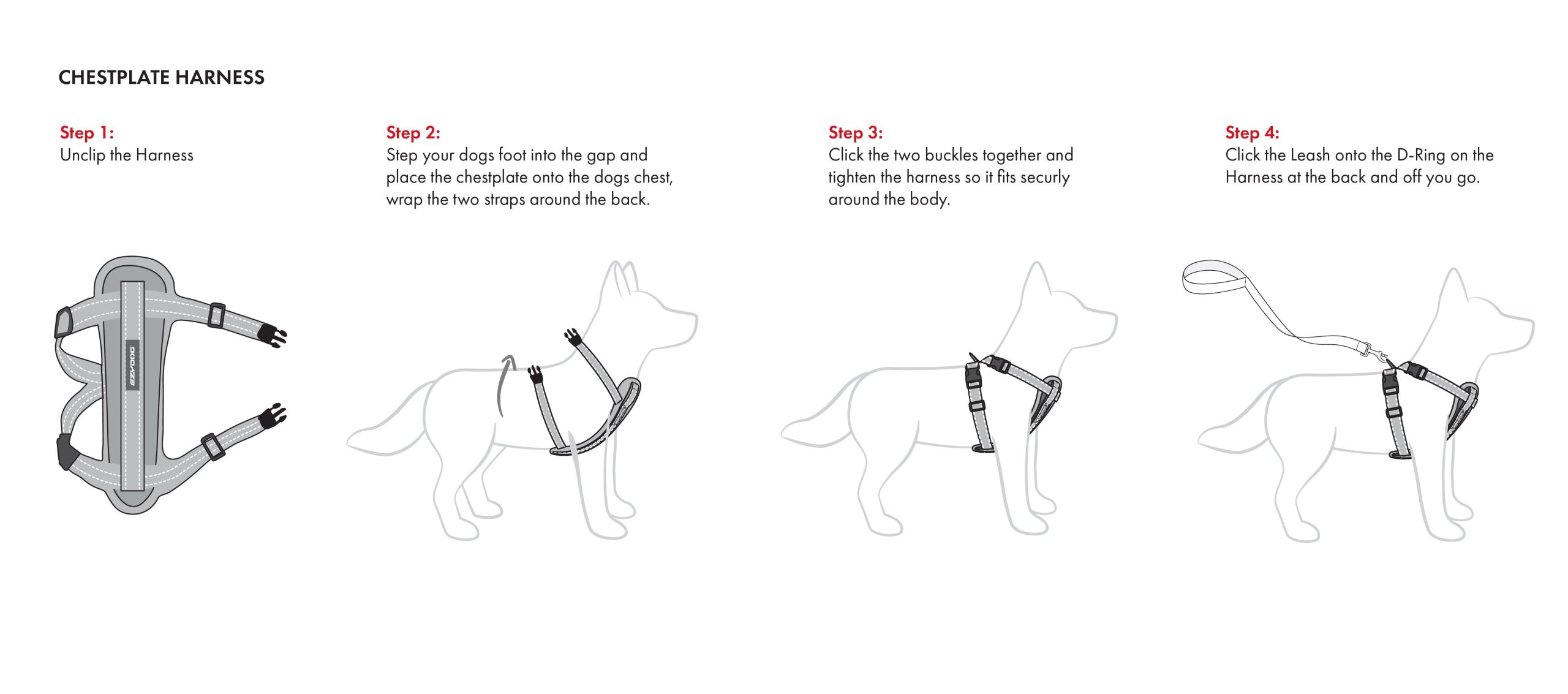
- Step-In Harness:Easy to put on. The dog steps into it, and you fasten it on the back.
Size And Fit Considerations
A proper fit is vital for your dog’s comfort and safety. Too tight, and it may cause discomfort. Too loose, and your dog might slip out. Here’s how to ensure a good fit.
- Measure Your Dog:Use a soft tape measure. Measure around the chest and neck.
- Check the Size Chart:Different brands have different sizing. Refer to the manufacturer’s chart.
- Adjustable Straps:Look for harnesses with adjustable straps. They ensure a snug fit.
- Comfort and Movement:Ensure your dog can move freely. Check for padding to prevent chafing.

Credit: www.youtube.com
Preparing Your Dog
Ensure your dog is calm before starting. Slide the harness over the head, adjusting the straps for a snug fit. Clip the buckle securely and check for comfort, allowing space for two fingers.
Preparing your dog for the harness is a crucial step in ensuring a smooth and stress-free experience. Dogs are creatures of habit, and introducing something new can sometimes be overwhelming for them. By taking the time to prepare your dog, you can make the process more enjoyable for both of you.Calming Techniques
Before you even pick up the harness, it’s important to help your dog feel relaxed. A calm dog is more likely to cooperate with you. Consider engaging your dog in a few minutes of gentle petting. This can help soothe them and make them more receptive to new experiences. Try using a calming phrase in a soft voice, like “It’s okay” or “You’re safe.” This verbal reassurance can work wonders. If your dog is particularly anxious, you might want to play some soft music. Many dogs find gentle rhythms comforting.Familiarization With The Harness
Getting your dog used to the harness before putting it on is a key step in preparation. Allow your dog to sniff and inspect the harness while it’s on the floor. This helps them understand that the harness isn’t a threat. Consider rewarding your dog with treats when they show interest in the harness. Positive reinforcement can encourage curiosity and acceptance. Spend a few minutes holding the harness in your hand and letting your dog see it. This simple act can remove some of the mystery surrounding the new object. What strategies have you found helpful in preparing your dog for new experiences? Everyone’s approach is unique, and sharing insights can benefit the community.Adjusting The Harness
Adjusting a dog harness is essential for comfort and security. A well-fitted harness ensures your dog’s safety during walks. It allows free movement without slipping or pinching. Here’s how to adjust the straps for a perfect fit.
Loosening Straps
Start by loosening all straps. This makes it easier to place the harness on your dog. Avoid tightness that can cause discomfort or restrict movement. Gently pull the straps to create more space. Ensure the harness slides over the dog’s head easily.
Check the neck and chest areas for snugness. If the harness seems tight, loosen further. Allow a comfortable fit without gaps or excessive slack. Remember, a well-loosened harness is crucial for proper adjustment.
Checking For Comfort
Once the harness is on, check for comfort. Feel around the neck and chest. Ensure your dog can move freely. The straps should not dig into the skin. Slide two fingers between the harness and your dog. This ensures the harness is not too tight.
Observe your dog’s behavior. Look for signs of discomfort or irritation. Adjust if necessary to improve fit. A comfortable dog is a happy dog, ready for adventure. Proper adjustment prevents chafing and discomfort. Make sure your dog enjoys the walk with a well-fitted harness.
Securing The Harness
Securing the harness ensures your dog’s comfort and safety during walks. Adjust the straps for a snug fit without pinching. Fasten the clips securely to prevent slipping.
Securing the harness is crucial for both the comfort and safety of your dog. A properly secured harness can prevent your furry friend from escaping or getting tangled. Ensuring a snug fit allows for better control during walks and keeps your dog happy and relaxed. Here’s how you can secure the harness like a pro.Positioning The Harness
Make sure the harness is positioned correctly on your dog. Start by identifying the front and back of the harness; the front usually has a loop for the leash attachment. Slide the harness over your dog’s head, ensuring the chest strap sits comfortably across the chest. Adjust the harness so the straps lay flat without bunching up; this minimizes discomfort for your dog.Fastening The Buckles
Once the harness is properly positioned, it’s time to fasten the buckles. Check that each buckle clicks securely into place; you should hear a distinct snap. Make sure the buckles are not pinching your dog’s skin or fur; this can cause irritation or discomfort. Securing the harness might seem straightforward, but have you ever wondered how your dog perceives the process? A well-secured harness can make walks more enjoyable for both of you. Take the time to ensure everything is in place, and you’ll find your outings more rewarding.Checking Fit And Comfort
A dog harness is a vital accessory for your pet’s safety and comfort. Once you’ve chosen the right harness style, ensuring it fits properly is crucial. A well-fitted harness supports your dog’s movements and prevents injuries. Let’s explore how to check the fit and comfort of your dog harness.
Ensuring Proper Tightness
A harness that’s too tight can cause discomfort and restrict movement. It should fit snugly without pinching or squeezing. To check tightness, slip two fingers under the strap. They should fit comfortably without effort. Adjust the straps until this level of tightness is achieved.
Every dog is unique in size and shape. Regular checks ensure the harness remains comfortable, especially after growth spurts. Always recheck tightness after adjustments.
Observing Your Dog’s Movements
Your dog’s behavior will tell you if the harness fits well. Observe your pet as they walk, run, and play. Look for signs of distress or discomfort. A well-fitting harness allows natural movement.
Pay attention to any rubbing or irritation. If your dog constantly scratches or bites at the harness, it might need adjustment. A content and active dog often indicates a good fit.
Regular checks and observations help maintain optimal fit. They ensure your dog’s comfort and safety during outdoor adventures.
Troubleshooting Common Issues
Struggling to put on a dog harness? Start by letting your dog sniff the harness. Gently slip it over your dog’s head, ensuring the fit is snug but comfortable. Adjust the straps for security, and check that the harness sits properly on the chest and back.
Putting on a dog harness can sometimes be tricky. Occasionally, common issues can arise during the process. These issues can lead to frustration for both the owner and the pet. Understanding how to troubleshoot these problems can make the task easier and more pleasant.Avoiding Twists And Tangles
Harnesses can easily twist or tangle. This might make them uncomfortable for your dog. Lay the harness flat before use. Ensure all straps are straight. Check that buckles are not twisted. Begin by placing the harness over your dog’s head. Adjust the straps as needed. Tighten them to fit snugly. Ensure no loose parts hang around. This will prevent tangling during walks.Addressing Discomfort
A harness should not cause discomfort. Check if it’s too tight or too loose. Feel for any pressure points on your dog. Adjust the harness for a comfortable fit. Watch your dog’s behavior while wearing it. Signs of discomfort include pulling, scratching, or whining. If needed, try a different size or style. Some harnesses suit certain breeds better. Always ensure the harness is well-padded. This reduces irritation on your dog’s skin.Tips For First-time Users
Putting a harness on a dog for the first time can be challenging. With the right tips, the process becomes smoother and less stressful. Here’s how first-time users can make the experience positive.
Patience And Practice
Start by introducing the harness to your dog slowly. Let them sniff and get familiar with it. Lay the harness on the ground and allow your dog to approach it at their own pace.
Practice putting the harness on without fastening it. This helps your dog get used to the sensation. Repeat this step a few times until your dog feels comfortable.
Be patient. Each dog learns at their own speed. Some might take longer to adjust, which is perfectly normal.
Rewarding Your Dog
Use treats to encourage positive behavior. Offer a treat each time your dog lets you put the harness on.
Speak in a calm, reassuring voice. This helps reduce anxiety and builds trust.
After securing the harness, reward your dog with a short walk or playtime. This reinforces the idea that wearing a harness leads to fun activities.
Consistency is key. Regular practice and rewards will make harness time enjoyable for both you and your dog.
Credit: goobypet.reamaze.com
Frequently Asked Questions
How Do I Choose The Right Dog Harness?
Selecting the correct harness depends on your dog’s size, breed, and activity level. Measure your dog’s chest and neck for accurate sizing. Consider harness types like front-clip for pulling control or back-clip for comfort. Ensure the harness is adjustable and made of durable, breathable material for your dog’s comfort.
What Is The Easiest Way To Put On A Dog Harness?
Start by placing the harness on the ground. Have your dog step into it, securing the straps around the chest and neck. Adjust for a snug fit, allowing two fingers to slide under the straps. This method ensures comfort and prevents the harness from being too tight or loose.
How Tight Should A Dog Harness Be?
A dog harness should fit snugly but not restrictively. You should be able to fit two fingers between the harness and your dog’s body. This ensures comfort and prevents chafing. An overly tight harness can cause discomfort, while a loose one may lead to escapes.
Can I Walk My Dog Without A Harness?
While it’s possible, using a harness is safer and more comfortable for your dog. Harnesses offer better control and reduce strain on your dog’s neck compared to collars. They are especially beneficial for dogs that pull or have respiratory issues, ensuring a safer walking experience.
Conclusion
Helping your dog wear a harness can be simple. Start with patience. Ensure the harness fits comfortably. Practice makes perfect. Your dog will soon feel secure. Always reward good behavior with treats. A well-fitted harness keeps walks safe and fun.
Remember, every dog is unique. Adjust methods as needed. Consistency is key to success. Soon, putting on the harness becomes routine. Enjoy the time outside with your furry friend. With these tips, you’re ready for stress-free walks. Happy adventuring with your dog!

Similar Posts